Time-of-Use Hydro Rates in Ontario Explained: How TOU Billing Works and How to Save
- What Is Time‑of‑Use (TOU) Pricing in Ontario?
- What Are Ontario’s Seasonal TOU Schedules?
- How Do TOU Rates Change By Time, Day, and Season?
- How Is TOU Calculated and Tracked by Your Utility?
- Metering Your Usage: When You Use Power
- TOU Vs Tiered Pricing: Key Differences and When to Choose Each
- Frequently Asked Questions
- Save Money, Reduce Peak Demand, and Gain Backup Resilience
Managing your household energy expenses in Ontario means deciding when to use power to take advantage of Time-of-Use (TOU) pricing. This guide looks at what TOU billing is, how it works, and how to save money on your bill.
What Is Time‑of‑Use (TOU) Pricing in Ontario?
TOU pricing is a regulatory structure established by the Ontario Energy Board (OEB). It adjusts the price of electricity based on the demand across the power grid. Instead of paying a flat rate per kilowatt-hour (kWh), the price you pay fluctuates during the day.
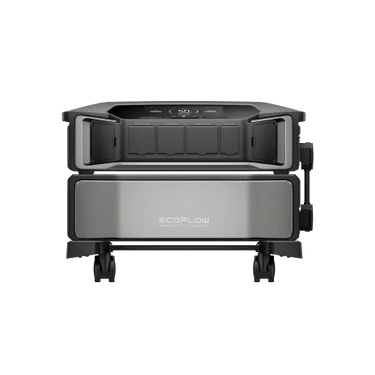
In the same way that you might use an EcoFlow DELTA Pro Ultra to help reduce your electricity bills, you can reduce costs by timing when to use your devices.
The basic principle is that during peak hours, electricity costs more to generate and distribute. At other times, such as overnight when demand drops, the supply of electricity is increased, leading to lower prices.
How Do Off‑Peak, Mid‑Peak, and On‑Peak Work?
The day is divided into three pricing blocks by the Ontario Energy Board:
Off-Peak: This is the cheapest time to use power in the province because demand is lowest.
Mid-Peak: This period sees moderate demand due to stable consumption, and the grid’s capacity is not yet being pushed to its limits.
On-Peak: This is the most expensive time to use power, when businesses and households are all consuming larger amounts of energy at the same time.
What Are Ontario’s Seasonal TOU Schedules?
The TOU framework has two schedules: summer and winter.
The summer schedule runs from May 1 to the end of October, while the winter schedule runs from November 1 to the end of April.
How Do TOU Rates Change By Time, Day, and Season?
The two seasons have different times for off-peak, mid-peak, and on-peak, but weekends and statutory holidays are always off-peak all day.
Summer Schedule:
7:00 AM – 11:00 AM: Mid-Peak
11:00 AM – 5:00 PM: On-Peak
5:00 PM – 7:00 PM: Mid-Peak
7:00 PM – 7:00 AM: Off-Peak
Winter Schedule:
7:00 AM – 11:00 AM: On-Peak
11:00 AM – 5:00 PM: Mid-Peak
5:00 PM – 7:00 PM: On-Peak
7:00 PM – 7:00 AM: Off-Peak
Regulated Price Plan (RPP) in Ontario
TOU rates vary by province, but the current base prices for the Regulated Price Plan (RPP) in Ontario are:
Off-Peak Rate: 9.8¢ per kWh
Mid-Peak Rate: 15.7¢ per kWh
On-Peak Rate: 20.3¢ per kWh
How Is TOU Calculated and Tracked by Your Utility?
Your Local Distribution Company (LDC) handles tracking TOU rates and calculating your bills, and it accounts for the different times that you use power.
At the close of the billing cycle, the company adds up the number of kilowatt-hours for each pricing block and works out the total cost.
It then adds on additional charges like delivery charges and regulatory charges to make up the total hydro bill.
Metering Your Usage: When You Use Power
Smart meters are now standard across Ontario, enabling a switch from flat-rate to TOU billing.
Old-fashioned models only tracked cumulative consumption, but digital smart meters record real-time usage.
Granular monitoring changes how you manage your energy. It’s no longer just about how much energy you use, but when you use that energy. This means you can save money by running the dishwasher during off-peak hours. While you use the same amount of energy, the amount you spend on electricity can be up to half the cost.
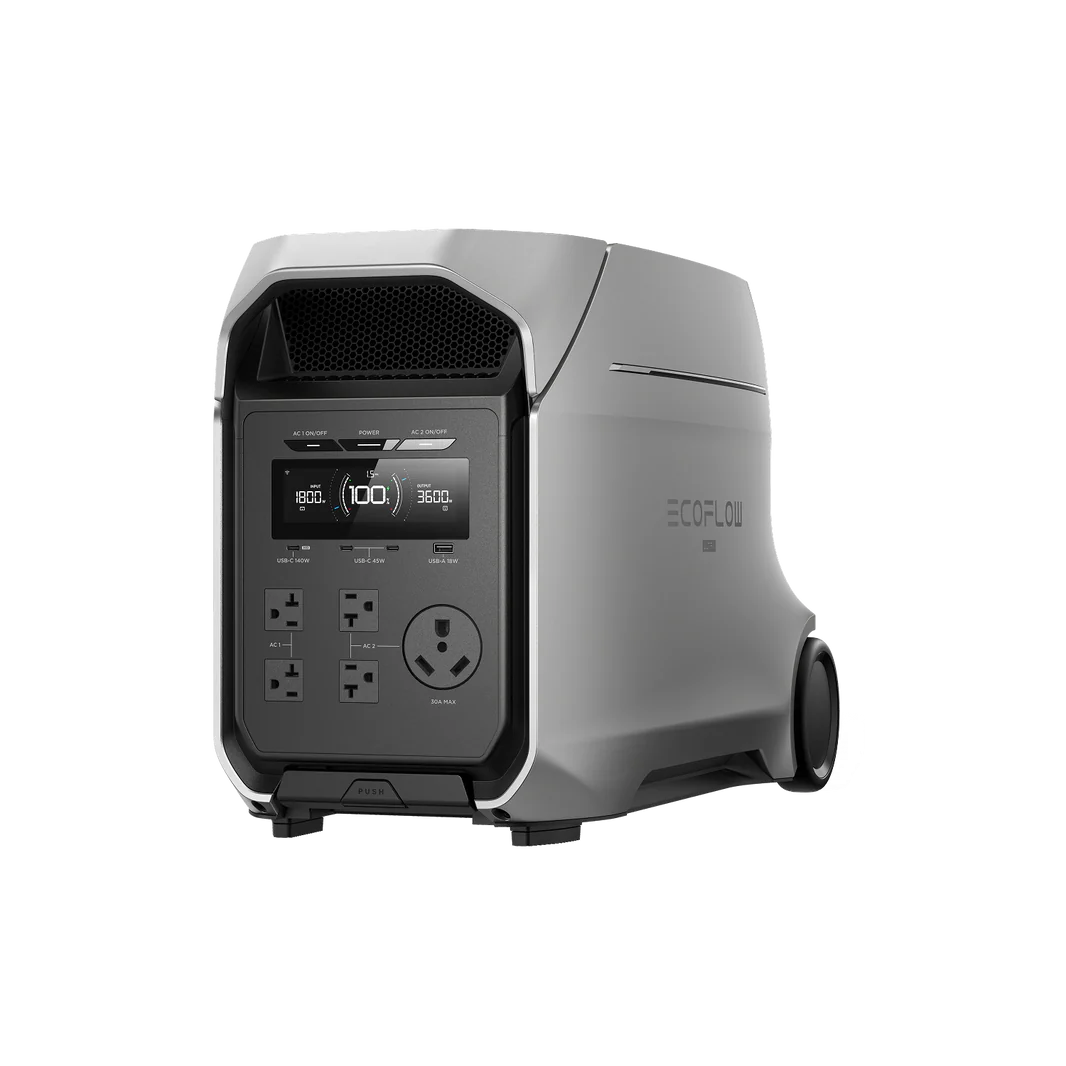
If saving money on bills is your priority, you could also use a backup power source like the EcoFlow DELTA 3 Ultra Plus + 400W Solar Panel to power up your devices using solar energy.
TOU Vs Tiered Pricing: Key Differences and When to Choose Each
Ontario electricity rates can vary because consumers can opt out of TOU billing and choose Tiered Pricing instead. The main difference is that, with Tiered Pricing, rates change based on the volume of power consumed rather than the time of day.
With Tiered Pricing, the time of day doesn't matter. Instead, you pay one rate for electricity up to a monthly usage threshold and a higher rate for any additional consumption.
The Tier 1 threshold is 600 kWh per month in the summer and 1,000 kWh per month in the winter.
The Tier 1 rate is 12.0¢/kWh, and the Tier 2 rate is 14.2¢/kWh.
TOU is often the most cost-effective option if you can shift electricity use to evenings, weekends, and off-peak periods. Households that can move substantial electricity consumption to overnight hours, such as EV charging, may benefit even more from Ultra-Low Overnight (ULO) pricing, which has an overnight rate of just 3.9¢/kWh.
However, if you use a high amount of energy during the daytime and can’t adjust your routine easily, Tiered Pricing may be the better option.
Frequently Asked Questions
How Do I Track Hourly Usage On My Bill?
Your bill does not show individual hourly logs. To do this, you’ll need to log in to your account on the online portal for your local utility provider. Most utilities present interactive tracking dashboards, and you can download a spreadsheet or view bar graphs to see your exact power consumption.
Will Shifting to Off‑Peak Reduce My Monthly Bill?
Yes, you can take advantage of off-peak hours to reduce your monthly bill because off-peak is less than half the cost of on-peak. This is especially true if you use major power consumers like dishwashers and pool filtration systems during off-peak hours.
How Much Can I Save By Shifting Usage to Off‑Peak?
The amount depends on your home’s size and your energy habits. However, the on-peak rate of 20.3¢ is over double the off-peak rate of 9.8¢, so you will save about 10.5 cents on every kilowatt-hour you use.
Save Money, Reduce Peak Demand, and Gain Backup Resilience
You can take advantage of TOU rates by shifting usage to off-peak hours to lower your bills. You may also want to consider Tiered Pricing if this makes more sense for your situation.
If you want to improve home efficiency further, take a look at EcoFlow’s whole-home backup power solutions.