Home Air Conditioner: Guide to Choosing the Right Cooling System for Your House
- What Should You Consider Before Choosing a Home Air Conditioner?
- Which Type of Home Air Conditioner Is Best for Your House?
- How Do You Choose the Right AC Size (BTU) and SEER2 Rating?
- How Much Does a Home Air Conditioner Cost in Canada?
- How Can You Maintain Your Air Conditioner and Extend Its Lifespan in Canada's Climate?
- Conclusion
- FAQ
Canadian summers can get genuinely hot, especially during those week‑long heat waves. Whether you’re cooling a Toronto condo or a Calgary bungalow, picking the right AC makes a real difference in both comfort and what you pay on the electricity bill. This guide covers the main types of home air conditioners, how to size one correctly, what those efficiency ratings mean, and a realistic look at costs across Canada.
What Should You Consider Before Choosing a Home Air Conditioner?
The right system depends on your home’s size, local climate, existing heating system, and budget. Understanding these key factors first is the best way to learn how to choose air conditioner for home and find a system that fits your space.
Home Size and Layout
Size and layout matter as much as the hardware. A two‑storey house in Calgary needs a different airflow strategy than a compact Vancouver condo. Open‑concept spaces let air move freely but take more power to keep even across a large area. Older homes with separate rooms, on the other hand, can end up with hot and cold pockets unless you zone the system properly. Know your floor plan before you pick a unit.
Local Climate Conditions
Canada’s summer climate varies by region. In Southern Ontario, high humidity often makes homes feel hotter than the temperature suggests, so good dehumidification is just as important as cooling. In the Prairies and the Okanagan, summers tend to be hotter and drier, making efficient cooling the main priority. Choosing a system that matches your local climate will improve both comfort and energy efficiency.
Existing HVAC System
Upgrading your cooling gets a lot easier if you can work with what’s already there. If you’ve got a forced‑air gas furnace, the ductwork is ready to go, so adding a standard split‑system central AC is a straightforward job. If your place runs on baseboard heaters or a radiant boiler, putting in ducts from scratch gets expensive fast. That’s when ductless or portable units start making more sense. For spaces without permanent HVAC upgrades, portable cooling equipment paired with a portable power station can provide additional flexibility.
Household Cooling Needs
Your daily routine also matters when deciding on air conditioners for the home. If your family spends most of its time in just a few rooms, a zoned system or portable air conditioner may be a better choice than cooling the whole house.
Budget Considerations
Don’t just look at the price tag. Installation and monthly electricity bills add up over time. A higher‑efficiency unit costs more upfront, but if you’re running it all summer, that extra spend can pay for itself. Work the numbers for your situation, not just the sticker price.
Which Type of Home Air Conditioner Is Best for Your House?
There are several types of air conditioner for homes to choose from. Each has its own advantages, depending on your home and how you plan to use it.
Central Air Conditioning Systems
If your house already has ductwork, central air is usually the most straightforward route. It cools the whole place evenly and keeps the noisy parts outside. The catch is the install cost, especially if you’re adding ducts where there weren’t any before. But if the bones are already there, it’s hard to beat.
Ductless Mini-Split Systems
Ductless mini‑splits make sense when you don’t have ducts or only want to cool specific rooms. An outdoor unit connects to one or more indoor heads through small lines, and each zone has its own temperature control. The downside is the indoor units stay visible, and the install can run higher than you’d expect for a simpler system. Still, for many homes without existing ductwork, they’re the best option by a long shot.
Window Air Conditioning Units
Window units are a budget‑friendly way to cool a single room. Most slide in without professional help, and you’re up and running in an afternoon. The downsides are obvious: they block part of the window, create noticeable noise, and won’t match the efficiency of central or ductless systems. But for renters or small spaces, they get the job done without breaking the bank.
Portable Air Conditioning Units
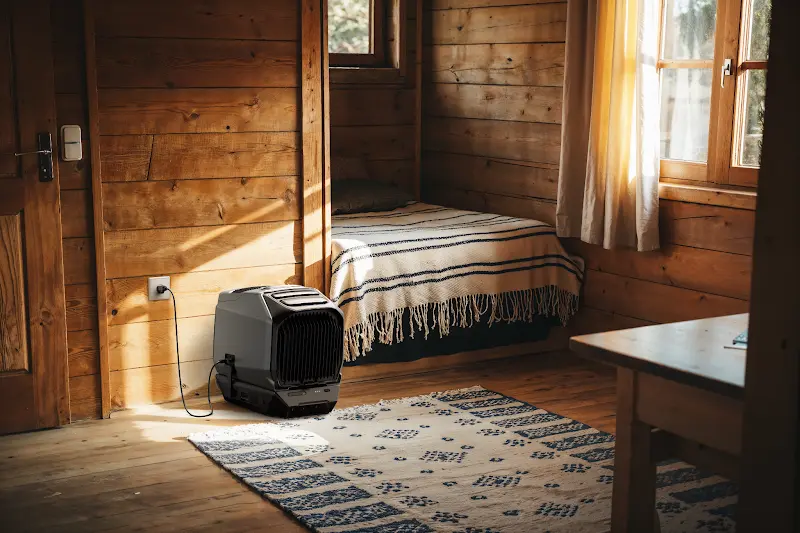
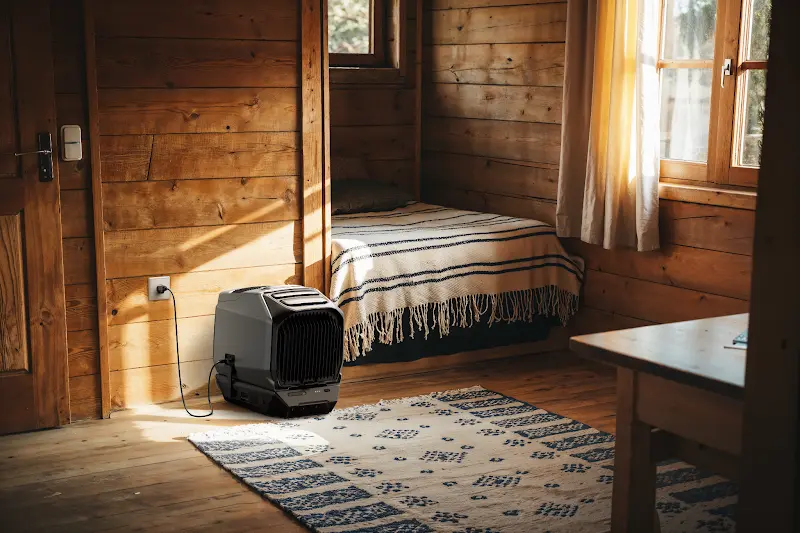
Portable ACs are a solid option for renters, apartments, or anywhere you can’t install something permanent. You plug it in, vent it out a window, and you’re set. Roll it from room to room as needed. While portable ACs are not as powerful as central or ductless systems, they work well for cooling frequently used spaces like bedrooms, home offices, basements, or other individual rooms. For many Canadian homes, this makes more sense than running central air just to cool one corner of the house. Portable units are also a practical choice for cottages or seasonal homes without existing air conditioning.
The EcoFlow WAVE 3 Portable Air Conditioner with Heater is one example. It combines air conditioning and heating in one portable unit, packing 6,100 BTU of cooling and 6,800 BTU of heating. It can run from a wall outlet or compatible portable battery, with solar charging available when paired with a supported setup. Easy to move between rooms or toss in the car for the cottage. No installation, just cooling where you actually need it.
Heat Pumps as a Cooling Alternative
Heat pumps are catching on fast across Canada, and for good reason. They do double duty. In summer, they work just like a high‑efficiency AC, pulling heat out of your home and pushing it outside. Come winter, they reverse the flow and bring warmth in. That makes them a year‑round system that cuts down on gas or oil use, which is why more homeowners are making the switch.
Quick Comparison: Which Type Fits Your Home?
| AC Type | Best For | Pros | Cons |
|---|---|---|---|
| Central AC | Whole-house cooling with existing ducts | Even temperature, hidden out of sight | High installation cost, requires ductwork |
| Ductless Mini-Split | Homes without ducts, zoned cooling | Highly efficient, independent zone control | Visible indoor units, costly multi-zone setup |
| Window Unit | Single small rooms, low budgets | Affordable, easy DIY setup | Noisy, blocks window, poor efficiency |
| Portable AC / WAVE 3 | Renters, cottages, targeted room cooling | Zero permanent installation, highly mobile | Limited coverage area compared to central systems |
| Heat Pump | Year-round eco-friendly heating & cooling | Extremely efficient, dual-purpose system | Higher initial purchase price |
How Do You Choose the Right AC Size (BTU) and SEER2 Rating?
Finding the answer to “what size air conditioner do I need” matters as much as choosing the right type of system. An undersized unit may run constantly, while an oversized one can cycle too often, reducing comfort and efficiency.
Estimate the Right BTU Capacity for Your Home
AC capacity is measured in BTUs per hour. A rough starting point is around 20 BTUs per square foot, but actual requirements depend on insulation, ceiling height, windows, and local climate. A 500‑square‑foot apartment, for instance, usually needs a 10,000 BTU unit. Larger homes generally require more BTUs.
Adjust BTU Requirements for Real-World Conditions
Square footage is a starting point. High ceilings and big south‑facing windows pull in more heat, so you’ll need more BTUs to keep up. Kitchens also require additional cooling because ovens and stovetops generate significant heat. As a general estimate, you may need about 4,000 extra BTUs for that space. Tweak the numbers for your actual room, and you won’t be left sweating in the hot spots.
Compare SEER2 Ratings for Energy Efficiency
SEER2 tells you how efficiently an air conditioner uses electricity. A higher SEER2 rating usually means lower energy use and lower cooling costs. Most systems available in Canada range from around 13.4 SEER2 to over 20 SEER2.
Pro Tip: While the legal baseline in Canada is 13.4 SEER2, meeting the threshold for provincial or utility rebates (like CleanBC or BC Hydro) usually requires a much higher standard. To qualify for those top-tier incentives, you’ll typically need an AHRI-certified system with a SEER2 rating of 15.2 or higher.
Balance Energy Savings with Upfront Costs
If you live in coastal British Columbia, where summers are generally mild, a mid-range SEER2 rating may be sufficient. In Southern Ontario or parts of the Prairies, where air conditioners often run for longer periods during summer, a higher-SEER2 system can provide greater long-term savings.
How Much Does a Home Air Conditioner Cost in Canada?
When budgeting for a home air conditioner, look beyond the purchase price. Along with upfront equipment costs, long-term operating expenses and having a reliable power station for unexpected outages are also important factors to consider.
AC Unit Purchase Costs
The equipment cost itself varies dramatically by type and capacity. A standard central air conditioner unit typically costs around $2,500 to $6,000 for the equipment alone. Ductless mini-splits run anywhere from $3,000 for a single-zone setup to over $9,000 for multi-zone systems, while high-quality portable units provide a far more accessible entry point for targeted relief.
Professional Installation Costs
Professional installation for a home air conditioner typically ranges from $3,500 to $7,000 in Canada, depending on the system type, home layout, and installation complexity. More complex projects involving electrical upgrades or ductwork modifications can cost significantly more. Central AC installation is more involved than simply placing a unit and turning it on. It requires refrigerant connections, electrical work, and proper system setup, which is why most homeowners choose professional installation.
Canadian Rebates and Incentives
Provinces and utilities across Canada often offer rebates for eligible high-efficiency heating and cooling systems. Check what’s available in your province before you buy, as these incentives can help reduce the upfront cost of upgrading your home’s HVAC system.
Electricity and Operating Costs
How much you pay to run your AC comes down to a few things: how efficient the unit is, how often you run it, the size of the space, and your local hydro rates. During a hot Canadian summer, cooling a whole house for weeks on end can push the bill up. A high‑efficiency system, a programmable thermostat, and only cooling the rooms you’re in all help keep costs in check.
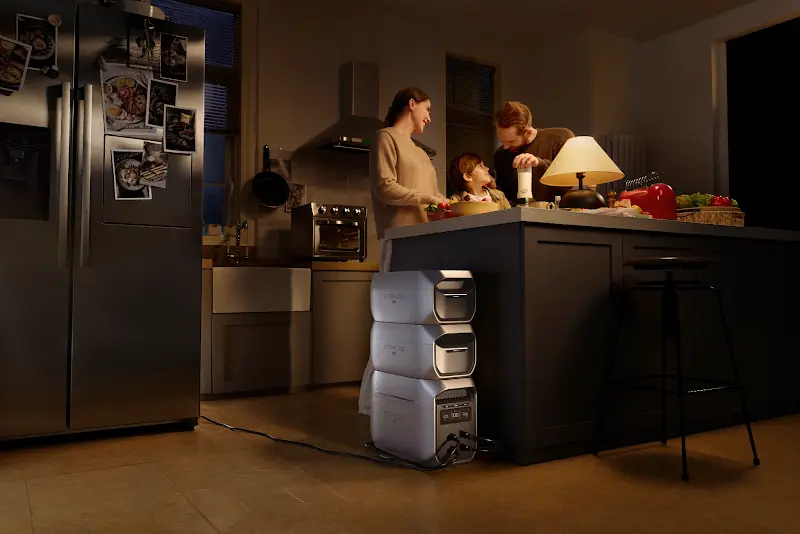
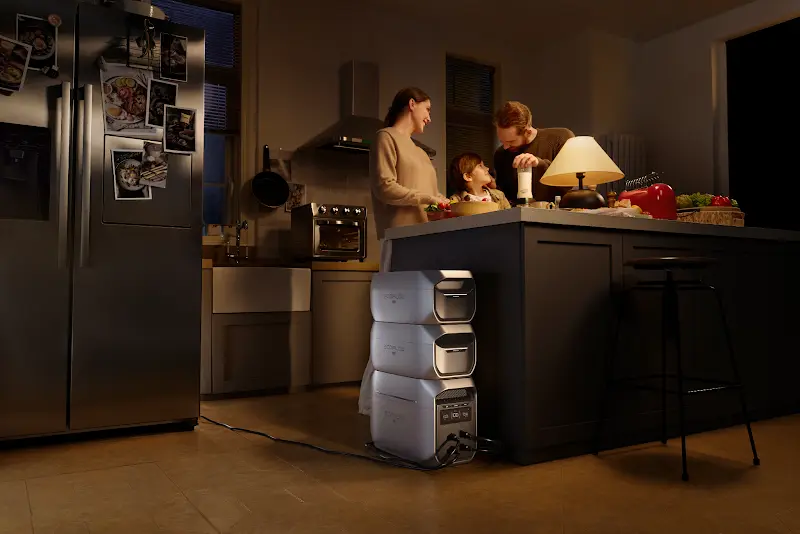
Then there’s the power outage factor. Summer storms and high demand days can knock the grid offline. If you rely on portable cooling, a fridge for food, or essential household gear, having backup power on hand makes a real difference when the lights go out.
The EcoFlow DELTA 3 Max Plus Portable Power Station (2048Wh) helps address this need. It can keep a portable AC, fan, or fridge running until the grid comes back. Expandable capacity, fast recharging, and UPS functionality mean it’s also a solid backup for everyday use, not just emergencies.
How Can You Maintain Your Air Conditioner and Extend Its Lifespan in Canada's Climate?
Regular maintenance helps your air conditioner run efficiently and last longer. A few simple checks before summer can also reduce the chance of unexpected breakdowns.
Replace Air Filters Regularly
Check your air filter every 1 to 3 months, especially during the cooling season. A dirty filter restricts airflow, making your air conditioner work harder and use more electricity. Replacing it regularly helps improve efficiency, supports better indoor air quality, and can extend the life of your system.
Clean Outdoor AC Components
Keep your outdoor unit free of leaves, dirt, and other debris. A quick rinse with a garden hose each spring and enough space around the unit will help it run more efficiently.
Schedule Annual HVAC Maintenance
Schedule a professional HVAC tune-up each spring before the cooling season begins. A technician can check refrigerant levels, inspect electrical connections, clean the condensate drain, and identify small issues before they turn into costly repairs.
Prepare Your AC for Winter
Prepare your outdoor unit before winter by clearing away debris and protecting it from heavy snow. If you use a cover, leave the sides open to prevent moisture from building up inside the unit.
Conclusion
There’s no single “best” home air conditioner. The right choice depends on how much space you’re cooling, whether you already have ductwork, and how often you’ll actually use it. Spending a little more time comparing systems now usually pays off with lower electricity bills and fewer headaches later.
If you only need to cool one room, spend weekends at a cottage, or want some cooling available during power outages, portable solutions are worth considering. Models such as the EcoFlow WAVE 3 can handle targeted cooling without permanent installation, while a backup power station like the EcoFlow DELTA 3 Max Plus can keep essential appliances running if the grid goes down.
FAQ
What Size AC Does a 2,000 Sq Ft House Need?
For a 2,000-square-foot home, you’ll usually need an air conditioner in the 3 to 4-ton range, or roughly 36,000 to 48,000 BTUs. If your house has poor insulation, high ceilings, or large south-facing windows that let in plenty of sun, you may need a little more cooling capacity.
What Is the Most Energy-Efficient Way to Cool Your Home?
In most Canadian homes, a modern air-source heat pump paired with a programmable thermostat offers the best balance between comfort and energy use. You can reduce cooling costs further by keeping blinds closed during the afternoon, using ceiling fans, and avoiding cooling empty rooms.
How Do I Know if My AC Unit Needs Replacing?
If your AC has started breaking down every summer or struggles to keep up even on moderately warm days, it’s probably worth getting it assessed. Once a system reaches the 15-year mark, repair costs often start adding up, and replacing it can be the more economical option.
What Is the Average Lifespan of an Air Conditioner?
The average operational lifespan of a well-maintained central air conditioner ranges between 15 and 20 years under typical Canadian weather conditions. You can significantly extend this lifespan and preserve operating efficiency by consistently replacing air filters, keeping the outdoor condenser clean, and scheduling annual professional tune-ups.
Do Portable AC Units Have to Be Vented out a Window?
Yes, standard portable air conditioners absolutely must be vented outside through a window, door, or wall cutout to function effectively. Because an air conditioner works by extracting heat and humidity from the indoor air, failing to vent that hot exhaust out of the room means the heat is simply dumped right back inside, reducing cooling performance significantly.