Federal EV Tax Credit Explained: How EcoFlow Supports Home EV Charging
Electric vehicles are the future of the auto industry, but they are not entirely accessible, with gas-powered vehicles being more affordable. While upfront costs tend to be higher, electric vehicles can save more money than their counterpart in the long run, all while being kinder to the environment.
Lowering the upfront cost of EVs has been at the forefront of government initiatives. Canada has introduced many incentives to make electric vehicles more affordable, from purchasing a vehicle to implementing a home charging station. Learn about the federal EV tax credit and find out how EcoFlow supports home charging.
What EV Incentives Exist in Canada?
The recently announced Electric Vehicle Affordability Program (EVAP) is a federal incentive that encourages Canadians to purchase or lease electric vehicles (EVs). The program offers rebates of up to $5,000 for battery-electric and fuel cell electric vehicles and up to $2,500 for plug-in hybrid vehicles. The funds are applied directly at the dealership as a point-of-sale rebate, meaning buyers instantly save on upfront costs.
While the program doesn’t officially launch until March 31, 2026, eligible purchases and leases on or after February 16, 2026, may qualify for the incentive. To qualify, EVs must be made in Canada or in countries with free-trade agreements with Canada. EVs made in Canada have no final transaction value limit, while all other eligible transactions must have a final value of $50,000 or less.
The EVAP concludes on March 31, 2031, unless all funding is used before then. There is a one-incentive limit per individual across the five-year period, while organizations and businesses can receive up to 10 incentives across that timeframe. The incentives will gradually decline until 2030, when they reach up to $2,000 for battery-electric and fuel cell EVs and up to $1,000 for plug-in hybrid vehicles.
EV incentives also vary by province. Quebec offers up to $2,000 in financial assistance for a new electric vehicle. Manitoba provides $4,000 for purchasing a new EV, $1,000 to $4,000 for leasing an EV, and $2,500 for purchasing a used EV. Prince Edward Island offers a rebate of $4,000 for EVs and $2,000 for plug-in hybrid EVs. Provincial rebates can generally be stacked with the federal rebate.
Where Incentives May Apply to Home Charging
There are currently no federal-level incentives for residential EV chargers, with the only benefit coming from the fact that level 2 chargers are excluded from the $50,000 final transaction value cap under the EVAP. However, you can take advantage of provincial and territorial incentives.
British Columbia leads the way for home EV charging incentives. Through the CleanBC Go Electric EV Charger Rebate Program, the province offers a rebate of up to 50% for a Level 2 charger in your single-family home, duplex, or triplex. Implemented in partnership with BC Hydro and FortisBC, the program can cover a maximum of $350 for the purchase and installation of the charging station.
Through the Roulez vert program, Quebec is offering EV owners and lessees a $600 grant for the purchase and installation of a Level 2 home charging station. The station must be new, acquired from a Canadian retailer, and installed by an electrician licensed by the RBQ. The program is set to last until December 2026.
Through the Good Energy Program, Yukon offers a rebate covering 50% of the purchase and installation costs for Level 2 EV chargers, up to a maximum of $1,500 per unit. A maximum of two chargers per residence can qualify for the rebate.
How EcoFlow Supports Home EV Charging
Whether you’re eligible for residential EV charger rebates or not, investing in a home charging station is essential to getting the most out of your electric vehicle. Using a home charging station is the most cost-effective method of charging your EV, as residential electricity rates are generally much lower than public charging rates.
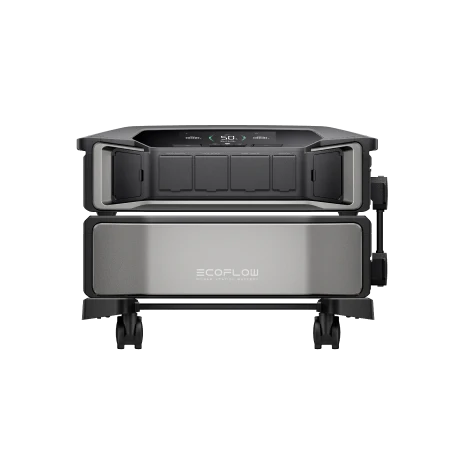
EcoFlow offers a range of equipment to optimize your home EV charging setup. EcoFlow’s whole-home generator solutions power home appliances, charge your EV, and store excess energy during peak solar production hours. The system expends that stored energy when electricity rates are at their peak, and switches to the grid when rates drop overnight.
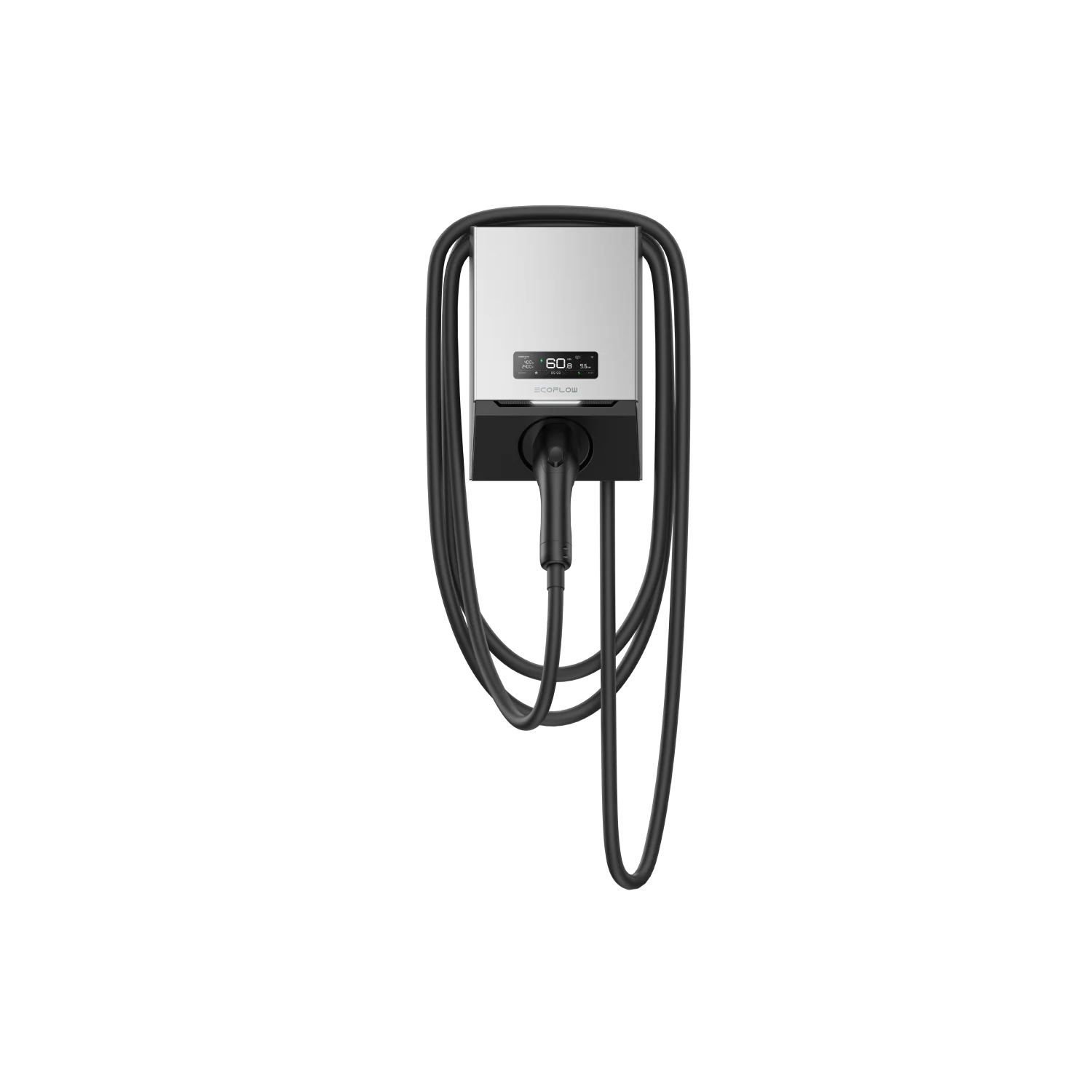
The EcoFlow Power Pulse EV Charger pairs with the EcoFlow Smart Home Panel 2 and EcoFlow DELTA Pro Ultra for for a plug-and-play experience with minimal setup, helping avoid the need for complex hardwired installation.
Frequently Asked Questions
Are There Rebates for Home EV Chargers in Canada?
While there are no federal-level rebates for home EV chargers in Canada, you may still qualify for rebate programs in your province or territory. British Columbia offers the most extensive rebate program, covering up to 50% of installation costs up to $350. Quebec and Yukon also offer incentives.
Is It Cheaper To Charge an EV at Home in Canada?
Yes, home charging is significantly more cost-effective than public charging. Residential electricity rates are much cheaper per kilowatt-hour than public chargers. While public fast-charging stations may charge your vehicle at quicker rates than a Level 2 charger, charging your vehicle overnight can save you money.
Understanding Incentives Helps Maximize EV Savings
Electric vehicles offer a wide range of benefits, from significantly reduced emissions to lower running costs; however, the upfront costs of EVs are still greater than those of gas-powered vehicles. Recently launched rebate programs aim to make electric vehicles more affordable for Canadians. Understanding which incentives you qualify for ensures you get the best deal on your EV.
Maximize your EV savings by charging at home. The EcoFlow Power Pulse EV Charger offers fast charging to add up to 35 miles of range per hour, meaning you won’t have to rely on overnight charging.