How Canada's Vacant Home Tax Raises Homeownership Costs Across Regions
- What Is Canada’s Vacant Home Tax?
- Who Has to Pay the Vacant Home Tax?
- How Much Does the Vacant Home Tax Cost?
- Why Was the Vacant Home Tax Introduced?
- How Does the Tax Affect Homeowners and Investors?
- How Can Energy Efficiency & Home Power Solutions Reduce Homeownership Costs?
- Frequently Asked Questions
- Rising Homeownership Costs Make Energy Savings More Important Than Ever
Canada’s Vacant Home Tax is reshaping housing markets by discouraging the ownership of underused properties and encouraging more homes to enter active use. The policy is particularly impactful in high-demand cities like Toronto and Vancouver, where limited supply and strong demand have already driven up costs.
While the tax is intended to improve housing availability and reduce speculation, it also introduces new cost pressures for property owners, which can influence pricing behavior and overall affordability.
What Is Canada’s Vacant Home Tax?
Canada’s Vacant Home Tax (VHT) is a policy designed to reduce the number of empty or underused residential properties by charging owners a vacant home tax if their homes are unoccupied for a significant portion of the year. The goal is to increase housing supply in active use and ease affordability pressures in high-demand markets across Canada.
It’s most commonly implemented in major cities such as Toronto and Vancouver, where housing shortages and speculation concerns are most pronounced.
It's worth noting that Canada also has a separate federal Underused Housing Tax (UHT), which operates independently of any provincial or municipal vacant home taxes. Being exempt from one doesn't mean you're exempt from the other.
Who Has to Pay the Vacant Home Tax?
The VHT is generally paid by property owners whose residential homes aren’t occupied for a required period during the year and who don’t qualify for an exemption. This most often includes non-resident owners, investors, or individuals holding secondary properties that sit empty for extended periods across Canada.
In cities where the policy is enforced (like Toronto and Vancouver), owners must typically declare occupancy status annually, and failure to do so can result in the tax being applied by default. Exemptions may apply in cases such as renovations, medical absences, or specific legal circumstances.
Policies like this sit alongside broader housing and fiscal measures, including incentives such as the clean technology investment tax credit, reflecting how taxation is increasingly used to shape both housing supply and economic behavior.
How Much Does the Vacant Home Tax Cost?
The cost of the Vacant Home Tax varies depending on the city and the assessed property value. In many cases, the tax is calculated as a percentage of a home’s value, which means owners of higher-priced properties can face substantial annual charges.
In markets like Vancouver and Toronto, the amount can range from thousands to tens of thousands of dollars per year.
These added costs often influence investment decisions, carrying expenses, and long-term ownership strategies, particularly for owners of secondary or rarely occupied homes.
Many property owners are also exploring financial offsets and incentives, including programs tied to energy efficiency and solar power tax breaks.

Why Was the Vacant Home Tax Introduced?
Canada introduced the VHT to address growing housing shortages and affordability concerns in major real estate markets.
Policymakers aimed to discourage investors and property owners from leaving homes empty while housing demand continued to rise across cities like Toronto and Vancouver. By placing a financial penalty on vacant properties, governments hope to encourage owners to rent, sell, or actively occupy homes.
The policy also reflects broader efforts across Canada to reduce speculation and improve long-term housing affordability.
How Does the Tax Affect Homeowners and Investors?
The Vacant Home Tax can significantly increase the carrying costs of owning residential property, especially for investors or owners of secondary homes that remain unoccupied for long periods.
In high-value housing markets, the added expense may influence decisions about whether to rent, sell, or hold a property long term.
For homeowners, the tax can create additional administrative responsibilities through annual occupancy declarations and compliance requirements.
Investors may also factor these costs into rental pricing, property upgrades, or alternative investments tied to long-term property value.
How Can Energy Efficiency & Home Power Solutions Reduce Homeownership Costs?
Rising housing expenses have pushed many homeowners to look beyond taxes and mortgage rates for ways to reduce long-term ownership costs.
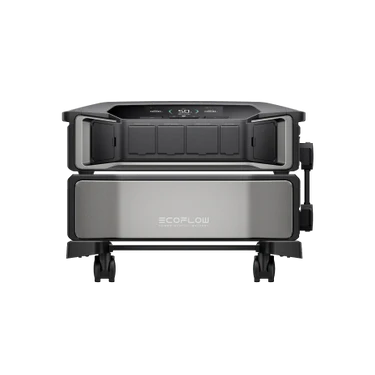
For property owners looking to reduce long-term utility costs and improve resilience, the EcoFlow DELTA Pro Ultra Whole-Home Backup Power System offers expandable whole-home backup with solar integration, reducing grid dependence and protecting against outage-related disruptions.
For a more flexible entry point, the EcoFlow DELTA 3 Classic Portable Power Station provides 1024Wh of portable backup capacity, useful for keeping essentials running and supplementing household energy needs.
Frequently Asked Questions
What Is Considered a Vacant Home in Canada?
A vacant home in Canada is generally a residential property that remains unoccupied for a minimum number of months during the year, depending on local tax rules. Homes that are not used as a primary residence, rented to tenants, or regularly occupied may be classified as vacant and become subject to the tax.
Who Needs to Declare Vacant Home Tax?
Property owners in cities that enforce the policy, including Toronto and Vancouver, are typically required to submit an annual declaration confirming whether their property was occupied or vacant. Even owners who qualify for exemptions usually must still file a declaration to avoid penalties or automatic taxation.
Are There Exemptions to the Vacant Home Tax?
Yes, several exemptions may apply depending on the municipality and the owner’s circumstances. Common exemptions can include major renovations, medical or long-term care absences, legal ownership transfers, or situations where the property cannot be occupied. Rules and eligibility requirements vary across different regions in Canada.
Rising Homeownership Costs Make Energy Savings More Important Than Ever
Rising taxes, housing shortages, and increasing utility expenses are pushing Canadian homeowners to think more strategically about long-term expenses. Investing in home energy solutions is one of the more practical ways to offset those pressures.
Explore EcoFlow's whole-home backup power solutions to find a setup that supports both energy resilience and smarter homeownership.