Bomb Cyclone: What It Is, How It Forms & Canadian Storm Prep Guide
- What Is a Bomb Cyclone?
- How Does a Bomb Cyclone Form?
- Where Are Bomb Cyclones Most Likely to Hit in Canada?
- Why Do Bomb Cyclones Cause Widespread Power Outages?
- How Should You Prepare Your Home Before a Bomb Cyclone?
- What Should You Power First During a Bomb Cyclone Outage?
- Frequently Asked Questions
- Backup Power Helps Canadian Homes Stay Safe Through Bomb Cyclone Outages
A bomb cyclone is a storm that intensifies explosively, sometimes overnight, and along Canada's coasts it can knock out power for days at a time. This guide covers how bomb cyclones form, where they hit hardest across Canada, and how to keep your home running once the grid goes down.
What Is a Bomb Cyclone?
A bomb cyclone undergoes bombogenesis, which is a storm that intensifies explosively as atmospheric pressure drops rapidly over a short window, producing hurricane-force winds and heavy precipitation almost overnight.
Bomb cyclones aren't hurricanes. They're powered by clashing cold and warm air masses rather than warm ocean water, which is why they form during Canada's colder months and can rival a hurricane in wind speed.
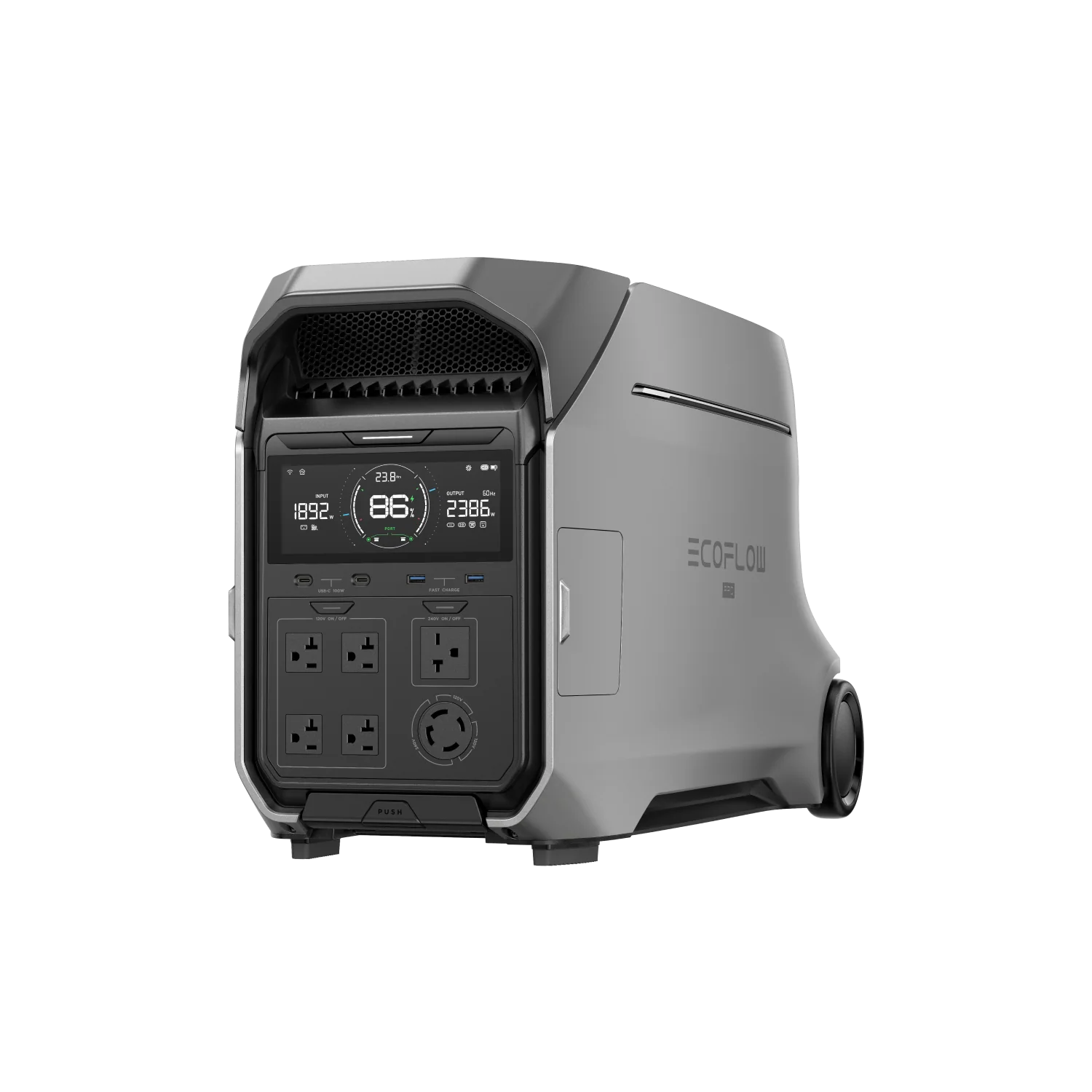
When one of these systems tracks toward your community, the power grid is often the first casualty. Having a reliable backup source, like the EcoFlow DELTA Pro 3 Portable Power Station, on hand means your household isn't left scrambling once the wind picks up.
How Does a Bomb Cyclone Form?
Bombogenesis typically starts when a cold air mass collides with a much warmer one, often where a fast-moving jet stream overlaps with a sharp surface temperature contrast. According to NOAA's bombogenesis threshold, a midlatitude cyclone earns the label when its pressure falls at least 24 millibars in 24 hours, fuelling the tighter, expanding wind field that turns a routine low into one with hurricane-strength gusts within a single day.
That speed is what makes bomb cyclones so disruptive: a storm that looks unremarkable on the morning forecast can knock out power by nightfall.
Where Are Bomb Cyclones Most Likely to Hit in Canada?
Two regions see bomb cyclones more than anywhere else, thanks to geography that puts them squarely in the path of clashing air masses:Two regions see bomb cyclones more than anywhere else, thanks to geography that puts them squarely in the path of clashing air masses:
Atlantic Canada
Atlantic Canada sits where cold air from the Labrador Current meets the warm Gulf Stream, making it one of the most active bomb cyclone zones in the world. Nova Scotia, New Brunswick, Prince Edward Island, and Newfoundland regularly see these storms between fall and early spring.
Post-tropical Storm Fiona showed how severe the fallout can be, leaving 500,000 customers without power across the region in 2022, with some households waiting over a week for restoration. Atlantic Canadians who've weathered thundersnow events in Canada know winter storms here rarely follow a single script.
British Columbia
British Columbia's coast, especially Vancouver Island, faces a different setup: Pacific bomb cyclones that spin up over open ocean and slam ashore with typhoon-strength gusts. In November 2024, one such storm left 300,000 BC Hydro customers without power, snapped trees, and shut down highways and ferry routes.
These storms tend to arrive in late fall and winter, when days are short and temperatures are dropping, turning a prolonged coastal outage into a safety problem fast, not just a comfort one.
Why Do Bomb Cyclones Cause Widespread Power Outages?
The same rapid pressure drop that defines a bomb cyclone also produces sustained winds strong enough to snap branches, topple trees onto power lines, and stress utility poles built for calmer weather. Add heavy rain, wet snow, or ice, and the load on above-ground lines multiplies.
Utility crews often can't safely respond until winds drop, stretching outages from hours into days, especially in rural or heavily forested areas where downed trees block road access. A solid power outage prep checklist built before storm season beats scrambling once the lights go out.
How Should You Prepare Your Home Before a Bomb Cyclone?
Start with the basics: charge phones and backup batteries, fill containers with drinking water, and know how you'll heat at least one room if your furnace depends on grid power. Trim dead branches near your house and secure loose outdoor items that high winds could turn into projectiles.
Because a bomb cyclone can bring wind, rain, heavy snow, or ice depending on the season, comparing a snow storm versus ice storm helps you know which risk to plan for first. Ice adds weight to lines that wind alone doesn't, while heavy snow can keep you homebound even after power returns.
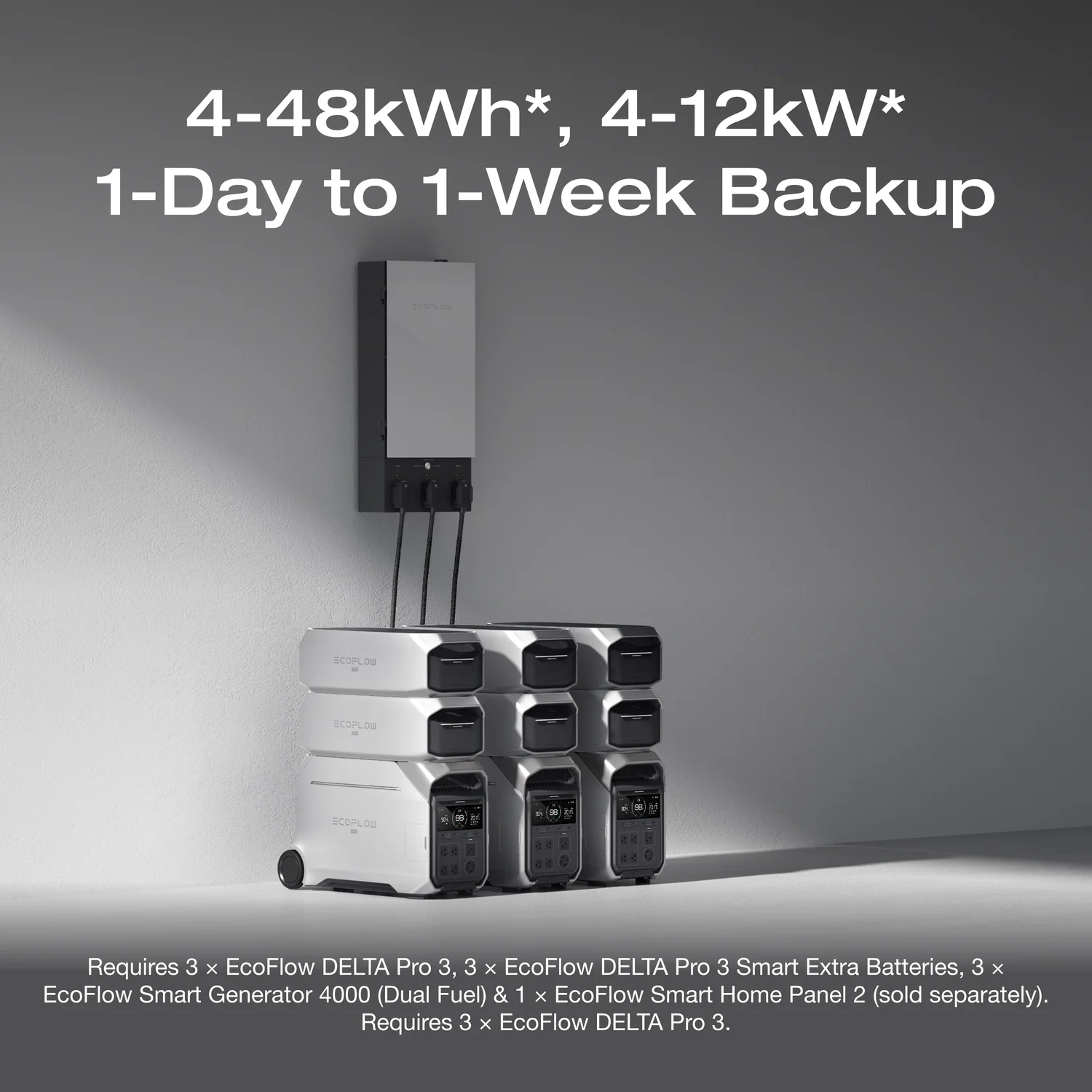
If your home relies on well water, medical equipment, or a sump pump, a whole-home backup power solution is worth planning for ahead of storm season.
What Should You Power First During a Bomb Cyclone Outage?
Not every device needs power at once, and running everything off one source drains it faster than necessary. Prioritize your fridge and freezer, any medical devices, a modem and router, and enough lighting to move safely after dark.
An EcoFlow Solar Generator lets you recharge through the outage instead of running down a single charge, which matters most once an outage stretches past a day or two.
Frequently Asked Questions
Is a Bomb Cyclone the Same as a Hurricane?
No. A bomb cyclone is a cold-core storm that intensifies rapidly when clashing air masses cause its pressure to drop sharply in a short window. A hurricane is a warm-core tropical system fuelled by ocean heat instead. Bomb cyclones can produce hurricane-force winds, but they form differently and typically strike during colder months.
Which Parts of Canada Are Most at Risk From Bomb Cyclones?
Atlantic Canada, including Nova Scotia, New Brunswick, Prince Edward Island, and Newfoundland, sees frequent bomb cyclones from the clash between cold Labrador Current air and the warm Gulf Stream. British Columbia's coast, particularly Vancouver Island, faces Pacific-driven bomb cyclones each fall and winter. Both regions can see destructive winds, flooding, and multi-day power outages.
How Long Can Power Outages Last After a Bomb Cyclone in Canada?
It depends on the storm's severity and how much infrastructure is damaged. Localized outages often resolve within a day, but severe bomb cyclones have knocked out power for a week or longer in hard-hit or rural areas. Downed trees, damaged lines, and limited crew access all extend restoration timelines.
Backup Power Helps Canadian Homes Stay Safe Through Bomb Cyclone Outages
Bomb cyclones form fast and hit hard, leaving Canadian grids from Halifax to Victoria under strain for days at a stretch. Knowing how these storms build and which regions face the highest risk means you're not caught off guard when the barometer starts falling.
The next multi-day outage doesn't have to mean spoiled groceries or a dark house at 5 p.m. Pairing an EcoFlow DELTA Pro 3 Portable Power Station with solar input keeps the essentials running for as long as the storm keeps crews off the lines.