AGM Battery vs Lithium: Which Power Storage Option Is Right for You in Canada?
- What Is an AGM Battery?
- How Does Absorbent Glass Mat Technology Work?
- How Does an AGM Battery Differ From a Flooded Lead-Acid Battery?
- 4 Benefits of an AGM Battery
- Drawbacks to AGM Batteries
- Where Are AGM Batteries Commonly Used in Canada?
- How Do AGM Batteries Perform in Cold Canadian Winters?
- AGM vs. Lithium (LiFePO₄) Batteries: Which Is Right for You?
- Frequently Asked Questions
- Understanding Battery Technology Helps You Choose the Right Power Source for Canadian Conditions
AGM batteries, a high-performance type of lead-acid, have been around for a while now, and they excel in most applications compared to flooded lead-acid models. Learn how they work, their benefits and drawbacks, where they’re used, and how lithium batteries, LiFePO₄ in particular, are increasingly the preferred choice for storage and performance.
What Is an AGM Battery?
AGM stands for “Absorbent Glass Mat," which is a type of lead-acid battery. It was introduced as a performance option for boating and off-roading where depth of discharge (DoD), longevity, vibration resistance, and safety are bigger priorities than budget.
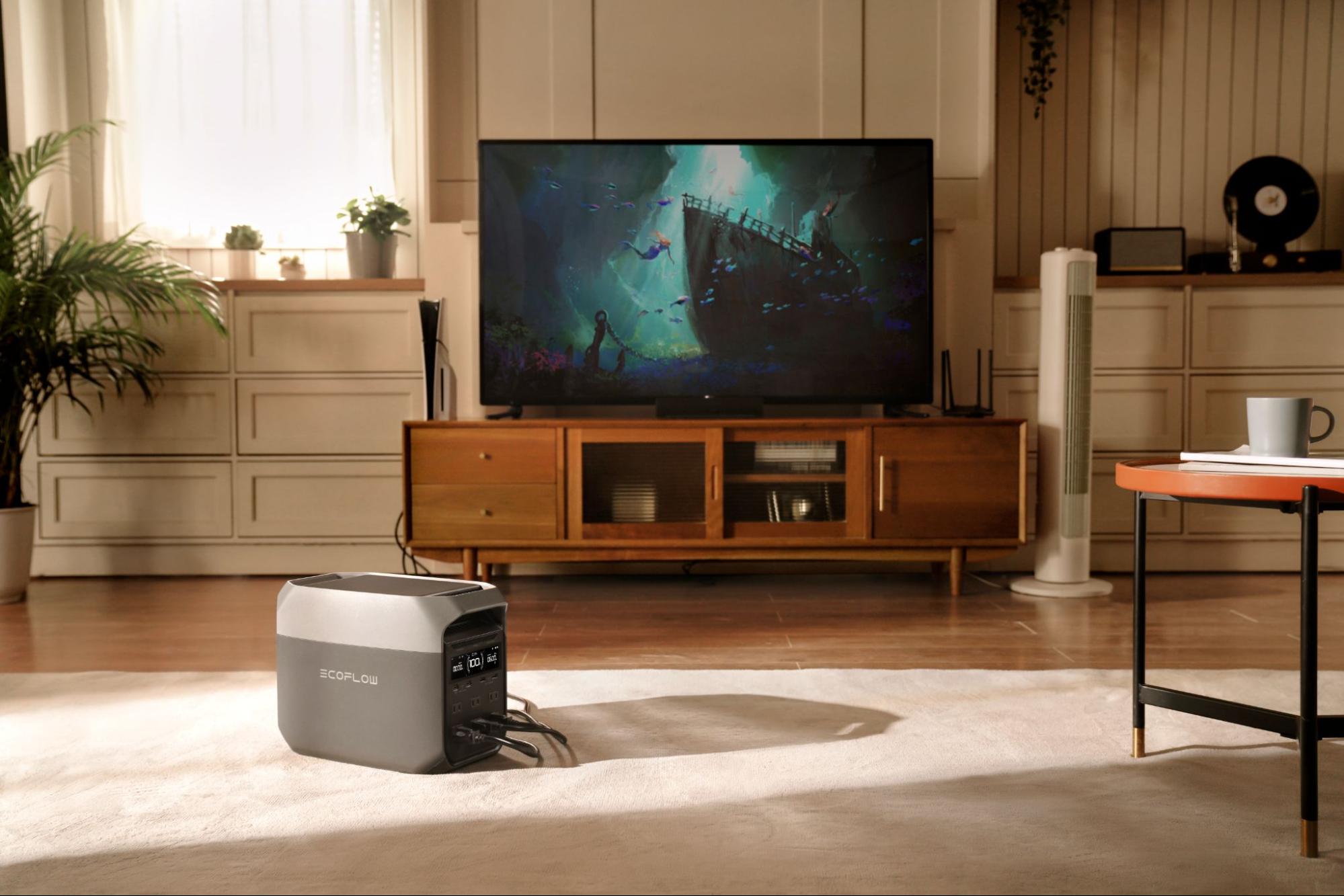
However, as popular as they once were, they’re quickly being replaced by portable power station setups like the EcoFlow DELTA Pro 3 Portable Power Station. These use lithium iron phosphate (LiFePO₄) battery chemistry for their even better safety, DoD, and longevity.
How Does Absorbent Glass Mat Technology Work?
AGMs are rechargeable batteries that work like a regular lead-acid model but use a fibreglass mat between the plates to absorb and hold the electrolytes. This sealed design eliminates or reduces several issues associated with traditional lead batteries.
LiFePO₄ batteries provide an even more stable and much longer-lasting power source. While AGMs typically provide 300 to 800 charging cycles, a quality LiFePO₄ battery can be charged 3000+ times.
How Does an AGM Battery Differ From a Flooded Lead-Acid Battery?
While both models rely on the same lead-acid battery chemistry, their primary difference lies in how the electrolyte is contained. In "flooded" lead-acid models, the lead plates sit submerged in a liquid electrolyte.
In AGM batteries, a glass mat separates the plates and absorbs the electrolyte instead. This reduces the need for maintenance and enhances safety, performance, and durability.
4 Benefits of an AGM Battery
AGM batteries earned their popularity by improving on several weak points of traditional flooded lead-acid models:
Greater DoD than flooded models, even though they still typically only achieve ~50%.
Better vibration and shock resistance than traditional lead-acid models.
Lower self-discharge rate in storage.
Better longevity than flooded models.
Drawbacks to AGM Batteries
Despite those advantages, AGM batteries still carry some of the same limitations as other lead-acid technology:
They tend to be very heavy, using lead plates and dense glass mats.
Their depth of discharge cannot compete with modern LiFePO4 batteries.
They still usually have only about 500 charging cycles (3–5 years).
They’re sensitive to overcharging that can permanently damage the electrolyte, which cannot be replenished because it’s sealed.
Where Are AGM Batteries Commonly Used in Canada?
Vehicles and RVs
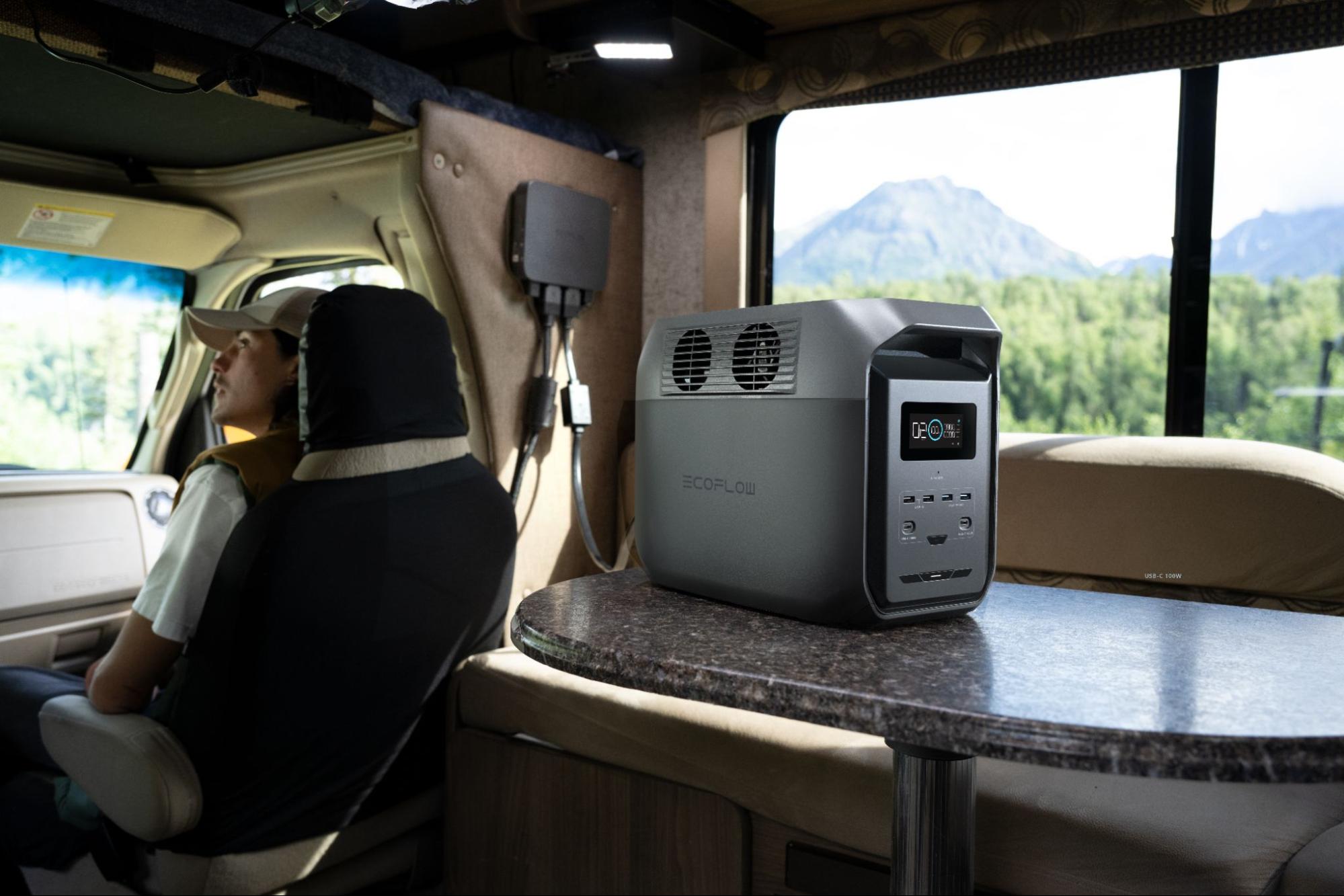
Standard on-road vehicles have always used flooded lead-acid models for their affordability, but AGM batteries are used in off-road vehicles for their safety and performance and in RVs for better DoD. Still, LiFePO₄ is quickly taking over in the off-road vehicle and RV use categories.
Marine and Off-Grid Cabins
Before lithium, AGMs were considered the best boat batteries for their vibration resistance, even though they are very heavy. They were also used in off-grid cabins for their better DoD. However, in both cases, they cannot compete with LiFePO₄, which has vibration resistance, a better DoD, a slower self-discharge rate, and weighs far less.
Backup and Emergency Power
For emergency power and whole home backup power solutions, Canadians used to rely on noisy, dangerous gas generators or deep-cycle lead-acid batteries more so than AGM. But LiFePO₄ has rapidly emerged as the industry gold standard for home backup solutions.
All of EcoFlow home backups and portable power stations use LiFePO4 technology.
How Do AGM Batteries Perform in Cold Canadian Winters?
While AGMs are better in cold Canadian winters than their predecessors thanks to their sealed glass mat that prevents the electrolyte from freezing, they still face higher internal resistance in sub-zero temperatures. This reduces their cranking power and their capacity, which could leave your battery dead in the cold at the worst possible time.
AGM vs. Lithium (LiFePO₄) Batteries: Which Is Right for You?
If you want a longer lifespan, greater safety, and better efficiency, LiFePO₄ is the best choice. They typically have 3–5 times more charging cycles, slower self-discharge, no risk of spills or emissions, and are safe for marine and off-road use. They have a DoD of between 95 and 100%, and perform far better when used in subzero temperatures.
The only caveat is that you cannot charge LiFePO₄ in subzero temperatures even though you can discharge (use) it. But this doesn’t mean AGM is the winner, because manufacturers still recommend warming the battery first in subzero temperatures, as you would with lithium.
Frequently Asked Questions
How Long Do AGM Batteries Last?
AGM batteries typically last about 3–5 years with regular use, but they can last longer if they’re never discharged below 50%. Still, they rarely reach the 10+ year lifespan of LiFePO4.
Can You Charge an AGM Battery with a Regular Charger?
No, you will need a charger with a charging option set to “AGM.” If you try to use a regular flooded lead-acid battery charger, it can result in overcharging and permanent damage.
Are AGM Batteries Better Than Lithium for Cold Weather?
Not necessarily. Lithium iron phosphate performs better in the cold when discharging (using) with less reduction in performance and capacity, but it cannot be charged below freezing. AGM batteries don’t perform well in cold weather, but they can be charged slightly below freezing, even though manufacturers typically don’t recommend it.
Is an AGM Battery Worth It for Off-Grid Power in Canada?
Generally no. AGM batteries don’t have a good enough depth of discharge (only about 50%) or last long enough (only 3–5 years) for off-grid power. For that, you need lithium iron phosphate, which has a depth of discharge of 95–100% and lasts 10+ years.
Understanding Battery Technology Helps You Choose the Right Power Source for Canadian Conditions
Understanding the different types of technologies out there, their chemistry, their depth of discharge, their performance, and their longevity is crucial to choosing the right power source.
While AGM was a popular Canadian choice since it excelled over flooded lead-acid models, it has rapidly been replaced in all areas (safety, performance, depth of discharge, longevity, and more) by modern LiFePO₄ batteries.
If you want your boating experience, your RV trip, or your off-road adventure to stay powered up, choose quality portable power stations that use LiFePO₄ technology.