Toronto & Vancouver Vacant Home Tax 2026: Stricter Rules for Snowbirds
- What Is a Vacant Home Tax & Why It Matters
- Toronto Vacant Home Tax 2026 – Key Rules
- Vancouver Empty Homes Tax (EHT) 2026 – What You Need to Know
- Practical Advice for Seasonal Homeowners
- Frequently Asked Questions
- Strict Occupancy Rules Require Seasonal Homeowners to Plan Ahead in Toronto and Vancouver
Snowbirds in Toronto and Vancouver are facing stricter vacant home tax rules in 2026. Toronto's rate has increased, while Vancouver's rate remains unchanged. Seasonal homeowners in both locations must understand the specific occupancy requirements.
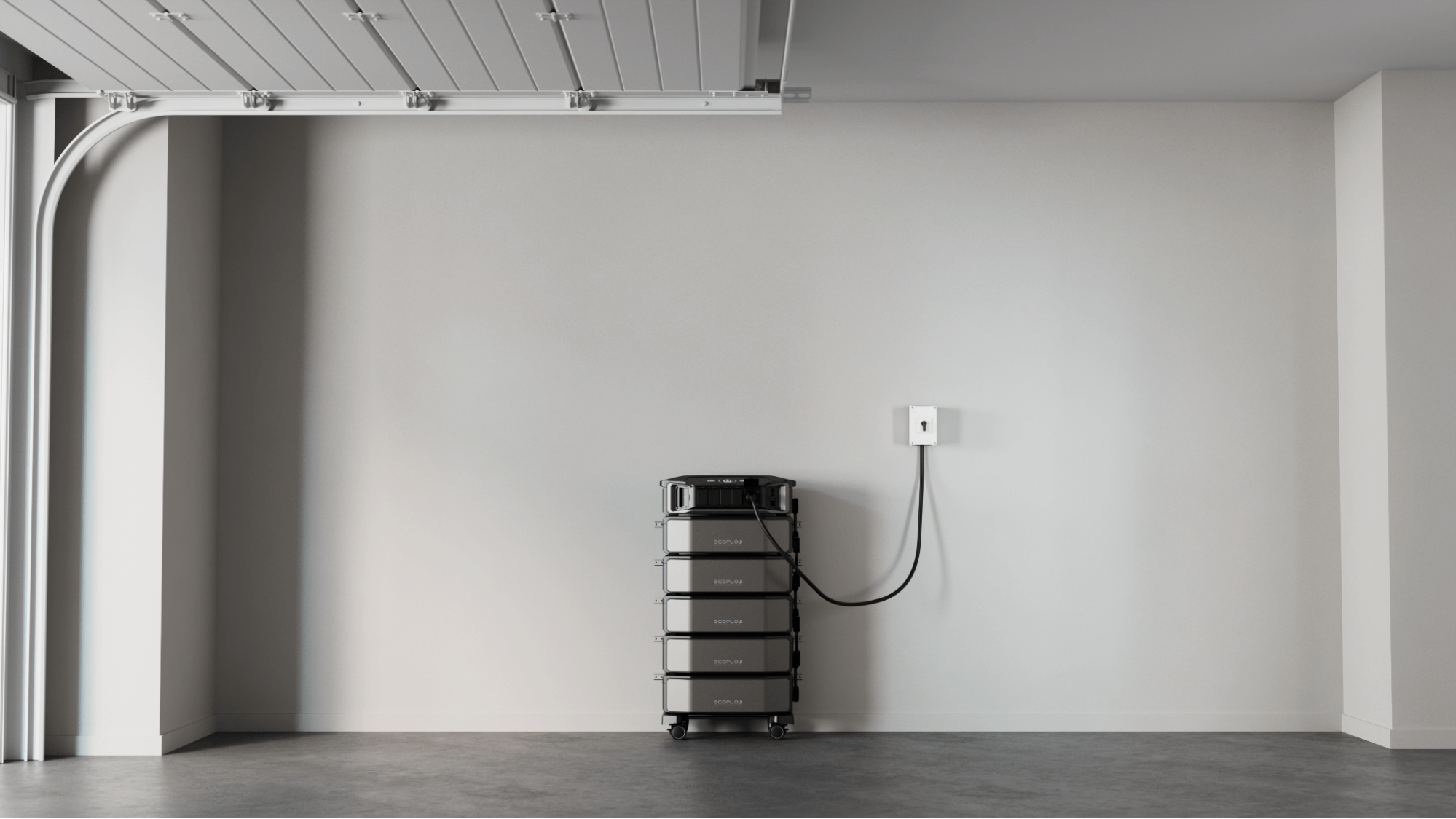
Here's what you need to know about both cities' vacant home taxes for 2026, plus practical tips for seasonal homeowners. We’ll also cover how to harness the EcoFlow DELTA Pro Series to help you save on bills while your home is empty.
What Is a Vacant Home Tax & Why It Matters
Municipalities charge the vacant home tax to discourage property speculation and increase housing supply. Both Toronto and Vancouver have vacant home tax programs in place and require property status declarations from any residential property owners each year.
Toronto's program aims to address its local housing shortage by encouraging owners to occupy, rent, or sell their residential spaces. Vancouver's program started in 2017 to make housing more affordable and available.
The tax applies to any property left unoccupied for 6 months or more in each calendar year. The revenue from these taxes is returned to the local community, directly supporting affordable housing programs and other municipal housing initiatives.
Toronto Vacant Home Tax 2026 – Key Rules
The big story is that Toronto's Vacant Home Tax jumped from 1% to 3% for 2026. That effectively tripled the taxes seasonal homeowners in Toronto will pay if their house remains unoccupied for more than six months each year. If that's you, you'll need to declare your property's 2025 occupancy status by April 30, 2026.
To be exempt from this tax, you'll need to occupy the home as your principal residence for more than six months total in the calendar year. This doesn't have to be six months consistently, rather six months cumulatively.
If you're looking for ways to get around this, be careful. If you're found to have reported a false declaration, you may face fines up to $10,000 plus the tax payment owed. Using a whole-home battery backup system to keep the lights and AC running and present the illusion of residency while you’re gone is insufficient to meet occupancy requirements.
The vacant home tax payments are due in three instalments throughout the year: September 15, October 15, and November 16, 2026. Any overdue amounts will incur a 1.25% monthly interest charge.
Vancouver Empty Homes Tax (EHT) 2026 – What You Need to Know
As for Vancouver's Empty Home Tax, residents face a 3% tax on the 2025 assessed value of any property deemed empty.
To qualify for the principal residence exemption, you'll need to occupy the dwelling for more than six months of the reference year. Another exemption through rental requires tenant occupancy for at least 6 months total. If you plan to use the construction/renovation exemption, you'll need to prove that major work necessitated your six-month vacancy.
No automatic exemptions are available without your annual declaration filing. The declaration deadline for the 2025 reference year is February 3, 2026, and the payment (if tax is owed) is due April 16, 2026.
Practical Advice for Seasonal Homeowners
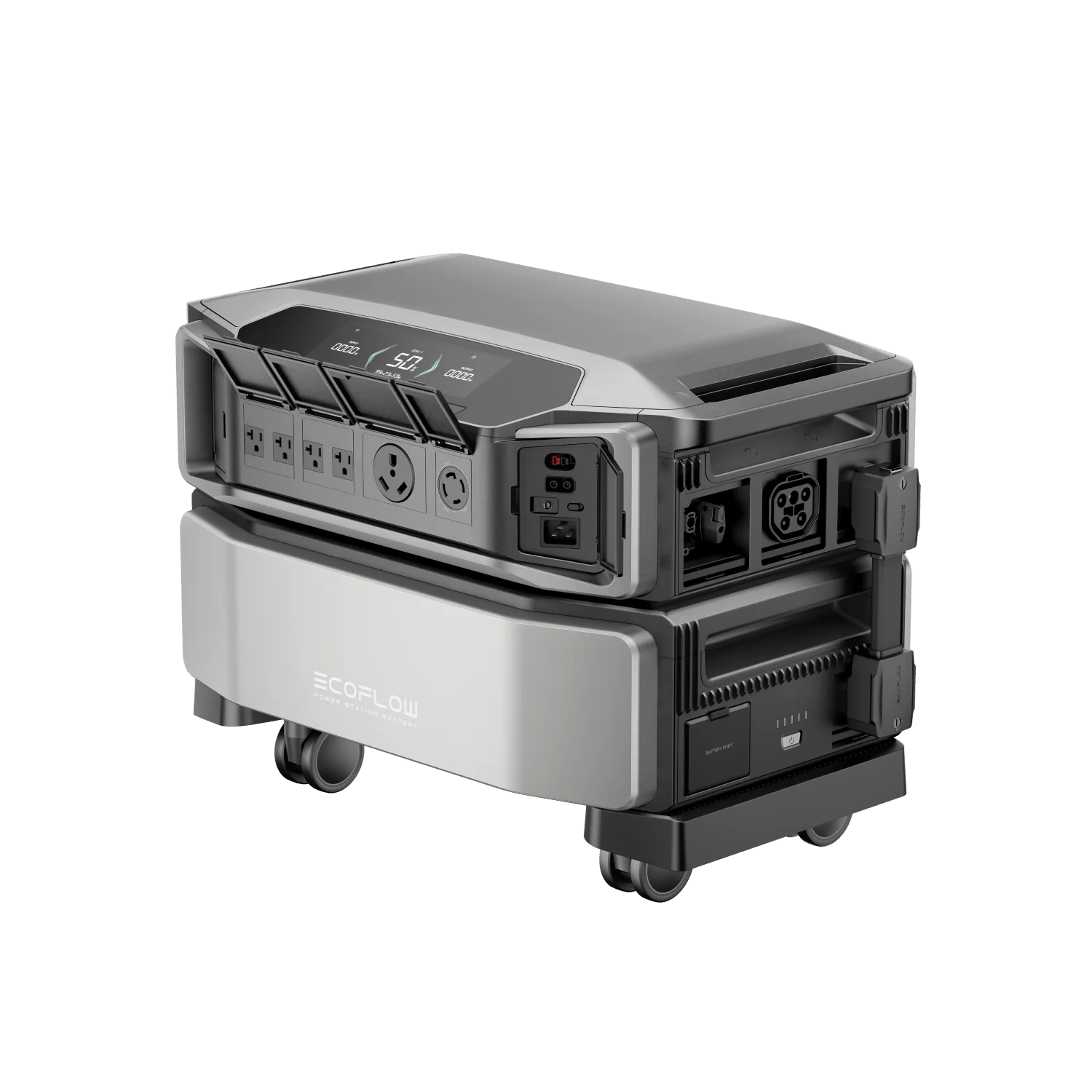
Pair Power Backup with Solar for Winter Absences — If you need reliable backup power for security systems or essential heating or lighting, consider using power backups such as the EcoFlow DELTA Pro Ultra to avoid drawing grid power the entire time. When paired with solar panels, it can maintain power indefinitely.
Prevent Moisture and Mould During Closure — Wet winters in Toronto and Vancouver can create serious moisture problems if your home is unoccupied. Use dehumidifiers and moisture-absorbing products to maintain low humidity levels.
Partial Winterization — Complete pipe draining might not always be possible if your seasonal home has complex systems, but you can use a home backup generator to maintain minimal heating, at least in mechanical rooms, to protect delicate ductwork and machinery.
Set Up Security and Remote Monitoring — If you won't be at your home, it's smart to have security systems as an extra layer of protection. You can use a whole-home generator to power these systems. You may also want to arrange for local property checks and establish emergency contacts.
Meet Insurance and Documentation Requirements — Many insurers will require seasonal property owners to adhere to specific winterization steps. Document all of your shutdown procedures with detailed checklists and photos. Maintain minimum heating levels as specified in your policy.
Prepare for Spring Reactivation — When you get back to your property in the spring, create a comprehensive checklist to restore water, electrical, and heating systems. Schedule professional inspections to assess for winter damage, and test and recharge your home backup generator before the next winter season.
Consider Subleasing When You’re Gone — If you want to avoid the Vancouver Vacant Home Tax, consider renting your home during the periods you're gone. You can make extra income, pay less in taxes, and have someone keeping an eye on your property and letting you know if any issues arise.
Frequently Asked Questions
How Much Is the Toronto Vacant Home Tax in 2026?
The Toronto Vacant Home Tax for 2026 is 3% of the property's current value assessment if your home is vacant for over six months. For example, a property with a $1 million assessed value faces a $30,000 annual tax if deemed vacant.
How Much Is the Vancouver Empty Homes Tax?
The Vancouver Vacant Home Tax is 3% of the property's assessed taxable value. This is separate from provincial BC speculation and vacancy tax requirements. The tax is due in a single annual payment on April 16, 2026, if applicable.
Strict Occupancy Rules Require Seasonal Homeowners to Plan Ahead in Toronto and Vancouver
Both Vancouver and Toronto enforce strict occupancy requirements and leverage empty homes taxes to discourage property speculation and increase the local housing supply.
Seasonal homeowners must plan ahead to meet the six-month occupancy thresholds or find tenants to occupy their residence in their absence. A few other exemptions are available, but don't try to outsmart this exemption. Using backup power like the EcoFlow DELTA Pro Series is smart for running essential appliances while you’re away, but that alone isn't enough to evade the tax.
Prepare early and document all your winterization efforts to avoid costly tax assessments. Otherwise, understand what your tax liability will be for leaving your home vacant for six months or more each year.