Camping in Saskatchewan 2026: Prairie Parks and Dark Skies
- Why Is Saskatchewan a Top Destination for Prairie Camping and Dark Skies?
- What Are the Best Parks for Camping in Saskatchewan?
- What Makes Saskatchewan's Dark Sky Preserves Worth the Trip?
- What Power Challenges Do Stargazers and Prairie Campers Face?
- How Do Portable Power Stations Support Night Photography and Astronomy Gear?
- Frequently Asked Questions
- Reliable Power Keeps Your Prairie Adventure Running From Sunset to Sunrise
Saskatchewan's prairies stretch under some of the darkest skies in North America, where wide-open grassland meets astronomy-grade stargazing. In 2026, campers are drawn here for two reasons: uncrowded provincial parks and Dark Sky Preserves that reveal the Milky Way in full detail. Between long summer days and star-filled nights, keeping your gear charged on the open prairie takes some planning.
Why Is Saskatchewan a Top Destination for Prairie Camping and Dark Skies?
Saskatchewan earned its nickname, the "Land of Living Skies," honestly. Long, flat sightlines and low population density mean there's little artificial light standing between you and the stars once you're outside the cities.
Grasslands National Park sits at Bortle Class 1, the darkest rating on the light-pollution scale, with sky quality that lets observers see the Milky Way as a solid band rather than a faint smudge.
That kind of darkness draws a specific crowd: photographers chasing Milky Way shots, amateur astronomers hauling telescopes, and campers who just want a clear night sky without a glow on the horizon.
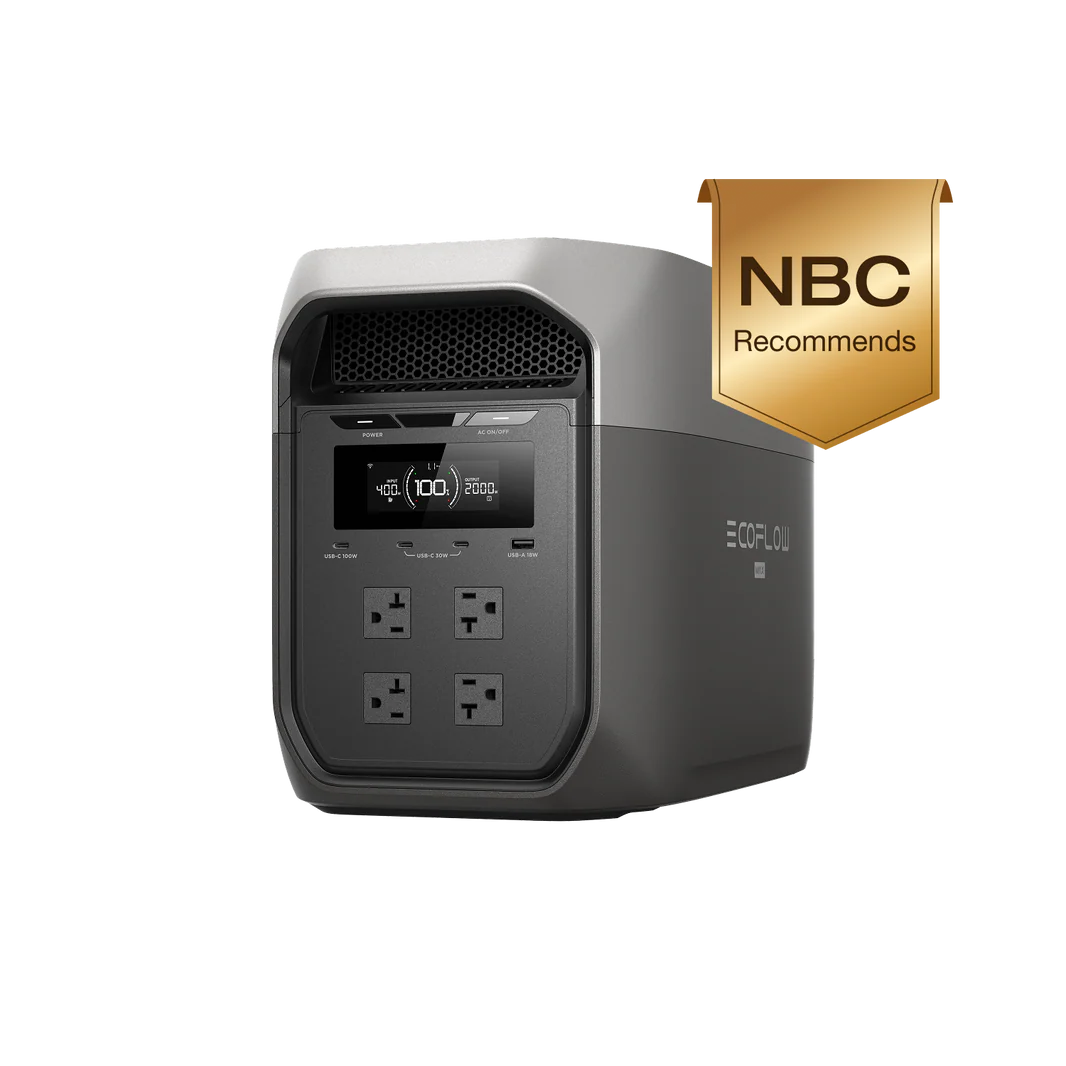
Many photographers now pack a portable power station, like the EcoFlow DELTA 3 Max (2048Wh), to keep cameras, laptops, and star trackers charged through multi-night shoots without hunting for an outlet.
What Are the Best Parks for Camping in Saskatchewan?
A handful of parks cover most of what draws campers to the province:
Grasslands National Park: Canada's only true prairie national park, split into an East and West Block connected by roughly 90 minutes of driving. Frenchman Valley and Rock Creek campgrounds sit inside the Dark Sky Preserve and are car-accessible for stargazing.
Cypress Hills Interprovincial Park: Forested hills rising above the surrounding plains, with its own dark sky designation and an amateur observatory open by appointment.
Lac La Ronge Provincial Park: Close to 100 lakes and more than 30 canoe routes in the boreal north, though the Wadin Bay campground remains closed for the 2026 season for wildfire damage restoration.
Narrow Hills Provincial Park: Rolling, forested terrain popular for hiking and paddling; the Gem Lakes campground is also closed for 2026 while it recovers from wildfire damage.
Remote, exposed campsites aren't unique to the prairies. The same holds two provinces over, where cold nights and limited services make Abraham Lake camping trips just as power-dependent, and boreal campers face a similar tradeoff further east, where camping in Ontario often means packing enough charge for days between towns.
What Makes Saskatchewan's Dark Sky Preserves Worth the Trip?
Grasslands became a designated Dark Sky Preserve in 2009, and Cypress Hills holds a similar designation covering tens of thousands of hectares. Neither park sits near a city of any size, so there's no orange glow on the horizon competing with the sky.
On a clear, moonless night, the Milky Way is bright enough to cast a faint shadow. Seasonal star parties in both the East and West Blocks of Grasslands bring out telescopes and local astronomers, and even a short walk from your tent to a day-use area is usually enough for a clear view.
What Power Challenges Do Stargazers and Prairie Campers Face?
The same darkness that makes these parks worth visiting also means there's no infrastructure nearby. Grasslands' campgrounds have no shore power, cell service disappears for long stretches once you're past Val Marie, and the nearest towns with fuel or groceries can be an hour or more away.
Cold weather cuts battery capacity fast too, a challenge familiar to anyone who's tried winter camping in Ontario with electronics in sub-zero temps, and prairie nights can dip well below freezing even in shoulder-season months.
Add a camera running a multi-hour timelapse, a telescope tracker, a laptop for editing, and a phone you're relying on for navigation, and a single power bank runs out fast.
How Do Portable Power Stations Support Night Photography and Astronomy Gear?
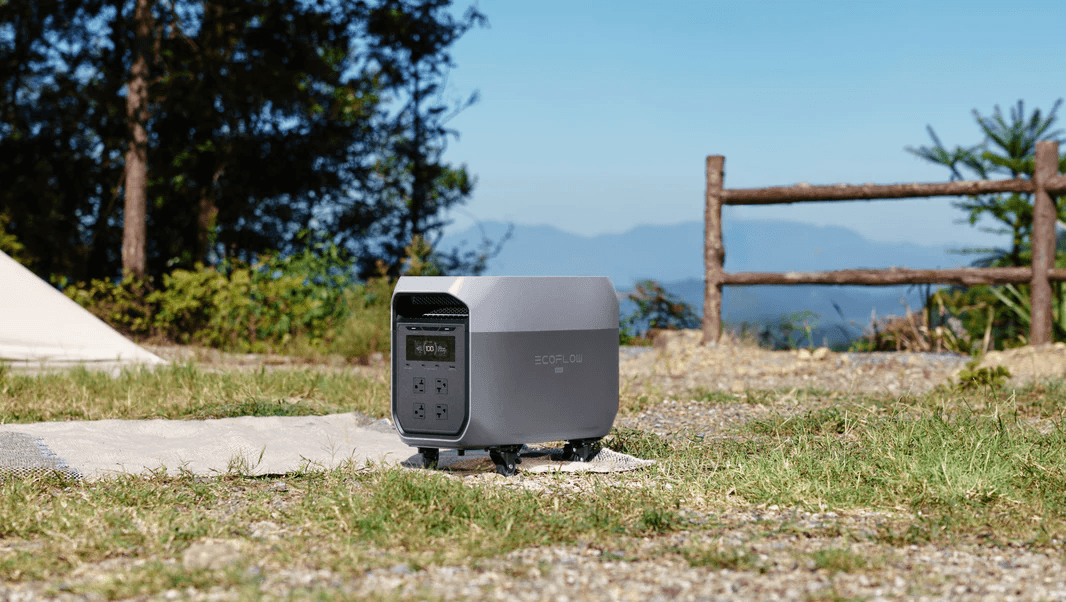
A portable power station solves most of that in one box. The EcoFlow DELTA 3 Max (2048Wh) holds enough capacity to run a camera, a laptop, a dew heater for your telescope lens, and a string of camp lights through an entire overnight shoot, then recharge the next day.
Its automotive-grade LFP cells are built for repeated deep cycles, so nightly charging and discharging over a multi-day trip doesn't wear the battery down the way cheaper cells would. At 25dB under load, it's quiet enough to sit next to your setup without adding hum to a video recording or disturbing anyone else's stargazing.
Solar charging through an EcoFlow panel means you can top it back up during the day using nothing but prairie sun, which matters most at sites furthest from a wall outlet.
Frequently Asked Questions
When Should You Book a Saskatchewan Provincial Park Campsite for 2026?
Seasonal campsite bookings opened April 13, 2026, with nightly, yurt, and group sites launching on staggered dates through the following week. Popular parks like Lac La Ronge and Cypress Hills tend to fill fast for peak summer weekends, so booking as close to the opening date as possible gives you the best shot at your preferred site and dates.
Which Saskatchewan Campgrounds Are Closed Due to Wildfire Damage?
The Gem Lakes campground in Narrow Hills Provincial Park and the Wadin Bay campground in Lac La Ronge Provincial Park are both closed for the 2026 season for wildfire damage restoration. All other campgrounds and day-use areas at both parks remain open. Check current park alerts before you travel, since conditions can shift with fire activity.
Do You Need Cell Service to Camp in Saskatchewan's Dark Sky Preserves?
No, and that's part of the appeal. Cell service is spotty to nonexistent through much of Grasslands and Cypress Hills, which is exactly what keeps light and signal interference low enough for serious stargazing. Download offline maps, tell someone your route and return time, and treat a charged power source as your backup for navigation and emergencies rather than relying on a signal.
Reliable Power Keeps Your Prairie Adventure Running From Sunset to Sunrise
A clear night at Grasslands or Cypress Hills is worth planning around, and the power behind your camera, telescope, or laptop shouldn't be the thing that cuts the session short. Pack a station sized for a full night of shooting, not just a phone top-up, and you'll get more usable hours under the Milky Way than battery anxiety.
If your setup runs heavier gear, longer sessions, or overnight timelapses, the EcoFlow DELTA 3 Max (2048Wh) gives you the capacity and quiet operation to stay out until the sky starts to lighten.