Cabin Camping: A Complete Guide to Cozy Outdoor Stays
- What Is Cabin Camping and Why Is It Popular in Canada?
- What Types of Cabin Camping Experiences Are Available in Canada?
- How Much Does Cabin Camping Cost in Canada?
- How Do You Plan a Successful Cabin Camping Trip?
- What Should You Bring for Cabin Camping?
- Where Are the Best Cabin Camping Destinations in Canada?
- Conclusion
- FAQs
Cabin camping sits between traditional tent camping and a conventional hotel stay. Trails during the day, campfires in the evening, and a comfortable mattress at night, all under a roof that actually keeps the weather out. For families, new campers, or anyone tired of waking up in a puddled tent, cabin campgrounds offer a balance between comfort and outdoor experience. This guide walks through the essentials, picking the right setup, planning the trip, and handling power and gear when outlets are few and far between.
What Is Cabin Camping and Why Is It Popular in Canada?
Instead of thin nylon walls, cabin camping gives you proper shelter, a log hut, a park cabin, or a wooden structure tucked into the trees. Canadian weather can change quickly. A solid shelter can make outdoor stays more comfortable and predictable.
Combining Nature and Indoor Comfort
Cabins drop you right into the forest, minus the mud floor and flapping tent walls.After a full day of paddling or hiking, a dry spot is waiting for you to pull off your boots and warm up. And when sunset hits or the weather turns nasty, dinner gets cooked without rain sneaking down your neck, and sleep doesn’t come with the dread of a soggy sleeping bag.
Cabin Camping vs. Traditional Camping
| Feature | Cabin Camping | Traditional Tent Camping |
|---|---|---|
| Setup Time | Unpack and you're done | Pitch, stake, organize |
| Weather Protection | Solid shelter from rain, wind, and cold | At the mercy of changing weather |
| Sleeping Gear | Built-in bunks, bed frames, or mattresses | Foam pads or cots on the ground |
| Storage | Ample space for coolers, packs, wet gear | Cramped vestibules at best |
Suitable for Different Types of Travelers
Choosing cabins at camp works well for almost any group setup. Parents of toddlers sleep easier knowing little ones aren’t going to wander off into the dark. Older campers appreciate actual beds instead of waking up stiff from a foam pad on hard ground. On top of that, splitting a multi-room cabin among a few friends keeps overall travel costs low.
A Comfortable Choice Across Different Seasons
Heated park cabins open up winter possibilities, snowshoeing, ice fishing, winter hikes, without some of the cold-weather challenges of tent camping. Summer brings its own perks: a cool, shaded retreat from bugs and sticky humidity. During shoulder seasons like May or October, adding a compact solar generator to your camping setup can provide extra flexibility, helping keep devices powered when rain or slush changes your plans.
What Types of Cabin Camping Experiences Are Available in Canada?
Canada is full of incredible places to camp with cabins, offered by provincial parks, national operators, and private landowners across the country. What you pick comes down to how much comfort you want and how far off the grid you feel like going.
Rustic Cabins for Wilderness Experiences
These are simple, basic setups. Think wooden bunks, a table, maybe a wood stove to knock the chill out of the air at night. Many rustic cabins don’t have running water or power outlets, so packing looks a lot like a tent trip, the main difference is you’ve got actual walls and a roof that doesn’t leak.
Modern Cabins With Extra Comfort
Step up to a modern unit and things change. Electric heat, lights, outlets, standard stuff. Move up a tier and suddenly there’s a kitchenette, mini-fridge, maybe a hot plate. Top-tier options come with bathrooms, flush toilets, and showers. The nightly rate climbs, but so does the convenience.
Lakeside Cabins for Relaxing Getaways
There’s a reason waterfront cabins are a Canadian classic. Steps from the water, they make morning swims, afternoon paddles, and evening fishing trips effortless. Some even have a private dock or canoe launch right out front.
Off-Grid Cabins for Remote Escapes
Deep in the backcountry, far from roads and crowds, Off-grid cabin living offers a completely different experience. Getting there takes effort, hiking, paddling, snowshoeing, or bouncing down logging roads on an ATV. The payoff is complete quiet, dark skies perfect for stargazing, and uninterrupted wilderness right outside your window.
How Much Does Cabin Camping Cost in Canada?
Nightly rates swing pretty widely, it all depends on location, what’s included inside, and the time of year.
Cabin Rental Prices by Location and Season
| Cabin Type | Typical Nightly Price Range (CAD) | Popular Booking Season |
|---|---|---|
| Rustic / Backcountry Cabins | $70 to $150 | Summer and fall, varies by location |
| Provincial Park Cabins | $100 to $200 | May through October |
| Modern / Heated Cabins | $150 to $300+ | Winter holidays and peak seasons |
| Private Resort Cabins | $250 to $600+ | July and August |
Note: Prices shift depending on site features, park systems, and season. Always verify current rates before locking in your dates
Additional Costs to Consider
The nightly rate covers the cabin, but it’s not the whole picture. Park entry fees add up. Firewood from the gate costs more than you’d think. Then there’s gas for the drive, and rentals if you’re planning to paddle or snowshoe. All of it sneaks into the budget if you’re not paying attention.
Ways to Save Money on Cabin Trips
Weekday stays, Monday through Thursday, usually come cheaper than weekend nights. Shoulder months like late April, May, or November drop prices and open up availability in a big way. Splitting a larger multi-bed cabin among a few friends cuts the per-person cost dramatically. Skipping high-traffic national parks like Banff, Jasper, or Algonquin in favor of regional sites also keeps fees low. A little flexibility on dates and destinations goes a long way.
How Do You Plan a Successful Cabin Camping Trip?
A solid roof means no wrestling with tent poles in the rain. But logistics can still trip you up if you’re not paying attention. Get the food, the route, and the campsite details sorted before you leave, a little planning upfront keeps small problems from becoming avoidable problems.
Choose the Right Cabin and Season
Match the cabin to the group. If you reserve a rustic hut with a wood stove, make sure someone actually knows how to build and tend a fire safely. To avoid getting eaten alive by blackflies or mosquitoes, stay away from swampy lowlands during peak bug hatches in June. Whenever you start searching for cabin camping near me to plan a quick weekend getaway, filter your results by driving distance so you spend less time behind the wheel and more time unwinding.
Plan Your Transportation and Route
Road conditions are an important factor when planning a cabin trip. Remote routes, especially unpaved logging tracks, can turn into rutted messes after summer storms. High-clearance vehicles help, and so does a good set of tires. Winter changes things. Snow tires are a must, and a recovery kit in the trunk is one of those things you’re glad you packed when road conditions become challenging. Signal drops fast once you’re outside town limits, so load up offline maps while you’ve got bars. GPS may not work reliably without offline maps or signal coverage. Paper maps aren’t a bad backup either.
Book Your Cabin and Check Facilities
Popular park cabins go fast, sometimes within minutes of reservations opening. Reservation windows open and close fast. Find out the date and time, mark it, and don’t procrastinate. Dig into the details, does the cabin have potable water or are you hauling your own jugs? Check the bunks before you assume anything, vinyl mattresses or bare boards? That detail can significantly affect sleeping comfort.
Plan Meals Before Your Trip
Prepare your food at home to save time at the site. Chop, marinate, seal it up. One-pot meals like chili or pasta keep things easy and leave you with less cleanup and more time around the fire.
What Should You Bring for Cabin Camping?
Packing for a cabin stay is all about balance. Treat your camping checklist like a tent trip, just with a solid basecamp instead of lugging everything on your back. Bring what you need, leave what you don’t. The goal is to be prepared without overpacking, since cabins often provide basic shelter and sleeping space.
Outdoor Essentials and Comfort Gear
First Aid & Sun Protection: Bring essential supplies for minor injuries and sun exposure.
Kitchen Tools: Bring your own kitchen gear, including a knife, cutting board, tongs, trash bags, and paper towels. Available amenities vary by location.
Cabin Entertainment: Pack something to do indoors, cards, a game, a book. When the weather turns, you’ll be glad you did.
Hands-Free Lighting: Headlamps and flashlights are essential for navigating around the cabin after dark. Pack extra batteries too.
Backup Power Solutions
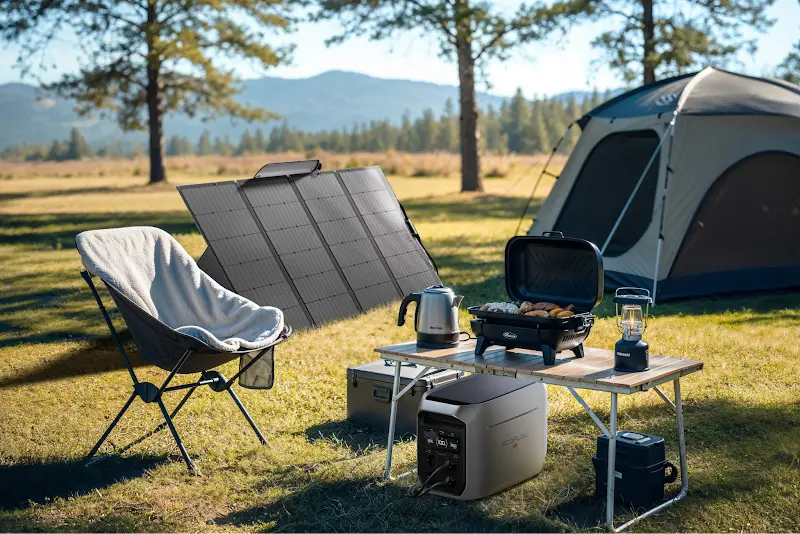
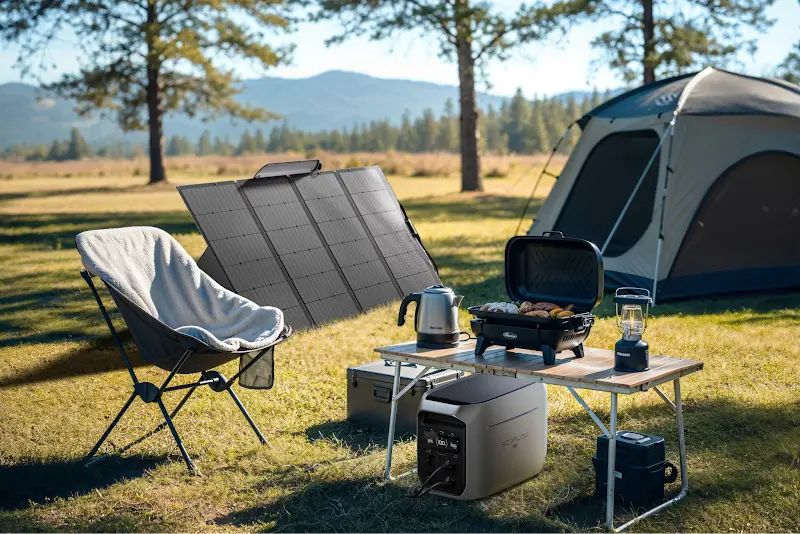
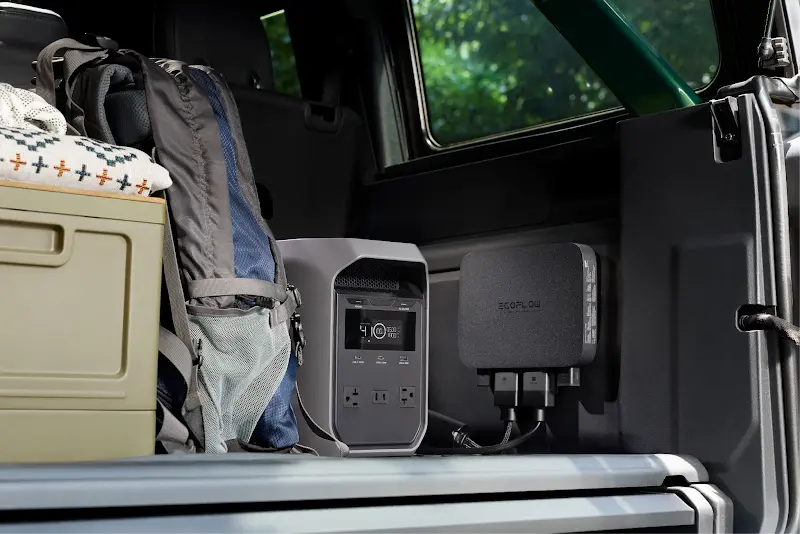
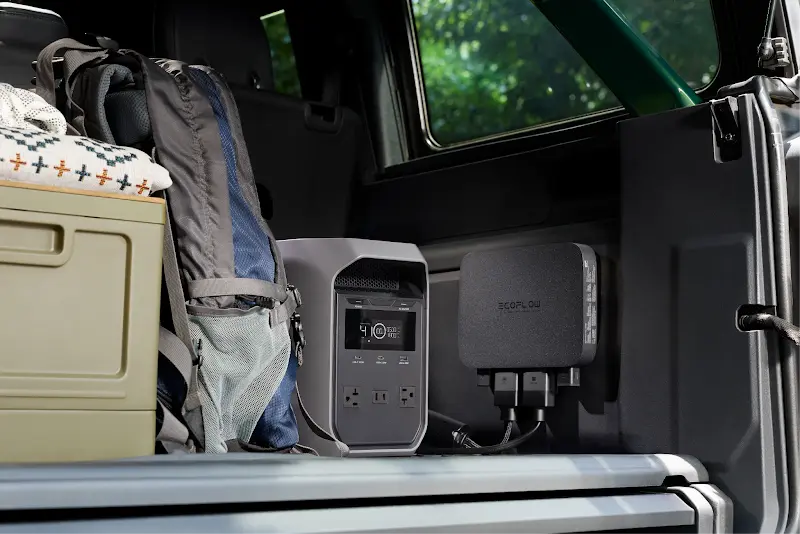
Outlets aren’t a given. Without one, a portable power station can help provide additional charging options. Keeps the lights on and devices going. Easy to overlook until you’re stuck without it.
Short Getaways and Partially Off-Grid Cabins
For shorter trips, the EcoFlow DELTA 3 Classic Portable Power Station offers a compact backup power option that fits easily into your gear setup. A weekend at a rustic cabin with limited or no access to electricity can still be comfortable with a reliable power source. This unit can support basic off-grid needs: phones stay charged for maps and photos, LED lanterns keep the cabin area lit after dark, and small electronics like cameras or portable speakers run smoothly. With 1024Wh capacity and 1800W output, it can support small appliances within its power limits, depending on the device and usage, while avoiding the fuel storage and outdoor operation required by traditional generators.
Remote Wilderness and Fully Off-Grid Cabins
Longer stays in remote backcountry locations often require more power capacity. The EcoFlow DELTA 3 Max Plus + 400W Solar Panel provides a portable power option for running devices such as 12V fridges, heated blankets, and essential electronics, depending on their power requirements. Add the solar panel, and solar charging can help extend runtime when conditions are suitable. That means less worrying about conserving battery power and more focus on actually enjoying the trip. This reduces the need to carefully manage available power during longer stays and provides a quieter alternative to traditional fuel-powered generators for certain portable power needs.
Emergency and Safety Supplies
Paper maps and a magnetic compass provide a reliable backup when phones run out of power or cell service is limited in remote areas. A small fire extinguisher if the cabin doesn’t have one. Bear spray may be useful in areas with known bear activity; check local recommendations before your trip. Extra prescription medications and a thermal emergency blanket. These items can be useful depending on the location and activity. A little weight in the pack is worth the peace of mind.
Clothing and Bedding Essentials
Moisture-wicking base layers, fleece sweaters, a waterproof shell, you can add or peel off as the temperature swings throughout the day. Extra wool socks keep feet warm and dry, especially if you’re hiking through wet terrain. A sleeping bag rated for the coldest expected night, a thick wool blanket for backup warmth, and pillows from home, because cabin bunks aren’t known for pillow-top comfort. A good night’s sleep makes everything better the next day.
Where Are the Best Cabin Camping Destinations in Canada?
From the Pacific coast to the Atlantic, Canada has no shortage of incredible cabin rentals. Every province offers something different, the landscape changes, the shelters change, and so does the whole feel of the trip. Mountain views, quiet lakes, snowy forests, there’s a corner of Canada for just about every preference.
Ontario Lakeside Cabin Retreats
Ontario is a lake country. Cold, clear water and forest as far as you can see. Thousands of waterways crisscross the province, which explains why cabins are such a natural fit here. Algonquin’s backcountry sites and old cabins are set along paddle routes, canoe in, settle in, and spend the days fishing, swimming, or doing nothing at all. Over on Georgian Bay, the Bruce Peninsula serves up turquoise water and cliffs that wouldn’t look out of place on a calendar.
British Columbia Mountain Cabin Escapes
BC’s terrain is hard to beat. Mountains rise up fast, forests stretch for miles. The Kootenays have valley cabins tucked against mountain backdrops, quiet spots with some of the best hiking around. Farther south, Garibaldi offers alpine huts for hikers exploring alpine terrain. These shelters are designed for basic overnight stays and provide a simple base for accessing nearby trails. Wake up, step outside, and start exploring.
Alberta Wilderness Cabin Adventures
Alberta is in the Rockies. The mountains here are big, bold, and impossible to ignore. Jasper and Banff cover the full spectrum, heritage cabins that are easy to get to, plus rugged backcountry huts managed by the Alpine Club. Pick either park and you’ve got trails, glaciers, and wildlife right outside. Elk wander through campgrounds. Glaciers loom in the distance. Whether you’re a seasoned mountaineer or a first-time visitor, Alberta offers a wide range of cabin experiences.
Quebec Forest and Winter Cabin Stays
Mont-Tremblant and Jacques-Cartier in Quebec come with modern cabins and big windows that frame snow-covered trees. Inside is warm and comfortable. Outside is a winter scene straight out of a postcard. Ski and snowshoe trails are steps from the door. Come summer, those same parks shift into green escapes with rivers to paddle and trails to explore. Quebec’s cabins hold up all year, though winter is when they really hit their stride.
Conclusion
Finding the right cabin takes some research, but once you’re there, warm, dry, and settled in, all that digging feels more than worth it. Lock in dates early, especially for summer weekends. Get food prepared ahead of time. Run through the gear list twice. And don’t forget power. Tossing an EcoFlow battery setup in the vehicle means you’re covered when wall outlets aren’t an option. The takeaway? A little extra preparation before leaving can make your trip more comfortable and help you enjoy the outdoors while staying connected to essential devices.
FAQs
What Are Must-Have Cabin Accessories?
A reliable headlamp goes a long way when you’re stumbling to the outhouse past midnight. Bring along a decent chef knife, cutting board, and cooking tools, dull blades make meal prep a chore. Toss in camp chairs for the fire, a lighter that actually lights, and slippers to keep your feet off cold floors. For cabins without a fridge, bring a sturdy cooler to keep food and drinks properly stored.
Can We Carry a Dog in a Cabin?
Pet policies change from one spot to the next. Some cabins welcome dogs, others turn them away. Leashes are usually the norm outdoors, and many places charge a nightly pet fee. Check the policies before booking to avoid unexpected issues.
What to Bring to a Cabin for Food?
Meals don’t have to be complicated. Chop vegetables at home. Marinate meat in sealed bags. Oatmeal, trail mix, soups, they’re quick and easy. Pasta and instant coffee go a long way too, especially when you’re too tired to cook anything elaborate. Store everything in hard-sided coolers or heavy bins, animals will find their way into flimsy bags.
What Are the Key Differences Between a Cabin and a Cottage in Canada?
In Canadian terms, the distinction is pretty clear. A cottage is usually a fully furnished private secondary home, complete with indoor plumbing, central heating, and all the residential comforts. Cabins in parks or campgrounds are simpler and more rustic, built as a place to crash with shared or basic facilities. Think of a cottage as a home away from home, and a cabin as a step up from tent camping.