Algonquin Park Camping: Backcountry Power Essentials
- Why Does Power Matter on an Algonquin Backcountry Trip?
- What Devices Need Power in the Algonquin Interior?
- Why Are Generators Banned in the Algonquin Backcountry?
- How Do You Size a Power Setup for a Multi-Day Canoe Trip?
- How Well Does Solar Charging Work Under Algonquin's Tree Canopy?
- Frequently Asked Questions
- Lightweight Portable Power Keeps Your Algonquin Backcountry Trip Safe and Connected
Algonquin Park's backcountry offers unmatched solitude and stunning Canadian landscapes, but leaving the frontcountry means leaving the grid behind. Even if that's exactly what you're looking for, modern safety and comfort still call for some access to electricity.
You'll need to know why power matters, what devices to bring, and how to keep your gear charged without breaking the generator ban.
Why Does Power Matter on an Algonquin Backcountry Trip?
Algonquin Park camping power options become severely limited on a backcountry trip because the backcountry has no developed campgrounds, unlike frontcountry camping in Ontario that may offer full RV hookups.
Instead of power, sewers, running water, and the noise of people, you get uninterrupted quiet and the solitude of true wilderness. However, power is still recommended for your ability to navigate complex lake systems and for comfort after a long day of portaging. But power in the backcountry demands self-sufficiency.
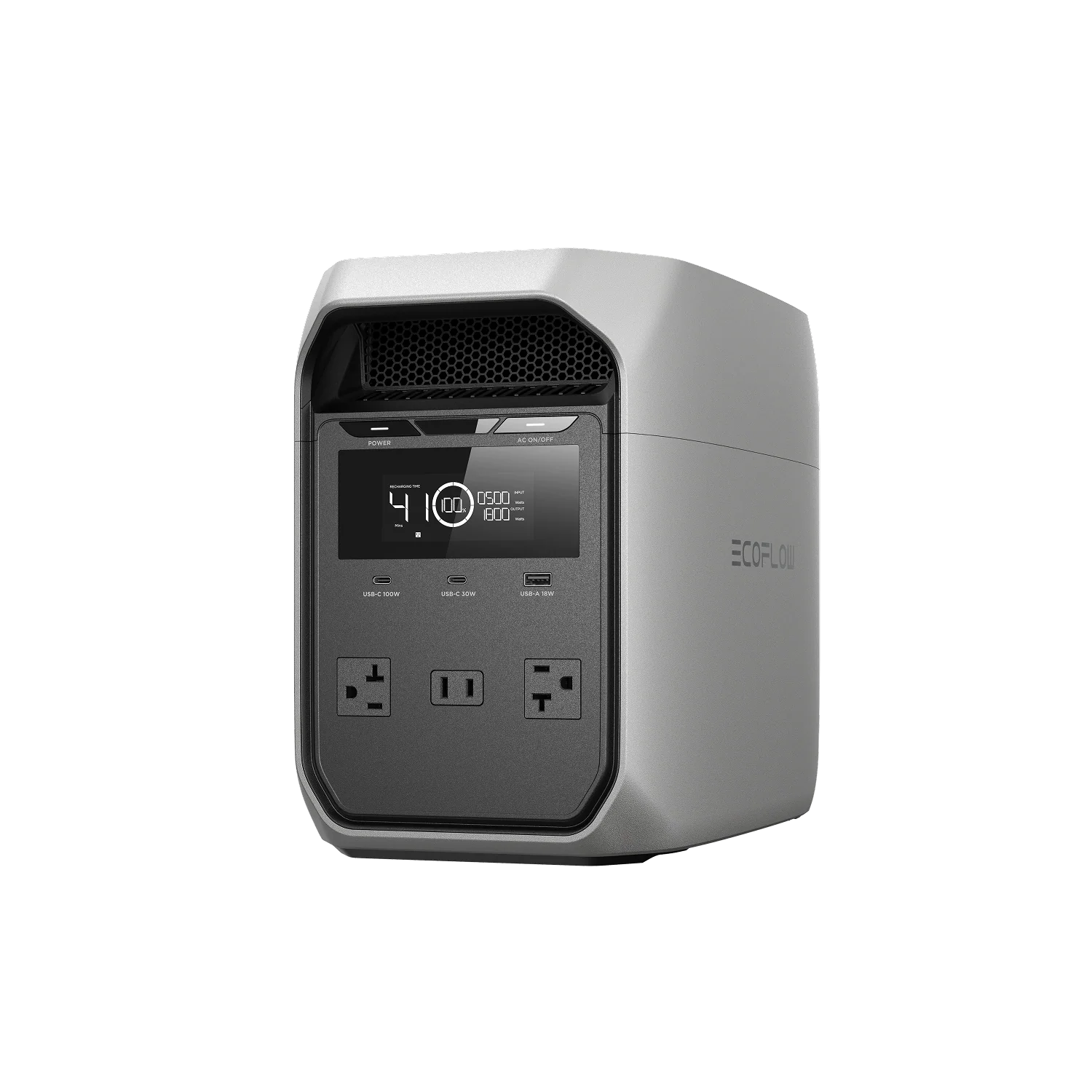
A portable power station like the EcoFlow DELTA 3 Classic (1024Wh) can easily keep your devices and lights charged up on your adventure.
What Devices Need Power in the Algonquin Interior?
While backcountry camping is often about disconnecting, modern safety and convenience still rely on electricity. A typical backcountry adventure may require the following:
Navigation and safety: Bring a dedicated GPS unit when travelling through vast, unmarked wilderness without cell service. You can also download offline maps and use satellite phones for emergencies, but a paper map and the skills to use it are also recommended in case something happens to your device.
Lighting: Headlamps, lanterns, and perimeter lights enable safer movement after dark.
Photography and video: Most people bring smartphones, cameras, and wearable video cameras to capture their adventures and the beauty of the park.
Comfort items like e-readers, portable camp showers, rechargeable bug repellent devices, or heated gloves are sometimes used.
Entertainment: Some people enjoy bringing tablets for watching downloaded videos in their tent at night.
Why Are Generators Banned in the Algonquin Backcountry?
From April 1 to Thanksgiving, Ontario Parks has banned generators for interior camping, alongside chainsaws and other noisy powered devices, in part because provincial parks are established to “provide a setting for peaceful and natural experiences.”
You go to wild places like Algonquin to escape the noise and busyness of daily life. The last thing you want to hear is the sound of a roaring gas engine, which is why Ontario Parks doesn’t allow excessive noise that might disturb others.
However, that doesn’t mean you have to go without power. In fact, Ontario Parks even recommends solar panels and a portable power station for exhaust-free, whisper-quiet power for use in their parks.
How Do You Size a Power Setup for a Multi-Day Canoe Trip?
Assessing your energy needs before you launch your canoe is crucial. Too small of a setup could leave you stranded in the backcountry without navigation, while one too large adds unnecessary weight.
When planning your Algonquin Park canoe camping and GPS charging, you need to know the total watt-hours (Wh) that you consume each day. Make a list of all the devices you want to power, including their running/charging watts, and multiply each by the number of hours it needs to run/charge each day to get watt-hours. Add up your watt-hours, then add about 20% for losses and the unexpected, and that’s your minimum daily need.
If you’re just charging a GPS, a camera, and an LED light, a small-capacity model around 250-300Wh would work, and it’s small enough to fit in a backpack.
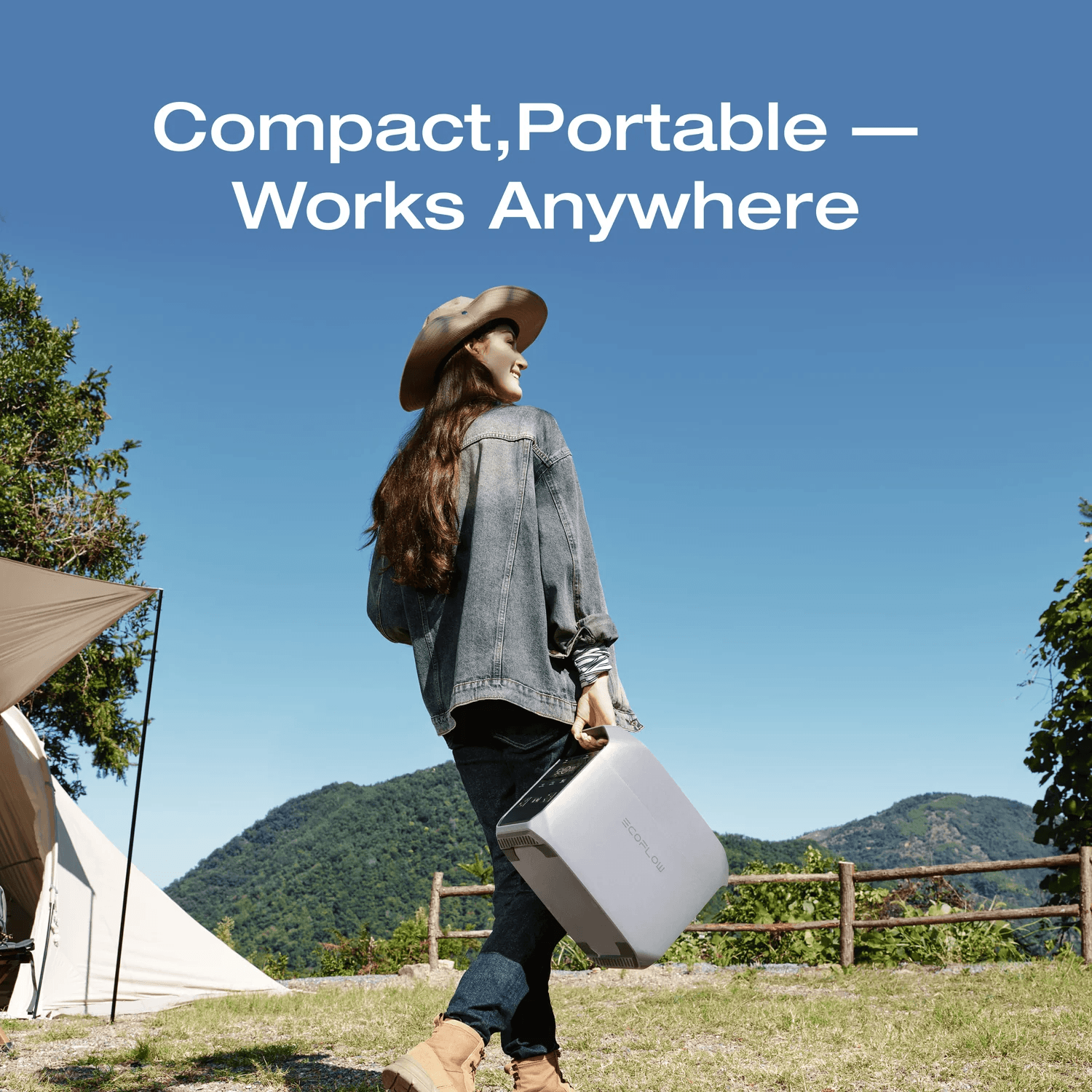
But if you want to run professional video gear, portable fridges, or other comfort items, you’ll need more power. The EcoFlow DELTA 3 Classic (1024Wh) offers additional power for your basecamp. And weighing about 26 lbs (12 kg), it’ll fit in a canoe if you need to portage with it.
How Do You Keep Power Gear Dry During Portages?
Camping in Algonquin’s backcountry means being prepared for summer rains. To keep your power gear safe, store it in a waterproof canoe barrel or in a roll-top dry bag when not in use. It’s also a sensible idea to pack charging cables in a separate small waterproof pouch inside your dry bag.
How Well Does Solar Charging Work Under Algonquin's Tree Canopy?
Algonquin Park is heavily forested, which does limit solar charging. However, if you’re portaging, you can look for exposed granite rock points and small islands with less tree cover and better sun exposure. That said, less-than-ideal locations with partial shade may require you to move your panels around as the sun moves to maximize your output.
Frequently Asked Questions
Which Campsite Is Best at Algonquin Park?
When you camp in the Algonquin Park backcountry, you reserve a particular lake or zone rather than a specific campsite since there are no serviced campgrounds. Still, some of the more popular areas include Tom Thomson, Burnt Island, and Lake Louisa.
How Much Does a Portable Power Station Add to Your Portage Weight?
How much weight a portable power station adds to your portage depends on the capacity. A small 250-300Wh model might only weigh 7.8 lbs (3.5 kg), while a larger 1024Wh model may weigh about 26 lbs (12 kg).
Is There Cell Service Anywhere in Algonquin's Backcountry?
Not really. There’s service along the Highway 60 corridor, but once you portage into the interior lakes, you’ll typically lose signal. Satellite phones or messengers are the most reliable means of communication in the backcountry.
Lightweight Portable Power Keeps Your Algonquin Backcountry Trip Safe and Connected
The Algonquin backcountry is an amazing escape from modern life, a way to reconnect with the rugged beauty of nature and enjoy the pleasant solitude of remote lakes. But safety, comfort, and the desire to record your adventures require safe, quiet, portable power.
The EcoFlow DELTA 3 Classic (1024Wh) offers plenty of power to run your gear in a small enough size to fit in a canoe, and you can recharge it with solar panels.