Why Did My Electric Bill Double? 8 Real Causes + How Home Battery Backup Can Help
- Why an Electric Bill Can Double in One Billing Cycle
- 8 Real Reasons Your Electric Bill Spiked
- How TOU Rates and Peak Demand Charges Drive Up Costs
- How Home Battery Backup Helps You Save Money and Stay Powered
- How to Choose and Size the Right Home Battery Backup Setup
- Frequently Asked Questions
- Take Control of Your Energy Costs Without Giving Up Comfort
Was your latest electric bill so high you thought it was a typo? Seeing your bill double is concerning at best, but rates don’t just go up for no reason. Sometimes summer AC use, rising rates, or sneakier issues like peak-demand pricing are the culprit.
The good news is that you have options.
Learn what actually causes electric bills to spike, how to read your bill, and get tips for lowering costs.
Why an Electric Bill Can Double in One Billing Cycle
Did you look at your latest bill and think, “Why is my electricity bill so high?” Before you start unplugging all your electronics, the first step is learning how to read your bill. Most electric bills already explain why costs increased, but utility companies tend to bury the information in your itemized bill.
Total energy usage: Look at your electricity usage, which is measured in kilowatt-hours (kWh). This number tells you how much electricity your home actually used during the billing cycle. If your bill doubled and your kilowatt-hour (kWh) usage also jumped significantly, there’s a good chance your home simply used more electricity than usual.
Electricity rate: If you used roughly the same amount of energy, look at the actual rate you’re paying for electricity, usually listed as a price per kWh. Utilities sometimes raise rates because of seasonal demand or to cover costs, which can explain the jump in prices.
Surprise charges: Go through your itemized bill for delivery or transmission fees, service charges, fuel adjustment fees, late payment fees, and billing corrections. Sometimes utilities estimate your energy use instead of reading your meter, then correct the total later.
Peak usage timing: Some providers include hourly usage breakdowns or time-of-use data through their online portals. If yours does, check when your household used the most electricity. You might notice heavy usage during expensive peak-rate hours.
Once you know what changed — higher usage, higher rates, extra fees, or bad timing — it’s a lot easier to figure out how to lower costs moving forward.
8 Real Reasons Your Electric Bill Spiked
Sometimes an electric bill doubles because of one obvious issue. But in most cases, it’s a perfect storm of small things that add up. Here are 8 of the most common reasons electricity costs spike.
1. Extreme Weather
During summer heat waves, your AC may run nearly nonstop trying to keep indoor temperatures comfortable. You may not feel like you’re using more electricity because your thermostat settings haven’t changed. But if your HVAC is working harder for longer, your bill will increase.
2. Increased Rates
Utility companies periodically raise electricity rates due to:
Fuel costs.
Grid maintenance.
Infrastructure upgrades.
Seasonal energy demand.
Regulatory changes.
Even a modest increase in price per kWh can hit hard when paired with heavy seasonal energy use.
3. Time-of-Use (TOU) Pricing
Many utilities charge different electricity rates depending on when you use power. Electricity costs more during peak demand hours, usually in the late afternoon and evening when everyone is home.
So if you’re:
Running laundry after work,
Charging devices overnight at the wrong time,
Or using multiple major appliances during peak windows
…you may be paying more without realizing it.
4. Demand Charges
Running your AC, dishwasher, oven, washer, dryer, and EV charger simultaneously creates a massive power draw. Utilities sometimes penalize these “all-at-once” moments because they strain the grid.
5. New Appliances
New appliances are convenient, but they can also inflate your electric bill. Common culprits include:
Second refrigerators or garage freezers.
Portable AC units.
Space heaters.
Pool pumps.
Hot tubs.
Dehumidifiers.
Home office equipment.
Gaming PCs or entertainment setups.
Individually, they might not seem like a big deal. But if you use them regularly, that extra usage adds up fast.
6. EV Charging
Electric vehicles are often cheaper to fuel than gas cars, but they can absolutely raise your home electricity bill. Charging during expensive peak-rate windows can push costs up faster than you might expect.
7. Old, Inefficient Equipment
Older systems often consume more electricity simply because they have to work harder.
Watch for:
Aging HVAC systems.
Dirty air filters.
Older refrigerators.
Inefficient water heaters.
Dryers that take multiple cycles.
8. Billing Problems or Meter Issues
Sometimes the bill itself is the problem. Unexpected spikes can come from:
Estimated meter readings instead of actual readings.
Billing corrections from prior months.
New fees or surcharges.
Incorrect meter readings.
Utility account errors.
If something feels off, compare your current bill with bills from previous months and look for any unusual line items or corrections.
How TOU Rates and Peak Demand Charges Drive Up Costs
If your electric bill doubled but your usage didn’t change much, time-of-use (TOU) pricing and peak demand are probably the reason why.
Most utilities charge:
Higher rates during peak hours when electricity demand is highest (usually afternoons and evenings).
Lower rates during off-peak hours, like overnight or early morning.
In other words, running your dishwasher at 6 p.m. might cost noticeably more than running it at 10 p.m.
You can’t do much about these rates, but you can take matters into your own hands. A home battery backup system optimizes TOU electricity rates by reducing your reliance on grid electricity during peak hours. You charge the battery during off-peak hours when it’s cheaper and then use the stored energy during pricier periods.
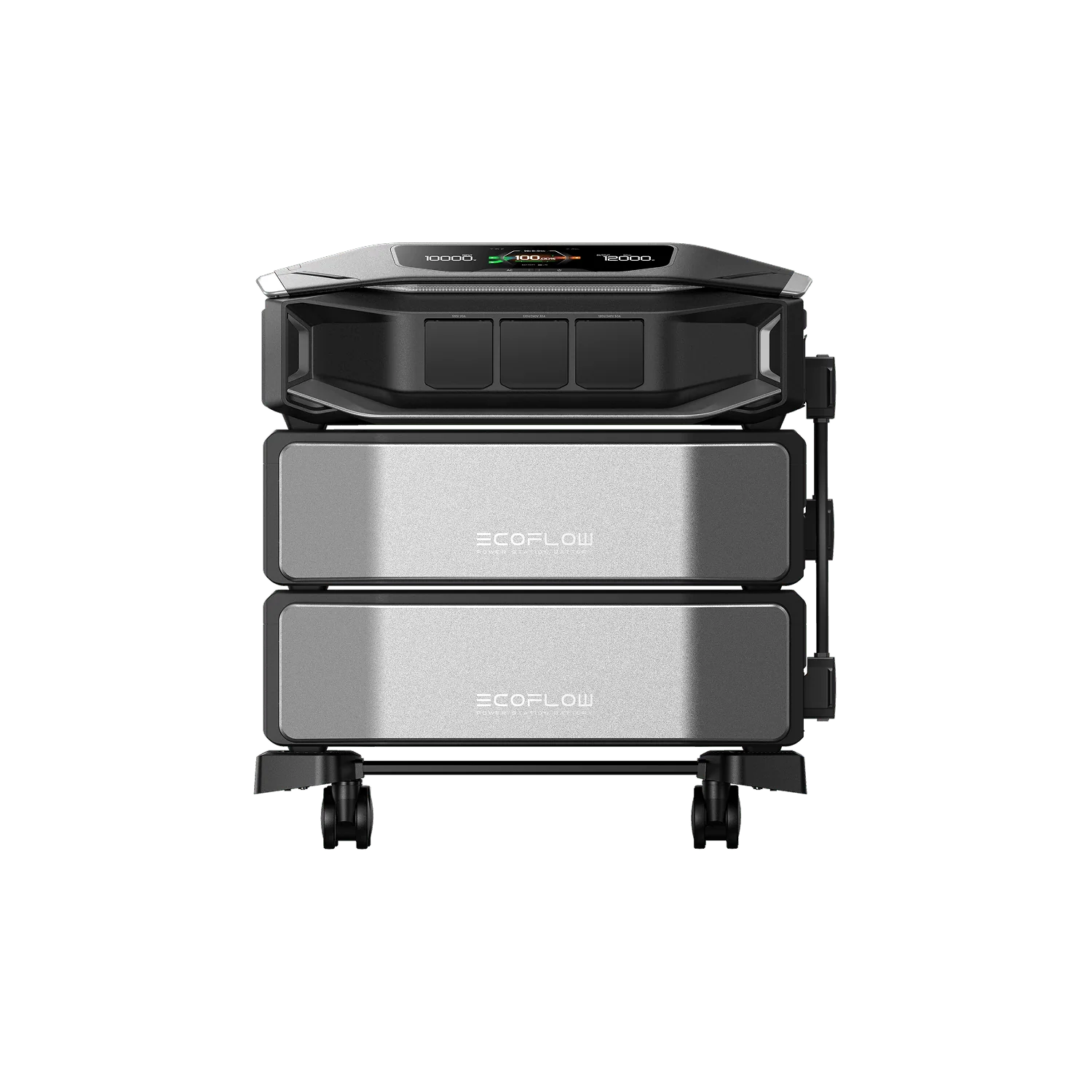
This strategy is called energy shifting, and it can help smooth out electricity costs over time. A system like the EcoFlow DELTA Pro Ultra X Whole-Home Backup Power Unit makes this straightforward — charge during off-peak hours and draw from stored power when rates spike.
How Home Battery Backup Helps You Save Money and Stay Powered
A whole-home generator is helpful for blackouts, but it can also help you reduce electricity costs before the power ever goes out. With this system, you can be more strategic about when your home pulls electricity from the grid, shaving as much as $50 off your bill each month.
Most people aren’t thrilled about rearranging their routines around utility pricing schedules. You could avoid running appliances at the same time, skip evening laundry, or wait until midnight to charge your devices — but that gets old. A home battery backup reduces peak-demand spikes without forcing you to run the dishwasher at odd hours of the night.
Plus, a home backup generator also keeps you online when the grid goes dark. Instead of scrambling for flashlights and hoping refrigerated food survives, backup power keeps the essentials running.
So, a generator isn’t just a tool for saving money on your energy bill, but also for staying comfortable when the power goes out.
How to Choose and Size the Right Home Battery Backup Setup
Not every home needs the same backup setup. Here’s how to think about sizing a home battery system.
Decide What to Power
For lighter everyday use, think essentials like:
Wi-Fi and phones.
Laptops and small electronics.
Lights.
Refrigerators.
CPAP machines or medical devices.
TVs and routers.
For larger setups, you may also want support for:
HVAC systems.
Well pumps.
Large kitchen appliances.
Laundry equipment.
Multiple rooms or critical circuits.
EV charging support.
The more appliances you run at once, the more battery capacity and output you’ll need.
Match Capacity to Runtime
Battery capacity (measured in Wh or kWh) determines how long your system can power devices.
If your goal is portable backup for key essentials, smaller systems make more sense. For example, the EcoFlow DELTA 3 Classic Portable Power Station (1024Wh) is a practical option for keeping smaller devices, internet equipment, lights, and select essentials powered during outages.
Go Bigger for Whole-Home Backup
If your goal is to power major appliances, support multiple circuits, or reduce expensive grid purchases through energy shifting and peak shaving, a scalable whole-home system is the better fit.
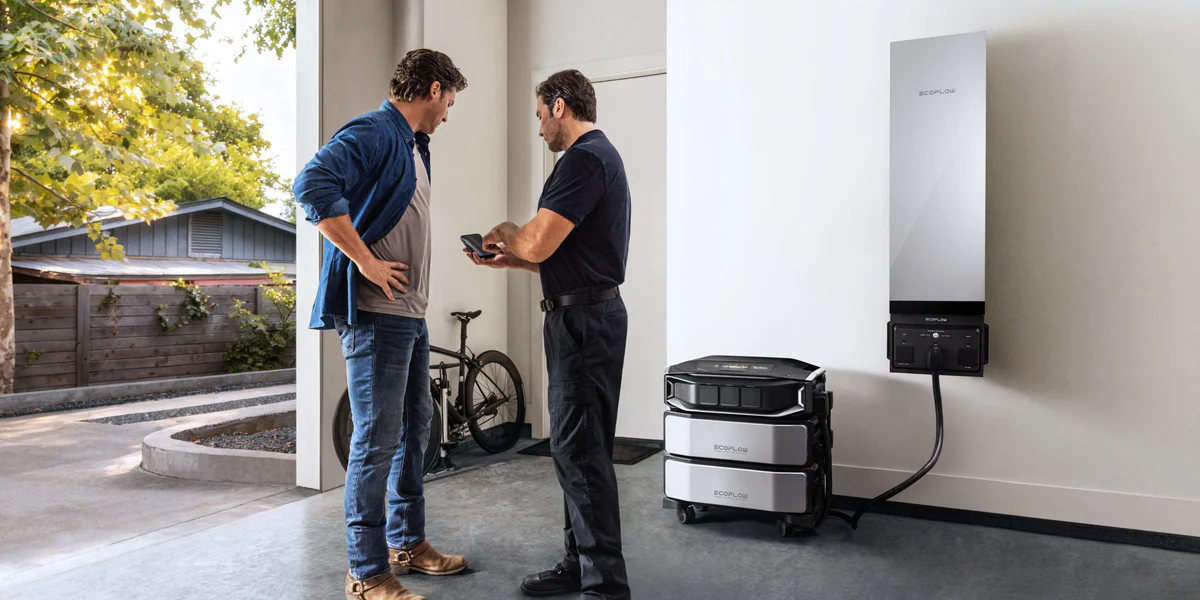
In this situation, the EcoFlow DELTA Pro Ultra X Whole-Home Backup Power system is best for homeowners who want a more robust setup. It has an expandable capacity from 12 to 180 kWh, so the system can grow as your power needs grow, too, capable of offering 100% whole-home power if you wish it. You could even save up to $6,000 a year.
Frequently Asked Questions
Why Did My Electric Bill Suddenly Increase Even Though My Habits Didn’t Change?
You may not have changed your habits, but other things around you probably did. Utility rate increases, time-of-use (TOU) pricing changes, demand charges, extreme weather, or hidden billing adjustments can all drive up costs.
How Much Can a Home Battery Reduce My Monthly Electric Bill?
It depends, but on the higher end, you could save as much as $50 a month on your energy bill. Still, it ultimately depends on your utility rates, usage habits, and whether your utility company uses time-of-use pricing. You’ll also likely see more savings if you live in an area with high peak rates or demand-based pricing.
Do I Need Permits or Utility Approval to Install a Home Battery Backup System?
Usually, yes, but it depends on your home and where you live. Small, portable options don’t need a permit, but larger, whole-home battery systems usually do. If the system integrates with your electrical panel or connects to solar, you’ll probably need a professional to handle it for you. The good news is that they usually handle the permitting.
Will a Home Battery Work With Solar Panels, the Grid, and a Generator?
Yes, if you get the right model. Many home battery systems work alongside multiple energy sources, including solar panels, grid electricity, and compatible generators. That flexibility helps you charge batteries in different ways while maintaining backup power during outages.
Take Control of Your Energy Costs Without Giving Up Comfort
Seeing your electricity bill double is enough to drive anyone crazy. It seems arbitrary, but utility companies always have a reason for increasing your bill. (It might not be a good reason, but that’s beside the point.)
Understanding how to read your bill is the best way to understand where your money is going. From there, you can change your habits or install a backup battery to get ahead of pricey TOU rates.
But power stations do a lot more than save power for later. They can also help you stay prepared for outages and give you more control over your energy use. See how EcoFlow’s full-home backup power solutions can help you save on your energy bill while keeping you prepared for anything.
For press requests or interview opportunities, reach out to our media team
media.na@ecoflow.com