Gas Generator vs. Solar Generator: Which Is Cheaper to Run in 2026?
- What “Cheaper to Run” Really Means in 2026
- How Gas Generators and Solar Generators Create Power
- The Real Cost Breakdown: Upfront, Fuel, Maintenance, and Replacement
- Which Option Costs Less in Common Use Cases
- When a Solar Generator Becomes the Better Long-Term Investment
- Frequently Asked Questions
- Save More Per Outage and Stress Less Year-Round
Power outages are unpredictable, but that doesn’t mean you can’t prepare for extended blackouts. Having a backup generator on standby will keep you ready, no matter what. Gas is the go-to for plenty of homeowners, but solar generators are a modern option that’s also gaining traction.
But which option makes more financial sense? Solar is generally cheaper over time, but the best generator pick depends on a few factors. Here’s the real cost breakdown, plus guidelines for choosing the right generator for your home.
What “Cheaper to Run” Really Means in 2026
The “cheapest” option isn’t just about going with the lowest upfront price. You actually want to buy a generator that costs less to use over time. Here’s how to evaluate gas generators vs solar generators:
Start With Power Output and Runtime
Before comparing costs, it helps to understand what these systems are built to do.
Solar generators:
Typical output: 1,000–3,600W.
Runtime depends on battery size, energy use, and sunlight.
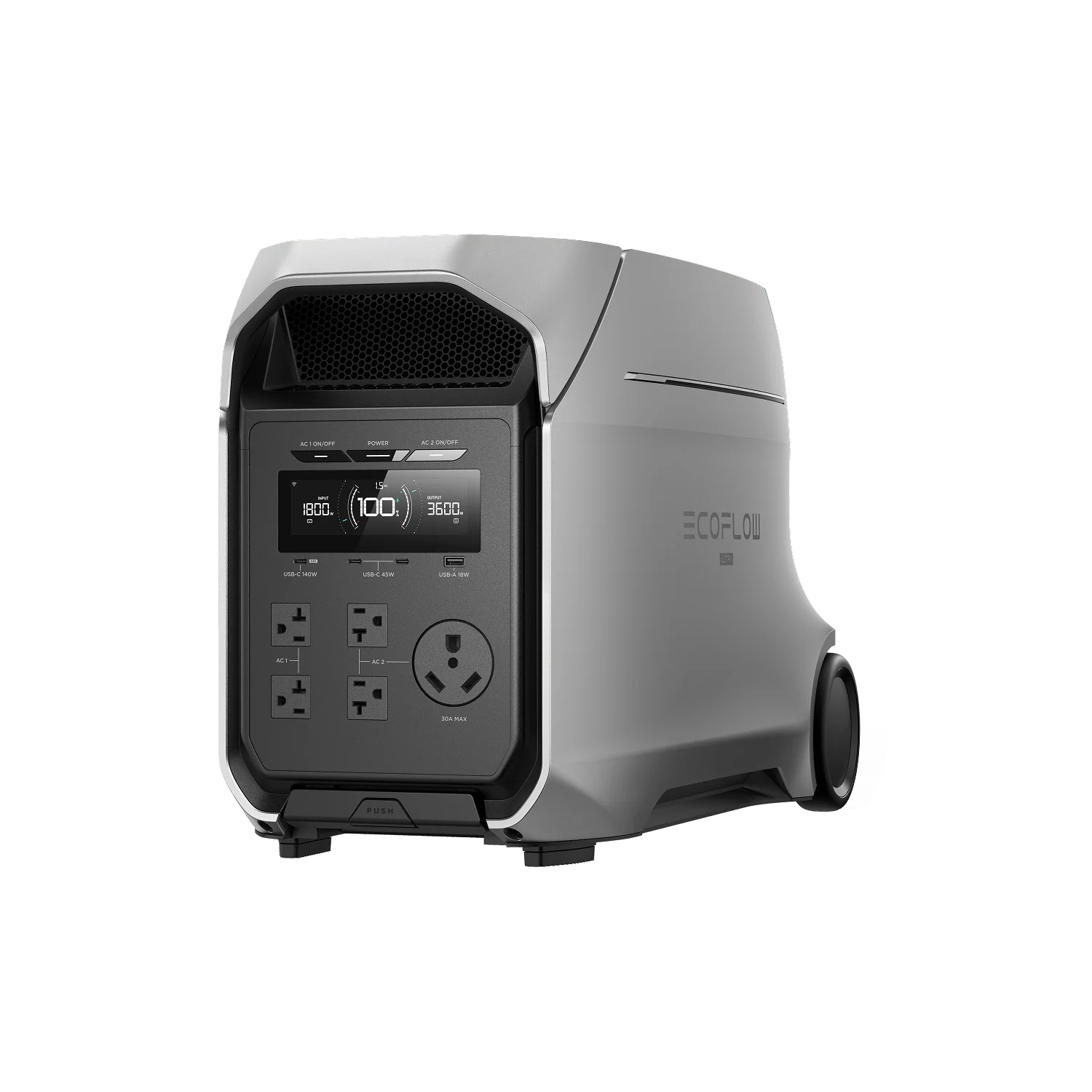
Recharge from wall outlets, vehicles, or solar panels. For example, the EcoFlow DELTA 3 Ultra Plus Solar Generator (3072Wh) can charge in 6 ways: AC, generator, solar, alternator, dual solar + generator, and dual solar + alternator.
Best for home backup, RVs, camping, remote work setups, and quieter everyday use.
Gas generators:
Typical output: 3,000–10,000W.
Runtime usually ranges from 8–24 hours per tank, depending on load and fuel capacity.
Require gasoline, propane, or diesel.
Often used for emergency backup or high-demand equipment.
Total Cost of Ownership Matters
Let’s say you’re comparing two backup power options. One costs less upfront but requires ongoing fuel purchases, oil changes, stabilizers, filters, and occasional repairs. The other costs more initially but has minimal maintenance and low operating costs.
If you only need emergency backup once every few years, a gas generator may feel cost-effective. But if you use backup power regularly for outages, camping, outdoor projects, RV trips, or lowering energy costs at home, fuel and maintenance costs will be much higher.
How Gas Generators and Solar Generators Create Power
If you’re comparing gas generators vs solar generators for winter or all-year use, both will provide reliable electricity. However, they create and deliver power in different ways, which affects everything from fuel costs and maintenance to safety and convenience.
Gas Generators
Gas generators burn fuel in a combustion engine to generate electricity, which means ongoing refueling, outdoor placement, and maintenance.
There’s also a catch: because gas generators produce carbon monoxide, they must stay outdoors and far away from windows, doors, and vents. Cracking the garage door isn’t enough, either.
Solar Generators
With a solar generator, the panels absorb sunlight and convert it to electricity, which is stored in the battery. Then, when it’s time to power your devices, the inverter converts stored energy into the electricity your appliances use. Solar panels recharge the system, while wall and vehicle charging provide backup options.
The Real Cost Breakdown: Upfront, Fuel, Maintenance, and Replacement
The sticker price is only part of the story. To figure out what backup power actually costs, you have to think beyond the upfront expense. Here’s how gas and solar costs compare:
Solar Generators: Higher Upfront Cost, Lower Long-Term Spend
Solar generators do usually cost more upfront. Most systems fall between $700 and $3,000, depending on battery capacity, power output, and the number of solar panels you add.
At first glance, that can feel steep compared to a traditional generator. But after the initial purchase, there are very few ongoing costs. Over 10 years, many battery-based systems can cost around $7,000 total.
Still, there are tradeoffs. Larger appliances often require higher-capacity systems or extra batteries, which adds to the cost. And because solar charging depends on weather conditions, it’s smart to choose a setup with multiple charging options so you’re covered regardless of the forecast.
Gas Generators: Lower Upfront Cost, More Ongoing Expenses
Gas generators are usually easier on the wallet upfront. Portable models cost somewhere between $400 and $2,000, depending on wattage and features.
But fuel costs add up, especially during extended outages and regular use. A gas generator can easily cost $50 per day or more in fuel if it’s running continuously, and rising fuel prices only make that expense harder to predict.
Then there are the costs people forget to budget for:
Oil changes.
Air filters.
Spark plugs.
Engine servicing.
Fuel stabilizers.
Fuel storage and transport.
Over 10 years, total ownership costs for gas generators can climb to $22,000 or more, particularly for households with frequent outages.
Which Option Costs Less in Common Use Cases
So, which option is cheapest? It comes down to how you plan on using the generator.
Home Essentials
If your goal is to keep the basics running during an outage, solar generators cost less over time. You’re not paying for fuel every time the power goes out, and there’s very little maintenance to worry about.
For households dealing with recurring outages or wanting reliable backup without the hassle, battery systems are more cost-effective the more you use them.
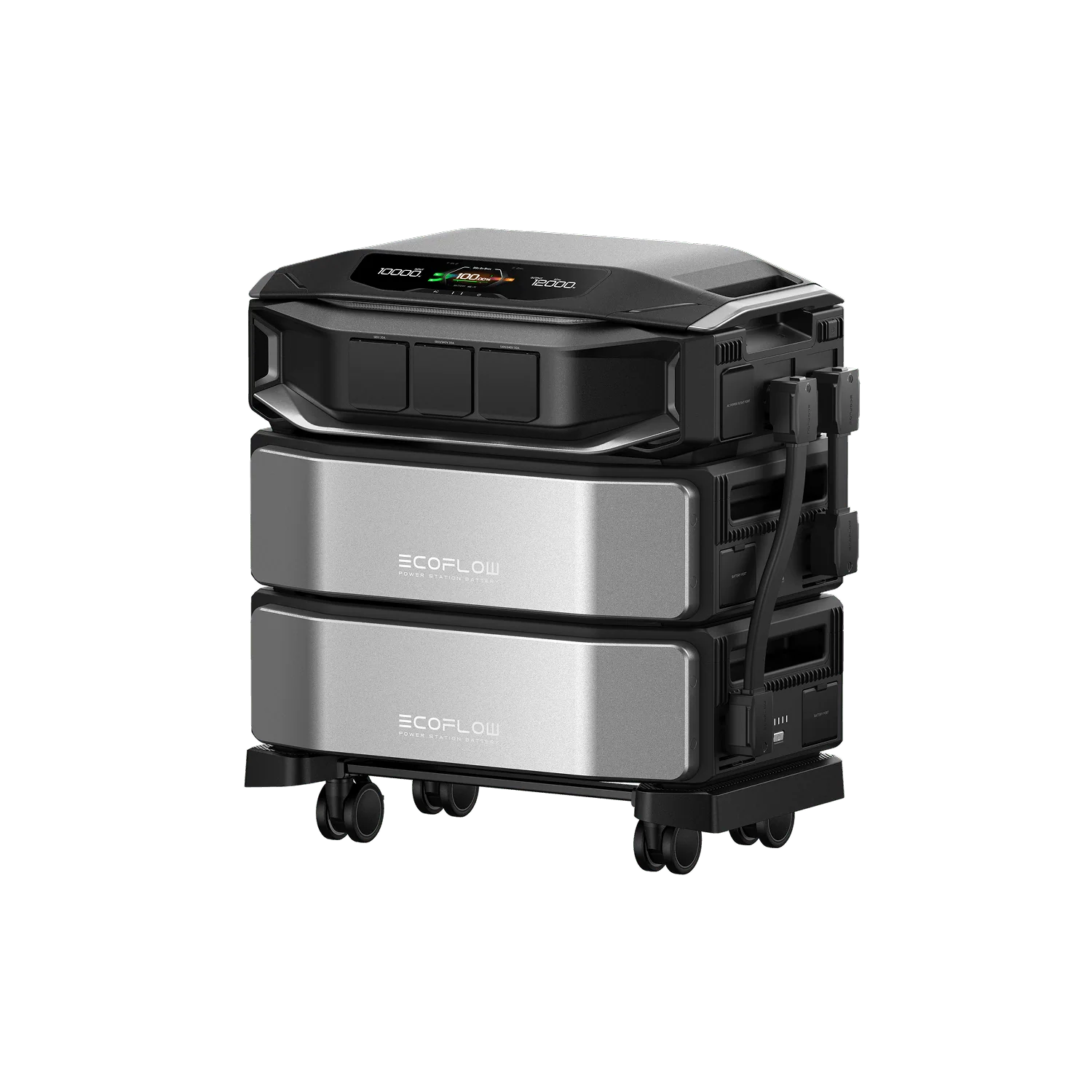
If you want a larger setup with multi-room coverage, a whole-home backup power solution is a good bet, and it also works with solar panels. The EcoFlow DELTA Pro Ultra X Whole-Home Backup is a good example. It has an intelligent system that shifts between solar, storage, and off-peak rates throughout the day and night, making every watt count to reduce your energy costs over time.
Apartment Living
This is more about safety than the expense. If you live in an apartment, condo, or dense neighborhood, gas generators aren’t practical. Because they produce carbon monoxide, they can’t be used indoors or in enclosed spaces, and many apartment dwellers simply don’t have outdoor space for safe operation or fuel storage. Your neighbors won’t love the noise, either.
Camping
There are pros and cons of using solar vs gas generators for camping. If you’re powering lights, charging devices, running a portable fridge, or keeping things comfortable for a weekend, solar generators often cost less in the long run. For bigger setups or long off-grid trips, gas generators make more sense, especially if you’re running power-hungry equipment.
Extended Outages With Limited Sunlight
If you live in a storm-prone area, sunlight availability is worth thinking about, but it's less of a limiting factor for modern solar generators than it used to be.
EcoFlow solar generators support multiple charging inputs, so you're not dependent on the sun alone. Before a storm hits, you can charge fully from a wall outlet. During an outage, you can recharge via a gas generator, a vehicle alternator, or a combination of both.
Gas generators are good in very long outages where you have no grid access, limited sun, and high continuous power demands.
For most storm situations, though, a solar generator with multiple charging options gives you more flexibility, not less. You can power essentials indoors safely, recharge in multiple ways, and avoid the fuel storage and carbon monoxide risks that come with gas.
When a Solar Generator Becomes the Better Long-Term Investment
If you experience recurring outages, camp often, want energy flexibility, or live in a storm-prone area, the long-term math favors a solar generator.
Battery life: Many newer systems use LiFePO4 (LFP) batteries, which last significantly longer than older battery chemistries. In practical terms, that means more charge cycles, better longevity, and fewer worries about replacement costs.
Fast recharging: A backup system only helps if it’s actually ready when you need it.
Scalability: One of the biggest long-term advantages of battery systems is their expandability. Instead of overbuying “just in case,” you can start with what fits your needs today and add battery capacity later if you need it. The EcoFlow DELTA Pro Ultra X is built for larger home backup needs and supports scalable energy storage, with 12–36kW output and 12–180kWh capacity with up to 30 plug-in expansion batteries.
Frequently Asked Questions
Is a Gas Generator or Solar Generator Cheaper to Run in 2026?
Solar generators are usually cheaper over time, especially if you use them regularly. Gas generators usually cost less upfront, but fuel and maintenance expenses add up quickly. Solar generators cost more initially, but avoid recurring fuel costs and generally require much less maintenance.
How Do I Estimate My Running Cost for a Multi-day Outage?
Start by listing the devices you need to power and estimate how many watts each uses. Then calculate how long you’ll run them each day. For gas generators, factor in your fuel consumption, local fuel prices, runtime per tank, and maintenance costs. Solar generators should factor in battery capacity, daily usage, available charging sources, and sunlight conditions.
Can I Use a Solar Generator Indoors During an Outage?
Absolutely. Solar generators are safe to use indoors because they don’t burn fuel or produce carbon monoxide. You can use them to power essentials like refrigerators, Wi-Fi, phones, laptops, lights, and medical devices. Just make sure to choose a unit with enough battery capacity and output for your devices.
Can a Gas Generator and a Solar Generator Work Together?
Yes. Some homeowners take a hybrid approach, powering indoor loads with solar while a gas generator handles larger loads. This approach reduces fuel costs and noise and gives you more flexibility to have backup energy available inside your home.
Save More Per Outage and Stress Less Year-Round
The cheapest backup generator isn’t always the one with the lowest price tag at the store. You also need to consider ownership costs and convenience. For example, gas generators are cheaper upfront, but they do have ongoing costs and are harder to use.
Get backup power that’s useful during both outages and everyday adventures. Explore EcoFlow's solar generators for home to find a backup power option that fits your needs and budget
For press requests or interview opportunities, reach out to our media team
media.na@ecoflow.com