What Is Nuclear Energy Used For? Applications and Benefits Explained
Nuclear energy powers far more than just the electrical grid. From lighting homes and running hospitals to propelling submarines and exploring deep space, it plays a vital role in modern life. This guide answers the core question, what nuclear energy is used for, while covering its definition, major applications, benefits, challenges, and how it compares with renewable energy sources. You'll also learn practical ways homeowners can build energy resilience beyond the grid.
What is nuclear energy?
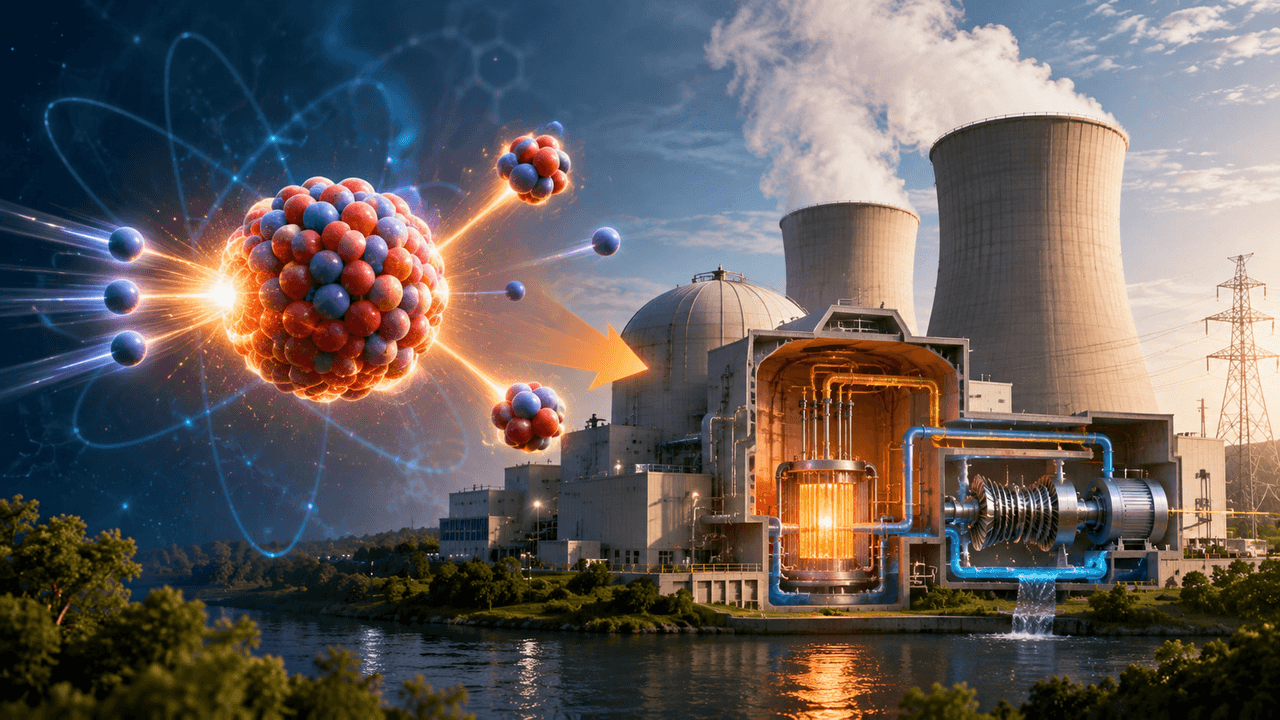
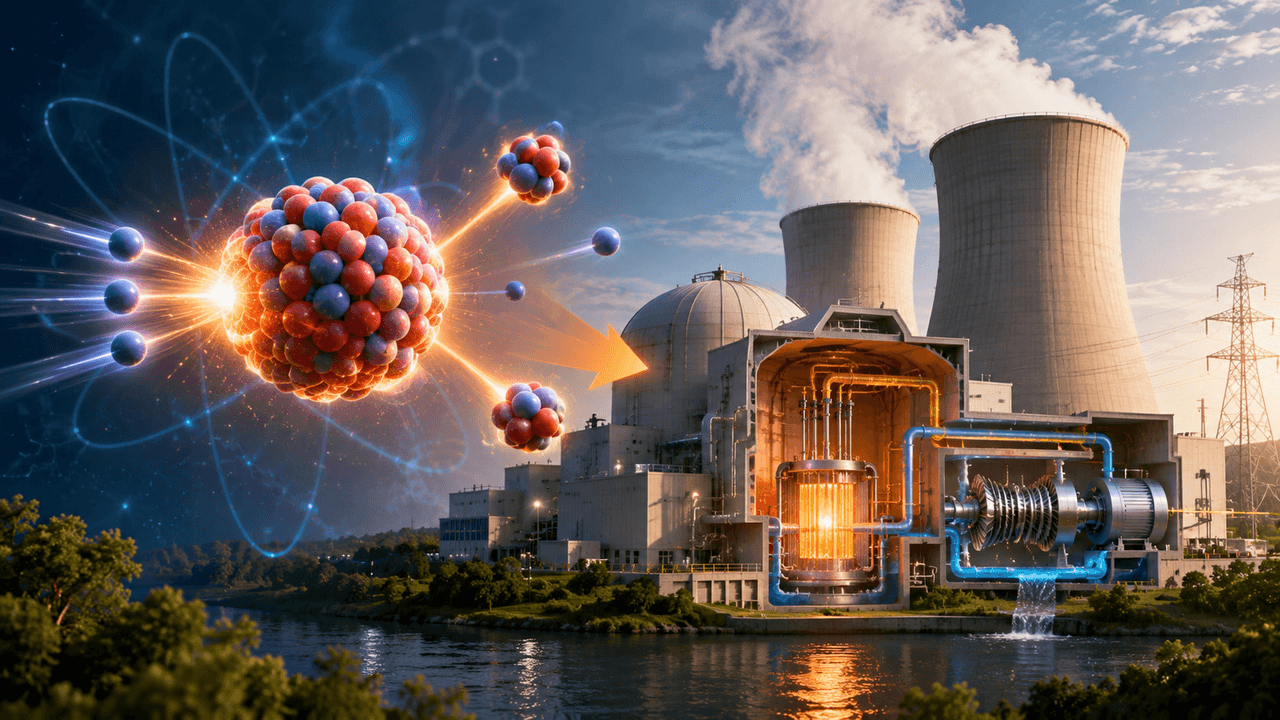
Nuclear energy is the energy stored in the nucleus (core) of an atom. To release this energy, atoms are split apart in a process called nuclear fission. During fission, heavy atoms like Uranium-235 absorb neutrons, split into smaller elements, and release massive amounts of thermal energy (heat). This continuous chain reaction generates high-temperature steam that drives giant turbines to produce electricity with zero direct carbon emissions during operation, supplying municipal grids worldwide.
Unlike fossil fuel energy, which relies on burning coal, natural gas, or oil through chemical combustion, nuclear fission generates heat without burning anything. Consequently, nuclear power releases no direct carbon dioxide or air pollutants during operation, making it a cleaner and more energy-dense power source than traditional fossil fuels.
Core applications: What is nuclear energy used for?
Nuclear energy serves many essential roles beyond the power grid. From everyday electricity to specialized medical and scientific uses, here are its primary applications.
Generating electricity
Nuclear power plants convert the heat from controlled fission into steam that spins turbines and generates electricity. In the United States, nuclear reactors supply roughly 20% of the nation's electricity and more than half of its carbon-free power. These plants run at high capacity factors, often above 90%, providing reliable baseload electricity day and night, independent of weather conditions.
Powering naval vessels and submarines
Nuclear reactors propel many naval ships, especially submarines and aircraft carriers. These vessels can operate for years without refueling, offering unmatched range and endurance. Around the world, approximately 140 nuclear-powered ships are in service, the majority of them submarines that rely on compact reactors for silent, long-duration missions.
.png)
.png)
Medical treatments and diagnostics
Hospitals and clinics rely on radioactive materials produced through nuclear processes to diagnose and treat disease. PET scans use small amounts of radiotracers (radioactive substances) to create functional images of internal organs and metabolic activity. Radiation therapy uses controlled doses of radiation to shrink or destroy cancer tumors; in some cases, tiny radioactive seeds are placed directly inside a patient (brachytherapy). Nuclear medicine procedures number in the millions annually in the U.S. (Note: Standard CT scans primarily use X-rays for structural imaging and do not rely on radioactive tracers in the same way as PET imaging.)
Industrial applications
Factories and construction sites use radioactive material in ways most people never notice. Gauges that use radioactive sources measure soil moisture during road construction or check the thickness of products like plastic and paper. Radiography cameras use radiation to spot defects inside pipes and walls without cutting them open. Even household smoke detectors contain a tiny amount of radioactive material to sense smoke.
Agriculture and food preservation
Radiation also plays a role in the food on your table. Irradiators use radiation to kill bacteria on food, helping it stay fresh longer and reducing the risk of foodborne illness. The same technology sterilizes medical equipment and even donated blood, killing germs without leaving the items radioactive.
Scientific research and space exploration
Scientists use radioactive materials for carbon dating, a method that determines the age of fossils and ancient objects. Radioactive materials also power spacecraft. NASA has used radioisotope generators to supply electricity to satellites and deep-space probes, including missions that have traveled well beyond our solar system.
.png)
.png)
Benefits and challenges of nuclear energy
Nuclear energy offers major advantages for clean, reliable power yet faces notable obstacles. Understanding both sides helps clarify its role in today's energy mix.
Pros | Cons |
|
|
Nuclear energy vs Renewable energy
Both nuclear and renewable energy help reduce carbon emissions, but they serve different roles within modern energy systems.
Feature | Nuclear Energy | Renewable Energy (Solar & Wind) |
Carbon Emissions | Very low (lifecycle) | Very low (lifecycle) |
Reliability | Continuous baseload supply | Intermittent (weather dependent) |
Fuel Requirements | Mined uranium fuel rods | Naturally occurring (sunlight, wind) |
Cost Considerations | High initial construction; stable fuel costs | Lower upfront capital; zero fuel cost |
Scalability | High power output from small physical footprint | Requires significant land footprint for large output |
Environmental Impact | Radioactive waste management required | Minimal operational waste; recycling end-of-life materials |
While nuclear power supplies stable, round-the-clock electricity to the grid, which is a big part of why it remains a major energy source, renewable energy paired with battery storage is becoming increasingly practical for homes and businesses. This lets people generate and store their own power instead of relying only on the grid.
Powering your home with reliable energy — Beyond the grid
Nuclear power plants contribute reliable baseload electricity to the national grid, helping keep the lights on for millions of households. Even so, individual homes can still experience outages caused by extreme weather, wildfires, equipment failures, transmission issues, or surges in local demand. Grid-scale generation and household resilience are complementary: the former supplies the bulk of electricity, while the latter protects against localized disruptions that can interrupt power to a home even when the broader system is functioning. That's why many households are adding their own layer of energy resilience through home battery backup systems.
Extend Your Backup Power Further with the EcoFlow Smart Home Panel 3
Conclusion
Nuclear energy remains one of the world's most important sources of low-carbon electricity. Beyond powering millions of homes, it supports healthcare, scientific research, agriculture, manufacturing, and national security. While challenges such as waste management and construction costs remain, nuclear power continues to play a key role in reducing emissions and improving energy security. At the same time, renewable energy paired with whole-home backup systems like the EcoFlow DELTA Pro Ultra X offers homeowners greater resilience, backup protection, and energy independence in an increasingly unpredictable power landscape.
FAQs
Is nuclear energy renewable or nonrenewable?
Nuclear energy is generally classified as nonrenewable because it relies on finite uranium fuel resources. However, it produces very low operational carbon emissions and is often considered a low-carbon energy source.
What is an example of nuclear energy?
A nuclear power plant generating electricity is a common example of nuclear energy. Other examples include nuclear submarines, radiation therapy for cancer treatment, and radioisotope generators that power deep-space probes.
Is nuclear energy safe compared to fossil fuels?
Statistically, nuclear energy is one of the safest energy sources available. According to lifecycle studies, nuclear power results in significantly fewer deaths per unit of energy produced than fossil fuels, in large part because it produces very little direct air pollution during operation.
Can nuclear energy be used to power vehicles?
While nuclear power is used to propel large military ships, aircraft carriers, and submarines, it is not practical or safe for everyday passenger vehicles like cars or trucks due to the weight of necessary radiation shielding and reactor safety requirements.
Does nuclear energy produce greenhouse gases?
Nuclear power plants do not burn fuel, so they produce very little in the way of greenhouse gases while generating electricity. Emissions do occur during uranium mining and plant construction, but the overall carbon footprint is low compared to coal or natural gas.
For press requests or interview opportunities, reach out to our media team
media.na@ecoflow.com