Utility-Scale Solar vs. Distributed Solar: What Are the Differences?
- Utility-Scale Solar vs. Distributed Solar: How Are They Different?
- Why Is Utility-Scale Solar More Efficient for Grid-Level Power Supply?
- When Is Distributed Solar More Practical for Homes and Businesses?
- What Are the Limits of Utility-Scale Solar and Distributed Solar in Daily Use?
- How Do Portable Solar Generators and Energy Storage Fill the Gap?
- Choose the Right Solar Solution for Your Energy Needs
- FAQs
Solar is growing across the United States, but not every solar setup serves the same purpose. Some systems are built to deliver large amounts of electricity to the grid, while others are designed to support homes, businesses, and local energy needs more directly. Understanding that difference matters because cost, control, resilience, and everyday usability do not always come from the same type of solution. For many users, the best choice depends on how and where the power will actually be used.
Utility-Scale Solar vs. Distributed Solar: How Are They Different?
The biggest difference is where the power is produced and how it reaches the user. Utility-scale solar sends electricity into the broader grid. Distributed solar produces power much closer to the place where it is used. That one distinction shapes cost, ownership, flexibility, and customer experience.
What Is Utility-Scale Solar Power?
Utility-scale solar power usually refers to large solar projects, commonly at least 1 megawatt in size, built to supply electricity to the grid. These projects are often ground-mounted and developed for large-scale generation rather than direct on-site use.
In practical terms, utility-scale solar supports grid decarbonization and bulk electricity supply. It helps utilities and power markets add renewable generation to scale, which is one reason utility-scale solar keeps expanding across the U.S.
What Is Distributed Solar?
Distributed solar refers to solar systems located at or near the place where electricity is consumed. The most familiar examples are rooftop installations on homes, offices, schools, farms, and commercial buildings. Some smaller ground-mounted systems also fall into this category when they serve local demand rather than the wider grid first.
For end users, distributed solar is easier to connect to everyday goals such as lowering daytime electricity purchases, gaining partial energy independence, and pairing solar with storage for greater control.
| Category | Utility-Scale Solar | Distributed Solar |
| Main role | Supplies the grid | Serves local consumption |
| Typical size | Large, usually 1 MW and above | Smaller, often below 1 MW |
| Common location | Solar farms and large open sites | Rooftops, buildings, local property |
| Typical owner | Utilities or project developers | Homeowners, businesses, site owners |
| User benefit | Broad clean power supply | Local savings and control |
Why Is Utility-Scale Solar More Efficient for Grid-Level Power Supply?
Utility-scale solar is generally better suited to grid-level power supply because its size creates cost and design advantages that smaller on-site systems usually cannot match.
Lower Cost Per Unit of Generation
Large projects can spread land, engineering, labor, procurement, and maintenance costs across a much bigger base. That often makes utility-scale solar cheaper per unit of electricity than smaller customer-side systems.
This is one reason utility-scale solar power plays such a major role in the U.S. clean energy buildout. Big projects can add generation quickly and serve a wide customer base through the existing grid.
Better Siting and System Design
Large solar sites can be chosen for strong sun exposure, layout efficiency, and easier maintenance access. They may also use tracking systems and optimized panel orientation that are difficult to replicate on a typical roof.
That efficiency matters for the grid, but it does not automatically solve a household problem. A homeowner dealing with an outage, a noisy fuel generator, or high evening rates is facing a different question. Grid-scale efficiency and personal energy security are connected, yet they are not the same thing.
When Is Distributed Solar More Practical for Homes and Businesses?
For many property owners, the real appeal of solar is not abstract clean energy. It is direct control over part of the electric bill.
Why It Fits Homes and Commercial Sites
Distributed solar works well when a home or business has usable roof space, predictable daytime demand, and a clear interest in producing power on-site. In that setting, distributed solar can offset part of the electricity purchased from the grid and create a closer link between solar production and actual daily consumption.
That makes distributed solar attractive for:
Homeowners trying to reduce daytime utility costs
Businesses with regular daytime operations
Farms and facilities with steady on-site loads
Property owners planning to add battery storage later
What Can Limit Distributed Solar Performance
Even a strong distributed solar proposal should be tested against site realities. Roof angle, shade, structural limits, tenancy, local rules, and future electricity needs all affect the outcome.
That is why distributed solar is practical in some cases and frustrating in others. A good site can turn solar into a dependable long-term asset. A poor site can leave the owner with weaker performance than expected.
What Are the Limits of Utility-Scale Solar and Distributed Solar in Daily Use?
Both utility-scale solar and distributed solar offer real value, but each comes with practical limits that matter in everyday use.
Where Utility-Scale Solar Falls Short for End Users
Utility-scale solar power is excellent at adding renewable electricity to the grid, but most people do not directly control that power. If local transmission lines are damaged or the grid goes down, a distant solar farm does not keep your refrigerator, router, medical device, or sump pump running by itself.
So while utility-scale solar strengthens the broader system, it does not automatically deliver backup power at the household or small business level.
Where Distributed Solar Still Leaves Gaps
Distributed solar solves a more personal problem, but it has limits too. Solar generation drops after sunset and weakens during poor weather. It also depends heavily on site quality. Plenty of people do not have a suitable roof, and many renters have no installation option at all.
Common pain points include:
Power outages at night
Homes with shaded or aging roofs
Apartments and rental properties
RV travel, camping, and outdoor work
Temporary or mobile electricity needs
This is exactly where the simple utility-scale solar versus distributed solar comparison stops being enough. Many people need flexibility, backup capability, or portable power that fixed systems alone cannot fully provide.
How Do Portable Solar Generators and Energy Storage Fill the Gap?
Energy storage changes solar from a daytime resource into a more usable power solution.
Why Storage Matters
A battery stores electricity for later use. That sounds simple, yet it solves one of the biggest weaknesses in solar: production and demand often happen at different times. Homes use a lot of power in the evening. Storm outages do not wait for sunny hours. Critical devices may need to stay on long after solar production has dropped.
Pairing distributed solar with storage helps close that gap. It can improve resilience, reduce reliance on the grid during selected hours, and make solar feel more practical in real daily life.
What Power Needs Do Portable Solar Generators Solve
Portable solar generators help cover power needs that fixed solar systems do not always handle well, especially emergency backup, temporary off-grid use, and mobile electricity demand.
They are especially useful for:
Emergency backup for essential devices
Camping and overlanding
RV travel
Mobile work setups
Temporary off-grid use
Homes that need a cleaner, quieter backup than fuel-based generators
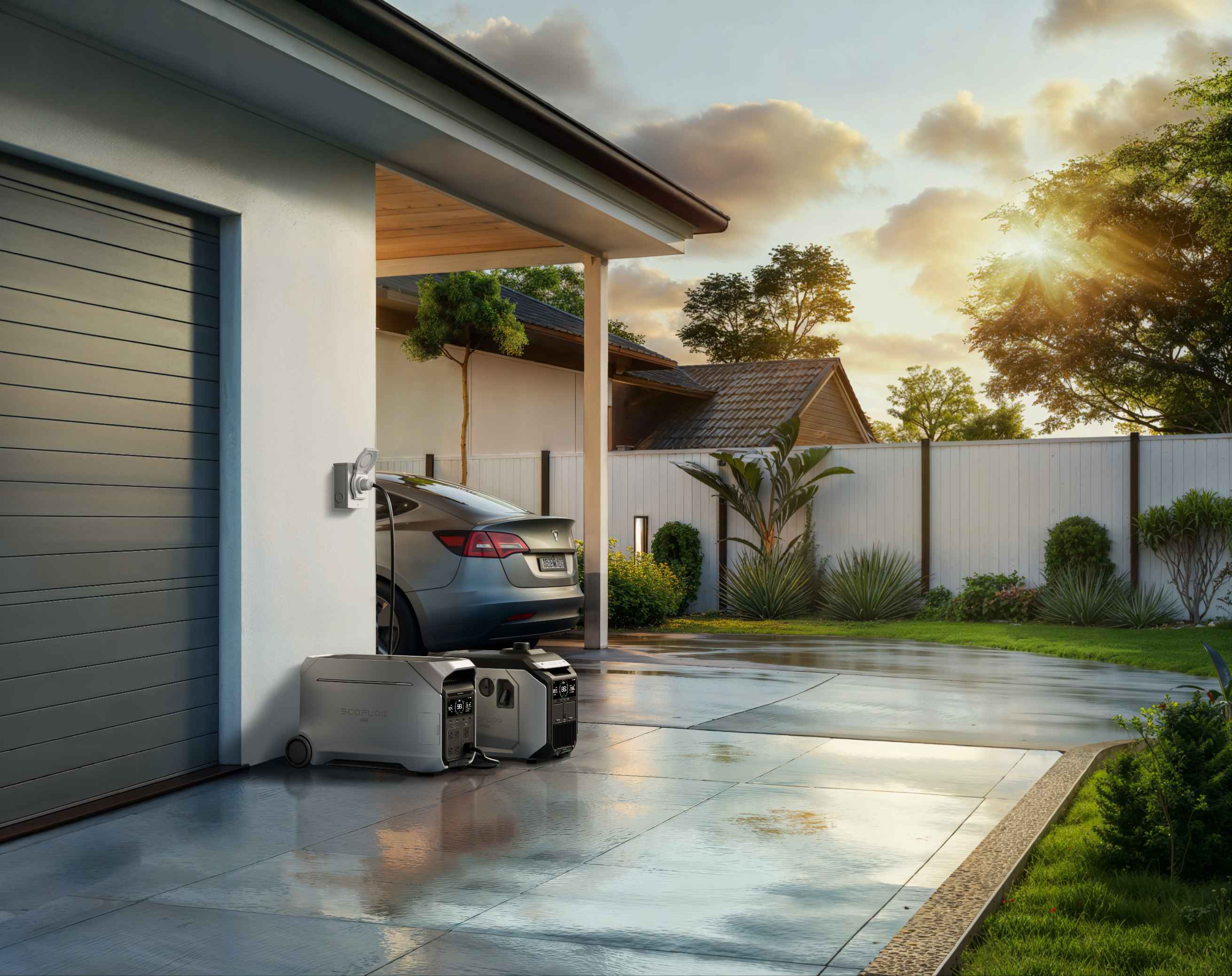
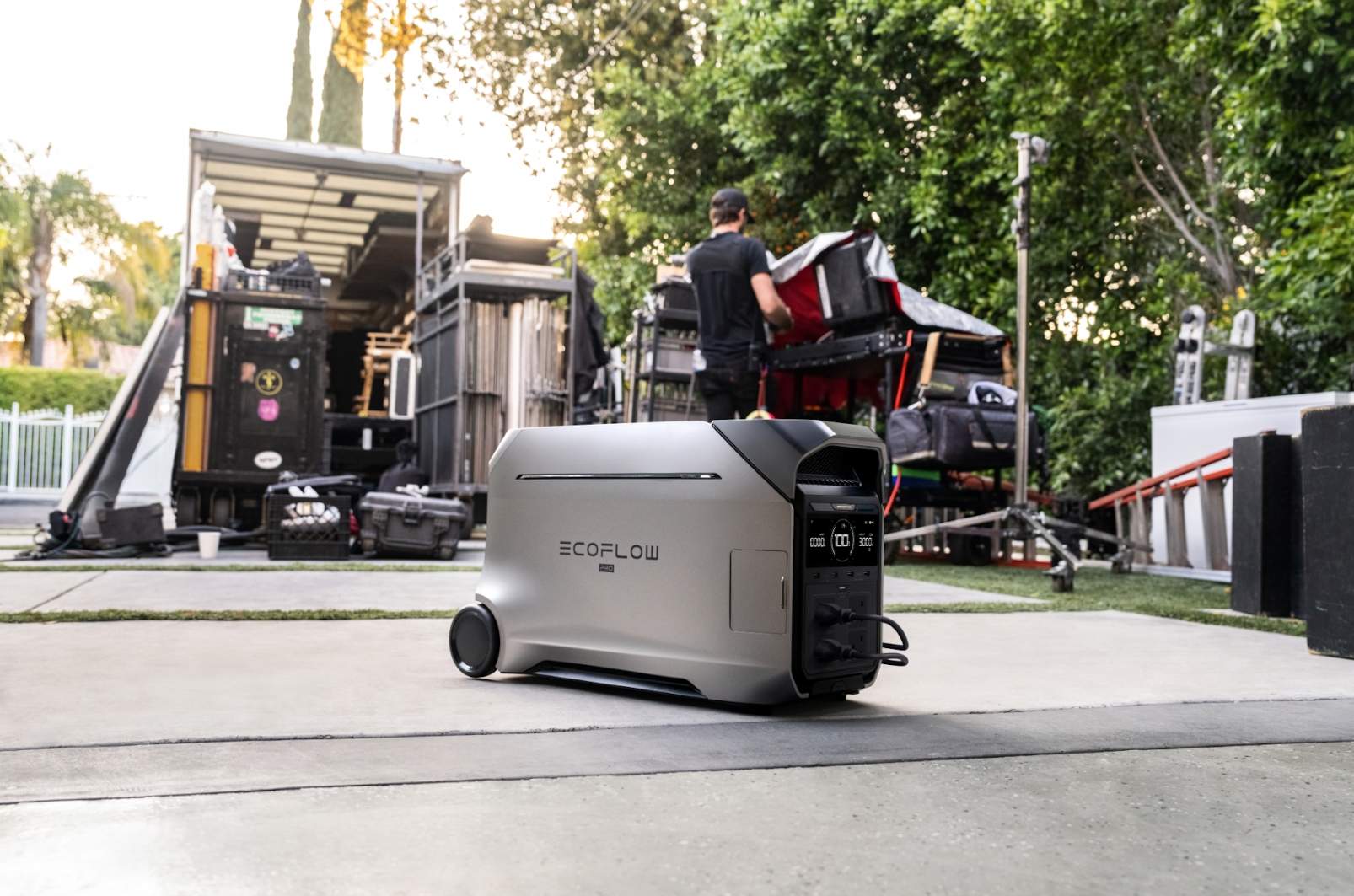
EcoFlow DELTA Pro 3 + 400W Portable Solar Panel works well for users who want a cleaner backup option with solar input, and its fast recharging makes it easier to keep power ready for outages or flexible off-grid use. It supports both 120V and 240V output, expands from 4–48kWh, reaches up to 4000W with 6000W X-Boost when needed, and uses an LFP battery rated for 4000 cycles, which makes it a flexible fit for everything from essentials to more demanding home backup needs.
Here is a simple way to break it down:
Need | Best-Fit Direction |
Grid-level clean electricity | Utility-scale solar |
On-site daytime bill reduction | Distributed solar |
Backup power after sunset | Solar plus storage |
Portable energy for flexible use | Solar generator or portable power station |
Choose the Right Solar Solution for Your Energy Needs
Utility-scale solar supports the grid at scale, while distributed solar serves users closer to where electricity is consumed. If backup power, evening use, mobility, or resilience matter most, storage and portable power can fill the gap that fixed solar systems do not always cover. The right choice comes down to the kind of energy need you want to solve first.
FAQs
Q1. Is community solar a good option if I cannot install panels on my property?
Yes. Community solar can be a practical choice for renters, apartment residents, or homeowners whose roof is shaded, small, or unsuitable for installation. Instead of placing panels on your own property, you subscribe to a shared solar project and receive bill credits based on your share of the output. It does not provide backup power at home, but it can still help lower electricity costs and support cleaner energy use.
Q2. Will solar panels alone keep my home running during a power outage?
No, not in most cases. A standard grid-tied solar system usually shuts down during an outage for safety reasons, even if the sun is shining. If backup power is important, solar generally needs to be paired with a battery or another backup solution designed for outage use. That setup allows selected circuits or devices to stay powered when the grid is unavailable.
Q3. Is it better to size backup power for the whole house or just essential appliances?
In many cases, essential loads are the smarter starting point. Powering an entire house requires a larger and more expensive system, especially if you want to run air conditioning, electric heating, or multiple major appliances at once. A backup setup focused on essentials such as refrigeration, lighting, internet, medical devices, and phone charging is often easier to manage and more cost-effective for most households.
Q4. Can I add battery storage later if I already have a solar system?
Yes, in many cases you can. A battery can often be added later, but compatibility depends on your inverter, electrical panel, system design, and local installation requirements. Some homes need only minor upgrades, while others may need additional equipment to make solar and storage work together properly. If future backup power matters to you, it is smart to ask about storage compatibility before making any solar purchase.
Q5. Do portable solar generators require less upkeep than fuel-powered generators?
Yes, usually they do. Portable solar generators generally avoid many of the maintenance tasks associated with fuel-powered units, such as storing gasoline, changing oil, or dealing with engine wear. They are often quieter and simpler for everyday users, especially for indoor backup of small to medium essential devices. The tradeoff is that runtime and output depend on battery capacity, recharge options, and the amount of power you need.
For press requests or interview opportunities, reach out to our media team
media.na@ecoflow.com