Used EV Tax Credit 2026: Who Qualifies, Income Limits, and How to Claim
- Is There a Federal Used EV Tax Credit in 2026?
- Section 25E Previously Owned Clean Vehicle Credit Rules Buyers Still Need to Know
- How to Claim the Credit on Your 2025 Return Filed in 2026
- Other Ways to Lower the Cost of a Used EV in 2026
- How to Shop Smarter for a Used EV without Relying on a Federal Credit
- Frequently Asked Questions
- Make a Confident Used EV Decision in 2026
As more drivers turn to electric vehicles to reduce fuel costs and emissions, many shoppers are wondering if federal incentives are still available for used EV purchases in 2026. Tax credits have played a major role in making electric transportation more affordable, but eligibility rules, income thresholds, and program timelines can be confusing.
Is There a Federal Used EV Tax Credit in 2026?
The federal tax credit for previously owned clean vehicles was created under Section 25E of the Internal Revenue Code and provided qualifying buyers with a tax credit worth up to $4,000 or 30% of the vehicle's purchase price, whichever was lower. However, buyers should pay close attention to legislative updates and expiration dates affecting federal clean vehicle incentives.
For individuals filing taxes in 2026, eligibility generally depends on when the vehicle was purchased and if the applicable requirements were met at the time of sale. A used EV purchased during a qualifying period may still generate a credit claim on a tax return filed in 2026, even if the purchase occurred during the prior tax year.
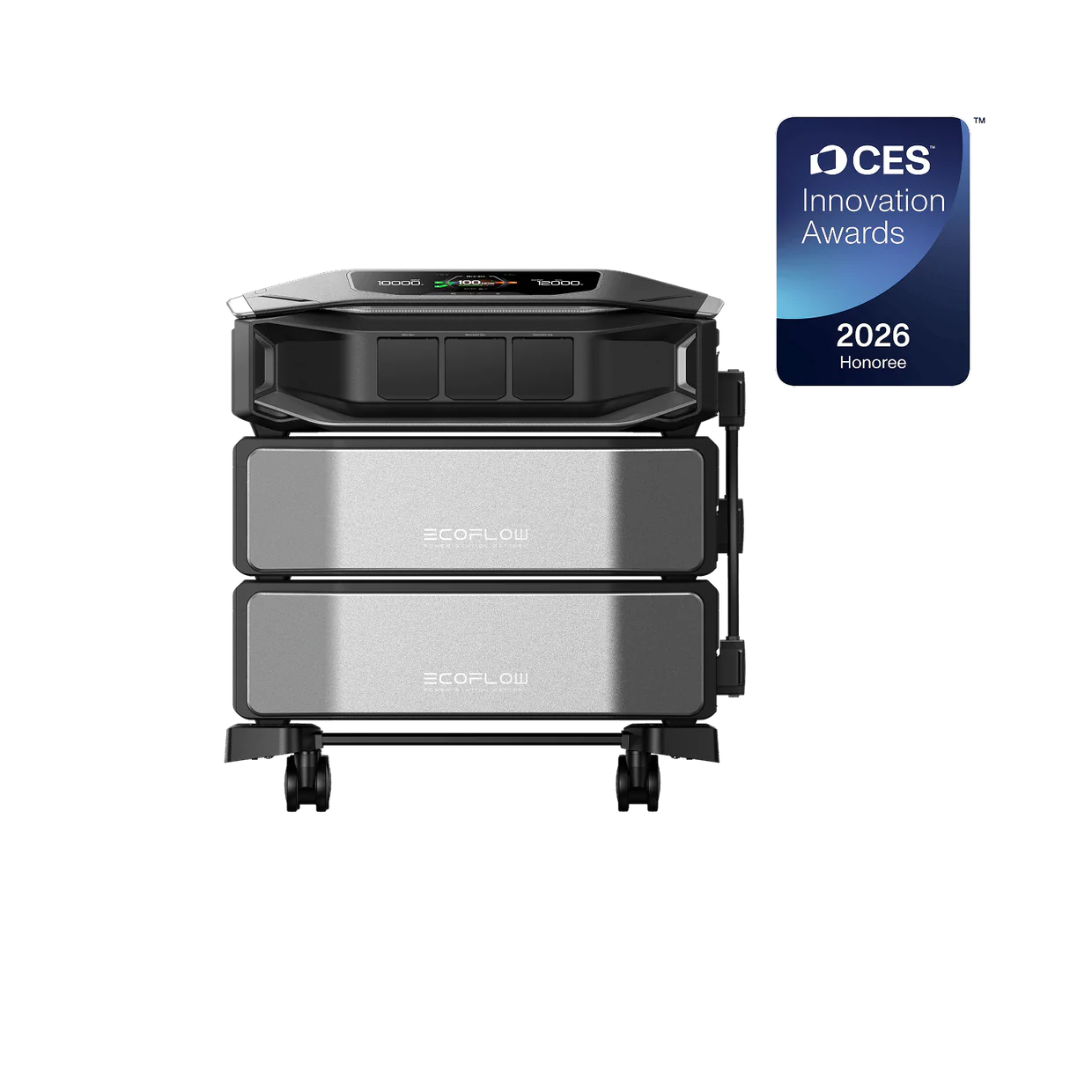
Many EV owners also look beyond the purchase price and think about long-term running costs. Pairing an electric vehicle with a home energy storage system like the EcoFlow DELTA Pro Ultra X means you can store solar energy during the day and use it to charge your car overnight, cutting your reliance on grid electricity and reducing ongoing fuel costs over time.
For broader energy resilience, pairing your setup with a whole home generator can keep your home and charging station running through outages.
Section 25E Previously Owned Clean Vehicle Credit Rules Buyers Still Need to Know
Section 25E established several requirements that buyers needed to satisfy to qualify for the previously owned clean vehicle credit.
Buyers had to purchase the vehicle from a licensed dealer rather than through a private-party sale. The sale price could not exceed $25,000, and the vehicle had to be at least two model years older than the calendar year in which it was purchased.
The credit was limited to buyers whose modified adjusted gross income fell below specific thresholds. Single filers generally had an income limit of $75,000, heads of household were limited to $112,500, and married couples filing jointly were subject to a $150,000 threshold.
The vehicle also needed to meet battery capacity requirements and could not have previously been transferred to another qualified buyer under the same used clean vehicle credit program. These rules were designed to target incentives toward affordable EV purchases and first-time qualified transactions.
For homeowners planning a broader energy strategy, a whole home backup power solution can complement EV ownership by providing backup electricity for charging and essential household loads during outages.
How to Claim the Credit on Your 2025 Return Filed in 2026
Taxpayers who purchased a qualifying used electric vehicle during the 2025 tax year may be able to claim the credit when filing their federal return in 2026. Documentation from the dealer is essential because dealers were required to report eligible vehicle sales and provide buyers with information needed to support the credit claim.
Buyers should retain purchase agreements, vehicle identification information, dealer certifications, and any supporting tax documentation. Check the latest IRS guidance, as filing requirements may change.
Some EV owners also invest in advanced home energy storage systems such as the EcoFlow DELTA Pro Ultra X, which can help store solar energy for vehicle charging and household backup power needs.
Other Ways to Lower the Cost of a Used EV in 2026
Even if a federal tax credit is unavailable for a particular purchase, buyers may still find substantial savings opportunities. State and local incentive programs continue to offer rebates, tax credits, registration discounts, and utility-sponsored benefits in many areas.
Certified pre-owned EV programs can provide additional value through extended warranties and vehicle inspections. Buyers may also benefit from lower maintenance costs compared to gasoline-powered vehicles, since electric drivetrains contain fewer moving parts and require less routine service.
Home charging can further reduce ownership expenses. Resources such as a guide to electric vehicle solar panel charging can help drivers understand how renewable energy can offset charging costs over time.
How to Shop Smarter for a Used EV without Relying on a Federal Credit
A smart used EV purchase starts with evaluating battery health, driving range, charging compatibility, and vehicle history rather than focusing solely on incentives. Reviewing service records and obtaining a professional inspection can help identify potential issues before purchase.
Buyers should also compare available charging options at home, work, and along frequently traveled routes.
Many households researching vehicle electrification also explore products like the EcoFlow DELTA Pro to support flexible energy storage and backup power applications. In addition, educational resources such as an EV car charger solar home battery guide can help consumers evaluate how EV charging, solar panels, and battery storage systems work together.
For prospective Tesla owners, understanding solar charging requirements is equally valuable. Learning how many solar panels to charge a Tesla can provide a clearer picture of potential energy production and long-term charging costs.

Frequently Asked Questions
Can I Get a Federal Used EV Tax Credit for a Used EV I Buy in 2026?
Eligibility depends on current federal law and the timing of the vehicle purchase. Buyers should verify the latest IRS guidance and legislative updates before assuming a credit is available. If the credit has been modified or eliminated, state-level incentives may still offer meaningful savings on a qualifying purchase.
Who Can Still Claim the Used EV Credit When Filing Taxes in 2026?
Taxpayers who purchased a qualifying used EV during the applicable tax year and met all Section 25E requirements may be able to claim the credit when filing their return in 2026. This includes meeting the income thresholds, purchasing from a licensed dealer, and staying within the vehicle price cap.
Do Private-party Used EV Sales Qualify for the Credit?
No. Under Section 25E rules, qualifying vehicles generally had to be purchased through a licensed dealer rather than a private-party transaction. The dealer was also required to report the sale to the IRS and provide the buyer with documentation needed to support the credit claim at tax time.
What Income Limits and Price Cap Applied to the Section 25E Used EV Credit?
The income limits were generally $75,000 for single filers, $112,500 for heads of household, and $150,000 for married couples filing jointly. The vehicle sale price could not exceed $25,000. Eligibility was based on modified adjusted gross income for either the year of purchase or the prior tax year. [1]
Make a Confident Used EV Decision in 2026
Used EV incentives can help lower ownership costs, but eligibility depends on specific income limits, vehicle requirements, dealer participation, and purchase timing. Even when a federal tax credit is unavailable, shoppers can still find value through state incentives, lower operating costs, and smart charging strategies.
By researching battery health, ownership costs, and available energy solutions, buyers can make a confident and informed decision when purchasing a used electric vehicle in 2026.
If you want to stretch your EV savings further, pairing your vehicle with a home energy storage system is one of the most effective ways to cut long-term charging costs. The EcoFlow DELTA Pro Ultra X lets you store solar energy and power your home, and your car, independently from the grid.
References
[1] https://www.irs.gov/credits-deductions/used-clean-vehicle-credit
For press requests or interview opportunities, reach out to our media team
media.na@ecoflow.com