Garage Freezer: Summer Food Storage Tips for Homes
A garage freezer can add valuable storage, but summer heat makes placement, loading, temperature checks, and outage planning more important. The safest setup keeps frozen food at 0 degrees Fahrenheit, limits door openings, and gives you a clear decision rule after power loss.
Is a Garage Freezer Safe?
A garage freezer can be safe when the appliance is rated for the garage temperature range and has enough airflow. Standard indoor units may struggle in very hot or very cold spaces, which can raise energy use and reduce temperature stability.
Check the Rating
Look for manufacturer language such as garage-ready and verify the stated ambient temperature range. Do not assume every freezer in a garage will perform through summer heat.
Measure the Space
Leave clearance behind and around the unit so heat can move away from the compressor. Avoid tight corners, direct sun through windows, and placement next to water heaters or laundry heat.
Track the Temperature
Use an appliance thermometer inside the freezer. Built-in controls show settings, not always actual food-space temperature.
A garage freezer is a food-safety tool only if it can hold temperature under real garage conditions. Treat the garage as a harsher environment than the kitchen.
What Temperature Should It Hold?
Keep the freezer at 0 degrees Fahrenheit or below. A refrigerator section, if you use a garage refrigerator freezer, should stay at 40 degrees Fahrenheit or below, with ENERGY STAR recommending 35 to 38 degrees Fahrenheit for normal refrigerator operation.
Item | Target Temperature | Why It Matters |
|---|---|---|
Freezer | 0 degrees Fahrenheit or lower | Preserves frozen food quality and safety |
Refrigerator | 40 degrees Fahrenheit or lower | Slows pathogen growth |
Garage air | Within appliance rating | Protects compressor performance |
Cooler backup | 40 degrees Fahrenheit or lower | Keeps perishables safe during outages |
Check temperature during the hottest part of the day, not just early morning. Summer garages can swing widely between night and afternoon.
Temperature records help you spot slow failures before food is lost. A cheap thermometer can protect hundreds of dollars in meat, seafood, frozen meals, and garden produce.
How Should You Organize Food?
Good freezer food storage is about airflow, labels, and recovery time. A well-packed freezer stays cold longer during short outages, but an overpacked freezer can block airflow and freeze unevenly.
Group meat, poultry, seafood, vegetables, fruit, and prepared meals separately.
Use flat packages so food freezes quickly and stacks efficiently.
Label each package with item name and date.
Keep older food in front or on top.
Use bins for small items that otherwise disappear.
Leave enough space for cold air circulation.
Freeze water containers to fill empty space and add thermal mass.
Avoid placing warm leftovers directly into a crowded freezer. Cool food safely first, package it shallowly, and freeze it promptly.
The best garage freezer layout lets you find food quickly. Shorter door openings mean better temperature stability in summer.
What Happens During Outages?
FoodSafety.gov states that a full freezer can hold a safe temperature for about 48 hours if the door remains closed, while a half-full freezer lasts about 24 hours. The real outcome depends on room heat, door openings, insulation, and starting temperature.
Keep the freezer door closed.
Note the outage start time.
Move refrigerated perishables to a cooler with ice if the fridge passes four hours.
Check the freezer thermometer when power returns.
Refreeze food that still has ice crystals or is at 40 degrees Fahrenheit or below.
Discard risky food that has been above 40 degrees Fahrenheit for more than two hours.
Never taste food to decide if it is safe.
Summer outages are harder on a freezer in garage spaces because ambient heat is higher. A half-full freezer in a hot garage may lose safe temperature faster than a full basement freezer.
Does Backup Power Help Food?
Backup power can protect a garage freezer when outages are frequent, long, or expensive. Start by identifying wattage, startup surge, outage length, and whether other loads share the same backup source.
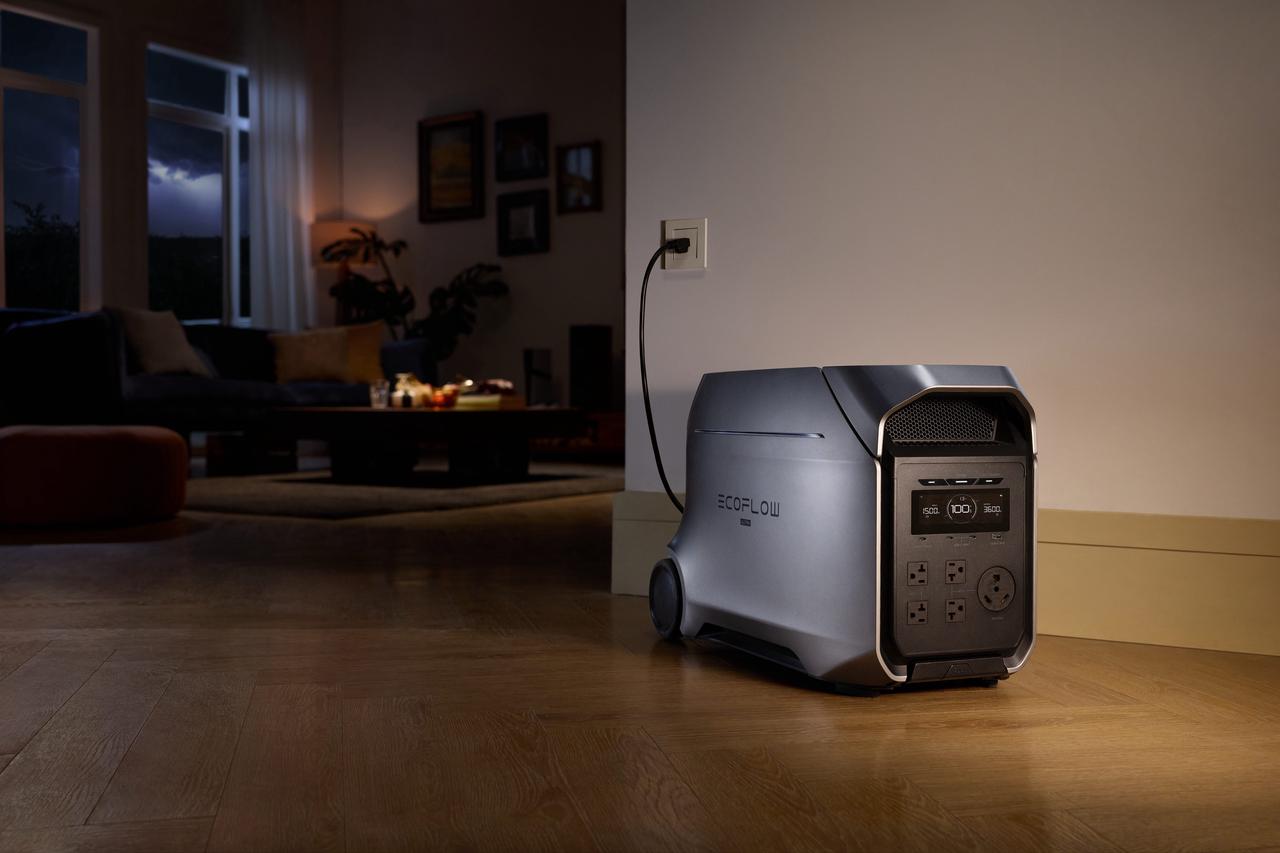
For food storage resilience, EcoFlow DELTA 3 Ultra Plus gives a garage freezer backup plan 3072Wh capacity, 3600W rated output, 7200W surge output, 3 to 11kWh expandable capacity, 10ms auto-switching, and quiet operation for essential home loads.
Backup power is not a license to ignore food safety. You still need thermometers, closed doors, and a discard rule for food that warms beyond safe limits.
How Do You Reduce Energy Waste?
A garage freezer works harder in heat. Reducing waste protects the appliance, lowers electricity use, and improves food safety margins.
Place It Wisely
Choose the coolest practical wall, away from afternoon sun and heat-producing equipment. Keep dust and clutter away from vents and coils.
Maintain the Seal
Check gaskets with a paper test. If paper slides out easily from a closed door, the seal may need cleaning, adjustment, or replacement.
Load It Intelligently
Keep the freezer reasonably full with food or frozen water containers. Thermal mass slows temperature rise when the door opens or power fails.
Defrost When Needed
Manual defrost units lose efficiency when frost builds up. Follow the manufacturer instructions before frost reduces storage space or airflow.
Efficiency is not only about utility cost. In summer, every degree of avoided heat stress improves your margin during an outage.
Keep Your Garage Freezer Running Smoothly
A garage freezer is useful when it is rated for the space, kept at 0 degrees Fahrenheit or below, organized for airflow, and backed by a clear outage plan. Use thermometers, limit door openings, keep the freezer reasonably full, and discard food that exceeds safety limits.
FAQs
Q1. Can You Put a Freezer in Garage Spaces?
Yes, you can put a freezer in garage spaces if the model is rated for the garage temperature range and has proper clearance. Check the manufacturer's ambient temperature limits before buying or relocating a unit. Standard indoor freezers may lose efficiency, run constantly, or fail to hold temperature in summer heat.
Q2. What Is a Garage Refrigerator Freezer?
A garage refrigerator freezer is an appliance designed or rated to operate in garage conditions, often with wider ambient temperature tolerance than standard indoor models. Buyers should verify the stated operating range, ventilation needs, and whether the freezer section stays cold when garage temperatures swing above or below normal indoor conditions.
Q3. What Is Safe Freezer Food Storage?
Safe freezer food storage means keeping food at 0 degrees Fahrenheit or below, packaging it airtight, labeling it with dates, and freezing it quickly through normal household rotation. During outages, food that still has ice crystals or remains at 40 degrees Fahrenheit or below can often be refrozen, though quality may decline.
Q4. How Long Does a Freezer Stay Cold?
A full freezer generally stays safely cold for about 48 hours if the door remains closed. A half-full freezer generally lasts about 24 hours. A freezer in garage heat may warm faster, so use an appliance thermometer and avoid opening the door until power returns or you are moving food to ice.
Q5. Is a Freezer in Garage Heat Expensive?
A freezer in garage heat can cost more to run because the compressor works harder against high ambient temperatures during long hot afternoons. Cost depends on the model, insulation, door seal, garage temperature, loading pattern, and maintenance. Placing the freezer away from heat and keeping coils clean can reduce energy waste.
Q6. When Should Frozen Food Be Discarded?
Discard frozen food if it has been above 40 degrees Fahrenheit for more than two hours, especially meat, seafood, poultry, casseroles, dairy, and prepared meals. Never taste food to judge safety. If food still has ice crystals or stayed at 40 degrees Fahrenheit or below, refreezing may be acceptable, or when records are unclear.
Disclaimer
This article is general home and food-safety information, not appliance repair, electrical, or medical advice. For official outage and frozen food rules, review FoodSafety guidance before deciding what to keep or discard.
Appliance performance varies by model, wiring, ventilation, and garage conditions. Follow your manufacturer's manual, local electrical code, and qualified technician guidance before installing or powering any freezer in a garage.
For press requests or interview opportunities, reach out to our media team
media.na@ecoflow.com