Unpaid Electricity Bills: Why More Americans Than Ever Are Getting Their Power Cut Off
Power cutoffs are on the rise across the U.S. as families struggle with unpaid bills. One reason is that electricity costs are rising twice as fast as inflation. But this growing crisis is more than just people missing payments.
It reflects a deeper, long-term trend of high energy costs, stagnant wages, and cuts to assistance programs, which are pushing families into energy poverty. Learn more about this latest energy crisis and what you can do to make your home more resilient.
The Growing Crisis of Power Cutoffs
Recent Increases in Dosconnections
According to studies by the National Energy Assistance Directors Association (NEADA), 3.5 million people had their utilities cut by the end of 2024. And that has gotten significantly worse since then.
Data shows that utility disconnections have risen in 8 of 11 states in the last year. In some areas of the northeastern states and in New York City, residential shutoffs have risen fivefold from just one year ago.
The Rise In Utility Debt
The Century Foundation, a non-profit that tracks consumer debt, says that since 2022, the average overdue balance on utility bills has increased by 32%, from $597 to $789. By June of last year, about 14 million Americans, nearly 1 in 20 households, were so far behind on utility bills that they were in arrears or sent to collection agencies.
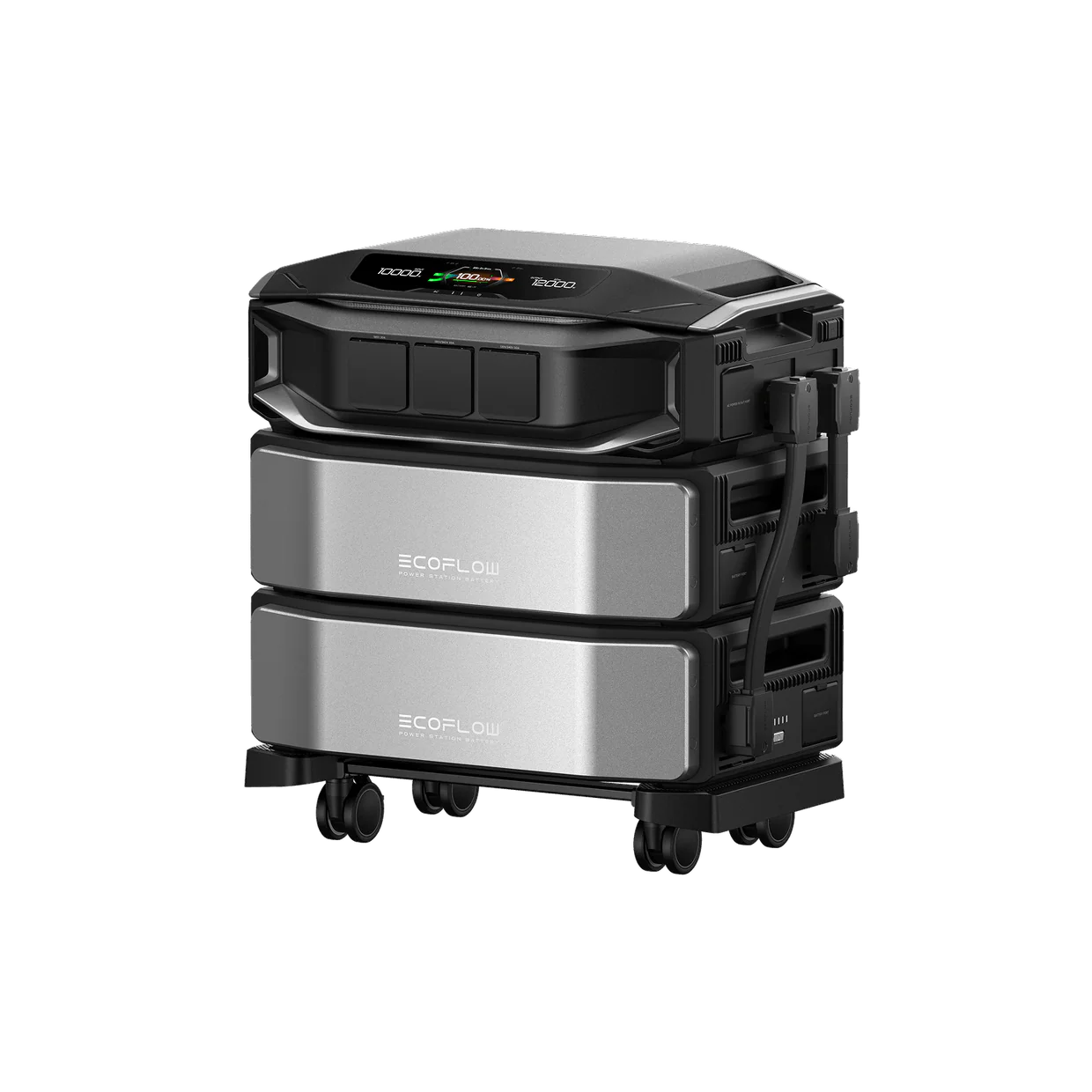
Having a home backup generator like the EcoFlow DELTA Pro Ultra X will keep essential appliances and lights running and even power electric heaters and large air conditioners, thanks to its expandable capacity. If you never want to worry about a shutoff again, recharge it with solar panels to enjoy free energy.
What’s Driving the Dramatic Rise in Unpaid Electricity Bills
Let’s look at the three main root causes behind this trend.
Rising Energy Prices
According to NEADA, electricity costs have been rising about twice as fast as inflation. There are several reasons for this:
Natural gas prices increased by 56% in 2025 compared to 2024. The USA gets over 40% of its electricity from natural gas.
Aging electrical infrastructure has prompted numerous upgrades in recent years.
Higher wages and inflation of material costs.
Growth in data centers, EVs, and industrial electrification.
Stagnant Wages and Layoffs
Another reason for the increase in energy poverty is stagnant wages. Despite some wage increases, overall post-pandemic wages have shown no real net improvement, once adjusted for inflation. Add to that recent government and corporate layoffs, and Americans finding it harder to find work, and more families are struggling to pay rising bills.
Reduced Safety Net Support
There has also been a significant reduction in spending in federal assistance programs like the Low Income Home Energy Assistance Program (LIHEAP), which has seen about $2 billion in budget cuts in recent years. Furthermore, under the Big Beautiful Bill, the program now affects SNAP benefits; if you receive energy aid, you get fewer SNAP benefits, forcing families to choose between power and food.
Who Is Most Affected by Utility Shutoffs?
Low-income households that spend a relatively high portion of their monthly income on utility bills are at the greatest risk. However, households with seniors or members with medical needs are typically the most vulnerable when the power goes out.
Geographically, states with the costliest electricity rates are typically more vulnerable. Also, while most Americans have some sort of cold-weather protection that prevents power cuts during winter months, few have protection for summer months during extreme heat waves.
The Human Impact of Energy Poverty
Disruption to Daily Life
Losing power at home means losing heating or cooling, which could force families to leave their homes to seek shelter. It also interferes with communications, getting to work, and eliminates their food storage abilities.
Health and Safety Risks
Without power, the food in fridges and freezers will quickly reach unsafe temperatures. Families already facing hardships may try to salvage food they shouldn’t, risking sickness or death. In extreme cold or heat, it can be impossible to maintain safe indoor temperatures, risking hypothermia, heat stroke, or worse. Also, people who rely on medical equipment face a serious risk.
Financial Stress
The financial stress of energy debt, uncertainty, and repeated shutoffs can cause enormous problems for families. It increases their risk of bankruptcy and deepens psychological stress, which can cause additional health issues.
What Households Can Do to Avoid Disconnection
Communicate With Your Utility
If you are getting behind on your payments, don’t delay in contacting your utility company. Many offer to arrange payment plans and may offer assistance or direct you to where you can get assistance.
Explore Assistance Options
If you are facing a shutoff, explore assistance options. While LIHEAP has been cut back and is under threat of disappearing, it’s still available. There may also be local relief funds in your community or support from a non-profit.
Energy Saving Actions to Lower Bills
Anything you can do to save energy at home will lower your bills. Start with this:
Seal windows, doors, and other drafts.
Switch to energy-efficient appliances
Dry your laundry on a line rather than in a dryer.
Turn off lights, appliances, and electronics when not in use.
Use a smart thermostat.
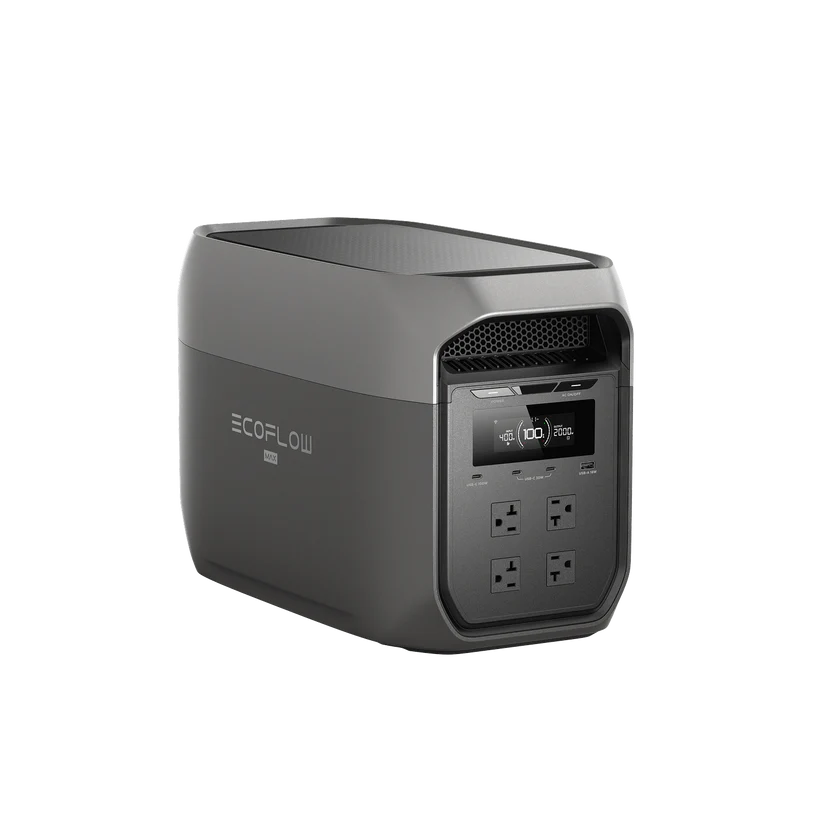
Use a home battery like the EcoFlow DELTA 3 Max Plus during peak electricity hours when rates are higher. Then recharge it when rates are lower, or better yet, recharge it with solar panels and enjoy free energy.
Final Thoughts
Unpaid electricity bills and power shutoffs are becoming a nationwide affordability crisis. With energy prices rising twice as fast as inflation, and assistance programs shrinking, more Americans are being forced to make impossible choices between power, food, and housing.
While broader solutions are needed to address this in the long term, you can act now to protect your family. Learn to use power more efficiently, reduce your home energy use, and invest in future-proof energy with the EcoFlow DELTA 3 Max Plus home generator.
For press requests or interview opportunities, reach out to our media team
media.na@ecoflow.com