What To Do If You Have An Ice Dam?
Ice dams create a chain reaction of problems that most American homeowners in snowy climates don't see coming. These thick ridges of frozen water trap melting snow on your roof, forcing water to seep under shingles and into your home. Beyond the obvious damage to ceilings and walls, ice damming can even contribute to neighborhood power outages when heavy ice pulls down electrical lines. Whether you're dealing with an active ice dam or want to prevent one from forming, knowing the right steps can save you thousands in repairs.

What Is an Ice Dam?
An ice dam forms when snow on your roof melts and refreezes at the edge, creating a barrier that traps water behind it. Heat from your attic warms the roof surface unevenly, melting snow at the top while the eaves stay cold. As meltwater runs down toward the colder roof edge, it refreezes into a ridge of ice. This creates perfect conditions for ice dam formation as the ridge grows larger with each freeze-thaw cycle. Trapped water backs up under shingles and penetrates your home's interior, causing damage that starts in the attic and spreads to ceilings and walls.
The Dangers of Ice Dams
Ice damming causes both immediate and long-term damage that extends beyond your roofline.
Water Infiltration and Interior Damage
Once water backs up behind an ice dam, it finds every tiny gap in your roof's defense system. Shingles aren't designed to handle standing water, so moisture seeps through to the underlayment and eventually into your attic insulation. From there, it drips onto ceilings, runs down walls, and saturates drywall. The damage often appears as brown or yellow stains spreading across ceilings, peeling paint and wallpaper in upper-floor rooms, sagging ceiling sections from water-logged insulation, and mold growth in attic spaces and wall cavities.
Structural Damage to Roofs and Gutters
The weight of ice puts tremendous stress on your roof's edge and drainage system. Your gutters take a beating as ice accumulation can rip them away from fascia boards, and the constant freeze-thaw action cracks gutter seams. Shingles deteriorate faster when exposed to standing water, and the ice itself can lift shingle edges, breaking the seal that keeps water out. Fascia boards (the vertical boards behind gutters) rot when continuously exposed to moisture from roofs and ice dams.
Electrical Hazards and Power Outages
Large ice formations add significant weight to roof edges where power lines often attach to homes. When this ice breaks free, it can pull down service lines or damage the connection point. Neighborhoods dealing with widespread ice damming often experience falling tree branches weighted down by ice, which can take out power lines. The combination of roof ice and storm conditions leaves homes without power for hours or even days.
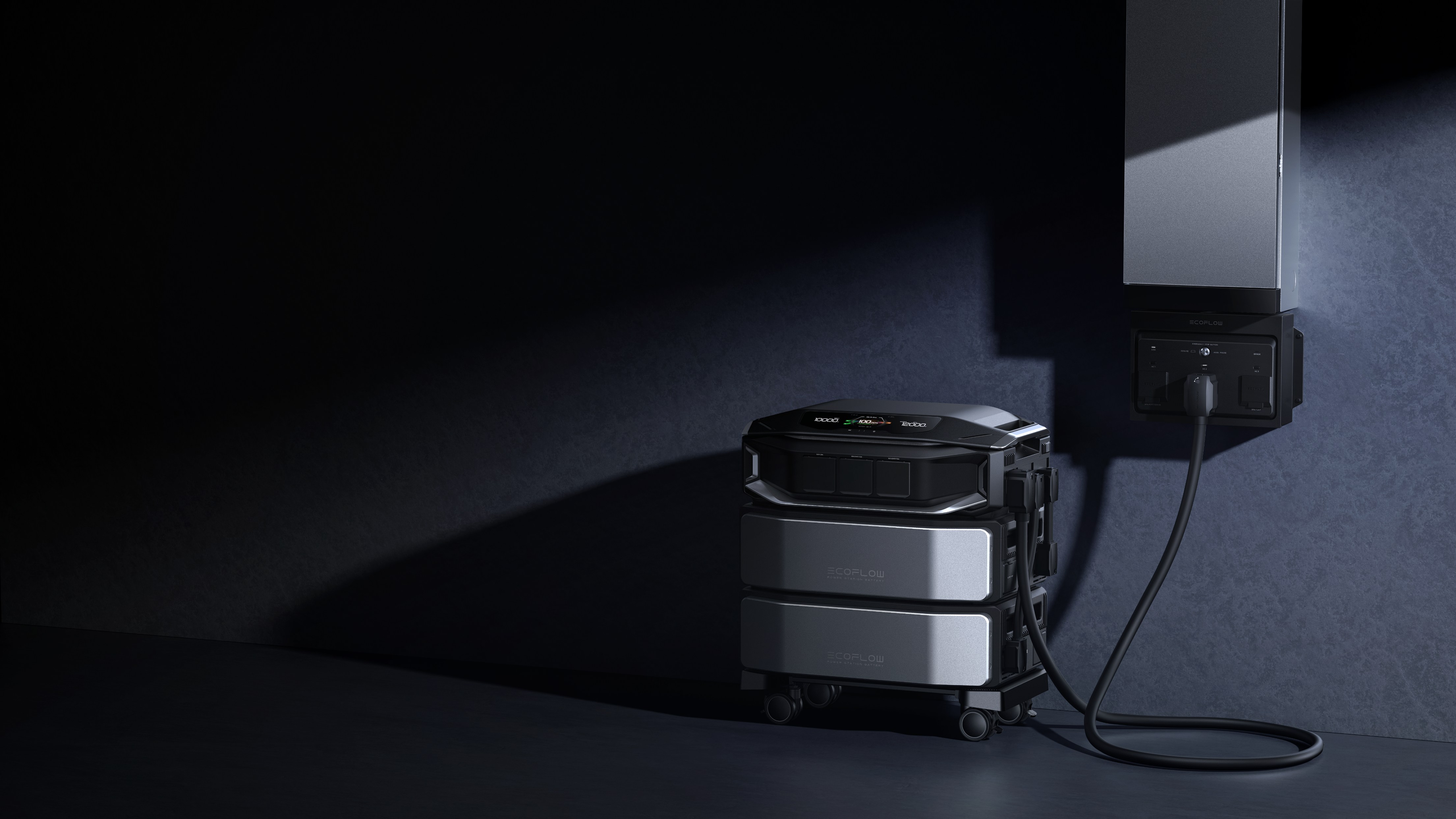
When winter storms knock out power, having a reliable backup becomes essential. The EcoFlow DELTA Pro Ultra provides whole-home backup power with 6-90kWh capacity that scales to your needs. Its generator-ready design pairs seamlessly with portable generators for unlimited runtime, ensuring your heating, lighting, and essential appliances stay operational even during extended outages caused by ice dam-related damage to power infrastructure. With its proprietary heating technology, it delivers consistent performance even in sub-zero temperatures.
How to Remove Ice Dams Safely
Removing an active ice dam requires careful attention to avoid making the situation worse. Quick action prevents water from backing up further under your shingles and stops ice damming from causing additional damage.
Quick Emergency Solutions for Ice Dam Removal
A roof rake offers the safest DIY approach for how to remove ice dams. Standing on the ground, use the rake to pull snow off your roof, working from the bottom edge upward. Remove at least three to four feet of snow above the ice dam to stop the melting-refreezing cycle that drives ice damming.
For the ice dam itself, fill a pair of pantyhose or a tube sock with calcium chloride ice melt and lay it vertically across the dam. This creates a channel for trapped water to escape without you climbing onto an icy roof. Never use rock salt, as it damages shingles and doesn't work effectively in freezing temperatures.
When to Call for Professional Help
Professionals use low-pressure steam to melt ice dams without damaging your roof. This method works faster than DIY approaches and handles severe cases that household tools can't touch.
Call a professional for ice dam removal when:
Your ice dam extends more than six inches thick
You notice active leaking inside your home
Multiple ice dams have formed across different roof sections
Your roof pitch makes DIY removal dangerous
Critical Mistakes to Avoid
Never hack at ice dams with a hammer, ice pick, or sharp tools. You'll puncture shingles, tear underlayment, and create leak points that outlast the ice dam itself. Pouring hot water seems logical, but actually makes things worse by adding more water that will refreeze into an even larger dam.
How to Prevent Ice Dams on the Roof
Ice damming can be prevented by controlling heat loss from your home. A combination of immediate maintenance and long-term upgrades creates the best defense against roofs and ice dams.
Immediate Actions to Prevent Ice Dams
These steps provide quick protection during winter:
Remove snow from your roof after heavy snowfall using a roof rake from ground level. This eliminates one of the key ingredients for ice dam formation. Clear at least three to four feet of snow above the eave line before it melts and refreezes.
Clean gutters and downspouts before winter arrives, removing leaves and debris that create artificial dams and worsen ice buildup.
Create drainage channels in emergencies where water is actively flowing into your house. Fill pantyhose with calcium chloride ice melt and lay it vertically across the ice dam to allow trapped water to drain. This serves only as a temporary solution.
Install heat cables along problem areas on roof edges where ice dams form repeatedly, though they work best as a supplementary measure.
Long-Term Prevention Strategies
Permanent solutions address the root cause by controlling heat loss:
Seal air leakage paths between your house and attic space first. Make the ceiling airtight by addressing attic access hatches, recessed lighting fixtures, exhaust fan housings, and plumbing penetrations where warm air commonly escapes.
Upgrade attic insulation after sealing air leaks. Add insulation to your attic floor to create a thermal barrier that keeps heat in your living space. Achieve consistent coverage with no gaps around light fixtures, chimneys, or plumbing vents for effective protection on how to prevent ice dams on roof surfaces.
Install balanced ventilation systems with soffit vents under the eaves and ridge vents at the roof peak. This continuous airflow keeps the entire roof surface at outdoor temperature, preventing warm spots that lead to ice damming.
Upgrade roofing materials in vulnerable areas by adding ice and water shield membranes, repairing damaged flashing, and replacing deteriorated shingles.
Take Action Against Ice Dams Now
Ice dams turn winter snowfall into a serious threat to your home's structure and your wallet. The key lies in maintaining consistent roof temperatures through better insulation and ventilation, stopping the melt-refreeze cycle before it starts. When ice dams do form, acting quickly with safe removal methods prevents water from penetrating your living space and causing thousands of dollars in damage. The investment you make in prevention pays off season after season.
FAQs
Q1. How Long Does It Take for an Ice Dam to Cause Damage?
Water infiltration can begin within hours once an ice dam forms and backs up water under your shingles. While the actual visible damage inside your home—like ceiling stains or peeling paint—might not appear for days or weeks, structural decay and insulation saturation start the moment water breaches the roof's defense system.
Q2. Should I Break Up an Ice Dam Myself?
No, you should never try to chip or hack away at an ice dam. While it's tempting to use a hammer or ice pick, one wrong move can easily puncture shingles or tear the roof's underlayment, creating immediate leaks. Breaking ice also poses serious safety risks, as large chunks are unpredictable and could slide down on you without warning.
Q3. Will a Metal Roof Stop Ice Dams?
Not necessarily. Metal roofs are smoother and better at getting rid of snow than asphalt roofs, but they can still get ice dams if the roof surface includes warm and cold areas. If your attic isn't well insulated, heat will still escape and melt the snow, which will then freeze again at the cold eaves, making ice dams.
Q4. Will Adding More Insulation Alone Prevent Ice Dams?
Not always. To keep your entire roof at external temperatures, ventilation and insulation should be perfectly balanced. Adding thick insulation without ensuring sufficient ventilation through soffit and ridge vents can actually retain heat in the attic, potentially making the melting-refreezing cycle worse.
For press requests or interview opportunities, reach out to our media team
media.na@ecoflow.com