TOPCon Solar Cells: Performance in Cloudy Weather
- What Are TOPCon Solar Cells, and How Do They Work?
- Why Does Solar Performance Drop in Cloudy Weather?
- How Do TOPCon Cells Perform in Low-Light Conditions?
- What Factors Affect Solar Output in Cloudy Conditions?
- How Can You Maximize Solar Performance in Low Sunlight?
- Frequently Asked Questions
- TOPCon Solar Technology Improves Reliability in Real-World Weather Conditions
Cloudy weather is often the Achilles' heel of solar production, with reduced efficiency and output when the clouds roll in. However, new technologies like TOPCon solar cells are changing that.
Since TOPCon models are designed to capture more energy in any situation, it makes them a viable choice for real-world situations where sunlight is inconsistent.
Understanding how they work and how to optimize your setup can help you get more reliable performance no matter the weather.
What Are TOPCon Solar Cells, and How Do They Work?
TOPCon stands for “Tunnel Oxide Passivated Contact,” a technology that increases solar output by reducing energy loss. Essentially, rather than producing more energy, they better capture the energy that’s already produced, thereby increasing efficiency.
When sunlight hits the cells, it causes electrons to be released just like any other solar cell. However, with standard solar cells, some of that energy is lost when the electrons recombine before they can be collected.
With TOPCon technology, the electrons immediately move through the tunnel oxide layer, which collects them before they’re lost. Then, the electrons, aka DC electricity, flow directly into the batteries as they do with normal solar cells.
High-quality monocrystalline panels without this technology can reach efficiencies around 18-23%, but with the EcoFlow NextGen 160W Portable Solar Panel, you can get up to 25% efficiency, generating more energy with less space. They also handle heat better than other panels, which also increases both their efficiency and longevity.
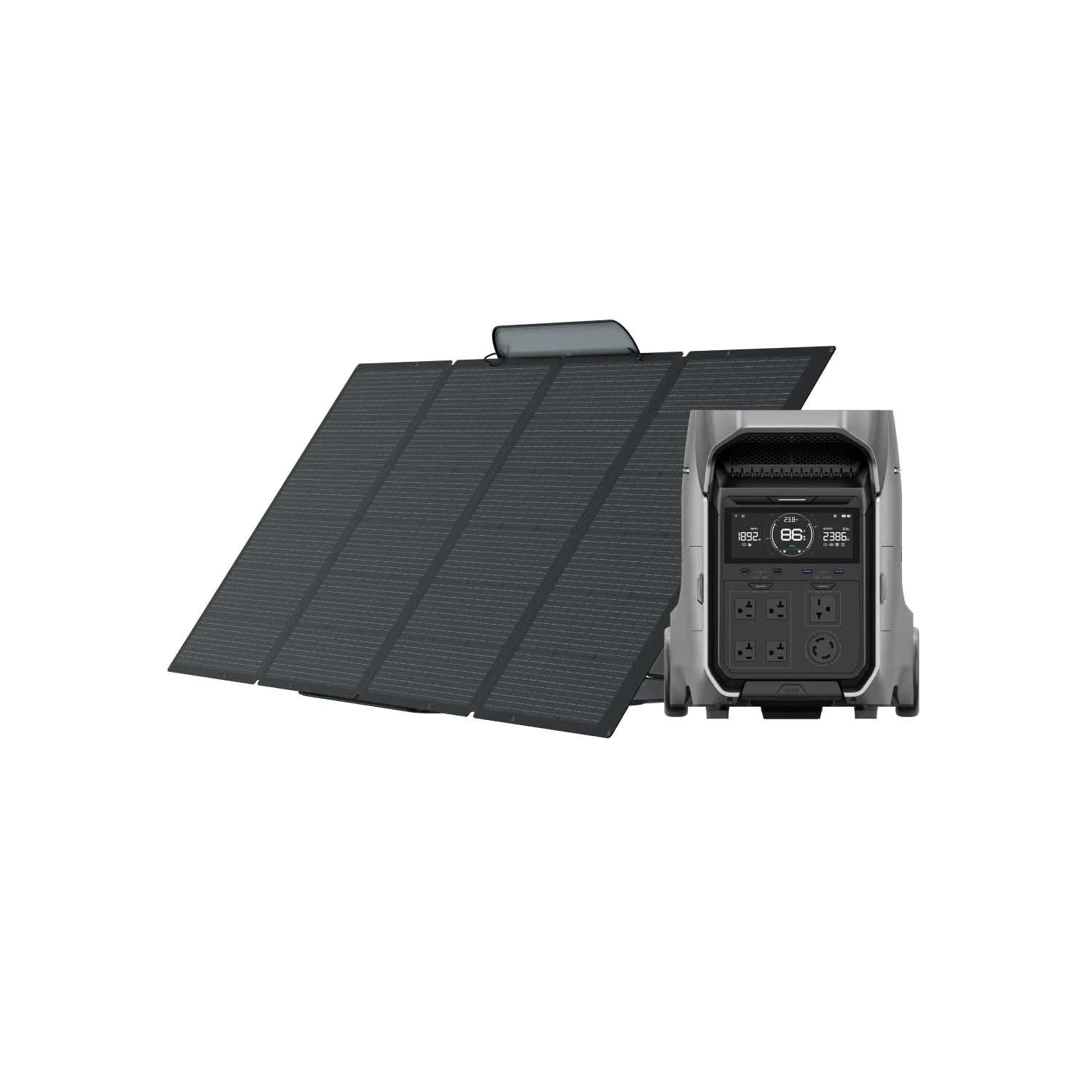
To put that efficiency to work, you can pair the NextGen 160W panel with a solar generator like the EcoFlow DELTA Pro 3 + 400W Solar Panel, which stores the captured energy so none of the extra output TOPCon technology unlocks goes to waste.
Why Does Solar Performance Drop in Cloudy Weather?
Traditionally, using solar panels on cloudy days means a significant decline in energy production because the panels are designed to collect energy optimally from direct sunlight. In cloudy conditions, the light is scattered in all directions, so less energy hits the surface at the optimal angle for energy production.
Furthermore, clouds also reduce the total amount of incoming sunlight, scattering it in the upper atmosphere back into space and reducing solar output. However, it can also lower the voltage of the system, which may prevent certain inverters from working efficiently or even at all in low-light conditions.
How Do TOPCon Cells Perform in Low-Light Conditions?
TOPCon solar cells excel above other commercially available technologies due to their optimal performance in low-light conditions.
Since they’re better at capturing more of the energy the panels produce, there’s very little loss. This allows it to perform better on cloudy days and early mornings when the light is not as direct.
And if you want to make your TOPCon cells even more reliable, they’re fully compatible with any of EcoFlow’s whole-home backup power solutions.
What Factors Affect Solar Output in Cloudy Conditions?
Cloud density and type are important factors, which is why production can vary widely throughout the day since thicker clouds block more sunlight.
Time of day and the angle of the sun already impact output in the early morning and late in the day when sunlight is less direct. Add clouds, and it drops further.
Panels that are properly angled toward the sun will capture more diffuse light than those that are flat or poorly angled.
Regional conditions strongly affect cloud cover. For instance, the Pacific Northwest is known for cloudy days, while the American Southwest is known for clear skies.
System design is a big factor, for instance, whether your panels are on the roof or ground, permanent or portable, and if they’re installed in a string or using microinverters.
You can enhance your efficiency further by storing your energy in a battery-operated whole-home generator so you can use every watt you produce.
How Can You Maximize Solar Performance in Low Sunlight?
Here are some tips to help you maximize your solar performance when you have low sunlight:
Avoid placing panels in shady locations, including small shadows from roof vents or chimneys.
Match the angle to your location’s latitude, +/- about 15°.
Optimize input in cloudy locations by installing some panels south and others east and west to catch more incoming sunlight.
Store the energy you produce in a solar generator so you can use every watt you produce.
Choose inverters that start working with less voltage or install panels in a string design to increase the voltage to meet inverter requirements.
Alternatively, install microinverters on individual panels so a weak panel, like one with partial shade, doesn’t bring down the performance of the whole system.
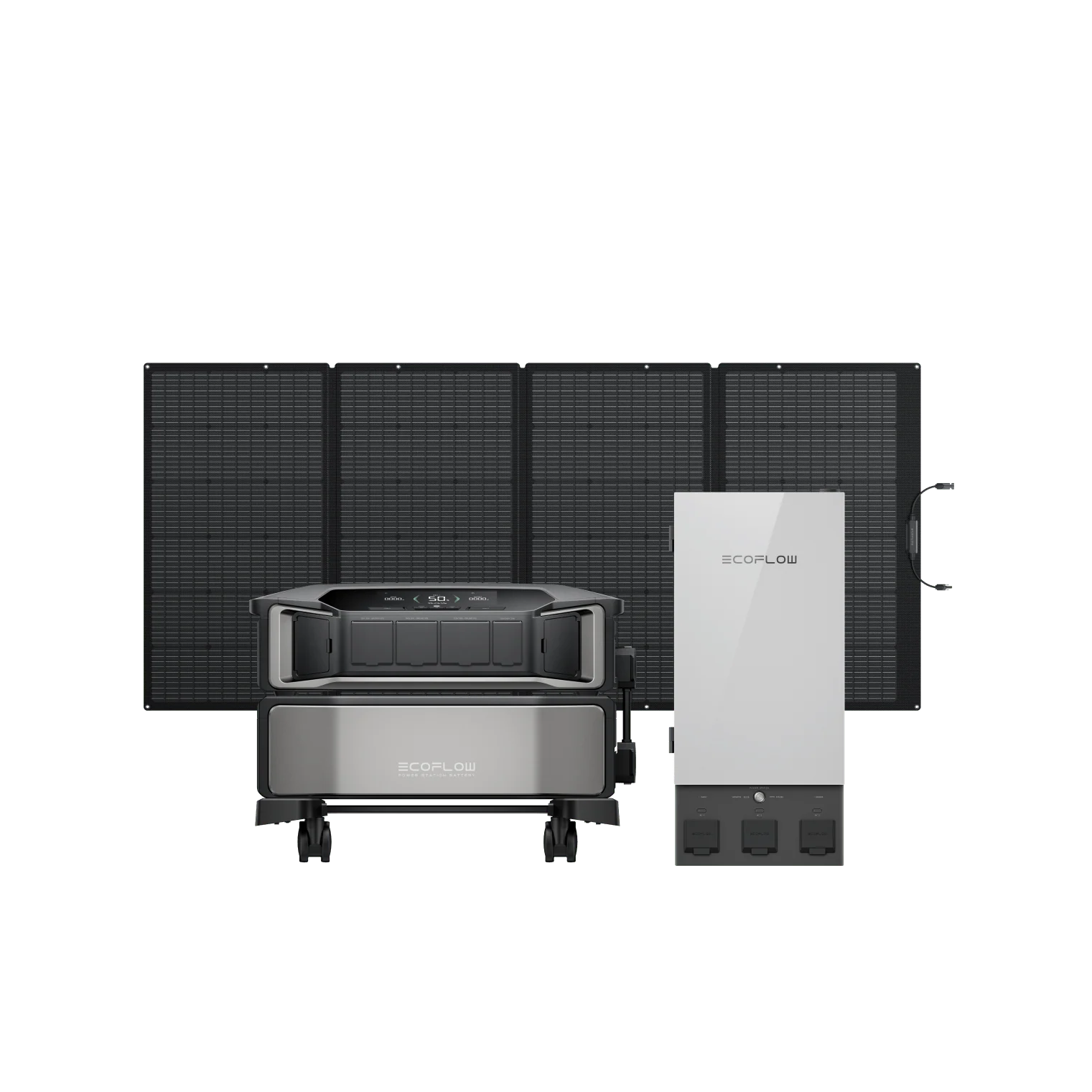
You can also increase the efficiency of your entire home using the EcoFlow DELTA Pro Ultra + Smart Home Panel 2. With up to 21.6kW of expandable output and up to 90kWh of expandable capacity, you can power your entire home with enough solar panels.
The Smart Home Panel 2 will also allow you to better monitor and manage your energy use, prioritize essential circuits, and more.
Frequently Asked Questions
Which Is Better, TOPCon or Bifacial?
TOPCon is best if you have very weak light and no reflective surfaces. While bifacial panels perform better in low light than standard panels, they still achieve optimal performance when reflective surfaces direct light onto their backside.
What Is the Lifespan of TOPCon Solar Panels?
Since TOPCon panels are able to better handle heat than standard models, they tend to last longer. Standard, quality panels can last 20+ years, while TopCon models can last 30+ years, depending on your conditions.
TOPCon Solar Technology Improves Reliability in Real-World Weather Conditions
Solar performance always dips in cloudy conditions, but with TOPCon technology, that dip doesn't have to cost you much. Higher cell efficiency, better low-light capture, and the right panel placement can keep your system producing even when the sun isn't cooperating.
The next step is making sure you're storing and using everything you generate.
Explore EcoFlow's whole-home backup power solutions to build a setup that keeps your home running regardless of the forecast.
For press requests or interview opportunities, reach out to our media team
media.na@ecoflow.com