Tiny Home Heating: Electric vs Propane with EcoFlow DELTA 3 Ultra Plus
Choosing the right heating system for your tiny home setup can be daunting. The type of heating you choose, electric or propane, can make a sizable difference in cost and comfort. Luckily, this article breaks down the pros and cons of each to help simplify your research of heating systems.
What Are the Main Differences Between Electric and Propane Heating?
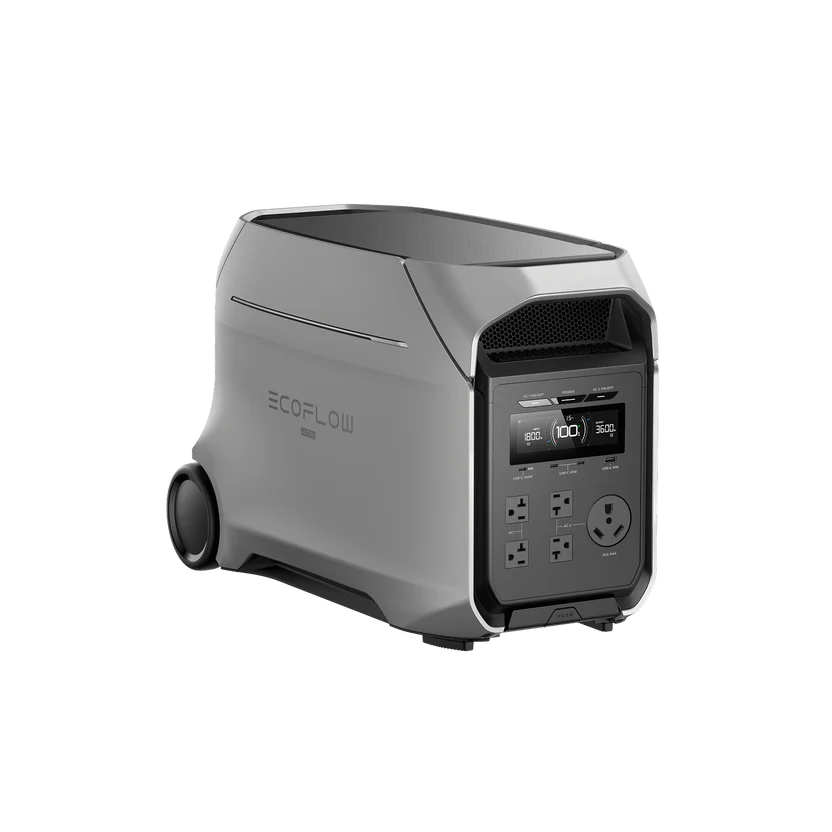
Propane heating consumes liquid propane gas to produce heat. An inner flame heats the surrounding material (i.e., ceramic or metal), which then heats the surrounding air. With electric heating, electricity heats up a heating element. The heat is then distributed throughout the space via convection, radiant, or oil-filled heaters. Portable power stations like the EcoFlow DELTA 3 Series can supply electricity to compatible electric heaters, providing an alternative power source in certain setups.
Heat Output and Performance in Cold Weather
Most propane space heaters heat rooms at 10,000 to 40,000 BTUs (British Thermal Units) per hour. The larger the BTU, the more space it can handle, and the more fuel it will consume.
Most electric space heaters use 750-1500 watts. The average 1,500-watt space heater operating at the high setting uses 1.5 kilowatts per hour. In the event of a power outage, you’ll need a generator or portable power station to serve as your energy supply.
Safety, Ventilation, and Indoor Air Quality Differences
Since propane heating produces carbon monoxide, a deadly gas if inhaled, proper ventilation via chimney or flue is essential. Other safety precautions include keeping flammable materials away from propane heaters, consistent inspections of hoses and connections, and replacing worn parts. You will also need to regularly check for leaks, clean burners and pilot lights. Plus, you will need an electrician to install, fix, and inspect your propane heater.
On the other hand, no ventilation is required for electric heating. Still, observe proper safety precautions around them, such as keeping liquids and flammable objects away.
Advantages and Disadvantages of Electric vs Propane Heating
Of course, there are pros and cons to both heating types. Let’s take a closer look.
Pros of Electric Heating
Easy install
Minimal space
Low maintenance
Steady heat source
Cons of Electric Heating
Higher long-term energy costs (rate dependent)
Environmental impact depends on the electricity source
Pros of Propane Heating
Costs less over time compared to electric heating
More reliable in scenarios when electricity is scarce and/or unavailable.
Cons of Propane Heating
High installation cost
Requires proper ventilation (carbon monoxide risk)
Ongoing propane supply monitoring and price variability
Cost Analysis Compared for Electric vs Propane Heating
Upfront Equipment and Installation Costs
Let’s take a look at some sample numbers for initial setup costs to compare the financial differences between electric and propane heating.
For propane, a heater can cost anywhere from $100 to $500+. That’s not including the cost of other equipment to ensure that the heater runs safely and effectively. Other items to consider are:
Propane tanks: $30 to $80 for a 20-pound tank
Carbon monoxide detector: $25 to $60
Propane hose and regulator, if not included: $20 to $40
In total, the upfront costs, including the heater, can range from $1200 to $3000 or more.
On the other hand, an electric heater can cost anywhere from $30 to $150+. Unlike propane heaters, nothing else is needed for setup. To power the electric heater when you lose power, you may want to consider investing in a portable power station (PPS). These can vary in investment but provide peace of mind should you experience a power outage or you simply wish to be independent from the grid.
Ongoing Fuel and Electricity Costs Over a Winter Season
The ongoing cost will depend on the size of your house and the frequency of use. For propane, prices can fluctuate over a winter season and vary based on region and time of year.
For propane, prices can fluctuate throughout the winter season and vary by region. For example, the average price of propane in Massachusetts for the 2024-2025 winter season was $3.33 per gallon. A 20-pound tank of propane (about 4.7 gallons) would cost about $15.65.
However, this average does not account for week-to-week price changes. Sometimes, the price of propane per gallon can reach $5 or more. These changes happen especially during snowstorms.
For an electric heater, you don’t need to worry about buying external fuel to refill it. Simply plug the heater into your home outlet or portable power station, and let it do the work.
The cost of charging the PPS depends on your electricity source and the size of the device. With grid-charging, the price depends on the electricity rates.
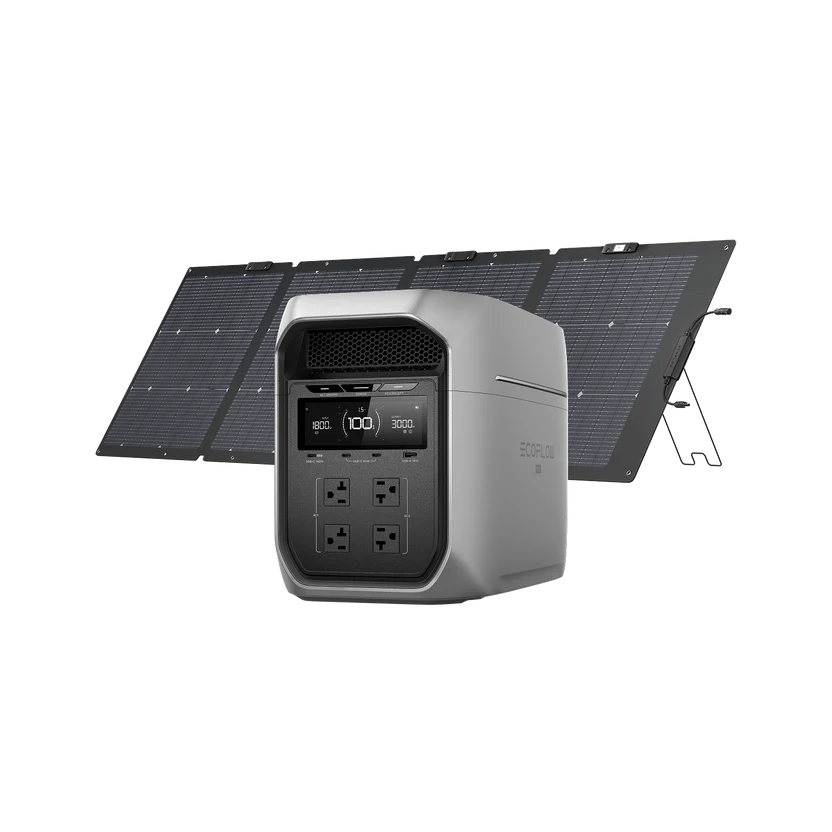
If you rely on solar charging, then you don’t have to worry about paying anything at all. That said, solar-charging is weather-dependent. It may be more difficult to recharge a power station on cloudy days than on sunny ones.
Nevertheless, despite the upfront costs of investing in an electric heater and portable power station, over time, you end up paying less money when compared to the cost of propane.
When searching for a powerful, long-lasting portable power station, consider the EcoFlow DELTA 3 Ultra Plus or a model from the EcoFlow DELTA 3 Series. These devices offer industry-leading technology, the ability to recharge via solar panels and portable solar generators for on-the-go living, meaning that you can power your home during an outage, or even gain some independence from the grid.
How to Decide Which Is Right for You
Not sure which heating type you should choose for your tiny home? Here are a few factors to ask yourself before making an investment.
Best Choice for Off-Grid Tiny Homes and Outage Readiness
For many tiny homeowners, the right heating choice comes down to balancing independence, simplicity, and long-term operating costs. If you live off-grid or want reliable backup during outages, propane offers standalone heat without relying on electricity—but it requires ventilation planning, fuel storage, and ongoing refills.
Electric heating, on the other hand, pairs well with solar-ready setups and compact power solutions, making it appealing for space-conscious builds. When matched with a high-capacity portable power station like the EcoFlow DELTA 3 Ultra Plus, electric heaters can stay running during outages or off-grid stays without the need for fuel deliveries, offering a streamlined approach that aligns well with modern tiny home energy systems.
Frequently Asked Questions
Can a Portable Power Station Run a Space Heater in a Tiny Home?
Yes. A portable power station can run certain space heaters in a tiny home, provided the unit delivers sufficient wattage output and battery capacity. The EcoFlow DELTA 3 Series offers high AC output suitable for many electric heaters. Always check the heater’s watt requirements to ensure compatibility and runtime expectations.
Is Propane Heat Safe in a Tiny Home Overnight?
No. Leaving a propane heater running overnight in a tiny home can create serious safety risks, including carbon monoxide buildup and fire hazards. Tiny homes have limited ventilation, which increases danger. For safety, turn off the heater and shut off the gas supply before sleeping, and install carbon monoxide detectors.
How Long Will a 20-lb Propane Tank Last in a Tiny Home Heater?
A standard 20-pound propane tank typically provides around 8 hours of continuous heat when used with a medium-sized propane heater at higher output settings. Actual duration varies depending on the heater’s BTU rating and flame level. Lower heat settings can extend runtime, while maximum output will shorten it.
What Size EcoFlow Power Station Do I Need for Tiny Home Heating?
When thinking about which one to buy, consider the devices you want to power, each device’s power requirements, and how long you will be using each device. Then match the results to the EcoFlow power station with the proper capacity range.
Ready to Power Your Tiny Home with EcoFlow?
Propane heaters may have lower upfront costs, but electric heating, coupled with portable power stations, means lower long-term costs and is much safer. If your tiny home runs on solar panels and portable solar generators, you may have zero charging costs over time.
For your portable power station and emergency needs, consider shopping with EcoFlow. Products such as the EcoFlow DELTA 3 Series, solar panels, and portable solar generators offer unparalleled performance for your tiny home needs.
For press requests or interview opportunities, reach out to our media team
media.na@ecoflow.com