What Is a Portable Power Station with Solar Panel? A Complete U.S. Buyer’s Guide
Suppose you’re going on a weekend getaway off-the-grid in the Rockies or preparing your home for hurricane season, knowing more about modern energy solutions can make a big difference.
This guide breaks down exactly what a portable power station with solar panels is, how to calculate your specific wattage needs, and which features actually matter when the lights go out. We’ll also show you why a reliable solar ecosystem is the ultimate insurance policy for American homeowners in 2026.
What Is a Portable Power Station with Solar Panel and How Does It Work?
Think of a portable power station (PPS) as a giant, sophisticated version of the power bank you use for your phone. But instead of just charging a phone and a music box, it can run your fridge and microwave. When the battery is combined with solar panels, it becomes a Solar Generator, a self-sustaining loop of clean energy.
Large Capacity Lithium Battery Unit
The heart of the system is the battery pack. Most high-end units today use LiFePO4 (Lithium Iron Phosphate) batteries, which are known for their safety and longevity. These units store DC (Direct Current) electricity, and are ready the moment you plug in your gear.
High-Efficiency Solar Panels
The power is collected via the solar panels. Modern monocrystalline panels are the gold standard in the States and are designed to capture sunlight even on slightly overcast days. The panels convert photons into DC power, which travels down a cable into your power station.
Internal Charge Controller System
Raw DC power doesn’t flow directly into a battery. You need an electronic controller to manage the flow. Most premium stations utilize MPPT (Maximum Power Point Tracking) controllers. This technology ensures the battery charges as fast as possible without overheating or overcharging, even as the sun’s intensity varies throughout the day.
Built-In Power Inverter Technology
Since the batteries store DC power, you need an inverter to run your coffee maker, laptop charger, and most appliances. These all run on AC (Alternating Current) power. The inverter is part of the unit and modulates the power so it’s the same as the electrical grid’s AC power and safe to use for your electronics. Just use the standard three-prong plugs to plug in and get powered up.
How Much Power Do You Actually Need?
“How big of a unit do I need?” is the most common question we hear. To answer this, you first need to consider what a portable power station runs within your specific household or travel setup. The answer depends entirely on what you want or need—do you only want to keep your phone or iPad alive, or do you need to keep the freezer from thawing out during a blackout?
Essential Small Electronics Charging
If your goal is glamping or remote work from a van, a compact unit, 300Wh to 700Wh, is plenty. This will keep iPhones, MacBooks, and LED camping lights running for days.
Critical Home Appliance Backup
For residential backup, you’re looking at the 2kWh to 4kWh range. This is enough to keep a full-sized refrigerator running, power a CPAP machine overnight, and keep the Wi-Fi router powered up so you’re not disconnected from the world.
Heavy-Duty Power Tool Support
Contractors and DIYers heading to job sites without grid access need high “surge” ratings. You’ll want a power station that can handle the initial startup amps of power tools. These tools usually require an inverter unit capable of at least 3000W.
Off-Grid RV Living Requirements
Living life on the road means managing your appliances, lights, and water pumps. A modular system is best here, so you can add extra battery “bricks” as your energy needs grow. With sufficient battery packs, you can cook and enjoy the evening in your RV under the stars.
| Usage Scenario | Recommended Capacity (Wh) | Representative Appliances | Estimated Runtime |
|---|---|---|---|
| Light Office / Glamping | 500 - 1,000Wh | Laptops, Projectors, LED Lights | 1 - 2 Days |
| Home Emergency Backup | 2,000 - 4,000Wh | Refrigerator, Microwave, Coffee Maker | 12 - 24 Hours (Standalone) |
| Whole-Home / Off-Grid | 4,000Wh+ | Central AC, Well Pump, Washing Machine | Continuous (With Optimal Solar) |
What Features Should You Look for in a Portable Power Station?
Not all power systems are created equal. When shopping on Amazon or at a local Home Depot, keep these technical specs at the top of your checklist to make sure you’re getting a real tool, not a toy.
Industry Standard Battery Chemistry
Always look for LiFePO4 batteries. While older Lithium-ion (NMC) batteries are lighter, LiFePO4 units can last for 3,000+ cycles before losing significant capacity. That’s the difference between a battery that lasts 3 years and one that lasts 10 years.
Total Number of Output Ports
Check for a healthy mix of AC outlets, USB-C PD (Power Delivery) ports for fast laptop charging, and even 12V DC car ports. If you have a large family, having enough plugs becomes very important very quickly.
Solar Input Wattage Limits
This is a bottleneck many buyers miss. If a station has a massive battery but only accepts 100W of solar input, it will take forever to recharge. Look for units with high solar input ratings, e.g., 500W–1600W+, so you can “top off” in just a few hours of peak sun.
Smart Battery Management Features
A good Battery Management System (BMS) protects the unit from short circuits, overvoltage, and extreme temperatures. In the heat of an Arizona summer or a Minnesota winter, these protections are what keep your investment from failing.
Why Invest in a Reliable Solar Ecosystem?
Purchasing a single battery is a start, but to achieve energy independence, you need to build a full “ecosystem.”
Reliable Backup for Home Power Security
As we move through the Spring, many parts of the U.S. enter the peak season for spring thunderstorms and tornadoes. These volatile convective weather patterns can easily knock out local grids for hours or even days. Don’t wait for a summer hurricane to panic-buy supplies; building a reliable off-the-grid ecosystem now is a much smarter plan.
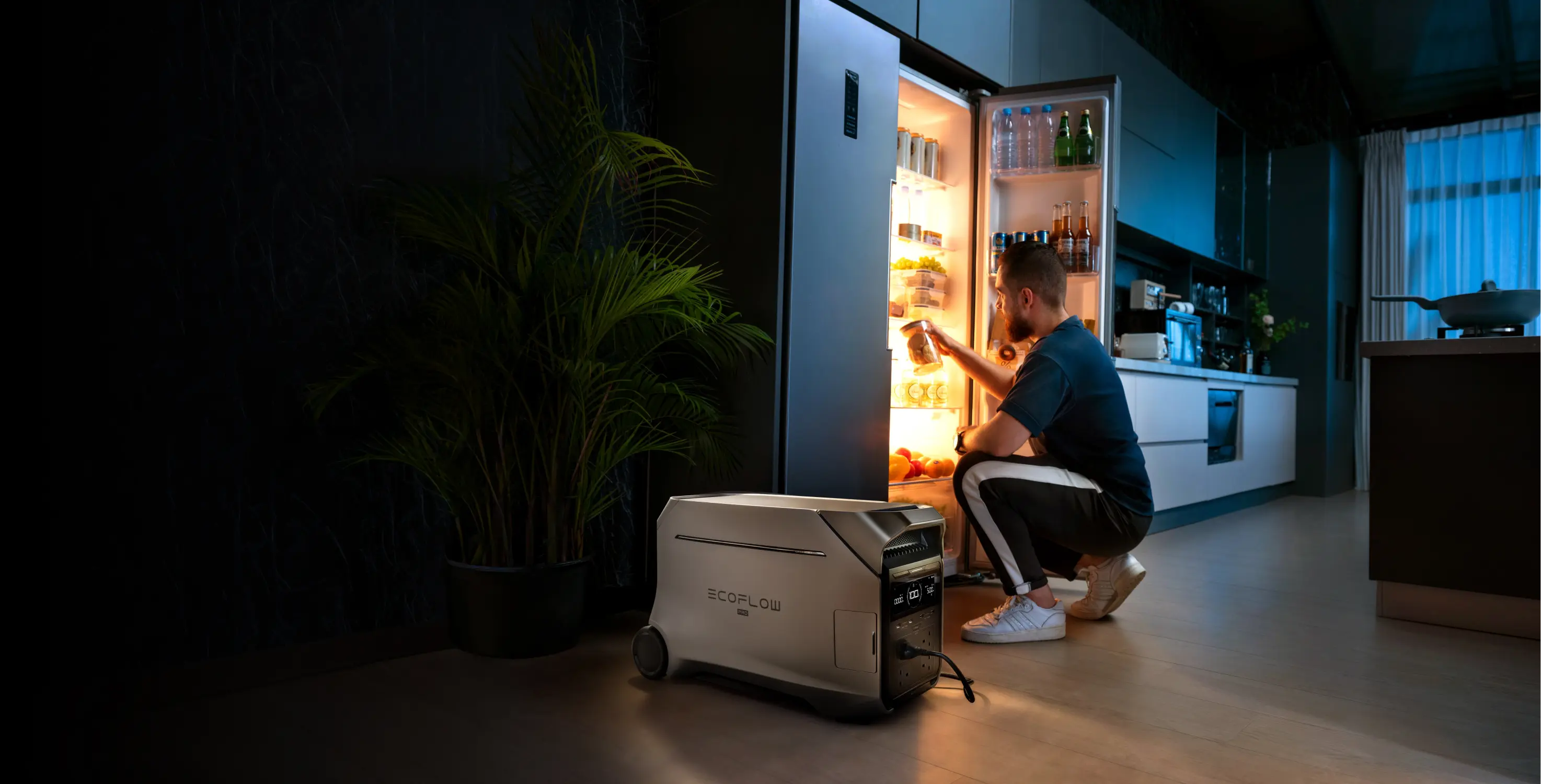
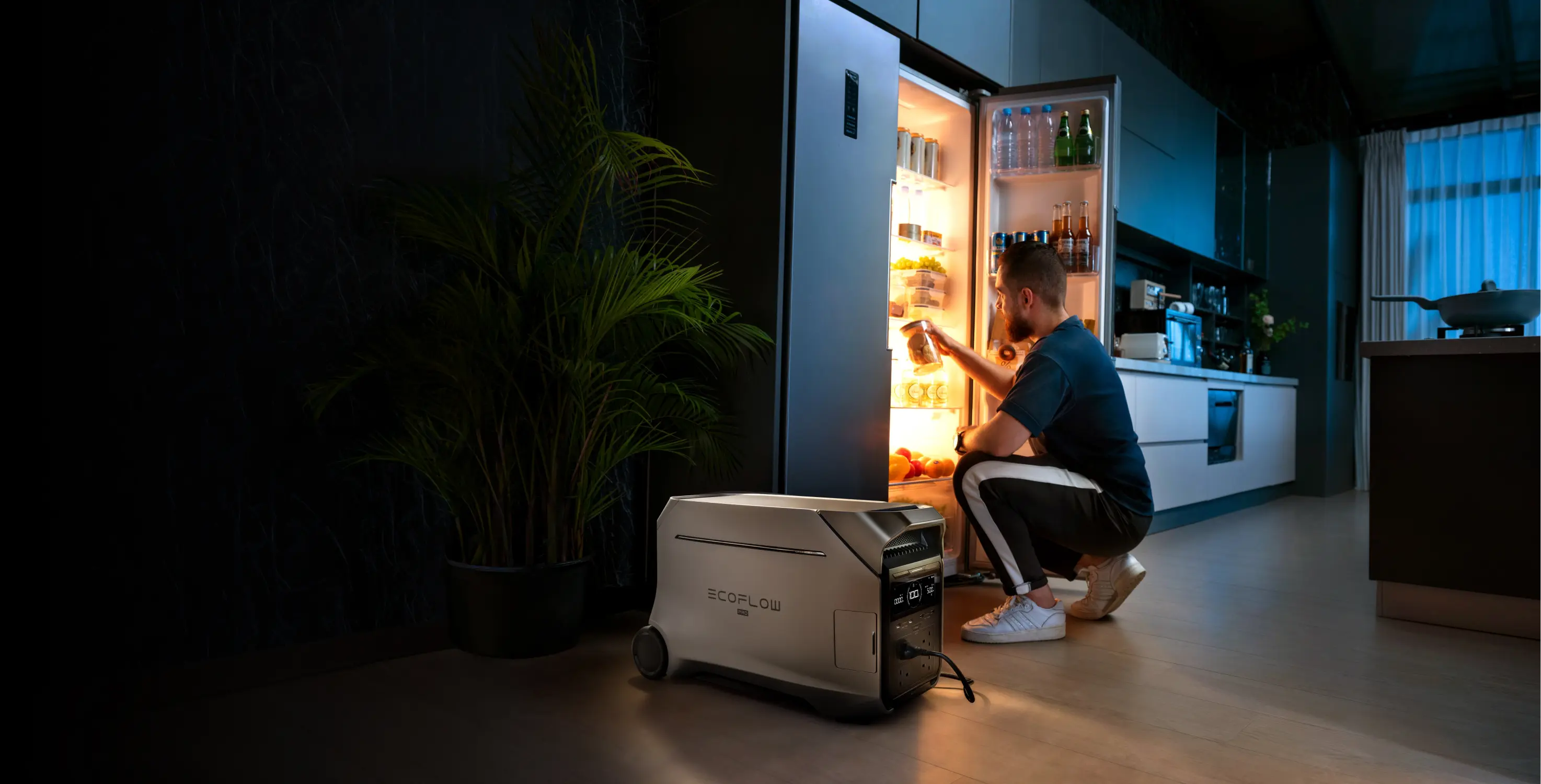
The EcoFlow DELTA Pro 3 Portable Power Station is engineered specifically for almost all of your essential home appliances. It is one of the few units in the industry capable of providing 120V/240V dual-voltage output from a single unit. This means even if the grid goes down, its impressive 4000W output can power a 3-ton central AC unit or a clothes dryer. This way, your home stays climate-controlled and comfortable during any storm.
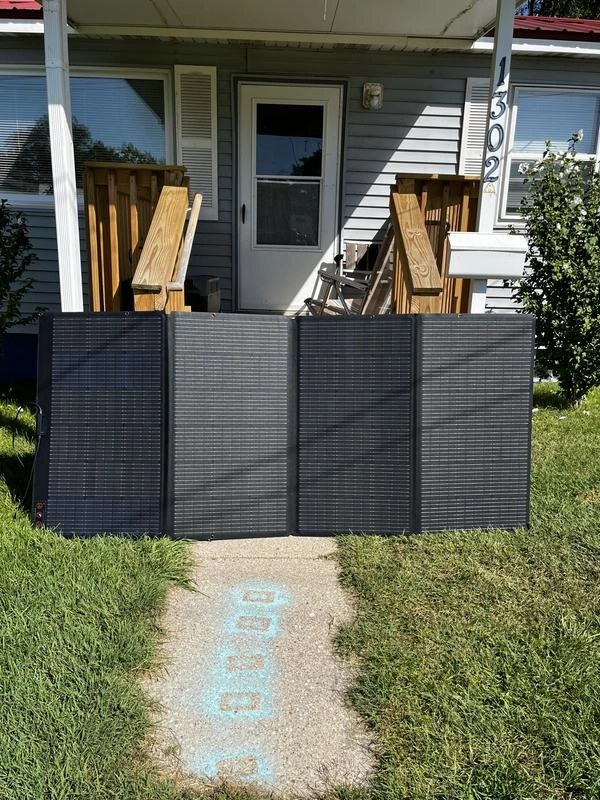
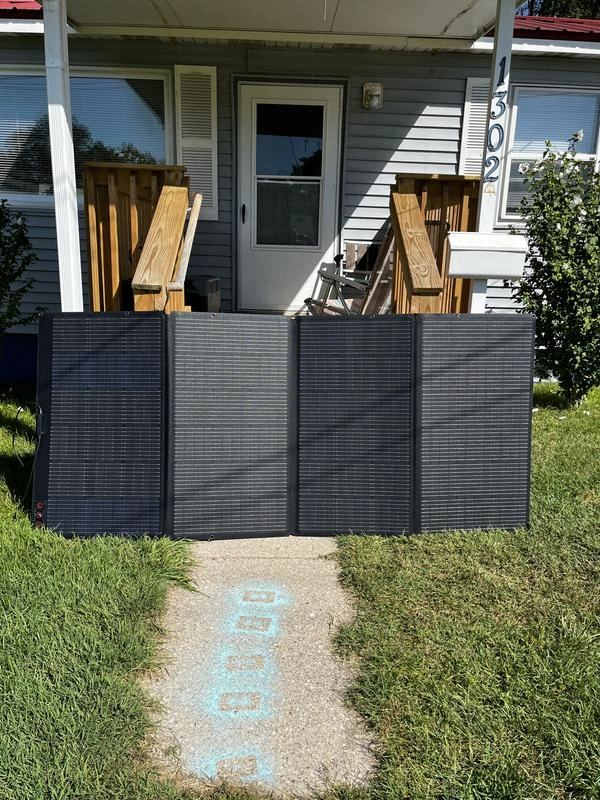
True energy freedom requires high-efficiency solar collectors. Pairing the DELTA Pro 3 with EcoFlow 400W Portable Solar Panel creates a loop of unlimited runtime. Plus, it frees you from a reliance on gas or oil. The DELTA Pro 3 is expandable from 4kWh to 48kWh, and provides a solid foundation for a system to handle extended outages. When you combine it with a high-wattage solar array, it creates a sustainable energy loop.
Modular Battery Expansion Options
The best systems grow with you. Modular units allow you to add more batteries. You can start with a manageable setup and then expand to a larger powerhouse later without buying a whole new main unit.
Dual 120V and 240V Voltage Output
Most portable units only handle 120V, i.e., standard wall plugs. However, if you want to run heavy-duty American appliances like well pumps or electric ranges, you need 240V capability. Having this built-in saves you from needing to install an expensive external voltage transformer.
Integrated Smart App Monitoring Technology
In 2026, you shouldn’t have to walk out to the garage to check your battery level. Premium systems offer Wi-Fi and Bluetooth apps that let you monitor solar intake, turn circuits on or off, and customize charging speeds right from your phone.
How to Choose Your First Solar Kit?
Ready to purchase a system? Before you do, run through these final logistical checks to ensure a smooth buying experience.
Compare Total Kit Pricing
Buying a kit, station plus solar panels, is almost always cheaper than buying them separately. Calculate the price-per-watt-hour to see where the real value lies.
Verify Long-Term Warranty Coverage
A power station is a significant investment. Look for brands offering at least a 5-year warranty. This shows the manufacturer trusts their battery chemistry and internal components.
Check Shipping and Return Policies
Storage batteries are classified as hazardous materials (HAZMAT) for shipping because of the chemicals in the batteries. Make sure the company has a clear return policy and reliable U.S. based shipping to avoid a logistical nightmare should you have to return it.
Evaluate Real-World User Feedback
Don’t just trust the marketing and glossy photos. Look for reviews from users in climates similar to yours. If people in Florida say the solar panels hold up in high heat and humidity, and folks in Colorado say the battery does well in the cold, then you’ve found a winner.
Conclusion
Transitioning to a portable power station with solar panels isn’t just about getting some new technology; it’s about having peace of mind. Enjoy the modular versatility of the EcoFlow DELTA Pro 3 and its systems that offer a pathway to a more resilient, sustainable future. By focusing on LiFePO4 battery chemistry, adequate wattage, and a solid solar ecosystem, you’re not just buying a battery; you’re securing your home’s energy future.
FAQ
1. Can You Overcharge a Portable Power Station?
No, you generally cannot overcharge a modern portable power station because they are equipped with advanced Battery Management Systems (BMS). These systems automatically cut off the power flow once the battery reaches 100%, protecting the cells from damage.
2. Can You Use a Solar Panel Through a Glass Window?
Yes, but it is highly inefficient. While it might look bright inside your sunroom, placing a panel behind glass is one of the quickest ways to reduce your energy intake.
Standard Glass: A clean, single-pane window causes a 10% to 20% drop in power due to reflection and absorption.
Modern Low-E Glass: Most modern U.S. homes use Low-E (low-emissivity) coatings designed to block heat. These coatings act as a filter that reflects the very infrared and UV spectrums your solar panels need most. Behind these windows, your solar output can drop by 50% to as much as 90%. Performance in these indoor settings often mirrors the limitations of portable power station solar charging in cloudy weather, where direct sunlight is significantly obstructed.
The Angle Trap: When sunlight hits a window at an angle, the glass acts more like a mirror, bouncing the energy away before it ever reaches your solar panel.
3. How Do I Know When My Solar Battery Needs Replacing?
You will notice a significant drop in runtime or total capacity. Most LiFePO4 batteries are rated for thousands of cycles. But if your battery loses power much faster than it used to, under the same load, it’s likely approaching the end of its chemical lifespan.
4. How Much Ventilation Does a Portable Generator Need?
Battery-based portable power stations need minimal ventilation compared to gas generators, but they still need air. They don’t emit toxic fumes or carbon monoxide, but their internal electronics need ventilation to prevent overheating during heavy use.
For press requests or interview opportunities, reach out to our media team
media.na@ecoflow.com