Why Storm Surge and Snow Can Happen Together
- What is a Storm Surge?
- How Do Storm Surges and Snow Happen Together?
- Why Are Winter Storm Surges More Common in Nor'easters?
- The Impact of Storm Surges and Snow on Coastal Regions
- The Inland Impact of Storm Surges and Snow
- Historical Examples of Storm Surges and Snow Events
- How to Prepare for Storm Surges and Snow
- Prepare for Winter's Dual Threat
- FAQs of Winter Storm Surges
Most people think of a tropical hurricane in August or September when they hear the word "storm surge." We picture warm rain, palm trees swaying in the wind, and the ocean level rising. But one of the most dangerous things about nature is that snow and rising seas can and often do happen at the same time.
There is a "double threat" situation because you are trapped by snow from above and in danger from rising water below. But why does this happen? What can you do?
What is a Storm Surge?
A storm surge is an abnormal rise of seawater driven by a storm's winds and pressure, pushing water levels far above the predicted astronomical tide.
Think of it as a massive bulldozer of water. Strong winds physically push the ocean surface, piling water up against the coastline. With nowhere else to go, the water is forced onto the land. While often associated with tropical hurricanes, storm surges are a potent force in winter weather systems as well. The depth and intensity of the surge depend on the wind speed, the shape of the coastline, and the shallow depth of the ocean floor near the shore.
How Do Storm Surges and Snow Happen Together?
The phenomenon of a winter storm surge coinciding with heavy snow is the result of a precise atmospheric setup involving the collision of two distinct air masses: warm, moist oceanic air and cold, dry continental air.
This specific "recipe" creates the dual hazard:
Warm Ocean Fuel: The Gulf Stream pumps warm water up the East Coast, heating the air above it and saturating it with moisture.
Cold Arctic Injection: Simultaneously, a high-pressure system pushes freezing cold air down from Canada.
The Collision: When these differing temperatures and pressures collide, the system intensifies rapidly (a process known as "bombogenesis").
The storm draws in moisture, which falls as snow in the freezing temperatures, while the intense low pressure and hurricane-force winds simultaneously generate the surge.
Why Are Winter Storm Surges More Common in Nor'easters?
The most frequent culprit for this dual disaster is the "Nor'easter," a large-scale cyclone that travels up the East Coast of the United States. These storms are uniquely positioned to generate both storm surges and heavy snowfall.
A Nor'easter gets its name from the direction of the winds: they blow from the northeast. Because winds in a cyclone rotate counter-clockwise, the northern and eastern quadrants of the storm blow heavily off the ocean onto the land.
Geography: These storms often "hug" the coastline, keeping the center of the storm just offshore. This allows the system to gather strength from the water while throwing precipitation over the freezing land.
Duration: Unlike fast-moving thunderstorms, Nor'easters can stall or move slowly, battering the coast for multiple high-tide cycles.
Lunar Timing: If a Nor'easter hits during a Full Moon or New Moon (when tides are astronomically highest), the storm surge rides on top of an already high water level, causing maximum destruction.
The Impact of Storm Surges and Snow on Coastal Regions
When storm surges mix with freezing temperatures, the destruction is often worse than a summer flood. The water that rushes into homes and streets is freezing cold and often filled with ice.
The "Slush" Flood: As ocean water breaches sea walls, it mixes with falling snow, creating a heavy, semi-solid slush that is incredibly difficult to clear.
Structural Damage: In winter, the surge often carries large ice floes or "sea ice." When these batter against the foundations of homes or piers, they act like battering rams, causing significantly more structural damage than water alone.
Hypothermia Risks: Rescue operations become life-threatening. Residents trapped by floodwaters face immediate risks of hypothermia due to the freezing water and air temperatures.
The Inland Impact of Storm Surges and Snow
While the immediate coastline battles the water, inland regions face a different crisis. A critical concern is how far inland can a storm surge go. Typically, the surge itself pushes water miles inland through bays, rivers, and estuaries, but the impact of the system extends much further.
As the storm system moves inland, the moisture that caused the surge turns entirely into snow.
Road Closures: While coastal roads are underwater, inland highways become parking lots due to blizzard conditions and zero visibility.
Widespread Power Outages: The heavy, wet snow (fueled by the same ocean moisture) clings to power lines. Combined with high winds, this snaps poles and cables, leaving millions without heat.
Resource Strain: Emergency services are stretched thin. Emergency crews struggle to reach flooded coastal areas when the inland supply routes are blocked by three feet of snow.
Historical Examples of Storm Surges and Snow Events
History has shown us exactly how devastating this combination can be.
The Great Nor'easter of 1992: This storm caused catastrophic damage, striking in December and lingering for days. It produced enormous waves and a massive surge that destroyed boardwalks and homes in New Jersey and New York, all while dumping feet of snow in the interior mountains.
The 2015 "Juno" Blizzard: This storm brought historic snowfall to New England. In Scituate and Sandwich, Massachusetts, the storm surge breached sea walls. Photos from the event showed a surreal scene: houses encased in ice and streets filled with freezing ocean water and floating chunks of ice.
The January 2022 Nor'easter: This modern "bomb cyclone" dropped over two feet of snow in some areas. Simultaneously, it produced a significant surge near high tide, causing coastal inundation from New Jersey to Maine.
How to Prepare for Storm Surges and Snow
1. Fortify Against Water
Know Your Risk: Flood maps change frequently. Verify your evacuation zone status, bearing in mind that storm surges can push water miles inland through rivers and bays.
Create Barriers: If you live in a low-lying area, place sandbags around ground-floor doors and vents.
Clear the Perimeter: Ensure gutters and storm drains are free of ice and debris so retreating surge water and melting snow can drain away from your foundation.
2. Prepare for the Freeze
Insulate Your Home: Seal drafty windows and doors to retain heat. If the power goes out, close off unused rooms to create a smaller "warm zone."
Emergency Supplies: Stock at least three days of non-perishable food, water, and essential medications.
Vehicle Safety: Keep your gas tank full and your trunk stocked with a shovel, scraper, and blankets. If stranded, ensure the exhaust pipe is clear of snow to prevent carbon monoxide poisoning.
3. Secure a Safe Power Source
When ice snaps power lines, losing heat is the primary danger.
Avoid Indoor Hazards: Never use gas generators, charcoal grills, or camp stoves indoors; the risk of carbon monoxide poisoning is fatal.
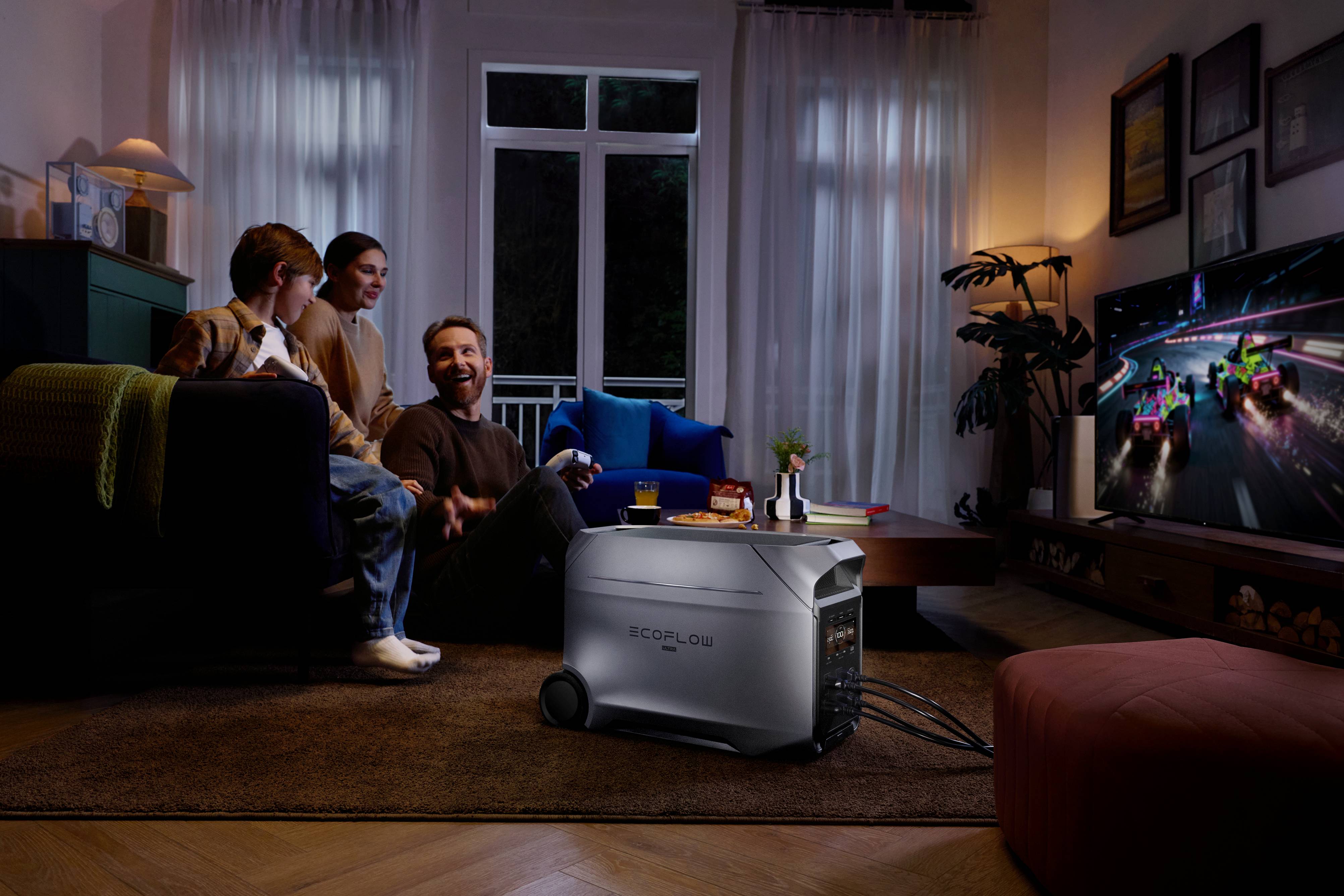
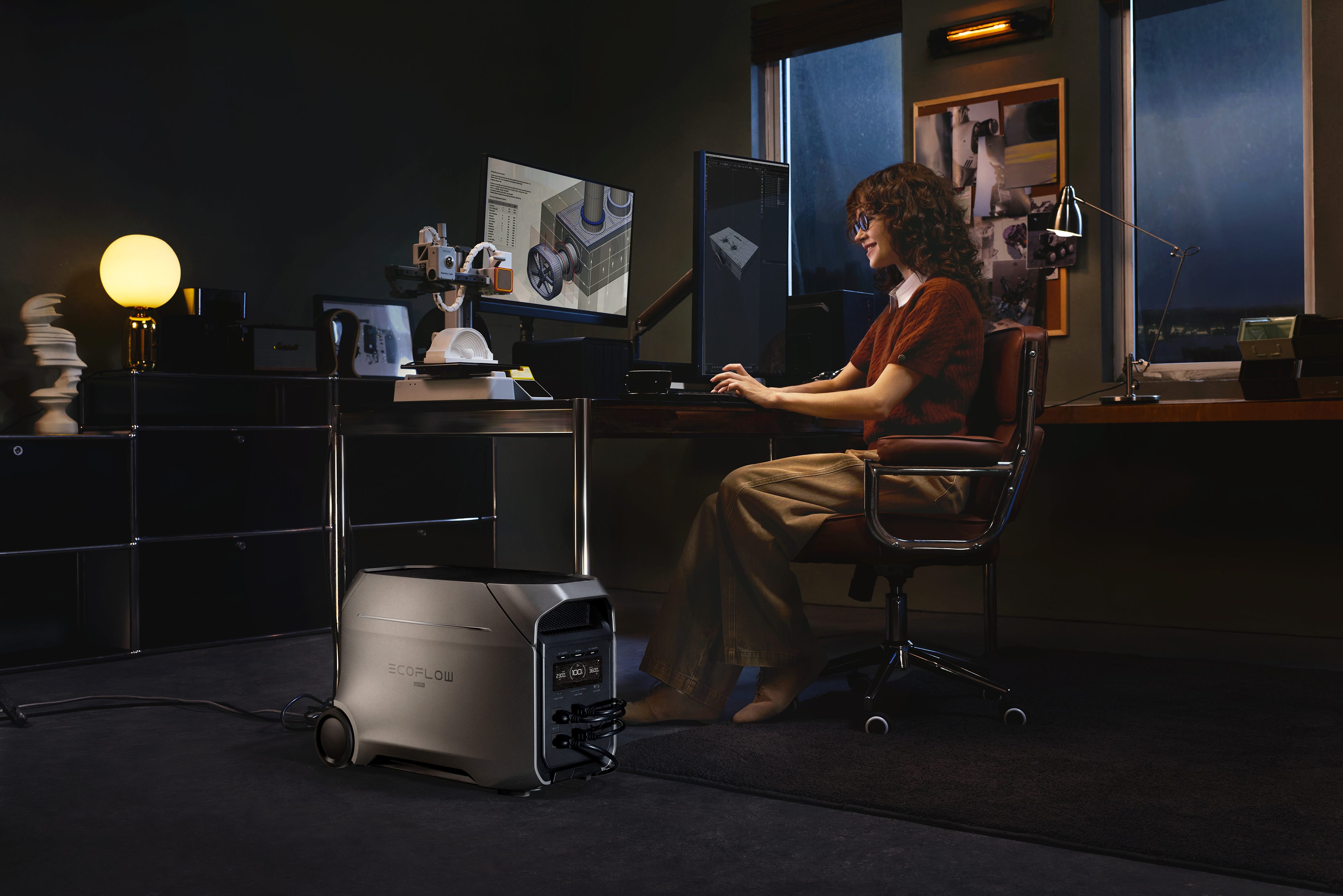
Safe Indoor Backup: Use a battery-powered station to run essential appliances safely inside your home. The EcoFlow DELTA 3 Series is a practical choice for this scenario. It features a "Storm Guard Mode" that automatically fully charges the unit when severe weather is detected. With its high output, it can safely power space heaters and keep your communication devices running, ensuring you stay warm and connected without the noise or fumes of a gas generator.
Prepare for Winter's Dual Threat
The combination of storm surges and snow serves as a stark reminder of nature's complexity. These events, driven by the volatile mix of warm ocean currents and freezing atmospheric pressure, require serious respect and preparation. Whether it is the immediate threat of rising water or the long-term danger of freezing temperatures during a blackout, being aware is your best defense.
By understanding the science behind these storms and equipping your home with the right backup solutions like EcoFlow, you can turn a potential disaster into a manageable event. Stay warm, stay dry, and stay prepared.
FAQs of Winter Storm Surges
Q1: Will homeowners' insurance cover damage from a winter storm surge?
Insurance policies for most homes cover damage from wind, snow, and ice, but not often flood damage. Most of the time, you need a separate flood insurance policy (like through the NFIP) to cover damage caused by rising water, like during a hurricane or a winter storm surge. Before winter comes, you should carefully read over your policy's exclusions to make sure you are financially safe.
Q2: Is it safe to drive inland during a storm surge?
In general, it's not safe. Driving inland means navigating through the blizzard conditions that accompany the storm. Inland roads might not be passable because of whiteout conditions, black ice, or downed power lines. If you are told to evacuate, make sure you follow the routes that the local government gives you. They are designed to avoid both floods and the deepest snowfall.
Q3: How long do we have to prepare for a winter storm surge?
Meteorologists can usually tell a few days ahead of time what the weather will be like during a Nor'easter. But the exact height of the surge depends on how closely the storm's timing aligns with high tide. "Coastal Flood Watches" are usually sent out 24 to 48 hours before a storm happens, and they are changed to "Warnings" as the storm gets closer. Always pay close attention to local weather alerts.
Q4: Can sea ice make the damage from a storm surge worse?
Yes, quite a bit. In the winter, the water close to the shore may have chunks of ice or frozen slush in it. When this water is pushed onshore by a surge, the ice acts like debris and hits buildings, erodes sand dunes, and damages infrastructure much more quickly than water alone. Heavy ice stays on the roads after the water goes away, blocking them and making cleanup very hard and risky.
For press requests or interview opportunities, reach out to our media team
media.na@ecoflow.com