The Great ShakeOut: Is Your Home Ready for the Big One?
When The Big One strikes, the difference between chaos and safety often comes down to better preparation. The Great ShakeOut is the world’s largest earthquake drill, but it’s also a great reminder that real readiness is more than just having a go-bag or practicing “drop, cover, and hold.” It’s also about ensuring your home and family are ready. From strengthening your home’s structure to knowing how to shut off your utilities, true preparedness starts long before the ground starts shaking. Here’s what you need to do to ensure your home and family are prepared.
What Is the Great ShakeOut?
The Great ShakeOut is the world’s largest earthquake drill. It’s practiced every year to teach participants how to “drop, cover, and hold on” in the event of an earthquake.
History and Scale of the Drill
The Great ShakeOut started in Southern California in 2008 to help residents in that earthquake-prone state prepare for “The Big One.” From there, it quickly grew into a global event. In 2025, there were over 58 million participants from 59 countries around the world.
Why Everyone Should Take Part
Many countries around the world are prone to earthquakes, which are completely unpredictable but often catastrophic, like the 2004 earthquake and tsunami in the Indian Ocean that killed 230,000 people. Even if you’re not in an earthquake-prone area, this doesn’t mean that one will never strike where you are; it just means they’re less common than in areas like California or Japan.
We should all take part in earthquake preparation since a little knowledge may literally save your life, and that alone makes it worth it. Still, participating in the annual drill every October also helps raise awareness among others who may not have otherwise known, and it helps communities prepare and learn to work together.
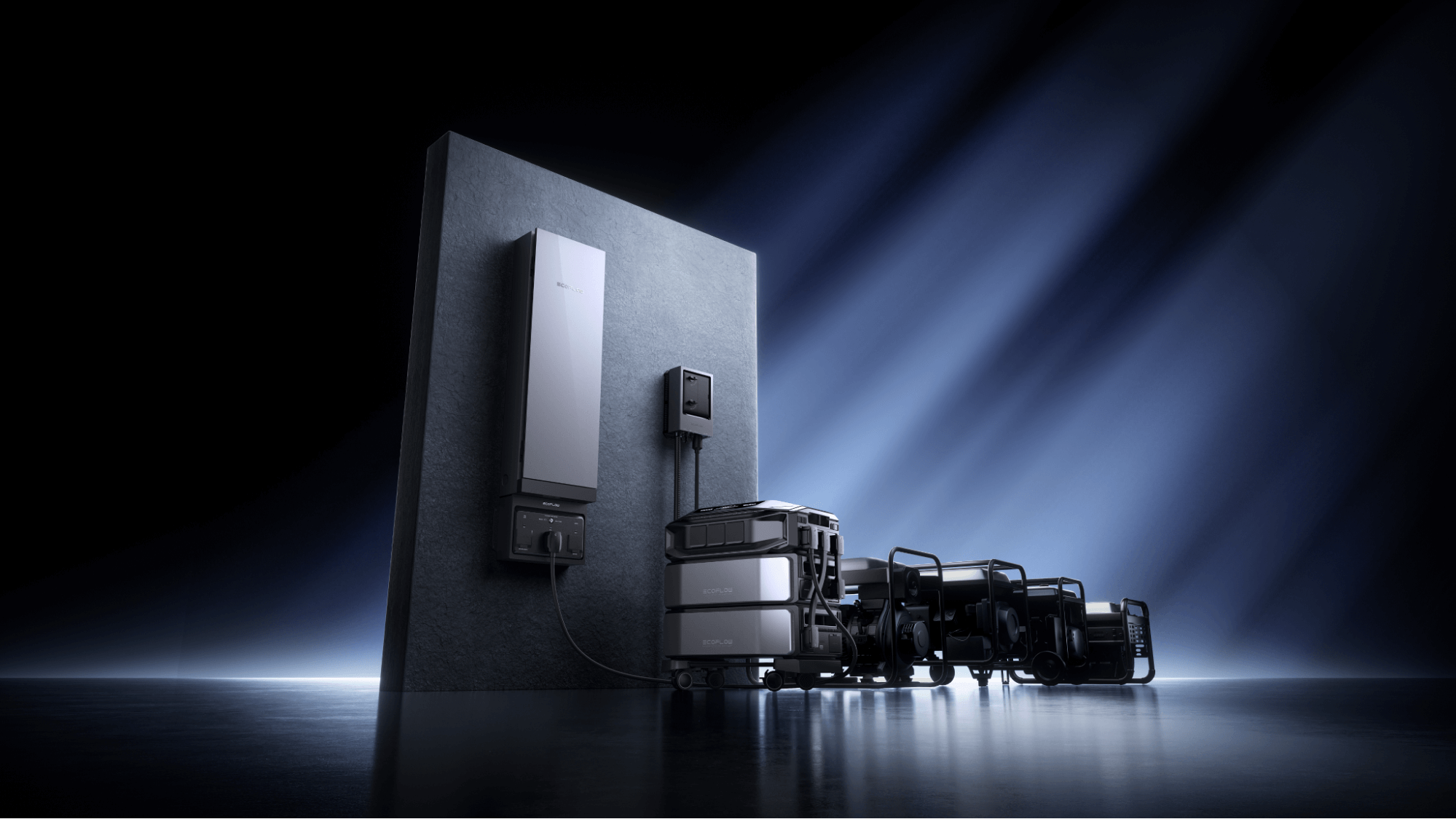
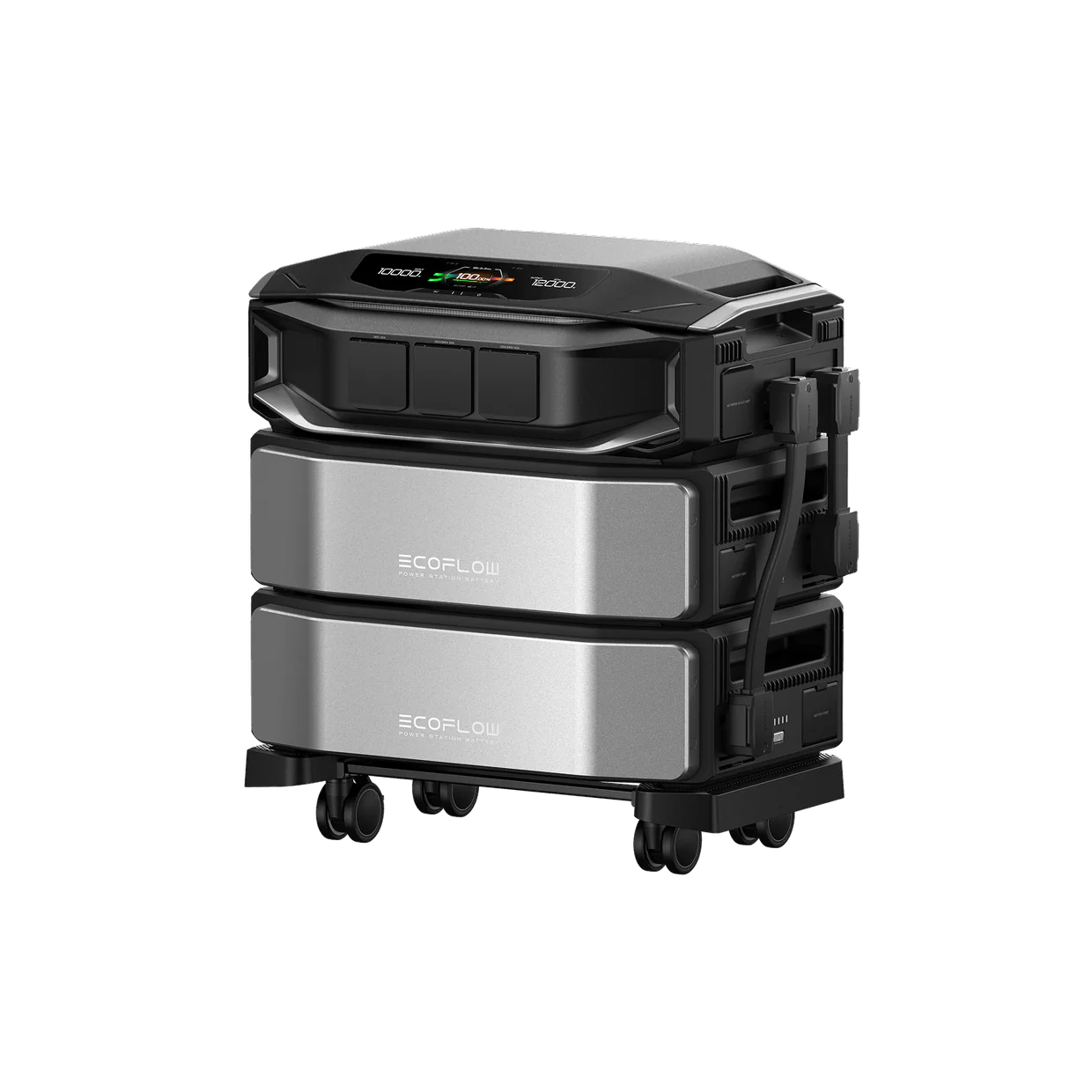
To ensure your home and family stay safe after an earthquake, a backup power source like the EcoFlow DELTA Pro Ultra X is strongly recommended. This powerhouse has expandable capacity to run even the largest, most power-hungry home for days or weeks. You can also use solar panels to recharge it and stay powered up indefinitely.
Beyond the Go-Bag: Home Preparedness Essentials
When we think of emergency preparedness, we often think of important things like a disaster emergency kit or a go-bag for evacuations. However, long-term readiness also includes home preparedness.
Structural Safety: The Real First Line of Defence
Structural safety is one of the most important but overlooked parts of earthquake preparedness. Weak points like unbraced cripple walls, unbolted foundations, and unsecured chimneys can result in catastrophic failures even in moderate earthquakes. A structurally retrofitted home is far more likely to stay standing, experience less damage, and protect your loved ones inside.
Before starting a retrofit, it’s strongly advised to have an assessment done by a seismic specialist or a knowledgeable contractor to determine the specific weak points in your home. Structural retrofitting varies and may include things like bolting the home to its foundation, reinforcing cripple walls with plywood, installing shear walls or roof-to-floor bracing, and securing features like chimneys and carports. This will significantly reduce the risk of damage or collapse.
Gas and Utilities: Critical Shut-Offs
Sometimes the fire, water, and electrical hazards that follow an earthquake can be far more dangerous than the quake itself. Fortunately, knowing how to shut off your utilities once the earth stops shaking can help prevent additional disasters.
Natural gas leaks are one of the biggest risks after a quake. You can get automatic seismic gas shut-off valves that stop gas flow the moment strong shaking is detected. Otherwise, know where your manual shut-off valve is and keep a wrench nearby. Shut it off immediately after the shaking stops.
Ruptured water lines also cause significant damage after an earthquake, leading to localized flooding and contamination. Learn where your main water shut-off is and know how to turn it off.
Finally, knowing where your breaker box is and how to shut off your main breaker is also essential. Damaged wiring can spark fires or cause electrocution, especially when there’s flooding. While your power is out, use one of the EcoFlow Whole-Home Backup Power Solutions to keep your refrigerator, freezer, routers, and other essential appliances running.
Safety Practices During the ShakeOut
Now, let’s learn what to do when the drill, or a real earthquake, begins.
Drop, Cover, and Hold On
During the drill or a quake, immediately drop down to your knees and get under cover. Don’t move more than a few steps; with luck, you’ll have a heavy table or a desk you can use for cover. Then hold on to your cover until the shaking stops to ensure it continues to protect you.
Family and Household Drills
While taking part in the Great ShakeOut is a great idea, it’s not enough on its own. Use it as a reminder to also practice emergency and evacuation drills at home. Practice drop, cover, and hold, then go over the location and contents of your emergency kit. Also, create a family communication plan to ensure everyone knows who to contact and where to meet up if you get separated.
Don’t forget to include your pets in your emergency supply kit and emergency planning. If you’re practicing evacuation, include them so they become comfortable with it and so your human family knows what to do with them.
Proactive Home Preparation Reduces Risk During Major Earthquakes
The Great ShakeOut isn’t only a drill; it’s a call to take action to prepare your home and family before an earthquake hits. While practicing what to do during an earthquake can save lives in the moment, strengthening your home, knowing how to shut off your utilities, and planning for power outages can not only keep your family safe but also help protect your home so they have somewhere to go when the shaking stops. For true resilience, pair your smart preparedness with dependable power like EcoFlow Whole-Home Backup Power Solutions, so that when the grid inevitably goes down, your home doesn’t.
For press requests or interview opportunities, reach out to our media team
media.na@ecoflow.com