Stop Paying for Fuel: AI-Optimized EV Charging with Solar Surplus
- What Is AI-Optimized EV Charging with Solar Surplus?
- Why Traditional EV Charging Wastes Solar Energy
- How AI Coordinates Solar, Battery Storage, and EV Charging
- Using Solar Surplus to Charge an EV Instead of Buying Fuel
- Benefits of AI-Optimized EV Charging for Homeowners
- EV Charging, Grid Interaction, and Energy Resilience
- Where AI-Driven EV Charging Fits in Modern Home Energy Systems
- Applying AI-Optimized EV Charging with EcoFlow DELTA Pro Ultra X
- Frequently Asked Questions
- Upgrade Your EV Charging with EcoFlow DELTA Pro Ultra X
Hybrid and electric vehicles offer something that used to be unthinkable: the ability to fuel your car with something you can make at home. Charging your electric vehicle with solar panels means driving almost for free.
But it's not quite as simple as just plugging in whenever you feel like. For most homes, energy production and consumption need to be carefully balanced.
That's why an AI-optimized system can help you achieve substantial savings. Let's look at how an intelligent system like the EcoFlow DELTA Pro Ultra X can manage your energy needs so that you can keep your home and your car running at maximum efficiency.
What Is AI-Optimized EV Charging with Solar Surplus?
AI-optimized EV charging uses real-time data and predictive algorithms to determine when and how your electric vehicle should charge. So, instead of plugging in and drawing power straightaway, an AI-driven system monitors:
Solar production levels
Household energy demand
Battery capacity
Time-of-use electricity pricing
Weather forecasts
This lets the system decide when's the best time to charge. When your solar panels are producing more electricity than your home needs, the system can direct that surplus to your EV charger or into a battery. But when you need the power for more essential household needs, it will stop charging your electric vehicle.
Why Traditional EV Charging Wastes Solar Energy
Lots of people assume that rooftop solar will automatically power their vehicle. But traditional setups don't maximize solar use.
Inefficiencies include:
Charging at night when solar power isn't producing
Exporting daytime solar power to the grid at low buyback rates
During grid power during peak pricing times
When your system doesn't include intelligent coordination, it's easy to make bad decisions when it comes to your power. That's how many people end up surprised that their solar panels are not saving them the money they thought they would.
How AI Coordinates Solar, Battery Storage, and EV Charging
An AI energy system processes real-time data constantly, allowing it to forecast trends. Here's how it works:
1. Forecasts solar output. Weather data and production history tell the system what to expect.
2. Analyzes household consumption. The system analyses your baseline energy demand.
3. Optimizes battery storage. The AI will decide whether to store surplus energy for the evening or send it to the electric vehicle.
4. Schedules charging. The system can delay, start, or throttle charging based on solar production or low-cost grid windows.
This real-time coordination means that you use your energy at its highest value.
Using Solar Surplus to Charge an EV Instead of Buying Fuel
Being able to run your car on sunlight can feel like magic. A study by S&P Global found that nearly 70% of people interested in TVs or hybrids mention fuel savings as one of the main reasons to purchase.
It's unlikely that you have an oil derrick in your backyard. But solar power gives you a way to charge your vehicle yourself. On average, EV drivers saved 5.3 cents per mile just on fuel, and 8.3 cents per mile when you include maintenance and fuel savings. That adds up to $1659 a year, based on 20,000 annual miles driven.
For those who use a solar generator to generate their own electricity, the savings are even more substantial. People who charge their electric vehicle with solar panels save another $930 per year compared to those who plug their cars into the grid.
Having solar is great, but an intelligent energy management system is what lets you really see substantial savings.
Benefits of AI-Optimized EV Charging for Homeowners
AI-driven charging can save you a lot of money on fuel. But it does more than just that. It also:
Lowers electricity bills. Storing surplus production to use during off-peak hours reduces your reliance on the grid.
Improves return on investment. Consume your own energy at full value instead of selling it back to the grid at reduced rates.
Optimizes batteries. Batteries last longer when intelligently managed.
Improves convenience. You don't have to constantly be thinking about your energy production and consumption.
EV Charging, Grid Interaction, and Energy Resilience
EV adoption can strain local electricity grids. Generating your own solar power with an EcoFlow DELTA Pro Ultra X and solar panels makes you less dependent. You can shift charging to off-peak periods, reduce load spikes, and absorb excess solar generation in the middle of the day.
Reducing what you pull from the grid helps it function better for everyone. But it also increases your own personal energy resilience. Intelligently managed solar power can keep your essential systems running no matter what happens.
Where AI-Driven EV Charging Fits in Modern Home Energy Systems
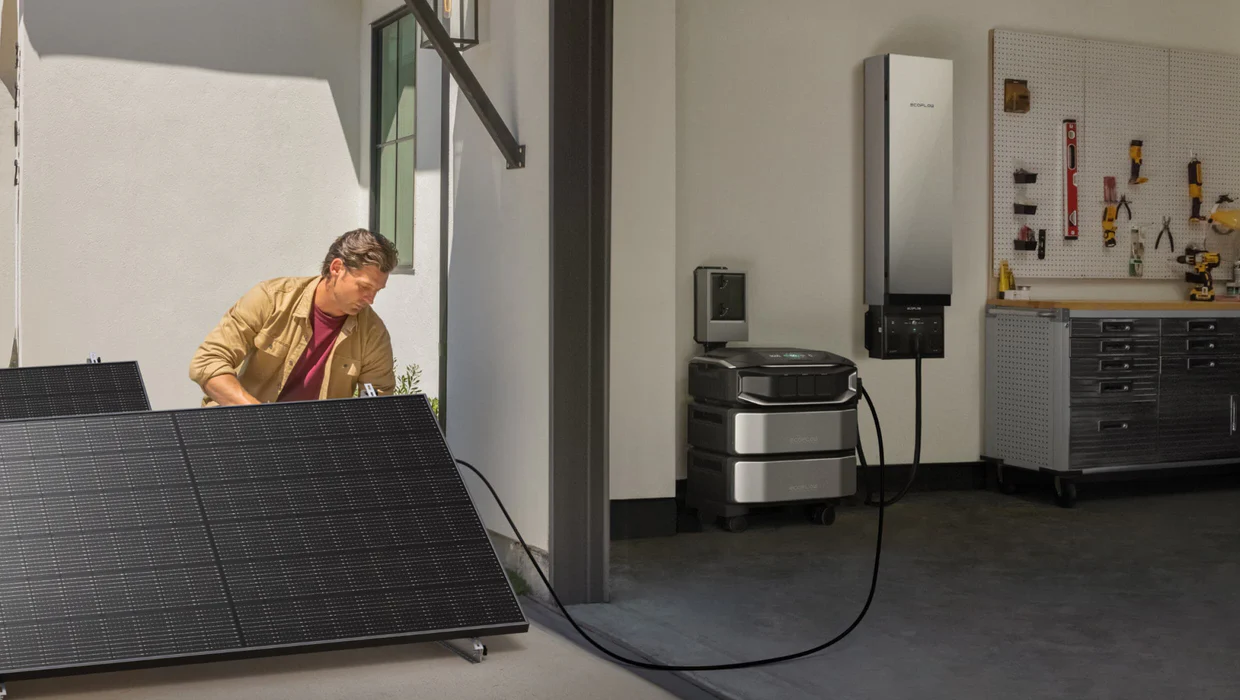
A whole-home energy system can include components like:
Rooftop solar panels
Smart inverters
Battery storage
Load management panels
Smart EV chargers
AI ties all these components together, making them function as part of a coordinated ecosystem. This transforms your home into an intelligent energy hub that can produce, store, and use electricity intelligently.
Applying AI-Optimized EV Charging with EcoFlow DELTA Pro Ultra X
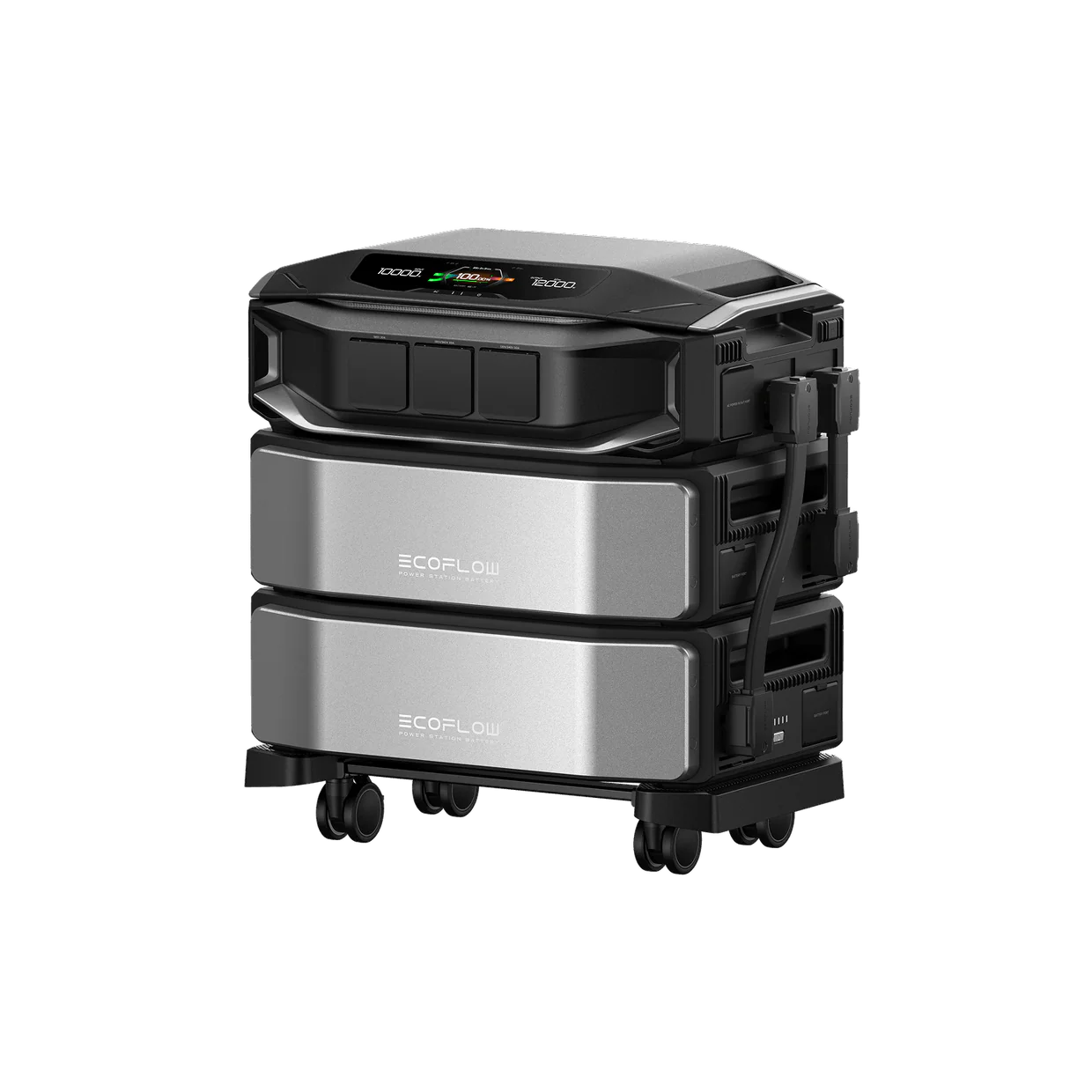
The EcoFlow DELTA Pro Ultra X functions as the central intelligence layer in your home energy setup. It can capture solar surplus efficiently, store it in an expandable battery bank, prioritize essential loads, optimize charging schedules, and adapt to changing utility pricing.
The scalable architecture lets you grow your energy capacity as your needs increase. The smart system works in the background so that you can live your life without obsessing over balancing your energy production and consumption.
Frequently Asked Questions
Are Solar Panels Worth It if You Have an EV?
Absolutely. Solar panels can significantly reduce the cost of charging your EV. An intelligent charging system can charge your car from surplus solar during peak production periods to reduce grid dependency and maximize self-consumption.
Can I Charge My EV Directly From Solar Panels?
Yes you can, but you won't be making the most of your system. Solar output fluctuates during the day, and drops off completely at night. An intelligent energy system can balance production, storage, and charging schedules to make sure that your vehicle charges from your surplus production instead of from the grid.
How Does AI Help in Grid Stability for EVs?
AI can shift your charging to times when your renewable energy generation is high. This helps to keep you off the grid, reducing the strain on the infrastructure and improving grid stability.
Upgrade Your EV Charging with EcoFlow DELTA Pro Ultra X
An electric vehicle can save you money as well as help save the planet. But it requires intelligence to get the best out of your home charging system. Take a look at how a home power backup system like the EcoFlow DELTA Pro Ultra X can manage your energy production and consumption to keep your home and your car powered up.
For press requests or interview opportunities, reach out to our media team
media.na@ecoflow.com