Power Outage During a Heat Wave: What Every Homeowner Needs to Know
- Why Heat Waves Trigger Power Outages and Make Them More Dangerous
- First 30 Minutes Checklist When the Power Goes Out
- How to Stay Cool Safely Without Air Conditioning
- Food, Medication, and Water Safety During Summer Outages
- Building a Heat-Wave Backup Power Plan That Actually Works
- Frequently Asked Questions
- Stay Safer, Cooler, and More Prepared for the Next Heat-Wave Outage
Power outages are always an inconvenience. Resorting to flashlights for visibility, limiting phone use for emergencies, and not knowing when the power will return can make for a very anxious experience.
Power outages during a heat wave, however, can turn an inconvenient situation into a life-threatening one. Find out what every homeowner needs to know about power outages during a heat wave.
Why Heat Waves Trigger Power Outages and Make Them More Dangerous
Power demand increases during hotter temperatures as homeowners use air conditioning units and fans to keep indoor conditions comfortable. This greater demand overloads the electrical grid, causing the circuit breaker to switch off to prevent damage to the electrical system.
Power outages don’t simply occur at an individual level. With multiple homes combating the heat by increasing air conditioning, the increased power demand can cause a widespread outage, forcing hundreds of thousands of people to cope with excessive heat without electricity.
Excessive heat can begin as a comfort issue as homeowners attempt to cool their homes, but it can quickly turn into a health concern if the power fails. Heat is the number one weather-related cause of death in the United States, making a backup solution to power outages crucial.
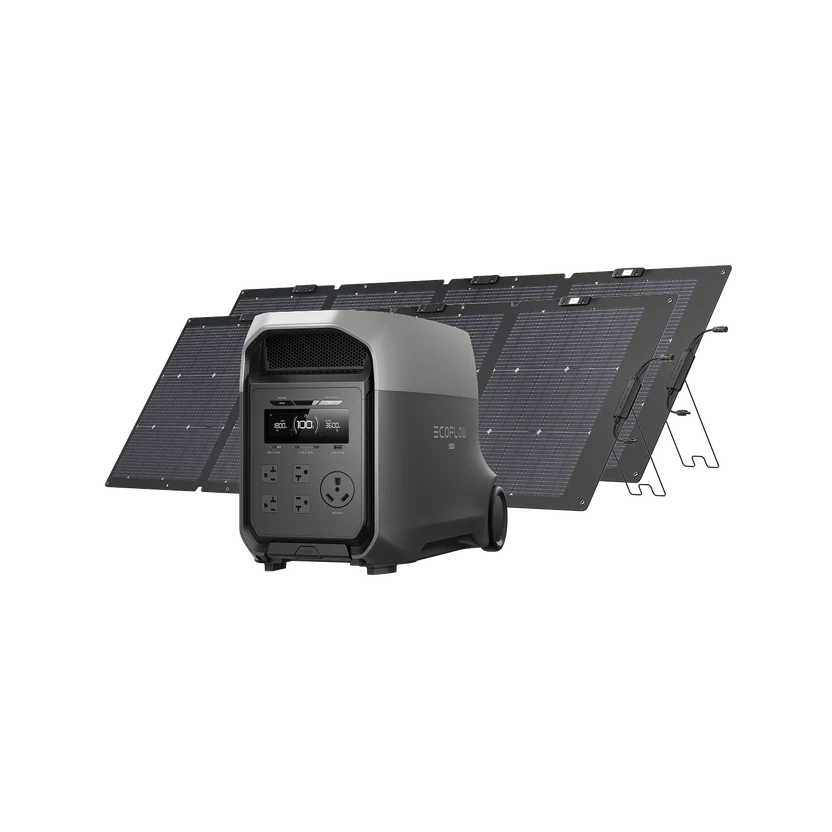
To reduce dependancy on the grid and experience power freedom, consider alternative energy sources such as the EcoFlow DELTA 3 Ultra + 2 × 220W solar panel.
First 30 Minutes Checklist When the Power Goes Out
First thing to do when the power goes out is to confirm there is a power outage. Check your main electric panel for any tripped breakers. If you don’t have any, there could be a local power outage.
Call your utility provider to report or confirm the outage and any dangerous conditions, such as downed power lines or sulfur-like smells. Contact 911 for any life-threatening emergencies.
Keep refrigerators and freezers closed. Opening them allows cool air to escape and food to spoil faster. If you suspect the food temperature has risen above 40°F, throw out the perishable food to avoid foodborne illness.
Disconnect sensitive electronics, such as computers, televisions, gaming consoles, and smart appliances, to prevent damage from electrical surges once the power returns. Ensure your household has a plan in case of an emergency. Determine where you’re staying and where to go if conditions become unbearable.
How to Stay Cool Safely Without Air Conditioning
There are several steps you can take to withstand the heat without air conditioning. Close curtains and blinds to keep the sun’s heat out of your home. Dress in loose-fitting, lightweight clothing, and consider purchasing battery-powered fans.
Gather in the basement or coolest level of your home. After sunset, if it’s cooler outside than inside, open some windows for natural cooling. Open windows on opposite sides of the room to allow cross-ventilation. Do not cook inside. If you have cooking appliances that work without electricity, use them outside to prevent them from heating your home.
Stay hydrated by drinking plenty of water and avoiding caffeinated drinks or alcohol that can contribute to dehydration. Check with local officials about cooling centers operating near you for a place to evacuate to if conditions become unbearable.
Food, Medication, and Water Safety During Summer Outages
Refrigerators can keep food at safe temperatures for up to four hours without power if it’s unopened. A full freezer can hold a safe temperature for roughly 48 hours, while a half-full freezer can hold a safe temperature for 24 hours if the doors remain closed.
Before the power goes out during a heat wave, consider moving temperature-sensitive foods such as milk, fresh meat, and leftovers from the refrigerator to the freezer. Not only does this keep them at a safe temperature longer, but it also packs the freezer more to keep it cool longer.
Have coolers on hand to keep refrigerated food cold if the power is out for more than four hours. Freeze jugs of water to help keep food cold in the freezer, refrigerator, or cooler. These jugs can also provide drinking water once the ice melts.
Refrigerated medications must be kept at a stable temperature. In the event of a prolonged power outage, place medications in an insulated cooler. Never place medications directly on ice. Once power is restored, call a pharmacist to check if the medication is still safe to use.
Building a Heat-Wave Backup Power Plan That Actually Works
Powering your home is essential to withstanding a heat-wave outage. Backup power in the form of portable power stations keeps essential appliances running, such as refrigerators and window a/c units. Whole-home backup power options keep central air conditioning running, maximizing safety and comfort in your home.
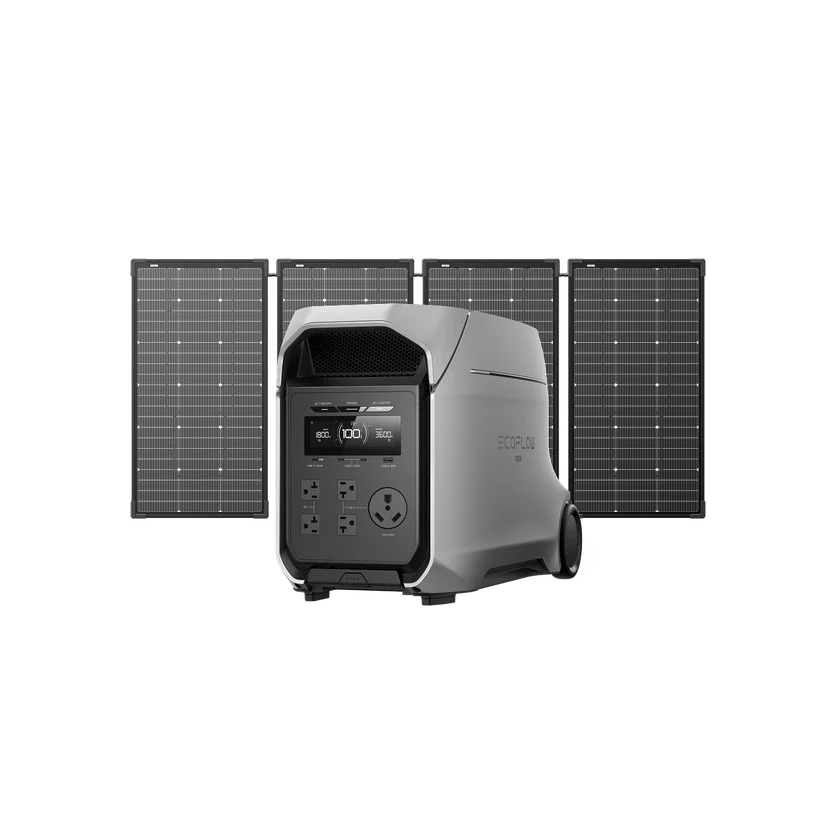
The EcoFlow DELTA 3 Ultra Solar Generator delivers a powerful 3600W output with a 3072Wh capacity expandable to up to 11kWh. Battery storage keeps your essentials running, including your air conditioning unit and refrigerator, while solar panels ensure you don’t run out of juice.
Frequently Asked Questions
How long can refrigerated and frozen food stay safe during a heat-wave power outage?
Refrigerated foods can stay safe for up to four hours if the refrigerator doors remain closed. Frozen food can stay safe for up to 48 hours in a full freezer, or up to 24 hours in a half-full freezer.
What are the safest ways to keep cool if my air conditioning stops working?
The safest way to keep cool when air conditioning fails is to block the sun with drapes and blinds, wear lightweight clothing, turn off lights and electronics that generate heat, and drink plenty of water.
Is it safe to use a generator during a heat-wave outage, and where should it be placed?
Generators can be used during heat waves, but precautions must be taken to ensure they don’t overheat. Keep the generator in a shaded area far from any structures. Never place a generator indoors.
Can a portable power station run fans, a fridge, or a window AC during an outage?
Yes, portable power stations are fully capable of running fans, a refrigerator, or a window a/c unit during an outage. Robust models with high power output and capacity can even run all these appliances at once.
Stay Safer, Cooler, and More Prepared for the Next Heat-Wave Outage
Losing power during a heat wave is a frightening situation. Without air conditioning, indoor conditions can change from uncomfortable to dangerous. Prepare for any power outage with EcoFlow. The EcoFlow DELTA 3 Ultra Plus + 500W solar panel allows you to stay powered even when the grid fails, ensuring your home stays cool and your household safe.
For press requests or interview opportunities, reach out to our media team
media.na@ecoflow.com