Solar Security Cameras: The Complete Guide to Keeping Your Home Safe With Solar Power
- What Solar Security Cameras Are and When They Make Sense
- How Solar-Powered Camera Systems Actually Stay Powered
- Features That Matter Most for Real-World Home Security
- Installation and Maintenance Tips to Maximize Uptime
- Building an Outage-Ready Solar Security Setup With EcoFlow Backup Power
- Frequently Asked Questions
- Secure, Sustainable, Reliable: Protect Your Home With Solar Surveillance
Security cameras are a cornerstone of modern home security, but traditional wired cameras rely on continuous grid power, leaving you vulnerable during outages. Solar-powered alternatives with backup allow you to close this gap and keep your home secure independently of the grid, combining surveillance with built-in energy resilience.
What Solar Security Cameras Are and When They Make Sense
Solar security cameras are self-contained surveillance units that generate and store their own power using an integrated photovoltaic panel, rechargeable battery, and charge controller.
A solar-powered setup works well in locations where running power lines is impractical, such as in detached garages, driveways, along back fences, on rural outbuildings, or on properties with unreliable grid service.
It also allows households to prioritize outage resilience. Blackout home security gaps are a concern because hardwired security systems go out once the grid fails.
Visible cameras help deter crime, but you won't be able to record anything with a wired system if the power's out. Solar cameras remain operational when grid-dependent systems go dark, giving you an extra layer of protection no matter the grid status.
How Solar-Powered Camera Systems Actually Stay Powered
Solar-powered camera systems use a three-component power cycle:
The solar panel converts sunlight into DC electricity.
The charge controller regulates the current to prevent battery overcharge or over-discharge.
Solar power is used to keep the camera on, and any excess is stored in the battery for nighttime and cloudy-day operation.
Your battery's capacity is measured in watt-hours (Wh). Higher Wh ratings extend the number of days your camera can run without solar recharging.
Actual energy use varies by camera model and features such as infrared night vision, onboard analytics, and pan-tilt-zoom functionality. So, to estimate your battery requirements, multiply your camera's rated wattage by 24 hours to determine its daily energy consumption in Wh.
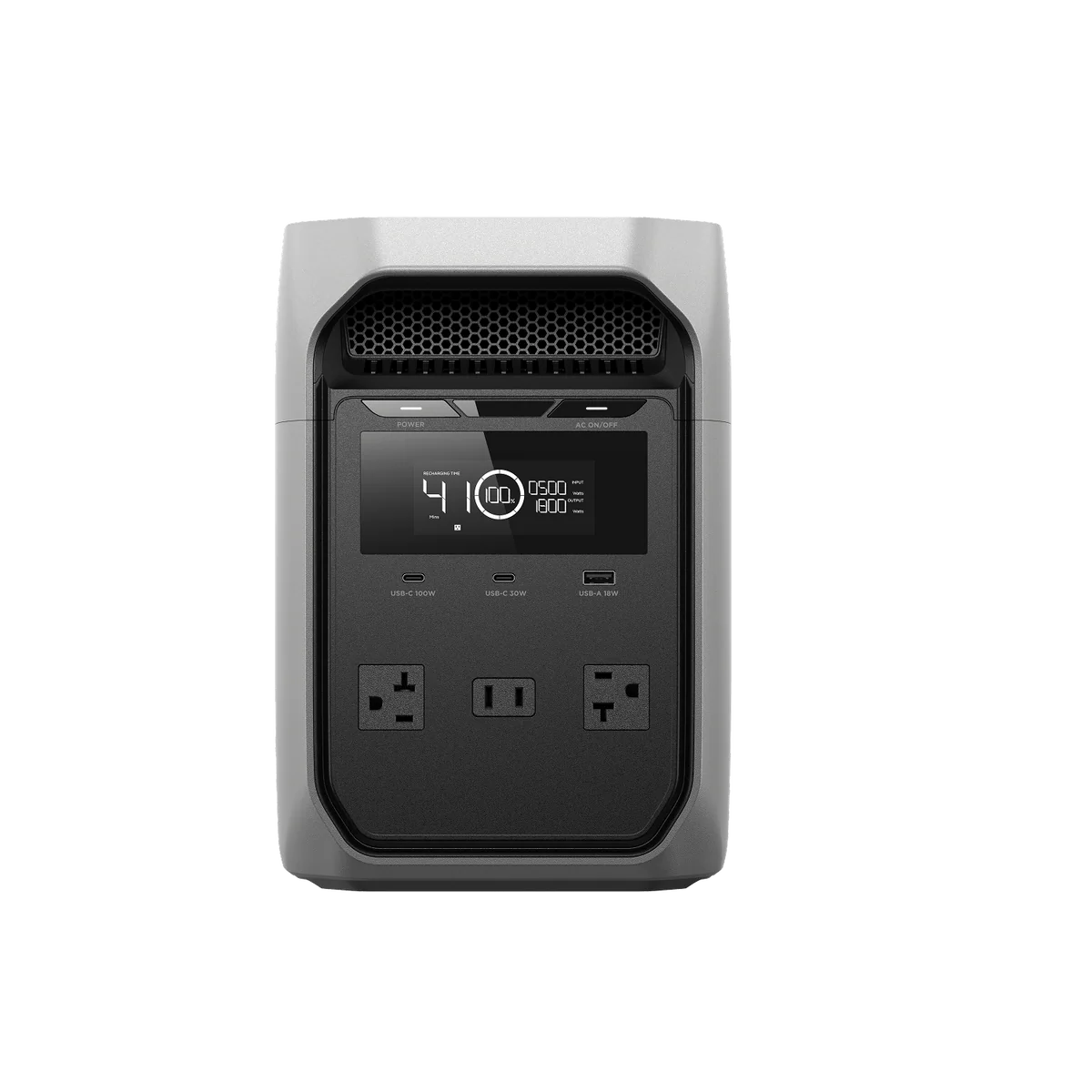
Modest battery banks can sustain multi-day operation for one camera. But if you’re pairing several continuously running cameras with other security elements like NVRs, routers, and alarm hubs, a portable backup battery like the EcoFlow DELTA 3 Classic can extend your runtime and keep the full system online during outages. You could also consider a whole-home backup power solution to address the system comprehensively with ample capacity.
The advantages of solar-powered security setups over grid-type cameras include no recurring electricity draw, flexible camera placement, and continued operation when the grid fails, which is especially helpful in storm-prone areas.
Features That Matter Most for Real-World Home Security
If you're shopping for home security cameras, here are a few features to look out for:
High Resolution: 2K (3MP) is now the practical baseline for capturing usable facial or license plate details. 4K resolution may be available on high-end models for wide-area coverage.
Night Vision: Look for color night vision, assisted with LED spotlights for identifiable footage in complete darkness. Another option is infrared mode, which is more discreet, but only produces black and white imagery.
Motion Detection: AI-powered PIR motion detection reduces false alerts in your system by distinguishing humans from animals or moving foliage.
Field of View: Cameras with wide-angle lenses between 130º and 160º reduce the number of cameras that you need to cover all your entry points.
Connectivity: Wi-Fi connectivity allows you to connect the cameras to your home networks. 4G LTE cellular connectivity works well for remote or off-grid installations. Your connectivity choice also determines whether footage will be accessible during internet outages, as well as power outages.
Storage: Local microSD storage keeps your footage accessible even if cloud connectivity drops. Cloud backup is another good option for off-site redundancy if your camera gets damaged or stolen.
Installation and Maintenance Tips to Maximize Uptime
Mount your cameras 8–10 feet above the ground for an optimal field of view, and position your solar panels to face south at a 30–45º tilt angle for maximum year-round solar gain.
Avoid shading over your panels, because even partial panel obstruction from rooflines or tree branches can reduce efficiency. Obstructed systems see a 30–34% loss of annual energy regardless of tilt angle.
Clean your panel surfaces periodically if your environment is dusty, pollen-heavy, or snowy. Accumulated debris can cause underperformance in otherwise well-sited systems.
Install the outdoor solar battery and panel separately from the cameras if possible, so you can optimize the angle for each.
Building an Outage-Ready Solar Security Setup With EcoFlow Backup Power
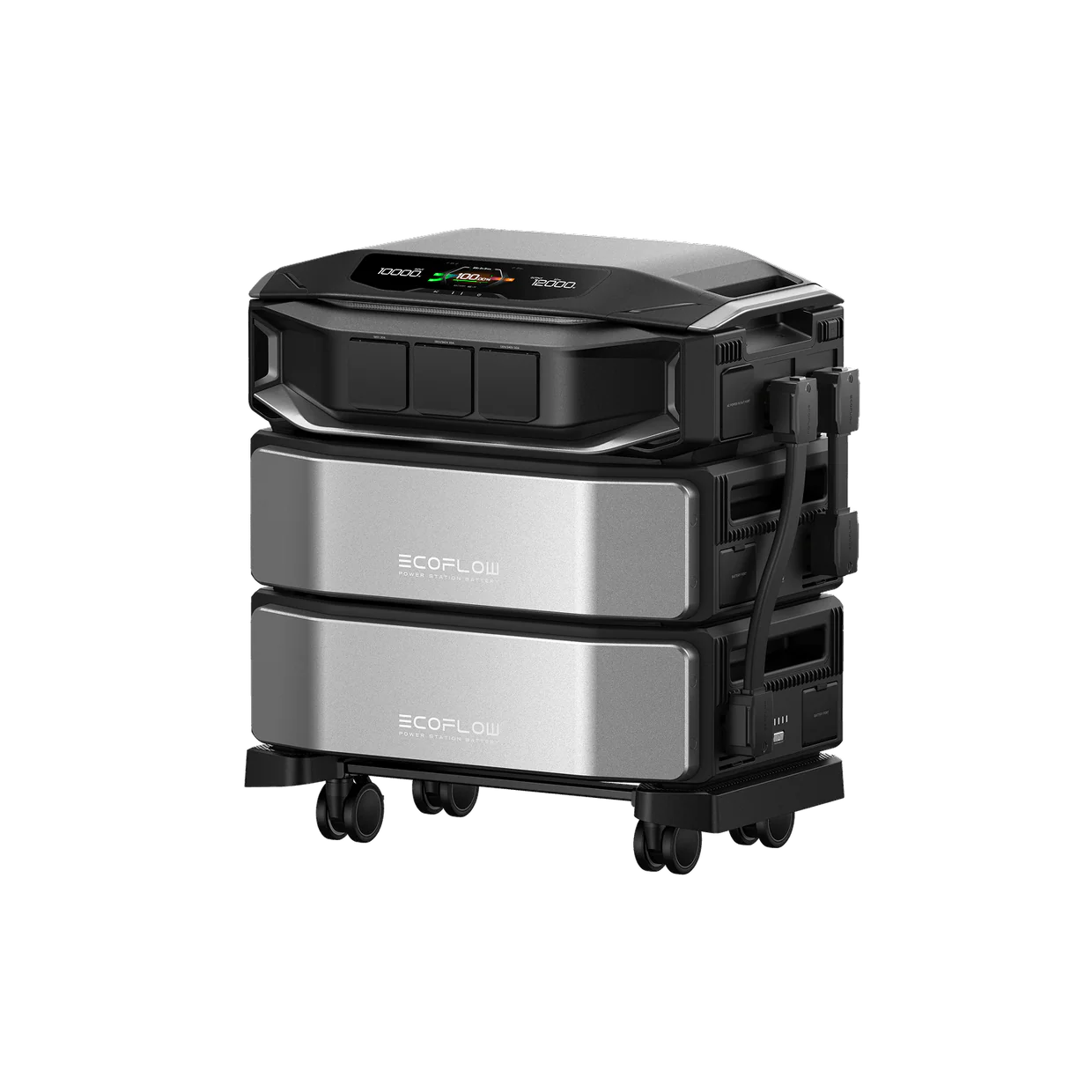
A standalone solar camera can provide enough power for the individual device. But for a full security system, you'll need more storage power to cover the load.
A robust solution like the EcoFlow DELTA Pro Ultra X can cover a larger system and ensure your cameras and connected devices experience zero recording interruption when the grid power drops.
Frequently Asked Questions
How Long Can Solar Security Cameras Run Without Sunlight?
The length of time your solar security cameras can run without sunlight depends on your battery capacity and the camera's power draw. Most standalone solar cameras carry enough storage onboard for one to three overcast days with typical motion-triggered usage. Cameras set to record continuously will drain reserves faster than those triggered by motion.
Can Solar Cameras Keep Working During Power Outages?
Yes, solar cameras can operate throughout power outages and work independently of the grid, drawing instead from onboard battery storage or connected photovoltaic panels, rather than AC power. However, the outage resilience extends only to the camera itself, not necessarily to connected Wi-Fi routers, NVRs, or cloud services.
How Do I Size Panels and Batteries for My Cameras?
Calculate security system wattage by adding up your total camera draw, plus any other components, to determine the continuous load. Then size your battery capacity to cover your desired runtime without solar input by multiplying the total load by target hours, dividing by 0.8 to account for discharge efficiency.
How Do I Maintain Outdoor Solar Components?
Wipe solar panels clean of any dust, pollen, or debris on the surface every one to three months. Inspect the mounting hardware, weatherproof seals, and cable connections seasonally. Review battery level trends monthly and look for signals of panel underperformance, connection degradation, or battery aging.
Secure, Sustainable, Reliable: Protect Your Home With Solar Surveillance
If you're frustrated with the core weakness of traditional security camera systems — their dependency on the grid — solar cameras remove that dependency entirely and provide security when it's needed most: during storms, blackouts, or planned disruptions.
Standalone solar cameras can handle their own individual device coverage, but if you want a full security ecosystem, pair it with a battery-powered backup, like the EcoFlow DELTA 3 Classic, to keep your routers, NVRs, and monitoring services running.
For press requests or interview opportunities, reach out to our media team
media.na@ecoflow.com