Solar Panel with Outlet: How It Works and Best Portable Options for U.S. Homes and Outdoor Use
- Can You Plug Appliances Directly Into a Solar Panel? (Core Misconception Section)
- Types of Solar Panels with Outlet Options
- Best Uses for a Solar Panel with Outlet in the U.S.
- How to Choose the Best Solar Panel with Outlet
- Best Portable Solar Panel Systems with Outlet in 2026
- Solar Panel with Outlet vs. Traditional Gas Generator
- Conclusion
- FAQ
Sourcing backup power for a home or securing energy for an off-grid trip means navigating a crowded market of solar gear. Buyers frequently stumble over equipment labels, wondering why their monthly electric bills measure electricity usage in kilowatt-hours (kWh) while portable solar equipment on retail shelves is rated in watts (W) and watt-hours (Wh). Connecting these dots doesn't require an engineering degree. Understanding how these units interact helps you protect your home electronics, size your backup storage accurately, and keep your utility bills down. This guide skips generic marketing claims to deliver a clear look at solar power setups, helping you choose the right gear for residential blackouts, RV travel, or remote job sites.
Can You Plug Appliances Directly Into a Solar Panel? (Core Misconception Section)
The phrase "solar panel with an outlet" often makes people picture a standard glass panel with a common household plug built directly into the frame. While that sounds like an easy fix, solar panels cannot power standard appliances on their own. Running everyday hardware requires a few extra electrical components to clean up, regulate, and stabilize the power before it ever touches a piece of sensitive electronics.
Why Most Panels Don’t Have Outlets
Standard solar panels cannot host direct AC outlets because they generate raw Direct Current (DC). This power output rises and falls constantly based on cloud cover, air temperature, and the angle of the sun. Conversely, standard American household appliances require a steady, unvarying flow of Alternating Current (AC) delivered at exactly 120 volts. Connecting a refrigerator or laptop straight to an unmanaged solar panel would immediately overwhelm the circuits, ruining the internal electronics or failing to power the machine at all due to the volatile current.
What “outlet” Actually Means
When a manufacturer advertises a solar panel with a built-in outlet, they are talking about a complete, integrated solar kit. In these setups, the panel serves strictly as an energy collector. It routes raw DC power into a companion box containing a charge controller and an inverter. The inverter handles the heavy lifting, converting the erratic DC current into clean, regulated 120V AC electricity. This managed current then feeds into standard plugs, giving you a safe power source identical to a residential wall socket.
Solar Panel vs. Generator
Choosing the right hardware requires drawing a clear line between standalone panels and complete solar generators.
Solar Panel: A bare collector grid that captures sunlight. It has no internal battery storage, cannot hold power for later, and cannot run standard household plugs on its own.
Solar Generator: A self contained power station that houses a lithium battery storage pack, a smart charge controller, and a high-output AC inverter in one portable box. This system gives you multiple true wall outlets that you can run off-grid while using attached solar panels to keep the battery topped off.
Types of Solar Panels with Outlet Options
Solar setups featuring plug access vary significantly based on how much power they deliver and where you plan to use them. Equipment falls into three primary categories depending on whether you want to charge personal devices on a trail or run major appliances during a blackout.
Portable Solar Panels with USB Output
For small, everyday needs, compact solar folders with built-in USB ports provide a simple way to harvest energy. These systems use basic internal regulators to deliver a steady 5-volt DC output, allowing you to plug smartphones, tablets, headlamps, or small power banks directly into the panel. These lightweight panels are built specifically for backpacking, camping trips, or keeping emergency communication gear alive when you are traveling light.
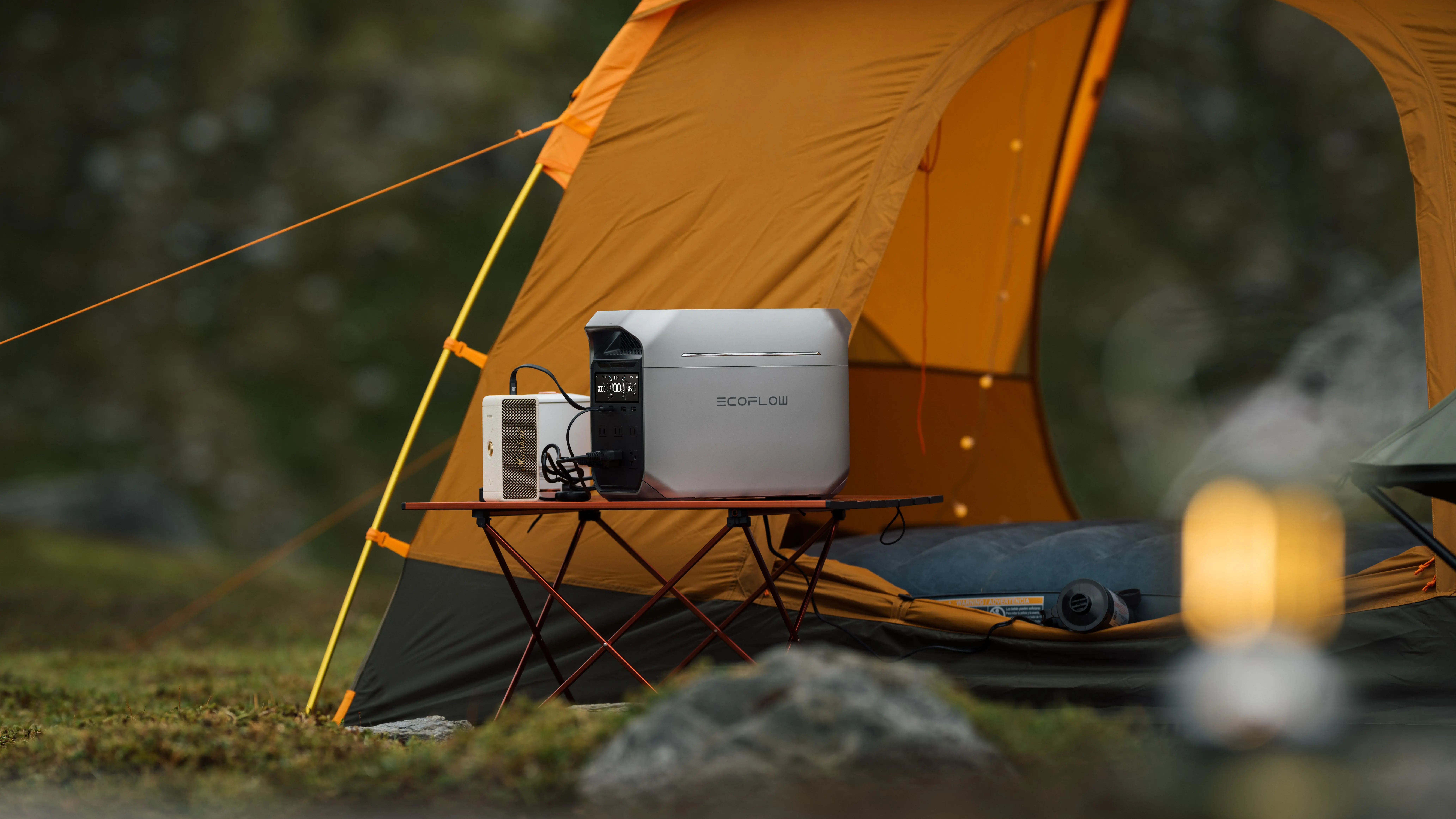
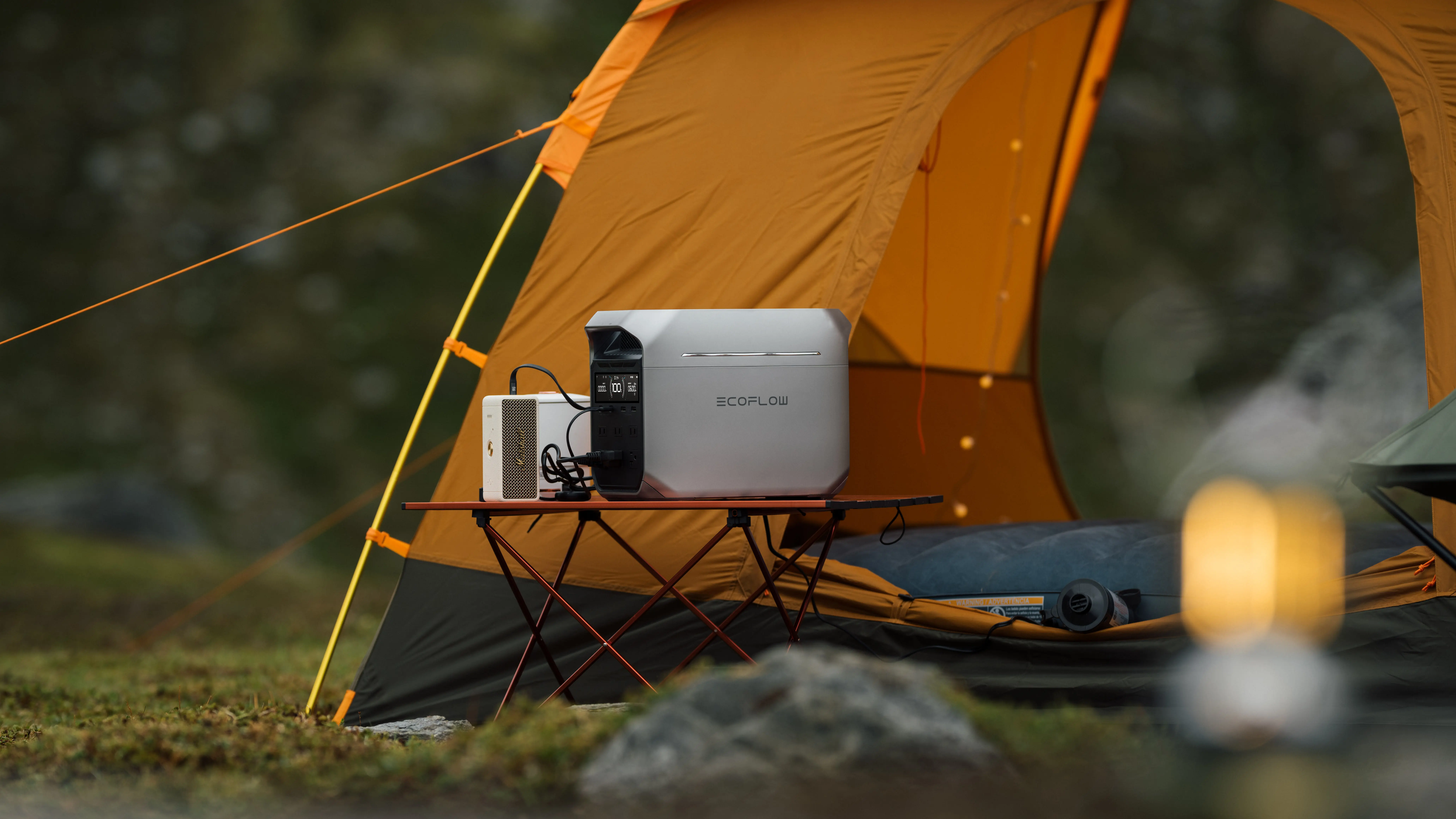
Solar Generators with AC Wall Outlets
For heavy duty domestic needs, solar generator systems provide the most practical answer. These configurations connect large, high efficiency solar arrays to a portable power station that features standard 120V AC plugs. The internal battery pack stores energy all day long, while the heavy-duty inverter delivers the stable AC power needed to run full sized refrigerators, microwaves, medical gear, or portable air conditioners during a prolonged power outage.
Foldable Solar Panel Kits for Outdoor Use
Sitting right between small USB folders and full scale power stations, foldable solar kits offer an agile, mobile compromise. These setups fold down into rigid, suitcase style cases for easy vehicle storage and transport. Rather than using built-in USB or AC plugs, they route raw power through heavy-duty DC connections like XT60 or Anderson ports. This design maximizes charging speeds when feeding energy into detached power stations or large external battery banks at a campsite.
Best Uses for a Solar Panel with Outlet in the U.S.
The real world utility of these clean energy systems depends heavily on your location and lifestyle. Across the United States, homeowners and travelers face distinct environmental and regional demands that turn independent power into an invaluable asset.
Emergency Home Backup During Power Outages
When a bad storm hits the local area, keeping the lights on and protecting your food supply becomes an immediate safety priority. A high capacity solar setup with built-in AC outlets provides direct peace of mind during unexpected blackouts. It ensures your phones stay charged, your internet remains up, and critical home medical equipment stays online without relying on local utility infrastructure.
Backup Power for Storms and Grid Failures
Extreme weather events are putting severe strain on aging regional power grids across the country. Whether you are dealing with hurricane threats along the Gulf Coast, handling winter ice storms that knock out power lines in Ohio, or navigating rolling summer blackouts in Texas and California, a dedicated solar backup system keeps your household completely independent from an unreliable centralized grid. For modern families, investing in these resilient energy strategies is a vital step toward true power outage preparedness.
Camping and Outdoor Adventures
Beyond survival situations, portable solar power brings modern convenience to remote locations. Whether you are setting up camp under the heavy trees of the Great Smoky Mountains or boondocking across the open Arizona desert, utilizing a solar array with integrated outlets lets you run electric camp stoves, power cooling fans in summer heat, and keep your camera gear fully charged.
RV and Van Life Power Solutions
The American road trip has evolved, with thousands of travelers moving toward full-time or weekend mobile living. Integrating foldable solar arrays allows van lifers and road trippers to harvest free energy right from their vehicle roofs. This independent power supply runs laptops, Starlink internet dishes, and 12V compression fridges without the constant noise, fumes, and fuel demands of a traditional combustion generator. Embracing these high-efficiency setups has revolutionized the concept of sustainable RV and van life across North America.
Everyday Energy Savings at Home
You don't have to wait for a natural disaster or an off-grid vacation to get your money's worth from a solar setup. Many suburban homeowners set up portable solar panels on sun-exposed patios or back decks to charge power tools, run backyard lighting, or power home office equipment during peak utility hours, chipping away at their monthly electricity bills.
How to Choose the Best Solar Panel with Outlet
Navigating the crowded solar marketplace requires matching the technical specifications of the hardware directly to your personal energy goals. Focus on these critical engineering factors to ensure you do not buy an underpowered system or overspend on unnecessary capacity.
Understand Your Power Needs First
Before comparing different models, make a quick list of every device you intend to run on your solar circuit. Check the manufacturer label on the back of each appliance to find its exact wattage draw. Charging a handful of mobile devices requires minimal power, whereas running major appliances demands a rugged system engineered to sustain continuous, high load energy draws.
What Appliances Can a Solar Panel System Power?
A solar system's absolute limits are set by the continuous output rating of its built-in AC inverter. Small power stations can easily run laptops, drones, CPAP machines, and LED lights. If you want to keep major appliances running, like a full sized kitchen refrigerator, a heavy sump pump during a rainstorm, or a high draw coffee maker, you must source a heavy-duty system that delivers at least 2,000 to 3,000 watts of continuous AC output.
Choose the Right Battery Capacity
Solar panels only harvest energy when direct sunlight hits the cells, which is why battery capacity, measured in Watt-hours (Wh), is a critical spec. This number dictates exactly how many hours your gear can stay plugged in after dark or when thick clouds roll over your property. For example, a 1,000Wh battery bank can theoretically run a 100W appliance load for about 10 hours before needing a recharge.
Check the AC Outlet Output
Not all built-in AC plugs deliver the same quality of electricity. Focus exclusively on power stations that use "Pure Sine Wave" inverters for their AC outlets. Pure sine wave current is highly stable and clean, matching the exact electrical profile delivered by the plugs in your home walls. This clean delivery ensures that sensitive electronics, like modern workstations, televisions, and variable-speed appliance motors, run smoothly without humming or overheating.
Portability vs. Power
A permanent engineering tradeoff exists between a system's total power output and its physical transport weight. A heavy-duty whole-home emergency backup system naturally weighs more, requiring rugged wheels, integrated handles, or permanent placement. Conversely, a highly portable solar folder can slide right into a backpack but remains limited to light electronic loads and low-voltage USB charging.
Solar Charging Speed and Panel Efficiency
A large battery pack provides little benefit if the attached solar panels require three full days of sunlight to fill it back up. Evaluate the maximum solar input limits of the power station alongside the efficiency ratings of the companion panels. Focus on monocrystalline panel technology delivering 22% to 25% efficiency ratings. High solar input limits let you chain multiple panels together in series, fully restoring battery capacity in just a few hours of peak midday sun.
Best Portable Solar Panel Systems with Outlet in 2026
Specific hardware configurations provide an ideal balance of advanced technology, field reliability, and real world utility for American consumers this year.
Best for Home Backup Power
In the United States, infrastructure damage from severe storms often targets residential grids, turning independent backup power into an absolute necessity. Households requiring a reliable power source to sustain high demand appliances like full size refrigerators, Wi-Fi routers, security lighting, and portable cooling units cannot rely on a single low wattage panel.
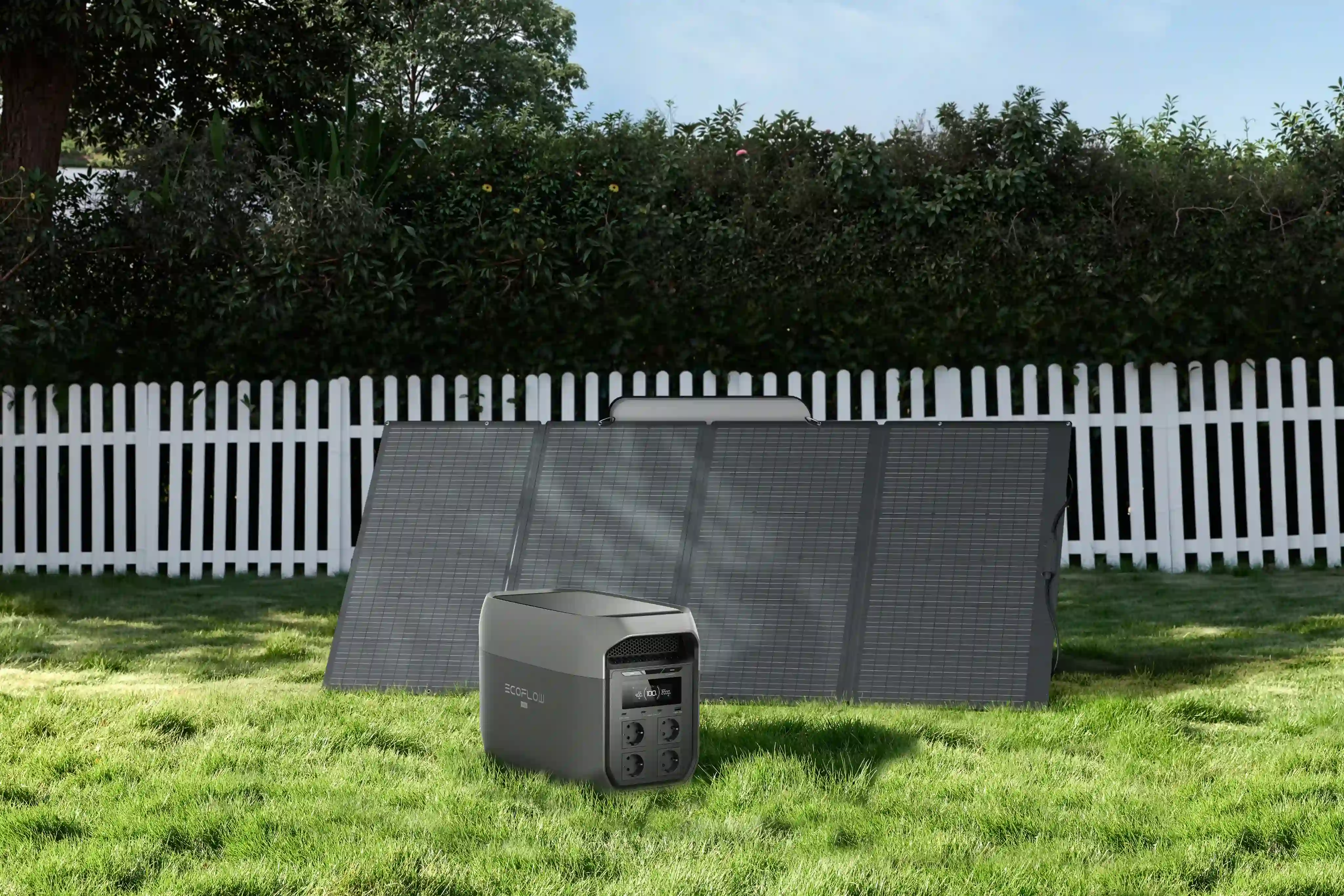
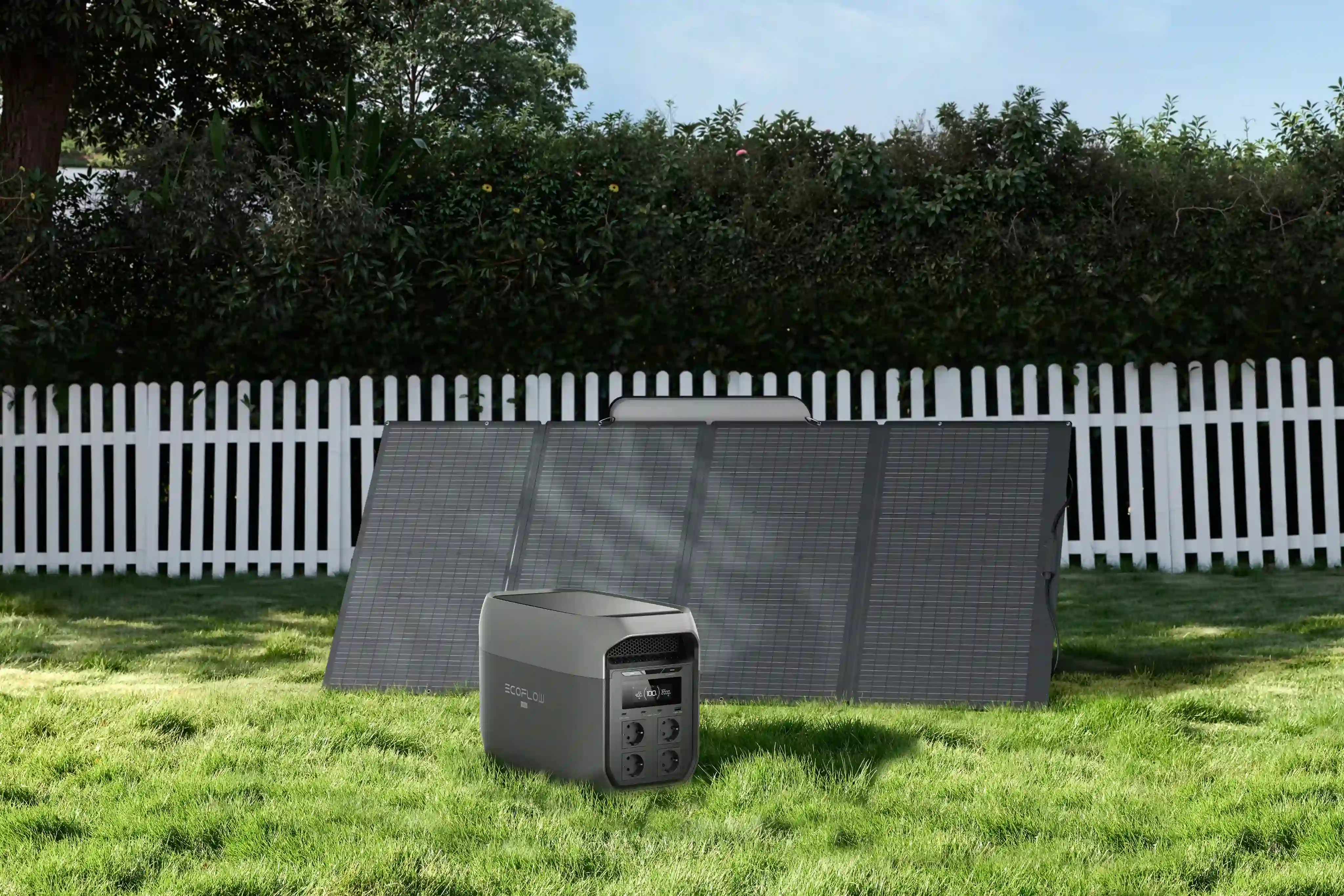
For this level of residential demand, the EcoFlow DELTA 3 Max (2048Wh) + 400W Solar Panel serves as an exceptionally capable home backup solution. Engineered specifically for residential climate and emergency resilience, it links a massive battery capacity with a high output inverter designed to handle the heavy initial startup surges common to major household motors. The attached 400W high efficiency panel rapidly captures energy during peak daylight hours, allowing the system to provide continuous, silent AC power all night long without the logistical hassle or fuel demands of traditional emergency equipment.
Best for Camping and Portable Use
For mobile lifestyles, overland travel, and extended vehicle camping across national parks, power priorities pivot toward tight space management, rugged structural durability, and rapid deployment.
In these travel environments, the EcoFlow DELTA 3 Plus + 220W Solar Panel offers a balanced, highly mobile off-grid package. The 220W solar array features a dual-sided, high-efficiency design that captures ambient reflected light, maximizing power generation even in partially shaded campsites or changing weather conditions. The DELTA 3 Plus enclosure remains compact enough to store easily in a car trunk or RV storage compartment, forming a lightweight, reliable off-grid energy station that delivers rapid solar recharging speeds and flexible multi-plug output without adding unnecessary bulk to your pack list.
Best Small Solar Panels with USB Outlets
Ditching the heavy battery gear makes total sense when you are packed for a quick day-hike or setting up a glovebox emergency kit. For those situations, a pocket sized solar fabric folder does the job perfectly. These lightweight sheets unfold right in the sun, letting you run a line straight from the integrated USB-A or fast charging USB-C ports into your phone or headlamp. It drops the extra weight from your pack while keeping your communication lines open using nothing but direct sunlight.
Solar Panel with Outlet vs. Traditional Gas Generator
For decades, heavy combustion generators served as the default backup solution for home blackouts and remote campsites. Modern solar systems equipped with dedicated AC outlets have fundamentally disrupted this sector, presenting distinct operational and safety advantages over old fossil fuel technology.
Noise and Maintenance Comparison
Gasoline generators are notoriously loud, frequently operating between 60 and 80 decibels. This constant engine noise easily violates municipal suburban sound ordinances and destroys the quiet nature of a remote campsite. They also demand continuous mechanical maintenance, routine oil changes, fresh fuel stabilizer, and periodic spark plug replacements. In sharp contrast, solar generator configurations operate in 100% complete silence and demand zero mechanical upkeep, requiring only an occasional wipe down to keep the face of the panels free of dust and debris.
Indoor Safety and Emissions
Traditional internal combustion engines vent hazardous carbon monoxide exhaust, forcing operators to run the machinery outdoors at least 20 feet away from open residential windows and doors. This requirement presents major security risks and weatherproofing hurdles during severe downpours or winter blizzards. A solar power station utilizing AC outlets produces exactly zero emissions, making it completely safe to operate indoors, whether placed right next to your bed, stationed on a kitchen counter, or enclosed inside a sealed camper van.
Long-Term Cost Comparison
Dropping cash on a quality solar system means paying more upfront, but your daily operational costs drop significantly after installation. Think about a multi-day grid failure, feeding a gas generator can burn through hundreds of dollars in fuel, assuming you can even find an open service station with the electricity running to pump gas. Solar eliminates that headache entirely. Sunlight doesn't cost a dime, it never runs out, and it lands right on your property every single morning.
Conclusion
Sizing up a solar setup with built-in plugs changes the game for personal energy security. It provides a reliable fallback when local utilities fail and offers complete freedom for remote travel. Standalone solar panels cannot run standard appliances on their own, but pairing high-efficiency panels with a solid portable station solves that hurdle completely, delivering silent, safe electricity right where it is needed. The primary objective is to evaluate your actual hardware wattage, match it to a proven setup like the EcoFlow DELTA series, and keep your critical devices running smoothly on pure daylight.
FAQ
Can a Solar Panel Run a Refrigerator?
Yes, but the configuration requires a battery bank and an inverter. A typical residential refrigerator consumes 100 to 200 running watts continuously, but the compressor requires a brief 1,200 to 1,500 watt inductive surge to start up. An appropriately sized system like the EcoFlow DELTA 3 Max easily manages both electrical demands, making it suitable for emergency backup or off-grid installations.
Do Solar Panels Work on Cloudy Days?
Yes, though output drops to roughly 10% to 25% of their normal capacity. High efficiency monocrystalline panels help capture a higher volume of this diffused, scattered daylight during low sun conditions.
How Long Does a Portable Solar Generator Last?
Most premium systems last 5 to 15 years depending on usage. Systems built with LiFePO4 batteries, such as the EcoFlow DELTA 3 series, handle 3,000 to 4,000 charge cycles before any minor capacity loss, often delivering over a decade of service.
Can I Use Solar Power Indoors?
Yes, the power station runs in absolute silence with zero emissions, making it completely safe for indoor living spaces. The weather rated solar panels stay outdoors in the sun, routing electricity inside through a heavy duty extension cable.
Can You Use a Solar Panel Without a Battery?
Yes, but only for minor, real time loads like small USB electronics. Without a battery pack to buffer the fluctuating current, you cannot establish the stable, unvarying power required to safely run standard household appliances.
Is a Solar Generator Better Than a Power Station?
They are fundamentally the exact same hardware under the hood. A portable power station functions as the core battery storage unit, while the term "solar generator" simply refers to that exact same power station when it is bundled with companion solar panels for independent, off grid recharging.
For press requests or interview opportunities, reach out to our media team
media.na@ecoflow.com