Solar Panel Mounting Systems: Types, Costs, and How to Choose the Right One
- What a Solar Panel Mounting System Does and Why It Affects Performance
- Solar Panel Mounting System Types for Homes, Cabins, and Off-Grid Setups
- How to Choose the Right Mount for Your Roof, Yard, or Travel Setup
- Solar Panel Mounting System Cost: What You’ll Pay and What Drives the Price
- How Mounting Choices Connect to Whole-Home Solar and Backup Power Planning
- Frequently Asked Questions
- Choose a Mount That Protects Your Home and Maximizes Solar Output
Solar panel mounting systems are sometimes considered after you’ve already decided to install solar. However, how the panels are set up can have a profound impact on performance and depends heavily on your home, roof, location, shading, property, and other factors. This is why adding how your panels will be installed to your planning will help ensure you get the most out of your system.
What a Solar Panel Mounting System Does and Why It Affects Performance
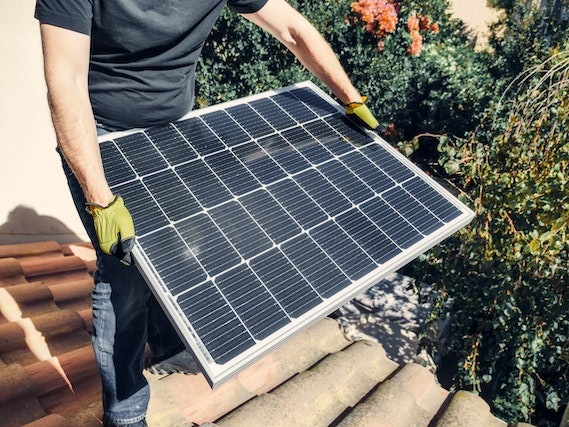
The mounting/racking system is an essential part of setting up solar systems because it’s engineered to safely anchor them to a roof or other structure.
However, while structural integrity is crucial, these systems do more than simply hold the panels in place. The racking system is what determines the angle and orientation of the panels, which in turn influences how much sunlight hits the panels and how they perform.
Proper mounting also ensures a gap between the panels and the surface below, ensuring airflow to keep the panels running efficiently in hot weather.
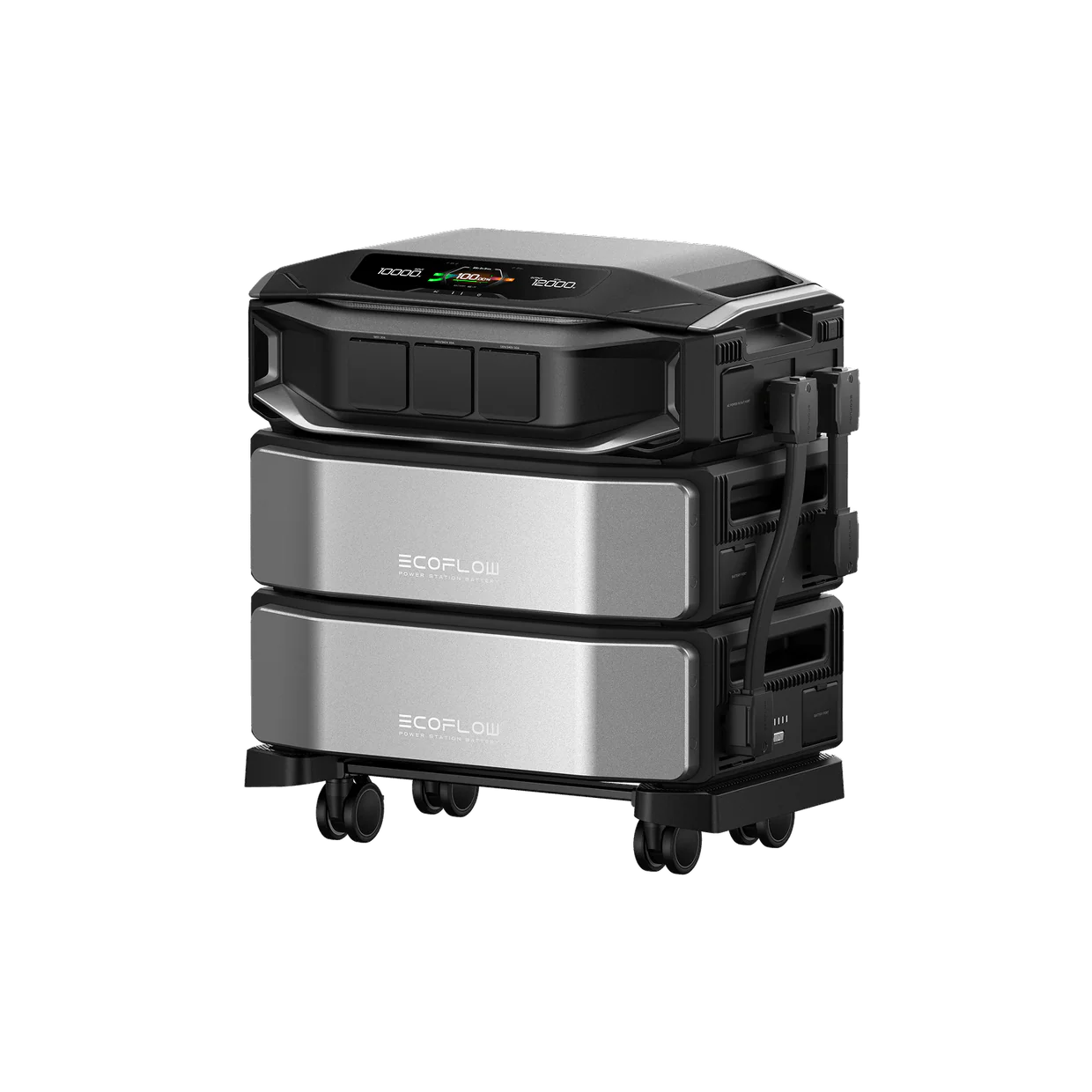
If you're pairing your array with home battery storage, the EcoFlow DELTA Pro Ultra X manages charging safely and efficiently, letting you draw on solar energy after dark.
Solar Panel Mounting System Types for Homes, Cabins, and Off-Grid Setups
Mounting options typically fall into the following categories:
Roof mounts feature metal rails fastened to the roof rafters using L-feet, flashings, and heavy-duty screws. Rail-less designs with a lower profile are also available for homes with HOA or historical preservation rules.
Ground mounts are used in large yards or when roofs are unsuitable due to age, shading, or poor angles. They use concrete, driven piles, or ballasted weights to hold large arrays at the perfect angle. Because they often can generate more than a roof, they’re popular with off-grid systems when combined with a whole home generator.
Pole mounts are ground mounts fixed to a single pole and are generally used to elevate panels out of snow or away from obstructions.
Tracking systems use single-axis or dual-axis trackers to mechanically rotate the array to follow the sun’s path. While highly efficient, moving parts add complexity and maintenance.
How to Choose the Right Mount for Your Roof, Yard, or Travel Setup
Selecting the right mount depends on your location, home, yard, roof, aesthetic preferences, and budget. Since installing solar panels on roofs is typically the most cost-effective option, we’ll break it down first by roof type:
Asphalt shingle and metal roofs are often perfect for standard roof mounts. However, ensure your roof isn’t too old or shaded and the pitch is at a good angle for optimizing production.
Flat roof setups use a ballasted design with heavy concrete blocks, allowing you to set your panels at a fixed, optimum angle while resisting wind uplift.
Off-grid setups may be able to use roof mounts if the roof is large enough and receives ample sunlight; otherwise, a larger ground-mounted system may be necessary.
Travel setups require flexibility. Portable panels with tilt-leg mounts can easily be moved to optimize production. Roof-mounted rigid or flexible panels can also be used on RVs.
Solar Panel Mounting System Cost: What You’ll Pay and What Drives the Price
Racking and mounting hardware generally account for 3% of your total cost of home solar.
Mount Type | Average Cost | Cost Drivers |
Standard Roof Mount | $500-$1,000 | Roof materials, flashing type, rails or rail-less, and system size |
Ballasted Flat Roof Mount | $1,000-$2,000 | Concrete block weight requirements and structural engineering |
Standard Ground Mount | $2,000-$4,500 | Trenching, concrete footings, and underground electrical to the home |
Tracking Ground Mount | $4,000-$8,000+ | Motorized components, automated sensors, and maintenance |
How Mounting Choices Connect to Whole-Home Solar and Backup Power Planning
When designing a whole home backup power solution, the mounting configuration should match your location and energy needs. This is because a poorly angled array or one plagued by shade may not harvest enough energy to charge your storage battery before the sun sets, leaving you without power after dark.
For instance, if you live in areas with heavy snow, elevating panels on ground mounts or high-tilt roof mounts ensures the snow slides off. However, desert dwellers will need to be more concerned about heat dissipation.
Frequently Asked Questions
What Are the Most Common Solar Panel Mounting System Types?
The most common are fixed roof mounts, which are favored for their lower cost. Other common options are ground mounts for those with sufficient land, ballasted flat roof mounts, and pole-mounted systems.
How Much Do Solar Panel Mounting Systems Cost?
For a standard residential roof, mounting hardware may cost between $500 and $1,000. Ground-mounted systems require more materials and labor, costing between $2,000 and $4,500.
Can Solar Mounts Cause Roof Leaks?
When installed professionally using aluminum flashing and silicone sealants, solar mounts shouldn’t cause any leaking. The key is professional installation since simply drilling screws in your roof without sealing it may cause leaks.
How Long Do Solar Mounting Systems Last?
Modern solar mounts are manufactured with anodized aluminum or galvanized steel, ensuring they last for about 25 to 30 years, which means they will last as long as your solar panels.
Choose a Mount That Protects Your Home and Maximizes Solar Output
With so many options, it can be challenging to decide what mounting system is best. If your roof is new and has an optimal angle, roof mounts are a cost-effective choice. However, if your roof is old or poorly angled, or you plan to live off-grid, you may benefit from a ground mount to maximize output. And if you have limited direct sunlight, consider an automated tracking system.
And when you pair your array with a home battery like the EcoFlow DELTA Pro Ultra X, you can use solar at night and keep your lights on when the grid goes dark.
For press requests or interview opportunities, reach out to our media team
media.na@ecoflow.com