Solar Generators vs Gas Generators for Winter Use: Reliable, Quiet Power with Long Lifespan
Winter storms and grid failures leave homes cold, dark, and unsafe, especially in areas where temperatures often drop below freezing. A reliable backup generator ensures you can keep heat and refrigerators running and other essential appliances when the power goes out.
Both solar and gas generators can provide emergency power, but their performance, cost, and safety differ significantly. This guide compares each option to help you choose the most practical solution.
Winter Power Challenges in Cold Climates
Cold climates present unique challenges for power, especially in areas prone to winter power outages, which can put your homes and family at risk.
Why Backup Generators Are Essential for Winter Resilience
If you live in a cold climate, having a winter survival kit is essential. This should always include a backup power source to keep your family safe and warm during winter storms and the power outages they often cause.
Without a backup generator, you may have to evacuate your home during an outage, especially if you rely on electricity to heat your home. You also won’t be able to keep your fridge, freezer, and other essential equipment running, leading to food spoilage and other dangers. Finally, your pipes may freeze, causing thousands of dollars in plumbing damage.
What Are the Advantages of Solar Generators vs. Gas Generators in Winter Conditions?
In winter conditions, solar is better than gas for several reasons. Let’s compare the advantages of each to show you why.
Solar Generators
No fuel required - since solar generators use sunlight instead of gas, there is never a need to refuel, saving significant money and eliminating the need to store flammable fuels at your home.
Higher ROI - solar generators cost a little bit more than gas. However, because they have zero fuel costs, require virtually no maintenance, and have a longer lifespan, they offer a much better return on investment (ROI), saving significant money in the long term.
Safe for use indoors - because solar generators use no fuel, they produce no toxic fumes and are perfectly safe to use indoors without the risk of carbon monoxide poisoning that a gas generator carries.
Silent operation - solar generators operate at barely a whisper, unlike noisy gas models. This makes them great for indoor as well as outdoor use in residential areas where they won’t bother your neighbors.
Gas Generators
More affordable upfront - Gas is cheaper up front, but requires costly refueling and maintenance for its entire lifespan.
Fuel availability - gasoline is available everywhere. However, gas pumps usually don’t work during outages.
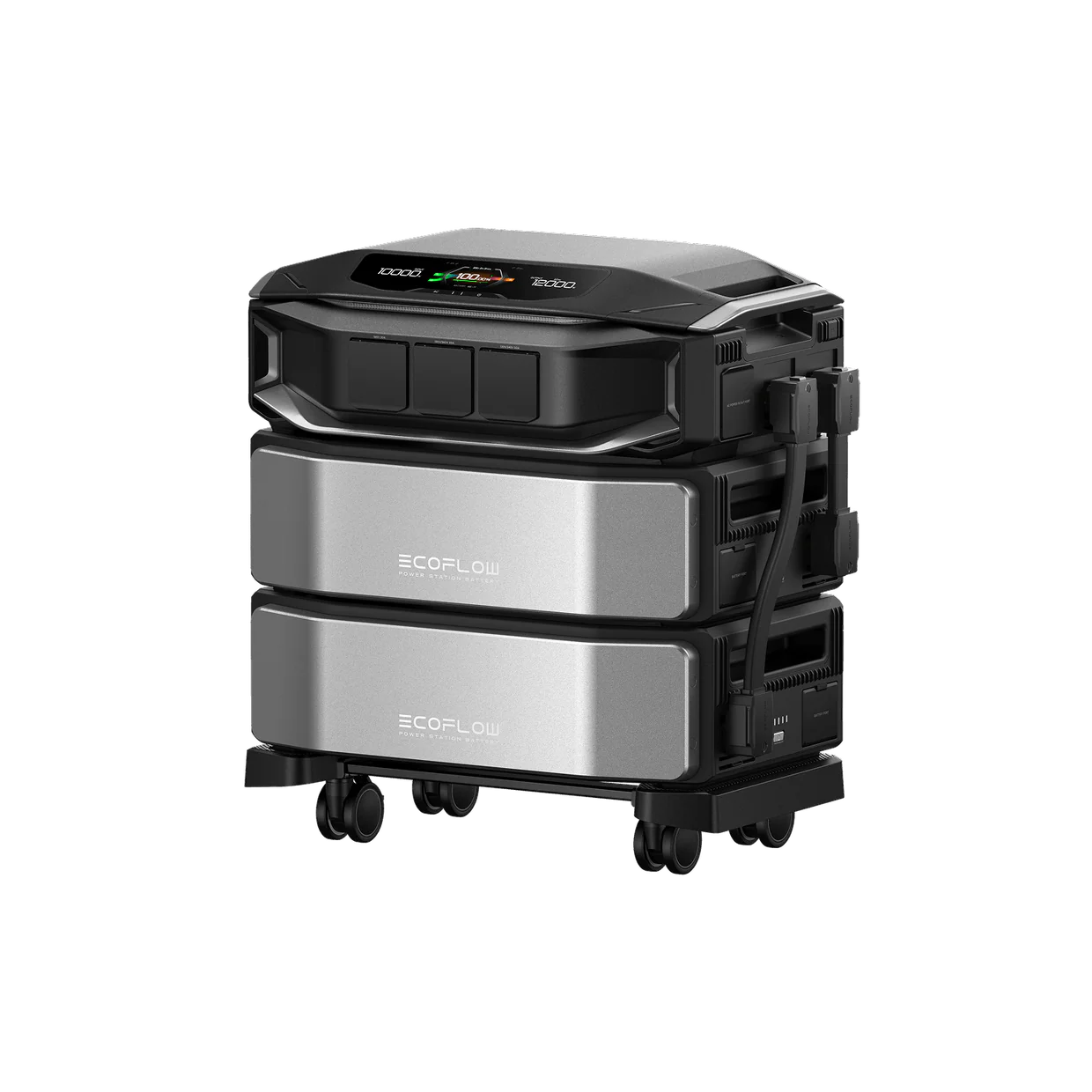
Winter Ready Ecoflow Setups and Whole Home Backup Options
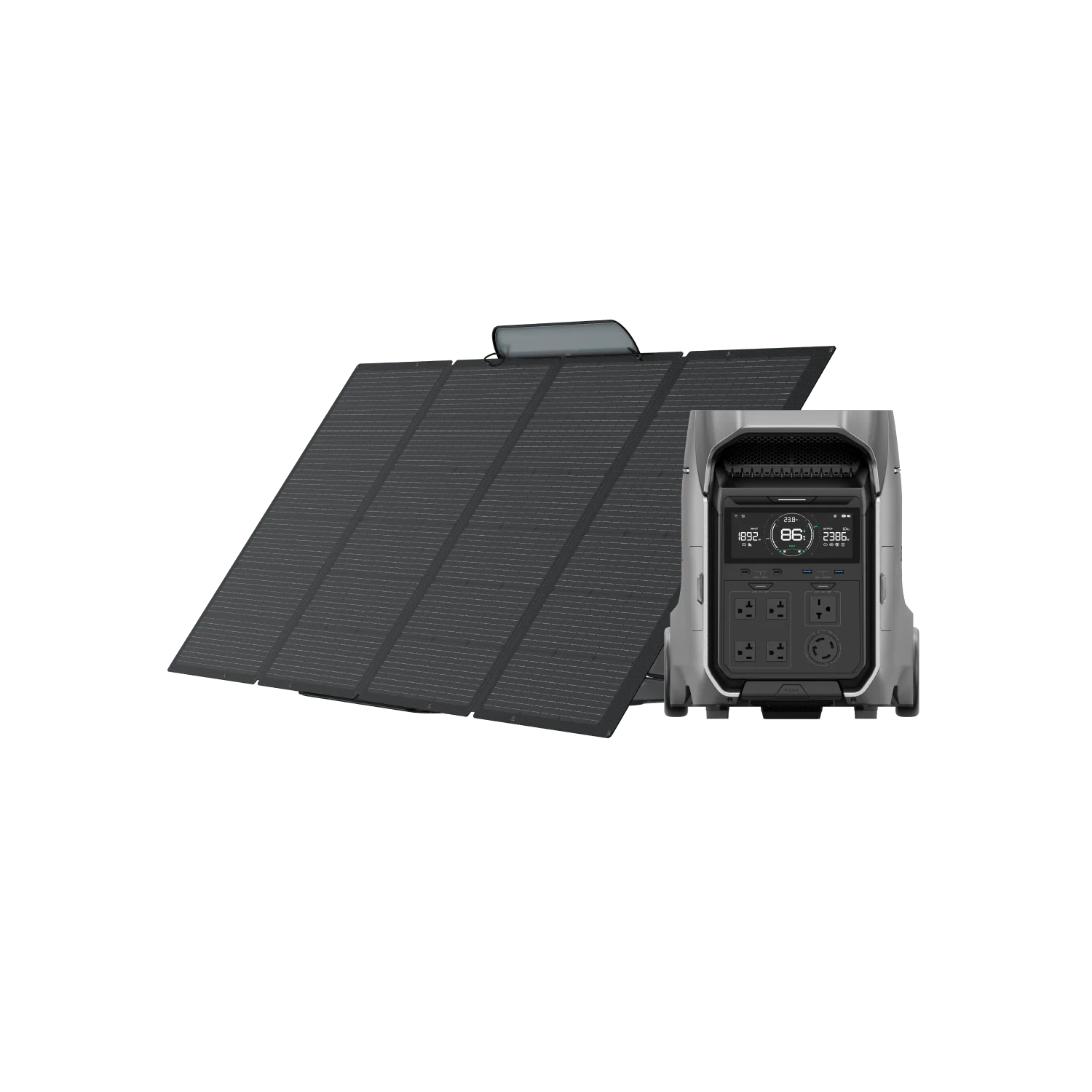
The EcoFlow DELTA Pro 3 Solar Generator (PV400W) has 4000W of output, making it a powerful home backup option for power outages. It will run all your essential appliances, including 240V appliances. It’s also expandable to 12kW with additional batteries, enough to power an entire small home.
Alternatively, for those looking for whole-home backup with larger homes or heavy power needs, you’ll want a larger generator with even more expandability. The EcoFlow DELTA Pro Ultra X is a powerhouse delivering 12-36kW of output to run your entire home. It starts at 12kWh of capacity and is expandable to 180kWh with additional batteries, powering even the largest home for extended periods.
What Are the Cost Savings and Environmental Impacts?
Upfront Costs, Running Costs and Long Term Savings
Solar generators may cost more than gas up front, but they have no running costs since they require no fuel and virtually no maintenance. This produces enormous long-term savings since the only real cost is typically the initial purchase.
Use your solar generator to run appliances even when the grid is working, and you’ll reduce your electricity drawn from the grid and save even more money in the long term.
Long Term Sustainability Benefits
Solar generators are, of course, much more sustainable. They require no fossil fuels or any other consumables to operate for the 25+ year lifespan of the solar panels or the 10-15+ year battery lifespan. They also produce no carbon emissions during their entire operation. If you use a whole-home solar generator, you can significantly reduce your carbon footprint and environmental impact.
Frequently Asked Questions
Can I Use a Solar Generator and Gas Generator Together in Winter for Hybrid Backup?
Yes, you can use both a gas and solar generator for a hybrid backup. If they’re connected to your household electrical, you’ll need it set up properly, including a hybrid inverter. Alternatively, you can purchase a hybrid generator that already uses solar, gas, and even LPG.
How Do I Choose the Right Size Generator to Run Heating and Essential Loads in Winter?
To choose the right size generator, make a list of all your essential appliances and their running watts. Then multiply each by the number of hours they run daily to get watt-hours. Total the watt-hours, then add 20% to that total, and look for a model at least that size.
What Maintenance Should I Do Before Winter to Keep My Generator Ready?
For solar generators, simply check your battery levels and connections, and you are good to go. A gas generator should have the oil and filters changed, clear out the vents and exhaust pipes, and change out the fuel (if it’s old).
Are Solar Generators Safe to Use in Enclosed Spaces Like Garages or Porches During Cold Weather?
Since a solar generator doesn’t burn fuel, it produces no toxic fumes and is perfectly safe for garages, porches, and even inside your home. Quality models use LFP batteries that also produce no fumes, don’t leak, and aren’t prone to thermal runaway like older lithium-ion models.
Final Thoughts
Solar generators offer clear winter advantages: no fuel storage, silent operation, indoor safety, and excellent long-term value. Gas generators can provide strong output, but ongoing fuel costs, noise, and carbon monoxide risks limit their practicality during winter outages.
For safe and dependable home backup, the EcoFlow DELTA Pro Ultra X provides a scalable solution that keeps essential systems running when it matters most.
For press requests or interview opportunities, reach out to our media team
media.na@ecoflow.com