Solar Energy Vs. Wind Energy: Which Renewable Energy Source Is Right for Your Home?
- Home Renewable Energy: Solar vs. Wind Energy
- Solar vs. Wind Energy: Which One Actually Works Better for Homeowners?
- Cost of Solar vs. Wind Energy for Home Use
- How Much Does It Cost to Install a Photovoltaic System?
- How to Choose the Right Home Renewable Energy System for Your Home Type
- The Future of Home Renewable Energy
- Conclusion
- FAQ
Opening your monthly utility bill shouldn’t feel like a roll of the dice, yet for many American homeowners, that’s exactly what it has become. Between record-high electricity rates, peak hour pricing, and an aging grid that seems to fail more often with every major storm, energy security is no longer a niche concern; it’s a household priority. Whether you’re frustrated by summer cooling costs or uneasy about losing power during the next severe weather event, generating your own electricity is one of the most practical ways to regain control.
As you start looking at renewable options, one question naturally rises to the top: Should you rely on the steady light of the sun or the unpredictable strength of the wind? Both solar and wind energy offer real benefits, but they perform very differently depending on location, space, and daily energy needs. In this guide, we’ll break down the solar energy vs. wind energy debate by examining costs, efficiency, reliability, and installation realities, helping you decide which renewable path actually makes sense for your home.
Home Renewable Energy: Solar vs. Wind Energy
Deciding to go green is an exciting step toward long-term energy independence, but the “best” renewable energy source isn’t universal. The right choice depends heavily on your local environment, available space, and daily energy habits, from sun-soaked rooftops in Arizona to the wide, wind-swept plains of the Midwest.
1. Overview of Residential Renewable Energy
Residential renewable energy allows homeowners to shift from being passive utility customers to active energy producers. By capturing natural resources like sunlight or wind, households can reduce monthly electricity bills, protect themselves from rising rates, and build a more resilient, future-focused home energy setup.
2. Photovoltaic (Solar) Systems
Solar power remains the most popular renewable option for American homeowners. Using photovoltaic (PV) cells, these systems convert sunlight directly into usable electricity. They are modular, quiet, and well-suited to rooftops with good southern exposure, making them especially practical for suburban neighborhoods and planned communities.
3. Residential Wind Turbines
Residential wind turbines are less common but can be highly effective in the right setting. They capture the kinetic energy of moving air and work best in open, unobstructed areas with consistent wind speeds. In these conditions, turbines can generate power overnight and during winter months, when solar output naturally dips.
Solar vs. Wind Energy: Which One Actually Works Better for Homeowners?
To choose the right system, it’s important to look past marketing claims and understand how solar and wind energy perform in real, everyday conditions. The best option depends on how reliably each resource shows up at your property and how well it fits into your lifestyle.
1. Energy Source Availability and Reliability
Solar energy is highly predictable. We know when the sun rises and sets, and production generally follows a consistent daily pattern. The limitation, of course, is that solar only produces power during daylight hours. Wind energy is less predictable, but it offers one major advantage: it can generate electricity day or night, as long as wind speeds are sufficient.
2. Power Output and Efficiency Comparison
From a physics standpoint, wind turbines convert a higher percentage of available energy into electricity than solar panels. That said, wind output is extremely location-dependent. A single turbine can outperform a full rooftop solar array, but only if it has access to steady, high-speed winds. In areas with inconsistent airflow, that efficiency advantage quickly disappears.
3. Installation Requirements and Space Needs
Solar panels are low-profile and take advantage of unused roof space, making them ideal for suburban and urban homes. Wind turbines, on the other hand, typically require open land and tall towers, often between 30 and 100 feet, to reach smooth, uninterrupted wind above trees and nearby buildings. For many homeowners, space alone becomes the deciding factor.
4. Maintenance, Noise, and Visual Impact
Solar generators are largely “set it and forget it,” with no moving parts and minimal maintenance. Wind turbines are mechanical systems that need occasional servicing, including lubrication and inspections. They can also produce a steady “whooshing” sound, which some homeowners find distracting. In addition, HOAs are generally far more accepting of rooftop solar panels than tall wind towers.
5. Durability and Safety in Extreme Weather
As the weather becomes more unpredictable, durability matters.
Solar panels are built to withstand harsh conditions, including hail up to about one inch in diameter at high speeds. Because they’re securely mounted to the roof, they can even provide an extra layer of protection for shingles.
Wind turbines, by contrast, rely on moving parts and tall structures. While most residential models include automatic braking systems to prevent overspinning during storms, their height makes them more exposed to extreme gusts compared to roof-mounted solar arrays.
6. Climate and Location Suitability
Solar: Delivers the strongest results in Sun Belt states like California, Florida, and Texas, but remains a practical option in most parts of the country as long as there is decent sun exposure and minimal shading.
Wind: Works best in areas with consistently strong airflow, such as coastal regions, the Great Plains, and higher elevation mountain zones where average wind speeds reach roughly 9-10 mph or more.
7. Grid-Tied vs. Off-Grid Compatibility
Both solar and wind systems can connect to the utility grid and earn net metering credits where available. For homeowners aiming for full energy independence, combining the two often delivers the most reliable results, solar generating power during the day and wind contributing at night or during stormy weather.
8. Environmental Impact and Carbon Footprint
Both technologies dramatically outperform fossil fuels from an environmental perspective. While manufacturing panels or turbines creates an initial carbon footprint, most systems offset that impact within one to two years of operation, after which they produce clean energy for decades.
Cost of Solar vs. Wind Energy for Home Use
For most households, the deciding factor comes down to long-term cost and practicality. While both options can reduce reliance on the utility grid, their financial profiles and installation realities are very different. The comparison below reflects typical U.S. residential conditions and averages.
| Feature | Solar Photovoltaic (PV) | Residential Wind Turbine |
|---|---|---|
| Typical Cost (Pre-Incentive) | $15,000 – $25,000 | $10,000 – $70,000 |
| Maintenance Needs | Very Low (No moving parts) | Moderate (Annual mechanical checks) |
| Operational Lifespan | 25+ Years | 20–25 Years |
| Best Location | Rooftops / Sun Belt states | Open plains / Coastal / High altitude |
| Noise Level | Silent | Low "whooshing" sound |
| Reliability | High (Predictable daily cycle) | Variable (Dependent on wind speed) |
| Installation Ease | Installation Ease High (Standardized permitting) | Low (Height & zoning restrictions) |
In practical terms, solar offers more predictable costs and fewer regulatory hurdles for most homeowners, while wind can be financially viable only in locations with proven, consistent wind resources and fewer land use restrictions.
How Much Does It Cost to Install a Photovoltaic System?
In the United States, a standard residential solar installation typically falls between $15,000 and $25,000 before incentives, depending on system size, roof layout, and regional labor costs. Because solar manufacturing and installation are now well established nationwide, pricing has become far more stable than it was a decade ago. For homeowners, this makes solar one of the most predictable long-term energy investments available today. Once you understand the general costs, knowing how to compare solar quotes and pick the right one for your home ensures you find a balance between high-quality equipment and a fair price.
1. How Much Does It Cost to Install a Wind Turbine?
A residential wind turbine comes with a much wider price range, usually between $10,000 and $70,000. The turbine itself is only part of the equation. Towers, concrete foundations, electrical connections, and local permitting often add substantial costs, especially in areas with zoning restrictions or height limits. In many cases, the supporting infrastructure can equal, or exceed the price of the turbine.
2. Ongoing Maintenance and Operating Costs
Solar systems require very little upkeep. For most homeowners, maintenance amounts to rinsing panels once or twice a year to remove dust or pollen. Wind turbines, by contrast, are mechanical systems. Annual inspections are recommended to check bearings, blades, and mounting hardware, which adds ongoing service costs over time.
3. Energy Production and Cost per kWh
In typical suburban settings, solar power usually delivers a lower cost per kilowatt hour over its lifespan due to consistent daily production and minimal maintenance. That said, in proven high wind regions, a properly sited turbine can outperform solar on a cost per kWh basis by generating power for more hours each day, including overnight.
4. Government Incentives, Rebates, and Tax Credits
Federal incentives play a major role in improving affordability. The Federal Investment Tax Credit (ITC) allows homeowners to deduct 30% of total system costs for both solar and wind installations from their federal taxes. Many states also offer additional rebates or property tax exemptions, meaning your home’s assessed value doesn’t rise even though its real-world value improves.
5. Financial Breakdown: A Real-World Example
To see how incentives change the math, consider a typical residential solar system:
Gross system cost: $20,000
Federal tax credit (30%): -$6,000
Net investment: $14,000
Estimated payback period: 7-9 years, depending on local electricity rates and sun exposure
By applying these credits, homeowners can shorten the break-even point by several years, turning solar from a simple upgrade into a strong, long-term financial decision rather than just an environmental one.
How to Choose the Right Home Renewable Energy System for Your Home Type
Your living situation plays a bigger role in this decision than most people realize. The right renewable setup isn’t just about sun or wind potential; it’s about what your home, neighborhood, and lifestyle realistically allow. Below is a practical breakdown to help you match the right energy solution to how and where you live.
1. Urban and Apartment Homes
In dense city environments, wind power is rarely a realistic option. Tall buildings create turbulent airflow, zoning laws limit tower height, and building codes are often strict. Solar energy, on the other hand, fits naturally into urban life. Homeowners with roof access can benefit from rooftop solar, while those without it can still participate through community solar programs that let you subscribe to shared off-site arrays and receive credits on your utility bills.
That said, many city residents are renters or live in multi-unit buildings where permanent installations aren’t allowed. In these cases, flexibility becomes more important than generation capacity. Portable solar panels paired with battery storage give urban households a way to stay powered during outages without modifying the building or violating lease terms. This level of foresight is also necessary when you plan and build a container home with solar, where maximizing limited space with integrated energy solutions is key to a functional lifestyle.
2. Rental and Mobile Living
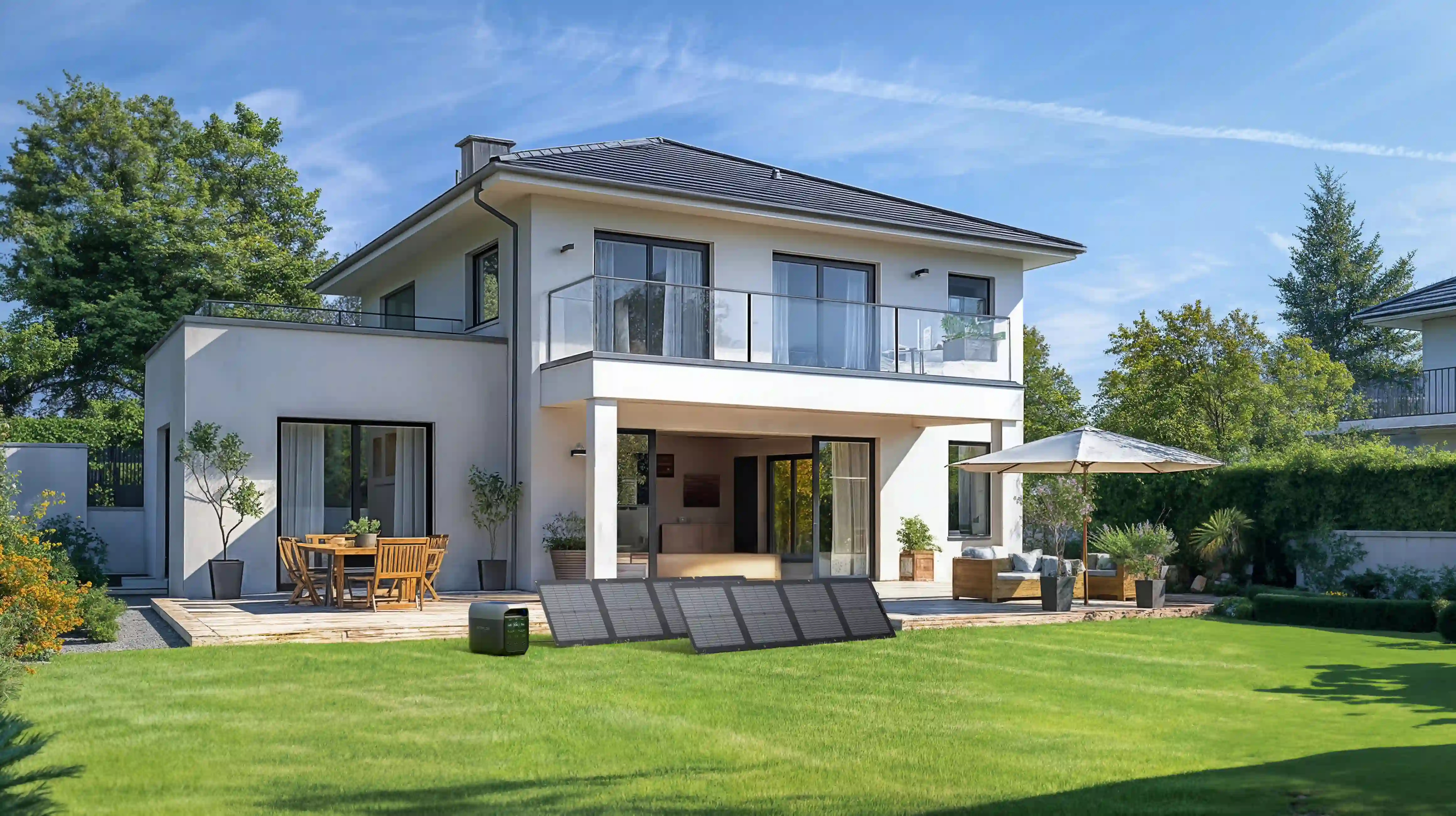
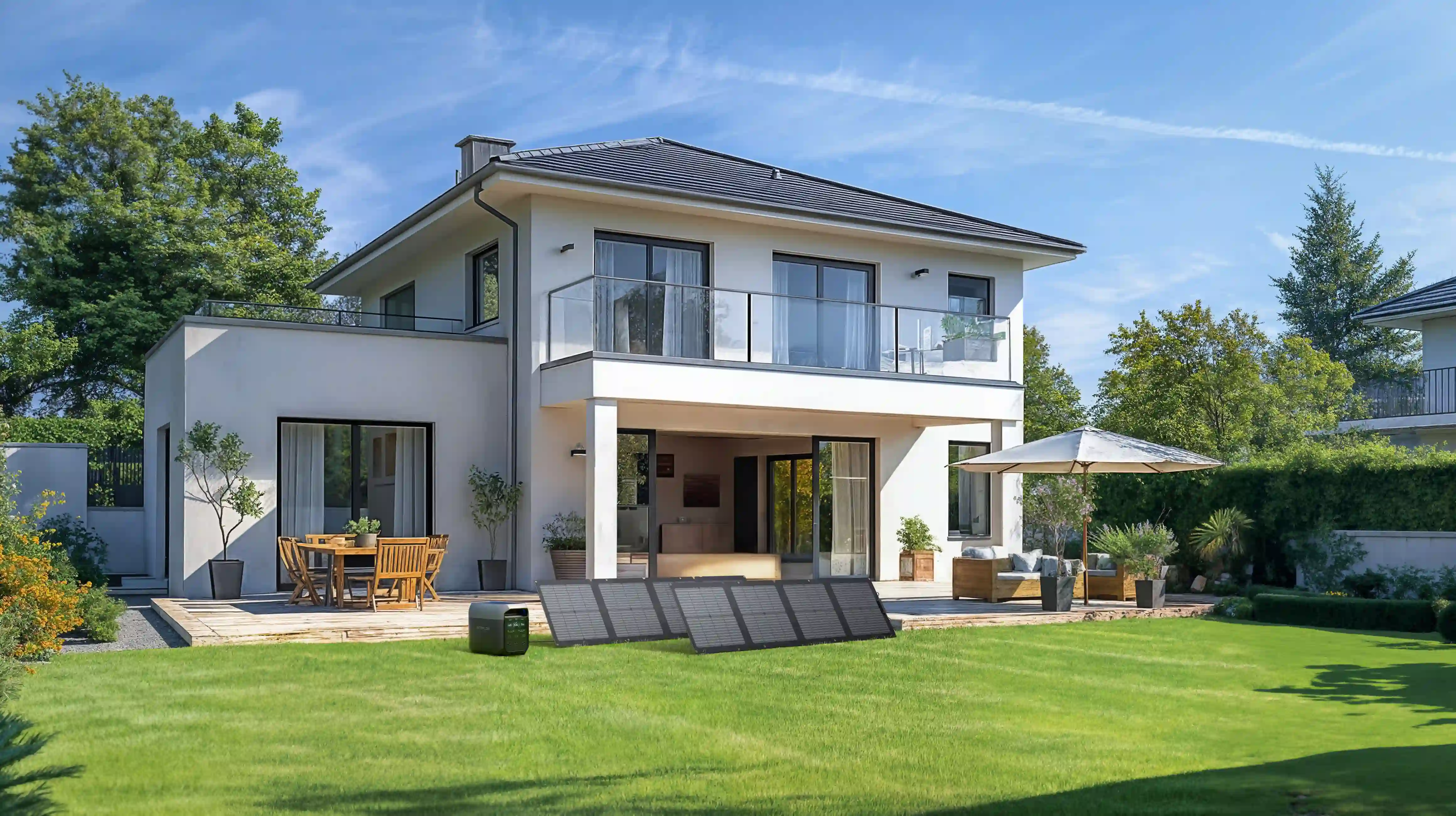
Renters, RV owners, and mobile-home residents face similar challenges: you typically can’t drill, mount, or permanently wire anything into the structure. This is where portable systems truly shine. A solution like the EcoFlow DELTA 3 Ultra Series Portable Power Station allows users to capture solar energy with foldable panels and store it for later use. This setup is especially useful during blackouts, heatwaves, or severe weather, keeping essentials like phones, medical devices, routers, and small appliances running. Just as importantly, it can move with you when you relocate, making it a long-term investment rather than a fixed upgrade tied to one address.
3. Rural and Off-Grid Homes
For rural properties, especially those at the edge of the grid or completely off it, reliability matters more than aesthetics. These homes often benefit most from a hybrid approach that combines solar for daytime production and wind for nighttime or winter generation. The challenge then becomes managing that power efficiently and storing enough energy for extended outages.
-ats.webp)
-ats.webp)
This is where a whole-home system, such as the EcoFlow DELTA Pro Ultra X Whole-Home Backup Power, comes into play. Designed for heavy-duty use, it can support critical systems like well pumps, refrigeration, heating, and central air during multi-day outages. With large expandable battery capacity and intelligent energy management, it removes the need for fuel refills or manual switching, which is especially valuable in remote locations.
4. Suburban Homes
For most suburban households, solar energy is the most practical and HOA-friendly choice. Rooftop panels are quiet, low profile, and easy to permit, making them a natural fit for neighborhood settings. If you have a larger lot (around half an acre or more), a small micro wind turbine can also complement solar panels, especially in winter when the wind is stronger and daylight is shorter.
The Future of Home Renewable Energy
Home energy is clearly moving toward a hybrid model. Instead of relying on a single power source, the most resilient homes will combine solar, wind, and the grid with intelligent battery systems that manage everything automatically. This approach smooths out weather swings, reduces dependence on utilities, and ensures your home stays powered, comfortable, and predictable no matter what’s happening outside.
Conclusion
If you have a typical suburban roof, solar energy is usually the most practical choice thanks to its low maintenance needs and straightforward permitting process. For rural properties with open land and steady wind, a turbine can deliver impressive output. No matter which option fits your situation, long-term reliability comes down to storage. Pairing your renewable setup with an EcoFlow system allows you to save excess energy and use it when it matters most, giving you real flexibility, stability, and confidence in everyday living.
FAQ
1. What Are the Benefits of Solar Energy?
Solar energy offers a rare mix of long-term savings and everyday peace of mind for homeowners. Beyond lowering your monthly utility bill, solar panels are known for their reliability and simplicity. With no moving parts, they require very little maintenance and can operate efficiently for 25 years or more with only occasional cleaning. They also run completely silently, which makes them especially well-suited for suburban neighborhoods where noise and aesthetics matter. On top of that, solar can be a solid financial asset. Numerous U.S. housing studies have shown that homes with solar installations often sell faster and command higher prices than comparable homes without solar, making it both a lifestyle upgrade and a smart property investment.
2. Can a House Run 100% on Solar?
Yes, a home can run entirely on solar power, but it takes careful planning. Since panels only generate electricity during daylight hours, a fully solar-powered home depends heavily on energy storage. Excess power produced during sunny hours must be stored and used at night, during cloudy days, or in periods of higher demand. That usually means pairing a generously sized solar array with a high capacity battery system and managing usage thoughtfully. In practice, most fully solar homes are designed to generate more energy than they consume on an average day, ensuring enough surplus to keep batteries charged and the household running around the clock.
3. Can AC Be Run on Solar Power?
Air conditioning can absolutely be powered by solar, though it’s one of the most demanding loads in a home. The biggest challenge isn’t steady operation, but the initial surge of power needed to start the compressor. To handle this, your system needs an inverter and battery setup capable of managing short bursts of high output. Newer inverter-driven AC units and modern heat pumps are far more solar-friendly than older systems, which is why solar-powered cooling has become increasingly common in hot regions like Texas, Arizona, and the Southwest.
4. How Big of a Wind Turbine Do You Need to Power a House?
An average U.S. household uses roughly 890 kilowatt hours per month. To cover that entirely with wind, most homes would need a turbine rated somewhere between 5 kW and 15 kW. However, capacity ratings don’t tell the whole story. Actual output depends on average wind speeds at the turbine’s hub height, which is usually 30 feet or higher. Without consistent wind at that elevation, even a large turbine may fall short. Proper site assessment is essential before assuming wind power can fully replace grid electricity.
5. How Efficient Are Residential Wind Turbines?
On paper, wind turbines are extremely efficient, capable of converting a much higher percentage of available energy than solar panels. In ideal conditions, that efficiency can translate into impressive output. In real life, though, performance depends almost entirely on location. Open rural land with steady, unobstructed wind allows turbines to shine. In suburban settings, turbulence from trees, homes, and uneven terrain can drastically reduce efficiency, sometimes to the point where the system never recovers its cost. That’s why wind power tends to work best for rural or coastal properties rather than typical neighborhoods.
For press requests or interview opportunities, reach out to our media team
media.na@ecoflow.com