How to Install Solar Energy Systems for Your Clients
- What Makes EcoFlow OCEAN Pro a Better Choice for Solar Energy System Installation?
- What Pre Bid Scoping and AHJ Utility Steps Are Required for Residential Solar Installation?
- How to Configure PV Strings and Select AC DC Topology for Solar Energy System Installation
- What Mechanical and Electrical Standards Ensure a Code-Compliant Solar Energy System Installation?
- How to Commission, Update, and Handoff a Solar Energy System Installation
- Your Next Steps for Solar Energy System Installation
- FAQs About Solar Energy System Installation
Large US homes ask for real backup. Freezers stay cold, deep well pumps start cleanly, office gear keeps working, and evenings run on electric cooking and air conditioning. Installers carry the pressure to make all of that feel normal on day one. Permits need clarity, roof planes pull in different directions, and the homeowner wants a simple handoff that still covers the details. A dependable solar energy system installation starts with choices that inspectors can follow and crews can repeat.
What Makes EcoFlow OCEAN Pro a Better Choice for Solar Energy System Installation?
Large homes tend to have mixed roof planes, big HVAC loads, and usage that peaks at night. EcoFlow OCEAN Pro was built for that profile. The inverter accepts up to 40 kW of PV across 8 MPPTs. Continuous AC output is 24 kW with 205 A LRA start capability. Storage scales from 10 kWh to 80 kWh. Transfer to backup is designed to be very fast. It supports AC or DC coupling and connects to 120 or 240 V split phase or 208 V three phase, which gives flexibility on new builds and retrofits.
Installer snapshot
Capability | What it means on site |
40 kW PV, 8 MPPTs | Map multiple roof planes and orientations on separate channels to reduce mismatch. |
24 kW continuous, 205 A LRA | Confident compressor and well pump starts during outages. |
10 to 80 kWh scalable | Right size on day one and plan headroom for growth. |
AC or DC coupled | Retrofit or new construction both fit common workflows. |
NEMA 3R, IP67 battery | Indoor or outdoor placement with robust environmental protection. |
These traits let a solar energy system installer cover bigger scopes with fewer compromises. For a premium solar battery installation, that matters to clients who want quiet, reliable backup that runs real loads.
What Pre Bid Scoping and AHJ Utility Steps Are Required for Residential Solar Installation?
A clean permit starts with a clean site walk. Confirm working clearances for the inverter and batteries, wall structure for mounting, and conduit paths that avoid long exposed runs. Mark label locations and the service disconnect route on the one-line diagram. Prepare an interconnection packet that matches local rules and utility forms. Use manufacturer environmental limits to prequalify locations so submittals land smoothly. These steps set a strong base for a solar energy system installation that moves through plan review without surprises.
Field checklist for scoping
- Workspace, ventilation, and egress around equipment
- Indoor or outdoor placement that meets NEMA and IP ratings
- Conductor lengths, expansion fittings, and temperature swings
- Rapid shutdown hardware plan and method of test
- Utility metering, backup switching, and labeling alignment
How to Configure PV Strings and Select AC DC Topology for Solar Energy System Installation
For large homes, a clear plan avoids rework and keeps inspections smooth. Use the steps below to design strings and choose a topology that fits the site so your solar energy system installation stays efficient.
Map Roofs to MPPTs and Verify Limits
Assign each roof plane to its own MPPT when possible to reduce shade and tilt mismatch. Size strings to the stated limits: PV input 60 to 550 V DC, MPPT window 60 to 480 V DC, per channel 16 A Imp and 20 A Isc, and 5 kW per MPPT. Check the cold day open circuit voltage against the upper limit and the hot day operating voltage against the MPPT window. Keep home runs short and label both ends.
Choose DC or AC Coupling
DC coupling simplifies the path from array to storage in new systems. AC coupling preserves existing inverters during upgrades and shortens cutover time in lived-in homes. Document the choice on the one-line diagram and match it to the permit path.
Size, Storage and Plan Expansion
Start at 10 kWh per battery and scale toward 80 kWh if the home needs long backup. One inverter delivers 24 kW continuous with strong motor starting capability. Where the load profile requires more headroom, plan a second inverter. Capture these decisions in the load worksheet and the string table.
Define Shutdown and Verification Upfront
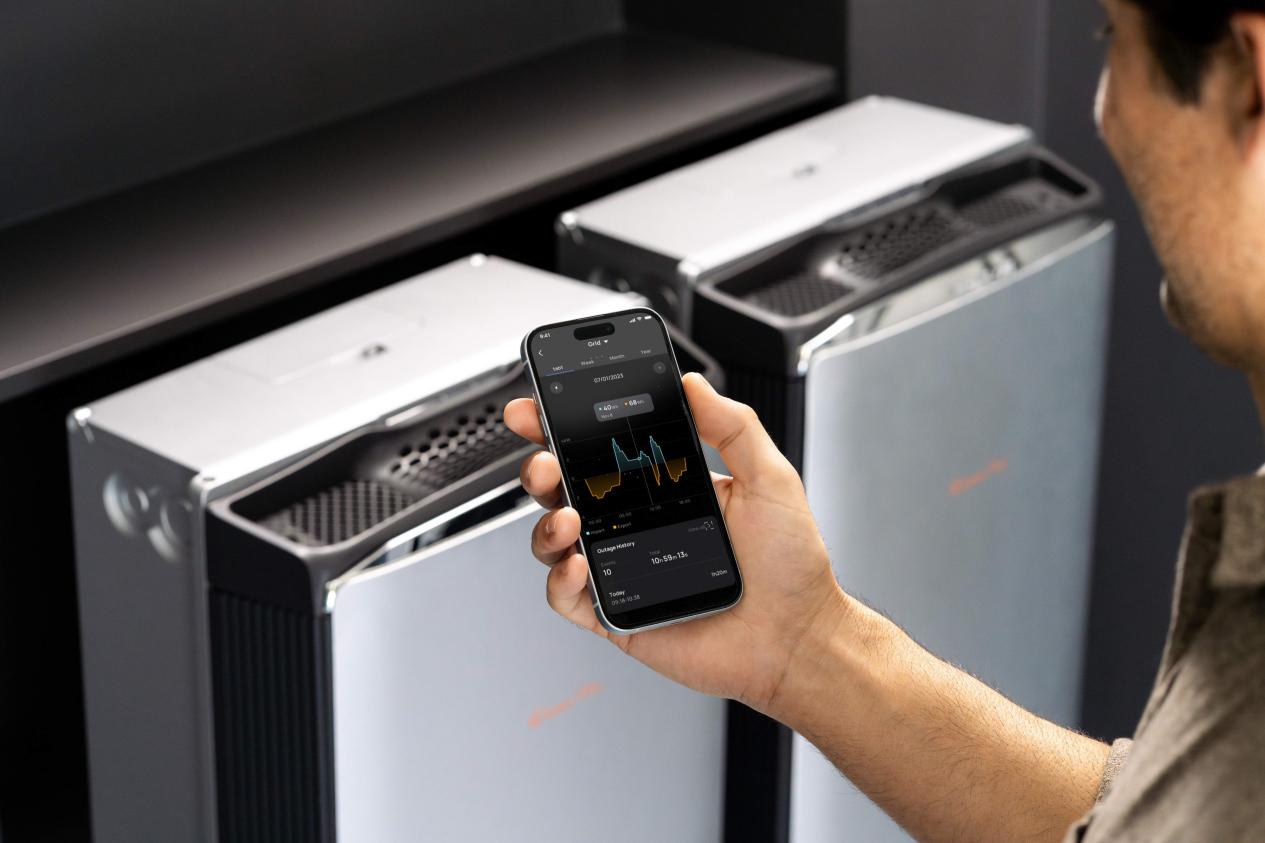
Specify the rapid shutdown method and show labels on the roof and combiner points. Include a string table with Voc, Vmp, Imp, and Isc. Add app-based monitoring to the commissioning plan so each MPPT and each battery is verified with the owner present. This closes the loop on design quality for solar energy system installation.
What Mechanical and Electrical Standards Ensure a Code-Compliant Solar Energy System Installation?
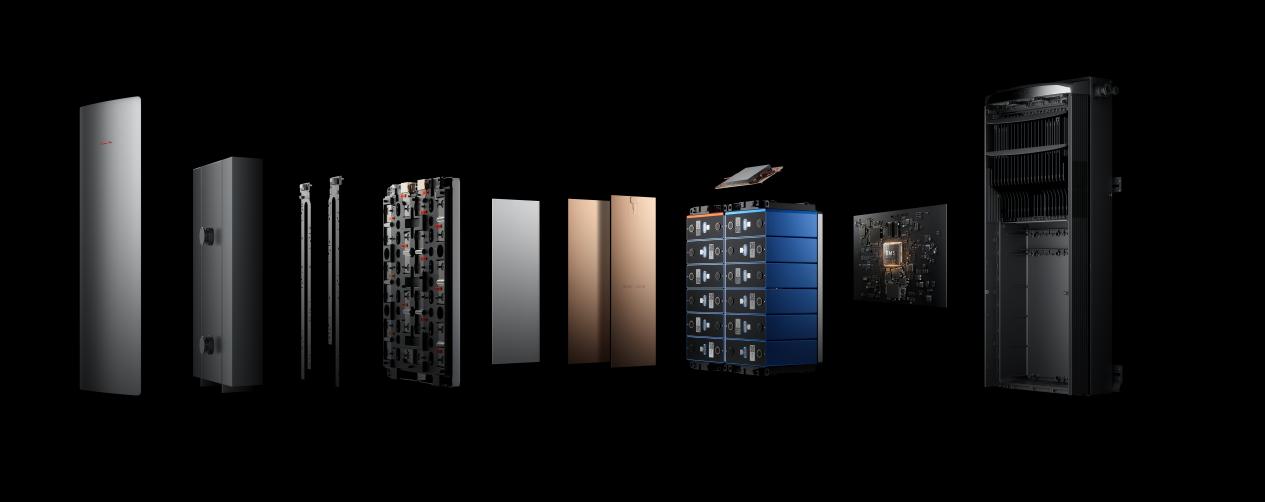
This is where design turns into a safe build. For mounting, the inverter measures about 43.3 by 17.3 by 10.3 inches and the battery 45.3 by 17.3 by 10.8 inches. Plan lifts and anchor points early. Confirm wall framing or use a rated ground rack. Maintain separation between AC, DC, and control runs where routing crosses. Protect conduits from direct water entry and allow service access. These basics keep a solar energy system installation tidy on busy job sites.
Electrical integration
- DC side. Use equal-length battery cables on parallel units. Torque to spec and confirm polarity before energizing.
- AC side. Tie into 120 or 240 V split-phase or 208 V three-phase as allowed. Size overcurrent protection per the datasheet values and the actual configuration.
- Smart Electrical Panel 40. Land critical loads on dedicated circuits. Name and prioritize them in the app, so the family understands what stays live during outages. This makes solar battery installation easier to own and support.
Environmental placement matters. Operate within the listed temperature range and avoid locations that trap heat. Outdoor sites benefit from shaded walls and tidy conduit entries. Clear service space reduces callbacks and helps the inspection day go faster.
How to Commission, Update, and Handoff a Solar Energy System Installation
Commissioning builds trust from day one. Bring up the system on WiFi or LTE, then use the EcoFlow app to discover devices, update firmware, and run checks. Verify that each MPPT sees its string and that battery charge and discharge behave as expected. Complete the rapid shutdown test with the homeowner present. Demonstrate the grid to backup transfer and start a high inrush load to show the 205 A LRA capability. Turn on remote monitoring and leave a simple handout that explains the app and the solar installation kit items specific to this job. These steps complete a professional solar energy system installation that satisfies both technical and human needs.
Handoff essentials
- Owner training on the app and on circuit priorities
- Contact path for service and warranty registration
- A printed one-line diagram inside the main panel cover
Your Next Steps for Solar Energy System Installation
Large households want backup battery that feels seamless. With OCEAN Pro, you map strings across many roof planes, size storage to the lifestyle, and deliver clean power with fast transfer. A disciplined scope brings faster approvals and fewer change orders. Follow the path in this playbook. Start with scoping and paperwork, then finalize topology, then install mechanical and electrical, and close with a strong commissioning session. That approach keeps solar energy system installation work predictable for your crews and impressive for your clients across the US market.
FAQs About Solar Energy System Installation
Q1. How should surge protection and arc-fault protection be selected?
Use a Type 1 surge device at the service and a Type 2 device at the PV side. Match MCOV to the array’s maximum open-circuit voltage. Keep leads as short as possible. Rely on the listed DC arc-fault functions in the inverter. Verify interrupt ratings and add clear labels for inspection.
Q2. What grounding and bonding practices work best for this system?
Keep a single bonding point at the service. Isolate neutrals in downstream panels. Bond all equipment grounds on the same bar. Size the grounding electrode conductor per feeder ampacity. Bond racking and modules with listed clips. Check continuity, apply an antioxidant to the aluminum lugs, and record measurements for the closeout set.
Q3. How can a standby generator be integrated safely?
Use a listed transfer switch that matches split-phase or 208-volt service. Ensure the neutral switching scheme matches utility rules. Set generator voltage and frequency within the inverter acceptance window. Prevent backfeed with an interlock or ATS logic. Program load shedding and run a witnessed load test with the homeowner.
Q4. What network setup keeps remote access reliable?
Create a dedicated Wi-Fi network for energy devices with strong passwords. Reserve static DHCP leases for the inverter and panel. Place the router close to the equipment for signal strength. Keep an LTE path as backup. Leave a one-page sheet with SSID, credentials, and a simple reconnection process.
Q5. What documents speed rebates and tax credit filings?
Provide serial numbers, photos of equipment labels, a signed one-line diagram, interconnection approval, the commissioning report, and screenshots showing PV and battery operation. Include an invoice that separates labor and equipment. Add a short statement that storage meets the minimum capacity. Share the folder link with the homeowner and installer of record.
For press requests or interview opportunities, reach out to our media team
media.na@ecoflow.com