Solar & Battery Storage Rebates Still Available in 2026
- What Solar and Battery Storage Incentives Are Available in 2026?
- How Do Federal Tax Credits for Solar and Storage Work?
- What State and Utility Rebates Are Still Available?
- How Much Can Solar and Battery Incentives Save You?
- What Systems and Installations Qualify for Rebates?
- Frequently Asked Questions
- Solar and Battery Incentives Continue to Reduce Energy Costs in 2026
Rebates, tax credits, and other incentives help to reduce the cost of buying, installing, and owning solar and/or battery storage systems. However, with these incentives often changing or even expiring altogether, it’s important to know which ones are available to help you save money.
This guide goes over the incentives that are still available in 2026, both federally and at the state level, and also helps you learn which systems and installations even qualify for the rebates in the first place.
What Solar and Battery Storage Incentives Are Available in 2026?
Most direct federal incentives for solar and battery storage (such as the Energy Efficient Home Improvement Credit and Residential Clean Energy Credit) are no longer available in 2026.
However, if you had qualifying clean energy equipment installed in 2025 or earlier, but haven’t claimed the tax credit, you may be able to do that as long as you meet the original eligibility requirements.
There are also still some ways homeowners can benefit indirectly, through both solar leases and power purchase agreements (PPAs). Under these types of third-party ownership (TPO) agreements, a third-party organization owns and installs the solar energy system on your home, and you’ll pay them a monthly fee according to the energy you produce/use.
As a result, the provider can still access the available federal commercial solar tax credits and often passes along these savings to you by offering low or competitive monthly payments. So while you don’t get the incentive directly, you may indirectly save by your solar energy provider charging you less for power each month.
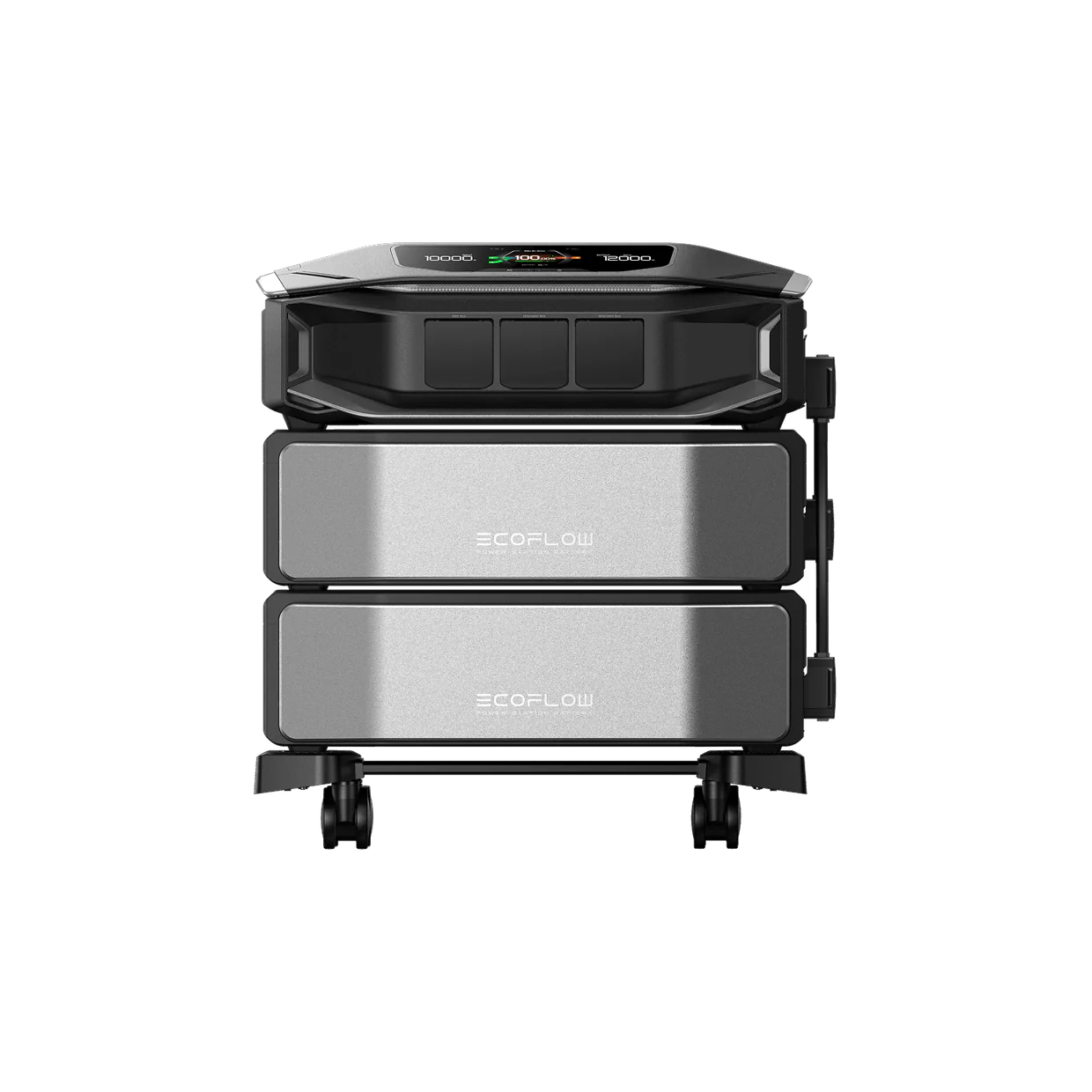
Thankfully, in addition to these federal incentives, there are also some state tax credits, but the exact type of credit and incentive varies from state to state. To increase your energy dependence, consider alternative power sources such as a EcoFlow DELTA Pro Ultra X. It can keep your home powered even during blackouts.
How Do Federal Tax Credits for Solar and Storage Work?
The way that federal tax credits for solar and storage work is straightforward. For example, the Residential Clean Energy Tax credit was an incentive that let people deduct 30% of the costs associated with buying and installing a clean energy system from their taxes. This was in the form of a dollar-for-dollar credit, not a reduction in your taxable income.
The process was simple. You purchase and install an eligible solar battery storage system, and once it's time to file your taxes, you claim this credit by using IRS Form 5695 and providing detailed receipts of your costs. The amount you end up claiming would reduce your tax liability directly.
For example, if you installed an eligible system and the total costs were $15,000, the 30% tax credit means you would knock $4,500 off the federal taxes you owe.
However, keep in mind that even if these tax credits reduce tax liability to $0, they won’t generate a direct cash refund for the rest. But thankfully, any unused amount from the tax credit carries over, so you can use it to reduce your taxes next year, as well.
What State and Utility Rebates Are Still Available?
Despite federal incentives largely ending for homeowners, there are many state rebates still available. Several states offer unique incentives or rebates for solar and battery storage, such as California, Connecticut, and Oregon.
In California, the state has the Self-Generation Incentive Program (SGIP), which provides a tiered incentive that’s based on your location, the capacity of your system, and the budget category you qualify for.
Meanwhile, in Connecticut, there’s the Energy Storage Solutions incentive, which offers up to $16,000 per installation, plus performance-based incentives as you send energy to the grid. The Oregon Solar + Storage Rebate Program gives homeowners a rebate of as much as $5,000 for a solar electric system and up to $2,500 for an energy storage system.
These are just a few of the specific states that offer incentives and rebates for solar and battery systems. In addition to specific states, there are also some utility rebates offered by some major utility providers across the country. These include upfront cash rebates, performance-based incentives, and even Solar Renewable Energy Certificates (SRECs) that you can sell.
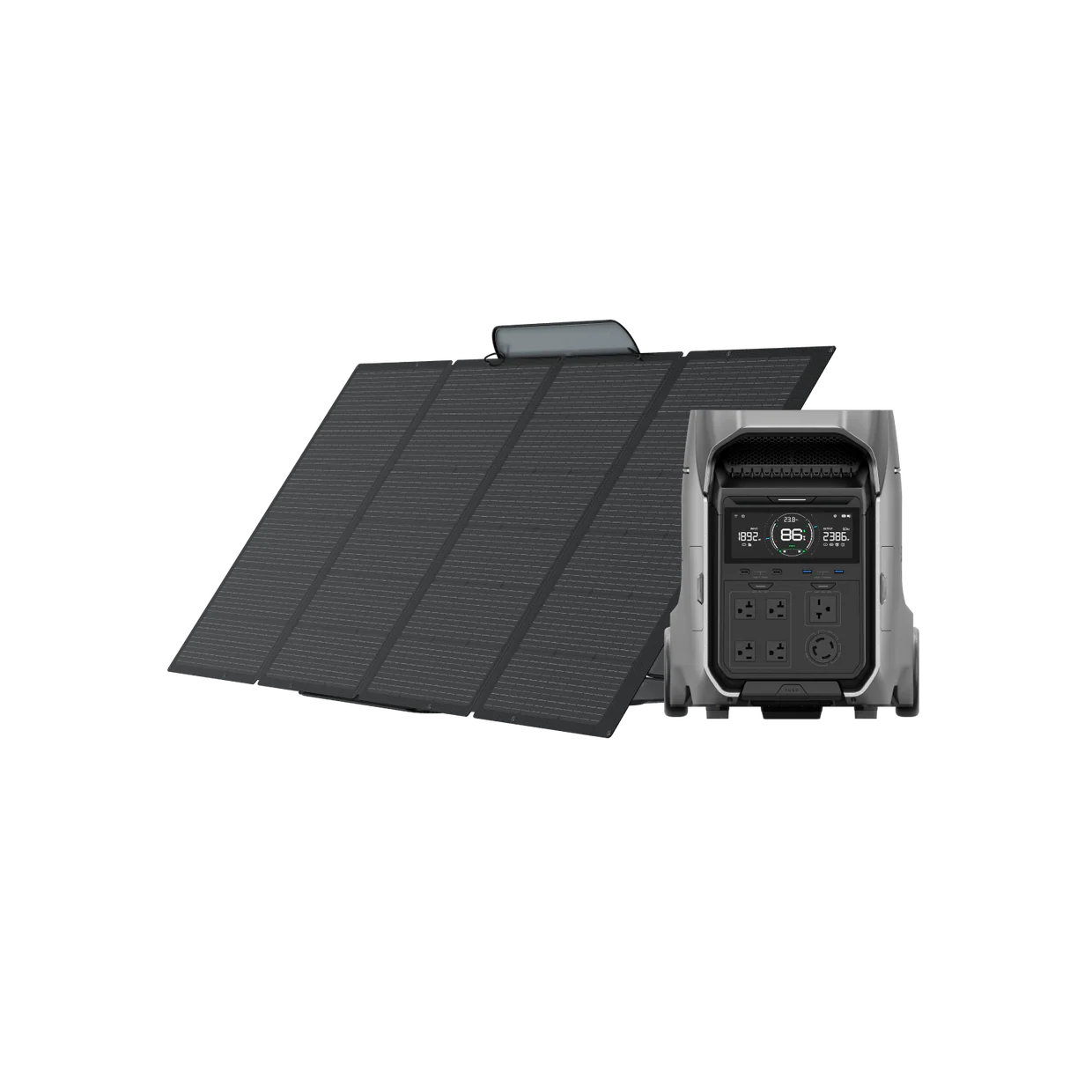
If you want to reduce your energy costs, you should get a solar generator, like the EcoFlow DELTA Pro 3 Solar Generator. It harnesses energy from the sun to power all your essential appliances.
How Much Can Solar and Battery Incentives Save You?
But how much can these solar and battery incentives actually save you? Well, that largely depends on where you are. For example, in Connecticut, you can save as much as $16,000 plus performance-based incentives, while the max savings are more limited in states like Oregon.
Each state normally has a public resource that shares the breakdown of how its incentives work, and the max amount they can save you.
Also, the amount you spend, as well as the output and capacity of the balanced solar battery system you install, play a role in how much they can save you on your taxes.
For example, while the cost of a whole-home and high-capacity system like the EcoFlow DELTA Pro Ultra X may be higher than some other power solutions, thanks to its incredible capacity and output, the incentives you get may be larger too. This is because they’re often based on either a percentage of your costs or a multiple of the system and battery capacity.
What Systems and Installations Qualify for Rebates?
Some of the system components that may often qualify for rebates include:
Battery storage equipment
Solar panels
Mounting hardware
Solar water heaters
Fuel cells
Geothermal heat pumps
Inverters
Wind turbines
Wiring
Electrical panel upgrades
Labor costs involved in building and/or installing the system.
However, keep in mind that these systems and installations generally need to be new to qualify. Also, different states may have different rules about which of these components are covered, so always read up on your state’s particular rules ahead of time.
Frequently Asked Questions
Is the 30% Solar Tax Credit Going Away in 2026?
Yes, the 30% federal solar tax credit is officially gone, as it expired on December 31st, 2025.
Can You Combine Federal and State Rebates?
Yes, you can generally combine and stack federal and state incentives to significantly lower your costs of buying and installing solar and/or battery storage systems.
Solar and Battery Incentives Continue to Reduce Energy Costs in 2026
Whether you’re looking to get a home solar battery or another solar solution, there are plenty of incentives that can help lower your costs and make it easier to buy and install these eco-friendly systems.
While some of these credits and rebates have expired, there are still others that many Americans can use in 2026.
If you want to take advantage of the incentives that using solar power provides, or just want a Whole home backup power solution for peace of mind, don’t hesitate to browse through the clean energy systems that EcoFlow offers.
For press requests or interview opportunities, reach out to our media team
media.na@ecoflow.com