Soaring Electricity Prices: How the U.S. Can Cut Home Energy Bills
The cost of living is increasing in nearly every aspect, and everyone is feeling the pressure. Energy prices have become a national issue as electricity prices have been steadily rising over recent years, with no reprieve in sight.
Here we’ll uncover why energy prices are rising, what steps you can take at home today, how to take advantage of cheaper electricity rates, and programs to help reduce the strain of utility costs.
Why U.S. Electricity Prices Are Soaring
U.S. electricity prices are climbing due to a combination of rising demand, persistent inflation, and long-delayed infrastructure upgrades. Much of the nation’s power grid is decades old, requiring billions of dollars in investment to replace aging transmission lines and substations. Companies typically recover these costs through rate increases, which are ultimately passed on to consumers through higher monthly bills.
Electricity Production
Natural gas contributes to 43.1% of the electricity generation in the U.S., leaving prices vulnerable to fuel market volatility. Inflation pressure isn’t isolated to the grocery store. Natural gas prices have increased, and geopolitical events continue to impact price fluctuations.
Energy analysts from the U.S. Energy Information Administration (EIA) report in their December 2025 publication that natural gas prices increased from $2.19 per million British thermal units (MMBtu) in 2024 to $3.56 MMBtu in 2025. They forecast the price to rise to $4.01 MMBTu in 2026.
Electricity Demand
Electricity demand is also accelerating as more sectors of daily life become electrified. The rapid adoption of electric vehicles has increased residential and commercial electricity use, adding sustained demand to the system.
Notably, the biggest share of growing electricity demands comes from AI data centers. Continuous and high-intensity power is needed for model training and large-scale computation. Electricity use from data centers rose from 1.9% of total U.S. consumption in 2018 to 4.4% in 2023, and analysts suggest it could reach approximately 13% by 2028. As demand from data-intensive industries continues to expand, pressure on electricity prices is expected to increase further.

Best Ways To Reduce Monthly Energy Costs At Home
There are ways you can combat your higher utility bill at home starting today. Here are some actions to implement now to see a lower bill next month:
Improve Insulation
Reduce heat loss in winter and heat gain in summer with upgraded insulation. It will help lower the amount of energy needed for heating and cooling throughout the year. Don't forget to insulate the attic.
Optimize Heating and Cooling
Efficient HVAC systems and regular maintenance are crucial for optimal heating and cooling performance, as well as efficient energy use. Smart home thermostats are great for reducing excessive heating or cooling by adjusting the temperature to your routines.
Reduce Hot Water Use
Choose efficient fixtures if replacing faucets and shower heads. Look for ways to reduce hot water usage, such as taking shorter showers and washing clothes in cold water. Energy Star water heaters are also a smart option.
Energy Audit
If you don’t know where to start, consider hiring a professional energy auditor. You’ll have air leaks, outdated appliances, and insulation gaps pointed out. They can identify energy sinks in your home and provide recommendations.
How Home Battery Storage Helps Cut Energy Costs
Home battery storage is emerging as a powerful tool for households seeking to lower their electricity bills, particularly in regions with time-of-use pricing. Electricity is not always a flat usage fee, and the price per kWh can change for off-peak and on-peak hours. When demand is lower during off-peak hours, the rate is also lower.
Traditionally, many people take advantage of peak and off-peak pricing by running appliances overnight or during off-peak hours. However, this may disrupt your sleep schedule.
Battery storage is a more flexible option. By storing electricity when prices are lowest, homeowners can use that stored energy during peak hours, thereby reducing their reliance on the more expensive electricity rates. Home batteries can be charged with electricity from the grid during off-peak hours or through on-site generation, such as solar panels.
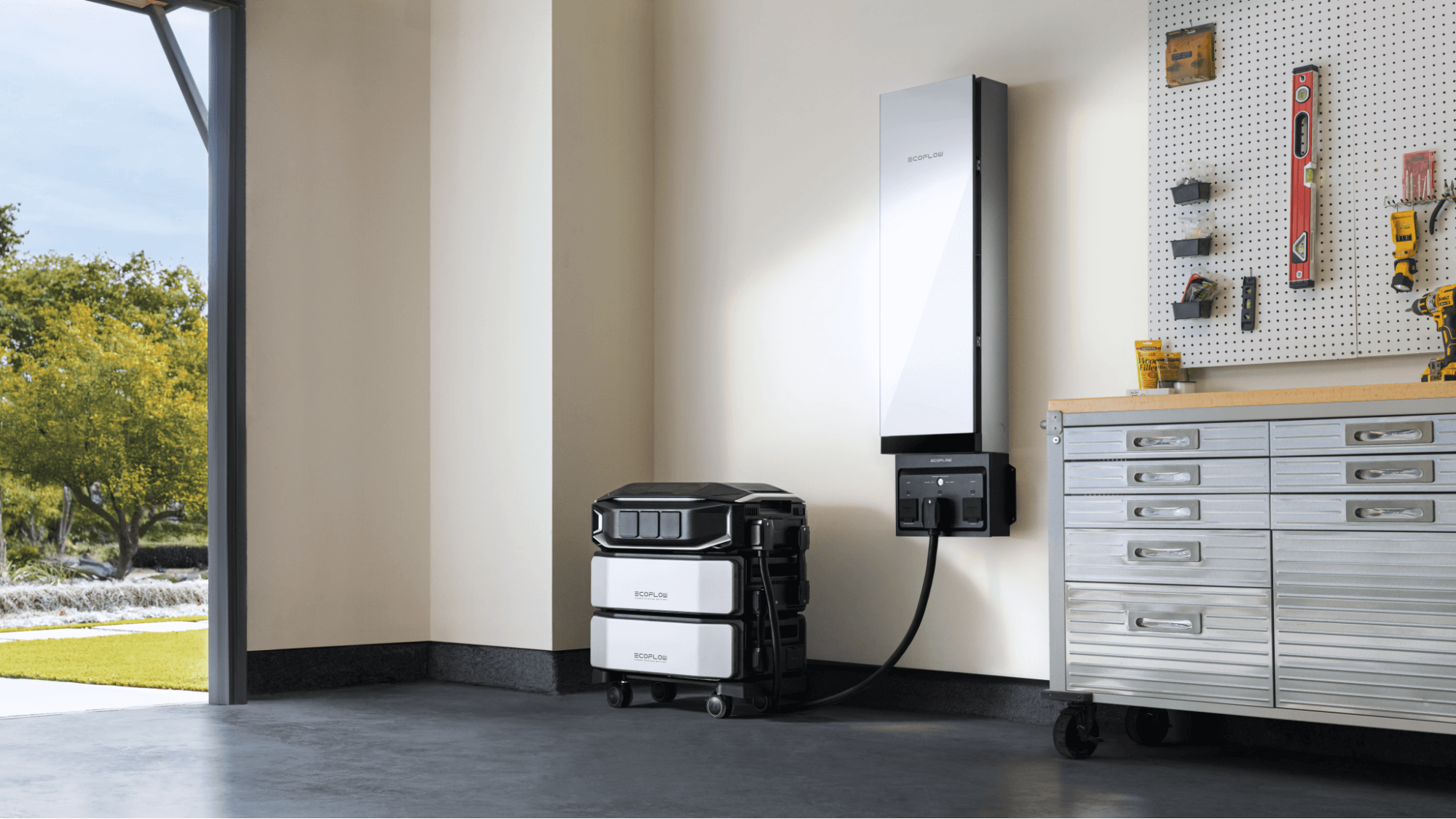
Modular battery systems like the EcoFlow DELTA Pro Ultra X are designed to scale with household energy needs. This home battery is modular, allowing you to add battery stations until your desired storage capacity is reached. Integration into your home is straightforward and stress-free.
Federal Programs To Reduce Energy Costs
The Low-Income Home Energy Assistance Program continues to provide annual, income-based assistance to eligible households, helping cover essential heating and cooling expenses as well as utility payments. The program is administered by the U.S. Department of Health and Human Services. It is often used to prevent service shutoffs during periods of extreme temperatures.
The U.S. Department of Energy’s Weather Assistance Program offers longer-term relief by funding home efficiency upgrades for qualifying households. Homeowners can get assistance for insulation upgrades, air sealing, and heating system enhancements. The funded upgrades are designed to reduce overall energy consumption and lower monthly bills.
Also, federal tax credits and rebate programs remain available for homeowners who invest in energy-efficient improvements. These incentives can offset a significant portion of the cost of upgrades such as a whole-home solar generator, high-efficiency heat pumps, and improved insulation. The goal is to reduce both upfront expenses and long-term energy use.
Will Electricity Prices Continue to Rise?
Energy analytics say electricity prices are likely to remain elevated in the near term as utilities continue to invest in grid updates and electricity demand increases in everyday household use and in data-intensive centers.
Some actions at home can help offset rising utility bills, and home battery systems are the best way to tap into cheaper electricity rates. Federal programs and incentives can also help households upgrade the energy efficiency of their homes.
But, price stabilization will depend on infrastructure investments, energy supply diversification, and policy decisions at the federal and state levels.
For press requests or interview opportunities, reach out to our media team
media.na@ecoflow.com