The Aging US Transformer Shortage: What It Means for Grid Reliability
- Inside the Transformer: How the Technology Works
- The Essential Role of Transformers in Every Stage of the Grid
- Understanding the Transformer Shortage
- Solving the Transformer Shortage: Breakthrough Designs That Reduce Costs and Speed Up Production
- The Road Ahead: What Homeowners Can Do For Energy Independence
- Transformer Shortages Increase Risks to Grid Reliability
Transformers are the backbone of the electrical grid, handling voltage changes at every stage from power generation plants to the pole outside your home. But the US now faces a severe transformer shortage, stretching wait times to years and slowing everything from storm recovery to home construction.
With aging infrastructure and rising electricity demand, the risks of extended outages are growing. Understanding why transformers are in short supply and what homeowners can do to prepare helps us endure the grid challenges ahead.
Inside the Transformer: How the Technology Works
A transformer is a relatively simple device used to alter voltage. They’re typically made of a two-sided core of iron or steel with copper wires, called windings, wrapped around each side. Then, electromagnetic induction transfers electricity wirelessly from one coil to the other. By changing the number of times the wires wrap around each side of the core, you can adjust the voltage that emerges, making it higher or lower than the voltage that entered.
This basic design is used in transformers of all sizes, from small ones that fit in your hand to massive, large power transformers (LPTs) that weigh as much as two blue whales.
The Essential Role of Transformers in Every Stage of the Grid
From power-generating plants, electricity is sent to substations, which use LPT-type transformers to increase voltage for transmission (138 kV, 230 kV, 500 kV), a process called stepping up. High-voltage, low-current transmission lines are used to send electricity over long distances because they reduce energy lost as heat.
Next, the high-voltage transmission lines enter another substation, where another LPT steps it down to lower voltages for regional distribution (e.g., 138 kV to 34.5 kV).
From there, the voltage must be stepped down again at pole-mounted transformers outside your home to the voltages your home uses (e.g., 240V).
So, whether your grid uses solar power, fossil fuel, or another energy source, transformers are required along every stage of the grid. An equipment shortage means that when severe storms strike, we cannot make repairs. This makes our grid even more unreliable, leading to prolonged blackouts while engineers scramble to repair aging equipment.
Understanding the Transformer Shortage
The current transformer shortage is a global problem with wait times that can range from two to four years, depending on the transformer's size and specialization. Unsurprisingly, transformer costs have also increased by 60-80% since 2020.
The shortage is fueled by rising global demand and exacerbated by the customization required by many transformers, which leads to manufacturing delays.
The growing number of commercial-scale renewable energy projects is also driving demand, as they all require transformers to connect to the utility grid. This is causing serious delays while clean energy projects wait for backordered transformers.
In parts of Washington state, new home construction requests are even being denied because they can’t get enough pad-mounted transformers to step down the voltage entering the homes.
Aging Infrastructure Meets Exploding Demand
While transformers are built to last for decades, our infrastructure is aging and becoming unreliable. Much of the US grid was built in the 1960s and 1970s, and 70% of transmission lines are nearing the end of their 50 to 80-year lifecycle. Add to that severe weather and human error, and in some parts of the world, war or sabotage, and this shortage quickly increases the risk of extended power outages.
However, our energy demand is also skyrocketing as our population grows, we purchase more electronic appliances and EVs, and as the use of data centers and AI grows. Electricity demand in the USA is expected to increase by 25% by 2030, further straining our already precarious equipment supply.
To gain energy independence at home, you can use a battery backup like the EcoFlow DELTA 3 Max. With 3000W of output and 2kWh of capacity expandable to 10kWh with additional batteries, it will run all your essential appliances.
Solving the Transformer Shortage: Breakthrough Designs That Reduce Costs and Speed Up Production
To address the current shortage, researchers are developing new designs that use more readily available materials, last longer, and are more standardized.
For instance, solid-state transformers use semiconductors instead of coils, so they’re much smaller and require fewer materials. They are also typically modular, making installation relatively simple, and unlike traditional models, they can convert DC to AC in a single stage. They also don’t need to be custom-built, reducing manufacturing bottlenecks. However, the technology currently cannot handle the loads required for the grid, but researchers are working to overcome that.
Researchers are also working to add power electronics to enable transformers to manage power more efficiently. This will accommodate more wind and solar while also using intelligent sensors that can send data to those operating the grid to increase grid resilience.
Another solution is to improve our traditional transformer by using novel insulation techniques, such as replacing mineral oil with natural esters, which can handle higher temperatures and prolong their lifespan.
Finally, switching to hollow cores 3D-printed from electrical steel would significantly reduce the amount of steel required in LPTs.

The Road Ahead: What Homeowners Can Do For Energy Independence
With an aging grid and rising electricity demand, the transformer shortage is not going away anytime soon. Fortunately, you can improve your own energy independence with a household backup system.
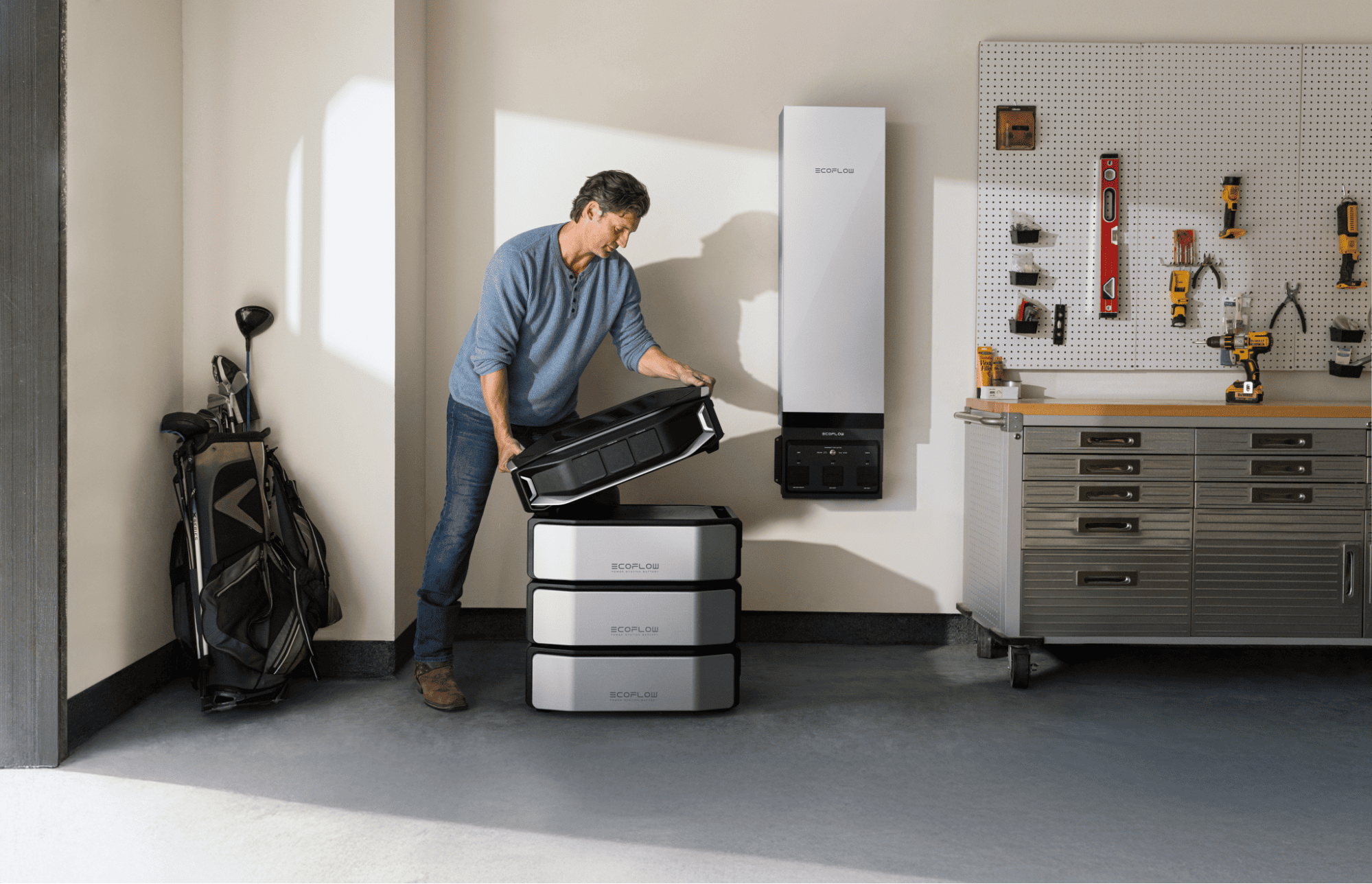
The EcoFlow DELTA Pro Ultra X is a powerhouse whole-home battery system. Starting at 12kW of output and expandable to 36kW, it’ll run your entire house, big or small. With expandable capacity up to 180kWh, it could even run your home for weeks at a time. You can recharge your batteries with grid power, or better yet, install solar panels to recharge them for free and stay powered indefinitely.
Transformer Shortages Increase Risks to Grid Reliability
The US transformer shortage threatens an already unreliable grid, especially as increasing electrification and extreme weather continue to strain the grid. While new transformer designs may eventually ease bottlenecks, homeowners can take steps now to protect themselves. A whole-home backup battery system like the EcoFlow DELTA Pro Ultra X provides resilience during outages and reduces reliance on aging infrastructure.
For press requests or interview opportunities, reach out to our media team
media.na@ecoflow.com