The Psychology of Survival: Preventing Panic in Emergencies
Your first 10 minutes of an emergency determine your odds of survival. While you think your brain may be working in your favor, our automatic responses often work against us. A phenomenon known as normalcy bias can delay critical action by up to 15 minutes; however, proper training can override panic, saving lives.
Preparing mentally is just as important as procuring the essential physical supplies to weather any disaster. Here’s what you need to know to prevent panic in emergencies.
Understanding Normalcy Bias: The Silent Threat
Normalcy bias occurs when the brain filters out threatening information and stimuli to maintain a sense of comfort. It's a “this can't be happening to me” mindset. A historic example is that many Titanic passengers initially refused to board the lifeboats, and we all know how that ended.
In some cases, our brain's survival mechanism can become a survival threat. Breaking through this bias requires a conscious decision to act and knowledge of the bias itself. You have to trust your gut instincts over social pressure or norms.
How Your Brain Responds to Crisis
When your brain notices a crisis, an amygdala hijack occurs. Your emotional brain begins to override logical thinking, triggering a fight-or-flight response. In a fight response, you leave with aggression and confrontation of the threat. In flight response, your reaction is to evacuate and escape immediately. But a third option exists, the freeze response. This leads to paralysis and the inability to make decisions.
Your body and brain are flooded with stress hormones, cortisol, and adrenaline. Your stress hormones flood your body's system within three seconds of an event occurring. Cortisol impairs your memory formation and decision-making. And adrenaline increases your heart rate to a rapid rate, narrowing your focus.
Next comes tunnel vision and time distortion. Tunnel vision reduces your peripheral awareness. Time distortion can make short minutes feel like long hours. You can train your brain to respond in crisis, creating new muscle memory pathways.

Building Mental and Logistical Preparedness Before Disaster Strikes
You can mentally rehearse for disasters before they strike, visualizing emergency scenarios monthly, walking through escape routes from room to room, and practicing what-if conversations and scenarios. These practice responses help bypass the initial overwhelm you feel. That's why military and first responders drill these responses until they become automatic. They know that repetition builds new neural highways perfect for crisis action.
Practice scenarios with your entire household. Don't look up the answers; see how you respond in the moment. Time your evacuation routes during different conditions and see how you fare. Include elderly relatives and neighbors in planning if relevant.
Teach children age-appropriate emergency skills and hold regular family emergency drills to build their confidence. Always review and refine your plans after each practice, and update them every six months or whenever you move.
Logistical Preparation
Beyond mental rehearsal, you can create emergency action plans in designated safe meeting spots so you know what to do when something does happen. Choose safe meeting spots inside and outside the home and neighborhood, and create emergency action plans for fire, power outages, or severe and dangerous weather.
It's also smart to assign roles in your household. Who will grab the emergency kit? What about the pets? Who's in charge of medications? Communicating these roles in advance is crucial.
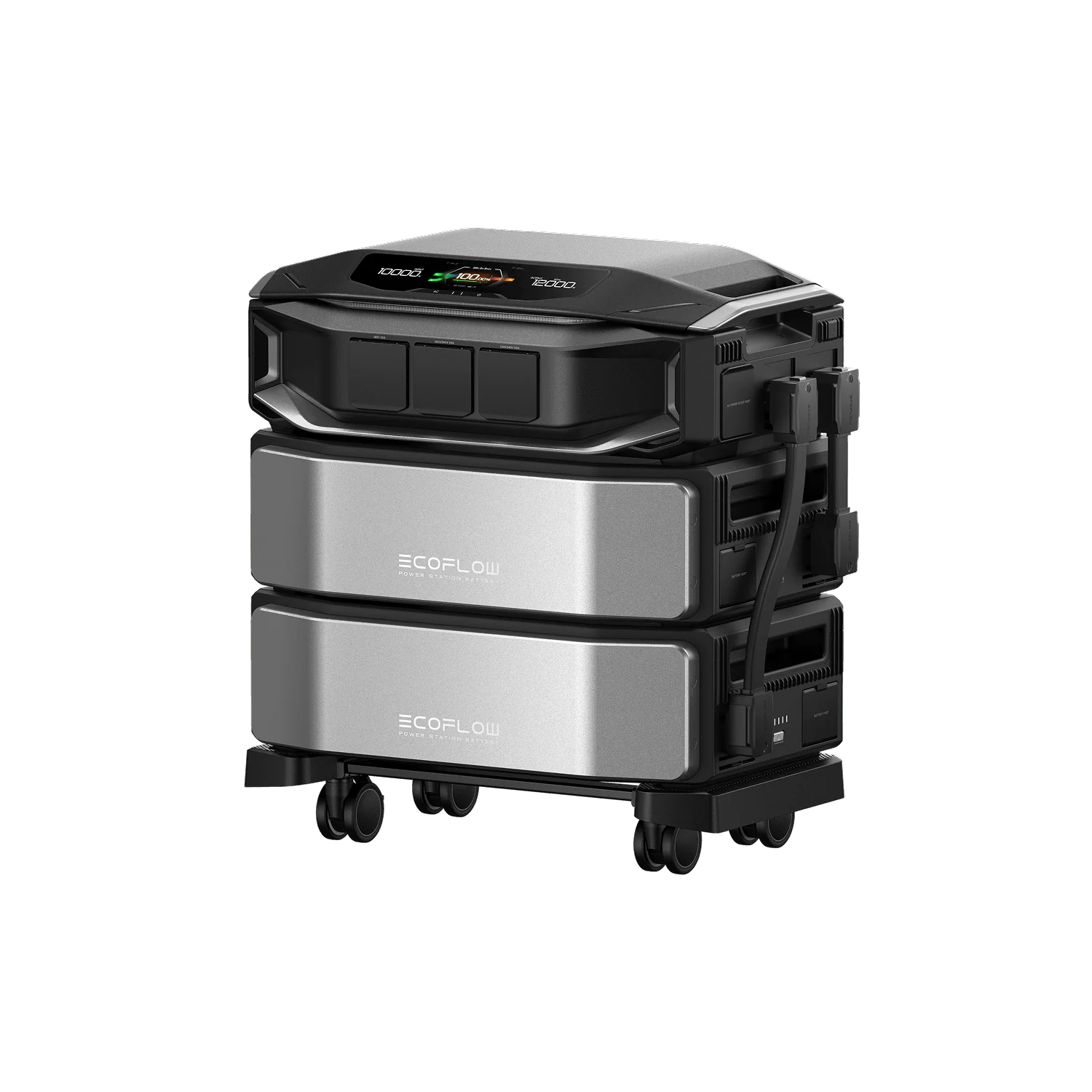
When disaster strikes, communication is not always available through standard pathways. Cell towers fail, the internet crashes, and power lines can be destroyed. While not a perfect solution, having an EcoFlow Whole-Home Backup Power Solution installed can help power your phones or radios for several days, allowing you the chance to call for help or communicate with loved ones.
Other critical equipment to have on hand in your emergency kit includes:
Hand crank radios for weather updates
Two-way radios to communicate with family
Plenty of backup charging options, such as the EcoFlow DELTA Pro Ultra X, for emergency apps, essential appliances, and GPS devices
Emergency supply of non-perishable food and water
Medications
Personal hygiene items
Vital documents
Multi tools
Flashlights and extra batteries
Practical Strategies for Staying Calm in Crisis
Learning a few practical strategies can help you stay calm in a crisis, but you have to know them in advance.
One great tool in your arsenal can be box breathing, which involves breathing in for four counts, holding the breath for four counts, breathing out for four counts, and holding the breath out for four counts.
Another option is a grounding technique, which includes naming five things you see, four things you hear, and three things you feel to bring you back into the present moment.
Others may like the STOP method: Stop, take a breath, observe, and proceed with a plan.
When disaster strikes, break your decisions into smaller, more manageable steps, focusing on only the immediate following action and not overwhelming yourself with the big picture. You can assign tasks to family members to prevent helplessness and give everyone a role. Use clear and straightforward communication. You don't need to explain why if you're in immediate danger.
Leading by example with a calm voice and confidence can reassure children and older people and create calm in others.
Always have backup plans for your backup plans, and remember to fall back on your training. Don't rely on your feelings in the moment.
Training Overrides Panic in Crisis Situations
Preparing for emergencies prevents panic and builds confidence, reducing the fight, flight, or freeze response that naturally occurs in our brains. Training mentally is just as necessary as gathering physical supplies that you need for an emergency.
Knowledge and practice can transform victims into survivors and create automatic emergency responses that can protect your family.
Begin with small steps, such as planning your escape route and practicing basic drills. And know that investing this time and preparation will protect your family's future.
For press requests or interview opportunities, reach out to our media team
media.na@ecoflow.com