Is It Cheaper Living In An RV Than a House In the US?
- RV Living vs House Living: What You’re Really Comparing
- The Real Cost of Owning a House in the US
- The Real Cost of Full-Time RV Living in the US
- When RV Living Is Cheaper and When It Gets More Expensive
- A Simple Budget Framework for RV vs House
- Frequently Asked Questions
- Make RV Living More Predictable With Reliable Power On the Road
More people are choosing full-time RV living for its simplicity, flexibility, and potential cost savings.
If you’re not tied to one location because your work is remote or your kids have grown up, then you might wonder whether you even need a house.
This article compares home living with living in a recreational vehicle full-time, breaking down key costs to help you decide whether it’s the right financial choice.
RV Living vs House Living: What You’re Really Comparing
There are many average estimates comparing the cost of owning a house with the cost of full-time RV living. However, averages may not reflect the actual costs of your home compared with an RV in the same area.
It’s also important to focus on the lifestyle changes you’ll need to make.
For some homeowners, the potential cost savings of living full-time in an RV don’t justify the downsides. But for other people, the lifestyle and freedom are irresistible, even if the economic benefits don’t turn out to be that substantial.
Ultimately, it boils down to personal preference, and cost may only be part of the decision-making process.
The Real Cost of Owning a House in the US
Mortgage or Rent
The average monthly mortgage payment in the US is $1,500, according to data released by the Board of Governors of the Federal Reserve System. The rental equivalent is $1,100.
Property Taxes
The average property tax rate in the US ranges from 0.28%–2.31% of a property’s value, but it does depend on the state.
Homeowner’s Insurance
Homeowner’s insurance has a monthly average premium of $100–$200, depending on the amount of coverage.
Repairs and Maintenance Costs
You can’t dodge maintenance costs and repair bills if you’re a homeowner. The average annual cost is 1%–4% of a property’s value.
Utilities Costs
Utilities are an expense, but due to scale, bills tend to be higher in a multi-occupancy property than in an RV.
Energy-efficient backup systems can also help reduce long-term utility costs, especially during outages.
The Real Cost of Full-Time RV Living in the US
RV Cash Purchase or Loan Payments
One of the highest costs is the price of the vehicle.
You can start cheaply at around $10,000 for a second-hand travel trailer or spend several hundred thousand dollars. Just make sure you understand the classifications and the difference between an RV and a camper.
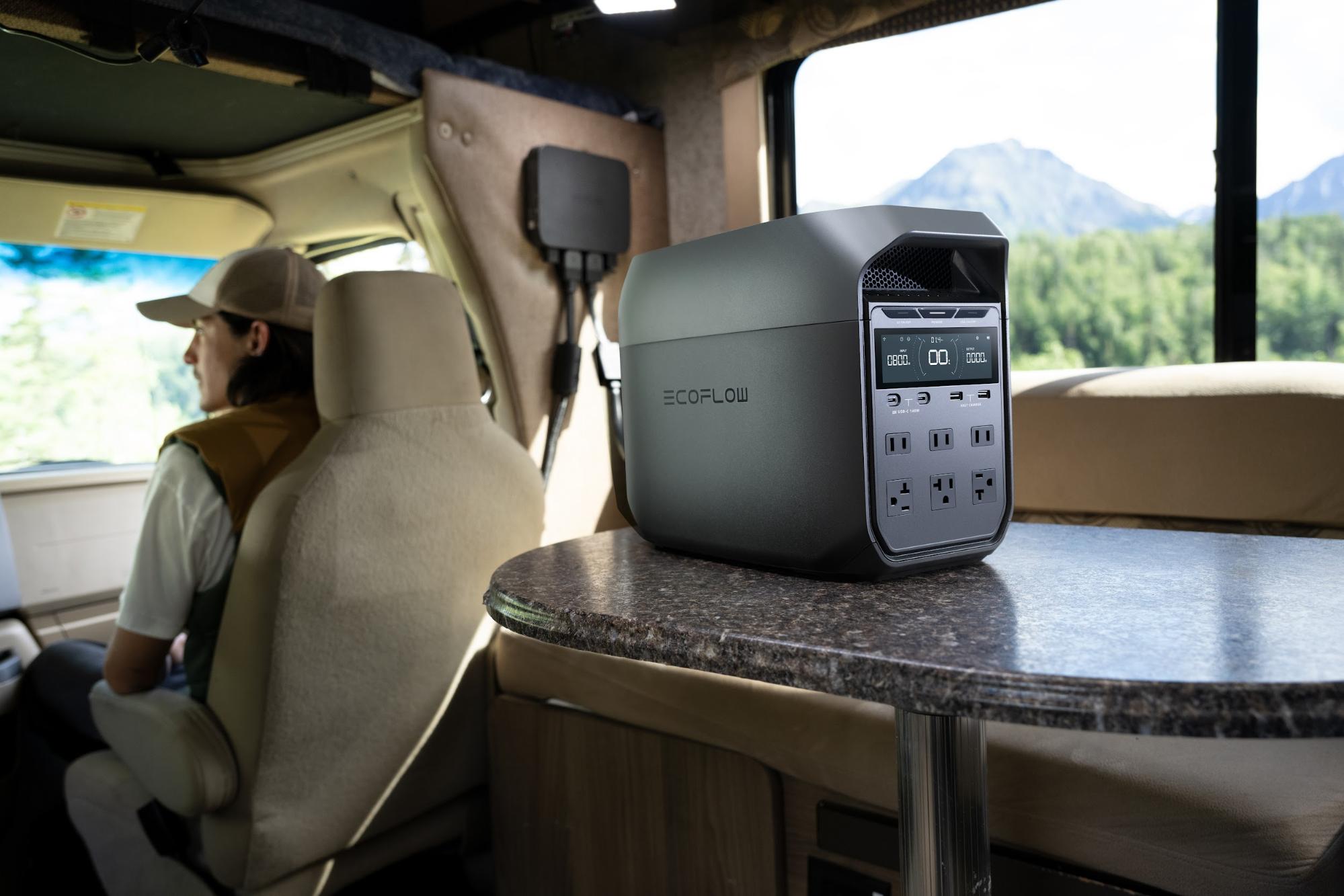
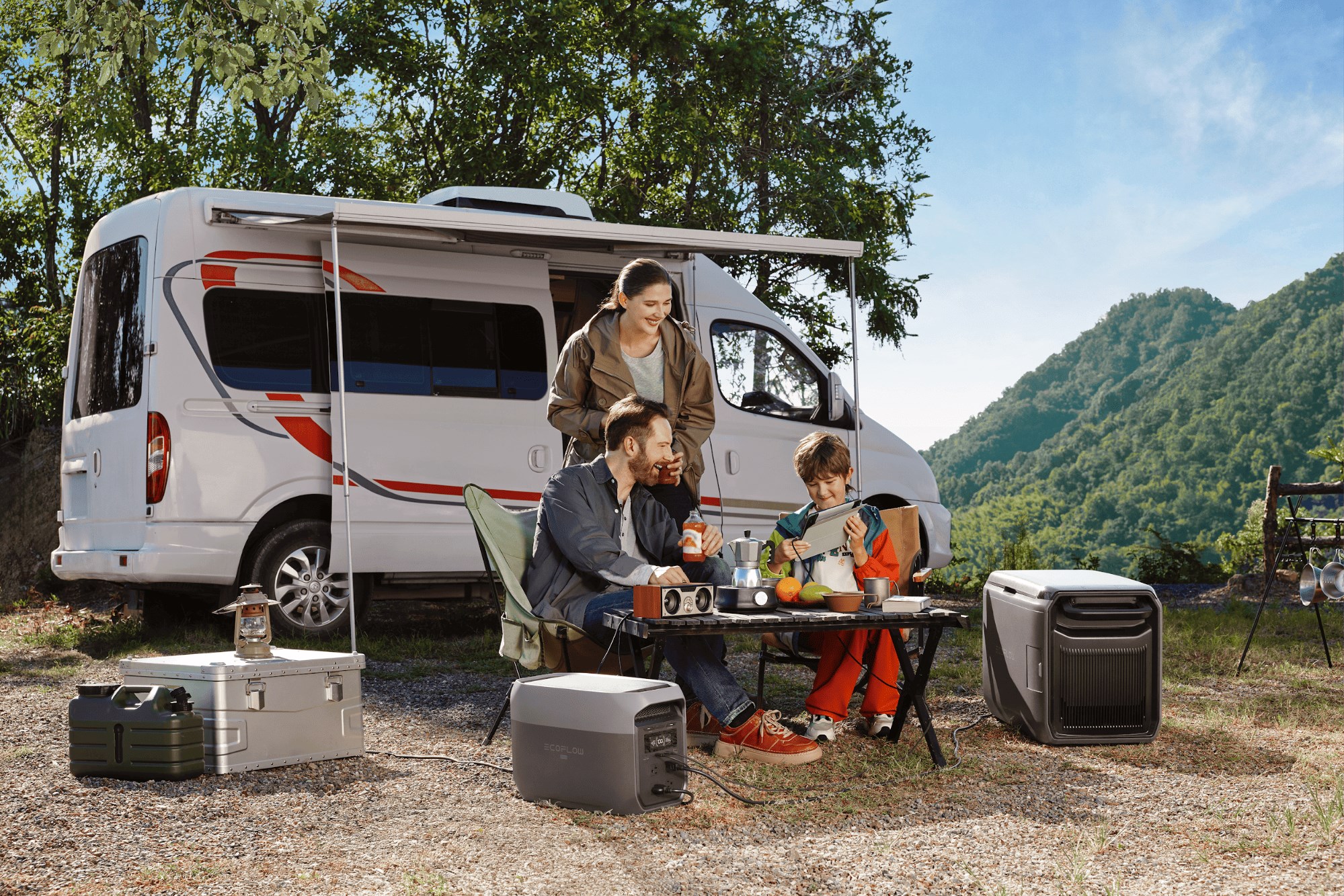
On top of the RV, there is a whole host of other RV equipment you’ll need to equip it for full-time living. Many owners also invest in portable power stations and solar panels to reduce reliance on fuel generators and campground hookups.
Solutions like the EcoFlow DELTA 3 Max are designed for this type of setup, helping RV owners maintain reliable power without relying entirely on campground hookups or fuel generators.
Campsite Fees
Campsite fees vary from $10–$50 a night. There are cheaper sites, and you can often get lower weekly and monthly rates. If you want hook-ups and amenities, then you’ll pay up to $100 per night.
Don’t forget, there are also free campsites.
Fuel Costs
If your plan is to enjoy the freedom of the open road, then your fuel costs will be significant. These vehicles consume fuel quickly, with an average of 10 miles per gallon.
However, if you stay put, you’ll reduce fuel costs, and you may be able to choose a more affordable type of RV, helping to reduce start-up expenses.
Budget for $500–$1,000 depending on your travel plans.
Insurance
Insurance averages $150–$300 per month, depending on the vehicle value and your driving record.
Maintenance and Repairs
Owners expect to pay around 1%–3% of their RV’s value annually on maintenance and repairs. Despite good maintenance programs, your vehicle will be subject to wear and tear, and its value will lower with age.
Storage Costs
The national average for RV storage is between $117–$170 per month, but it can be as much as $400 monthly if you want indoor storage.
When RV Living Is Cheaper and When It Gets More Expensive
You can control RV living costs by staying on a cheap or free camping ground and living a minimalist lifestyle. Traveling frequently, dining out, and visiting attractions can significantly increase your monthly expenses.
A Simple Budget Framework for RV vs House
Using the subsections above, you can work out a cost comparison framework and then fill in your own numbers to see which option is more cost-effective.
Frequently Asked Questions
Is It Actually Cheaper to Live in an RV Than a House in the US?
RV living can be cheaper than owning or renting a house, but it all depends on the type and location of your property compared to the size and style of your vehicle, where you camp, and the lifestyle you want.
How Much Does It Cost Per Month to Live in an RV Full-Time?
The average monthly cost of full-time RV living in the US ranges from $1,500–$3,000 depending on your lifestyle. It can certainly offer cost savings depending on your lifestyle.
What Hidden Costs Make RV Living More Expensive Than People Expect?
Most people focus on the absence of mortgage or rental payments and don’t always account for the full cost of RV living. You’ll pay campground fees, insurance, and maintenance and repair costs, which can add up to a significant amount.
How Can I Lower RV Living Costs Without Giving Up Comfort?
RV living supports a simpler, more minimalist lifestyle with fewer possessions and less space, which can lower expenses. You can also save money on utilities by using solar energy to power small appliances and reduce electricity costs. Free campgrounds reduce daily costs, too.
Make RV Living More Predictable With Reliable Power On the Road
Whether full-time RV living is cheaper than staying in your home depends on your unique situation, your type of house, and where you live. It’s vital to accurately assess all the costs of recreational vehicle living, some of which aren’t obvious.
Deciding between home ownership or rental and RV living comes down to individual circumstances and personal preference, of which potentially lower cost is just one element.
Whether you live part-time or full-time in an RV, reliable and predictable power should be a key priority. The EcoFlow DELTA 3 Max provides a practical way to power essential devices during RV travel or off-grid living while reducing reliance on fuel generators.
For press requests or interview opportunities, reach out to our media team
media.na@ecoflow.com