RV Classes Explained: Which Type of RV Is Best for Your Travel Style?
- What RV Classes Are and Why They Matter
- Class A Motorhomes: Luxury and Space for Long-Term Travel
- Class B Camper Vans: Compact and Easy to Drive
- Class C Motorhomes: A Balance of Comfort and Maneuverability
- Towable RVs and DIY Camping Trailers
- How to Choose the Right RV or Camping Trailer
- Power Needs for RVs and DIY Camping Trailers
- Using Portable Power and Solar for Off-Grid RV Travel
- Frequently Asked Questions
- Choosing the Best RV for Your Travel Style
You can find RVs in a wide range of classes, from compact camper vans to full-size motorhomes and even towable trailers. Each class is built for a different travel style, and knowing the difference between them all will help you narrow down the right fit before you make a major travel purchase.
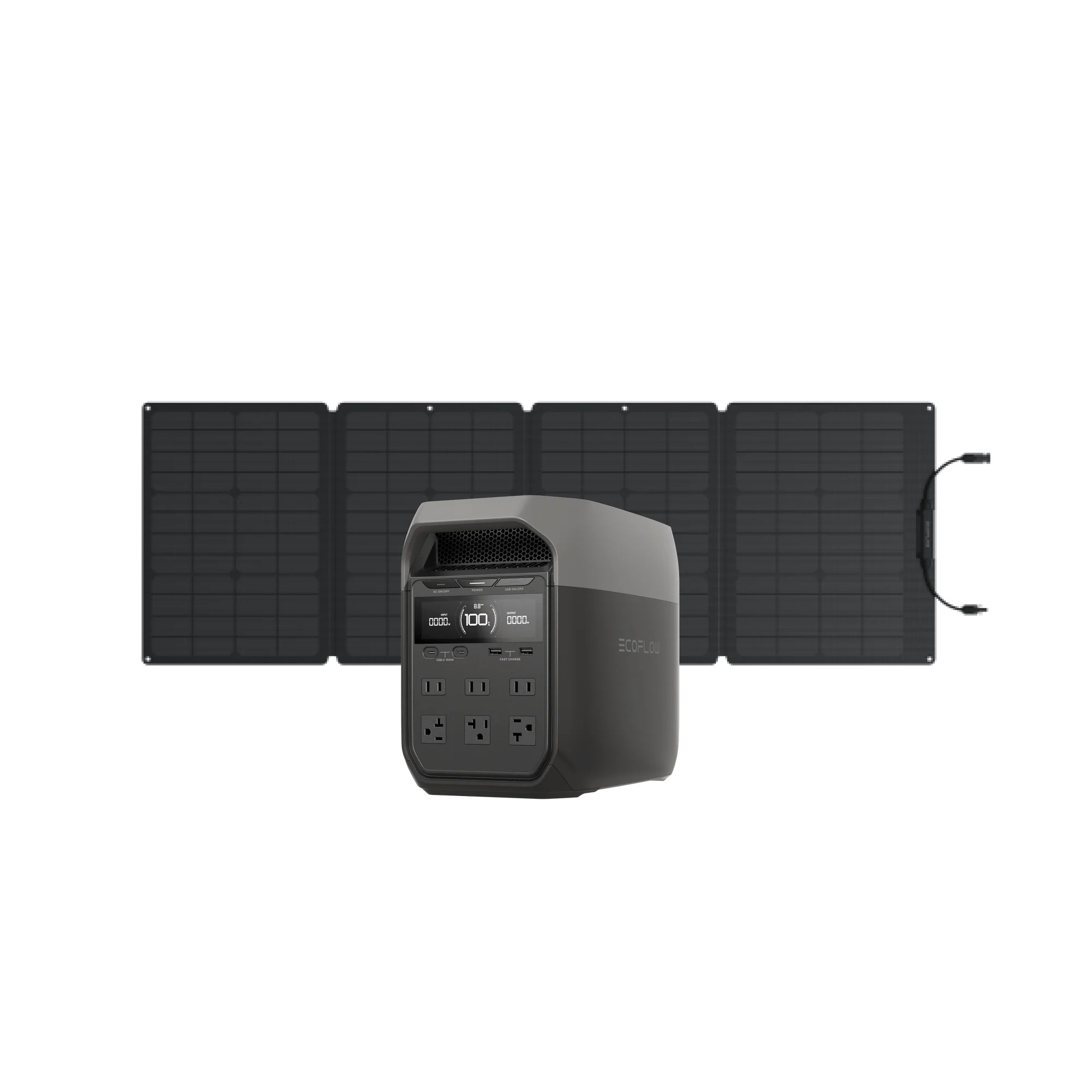
Different sizes also have different energy needs. This article discusses the pros and cons of each RV class, as well as the use cases for portable and solar energy with an EcoFlow DELTA 3 Solar Generator (PV400W).
What RV Classes Are and Why They Matter
RVs are grouped into distinct classes based on their build type, size, and intended use: Class A, B, C, and towable RVs and trailers.
One of the biggest distinctions is whether they’re motorized on their own or towable. Different classes are also better suited to different travel frequencies, campsite preferences, group sizes, and budgets.
Class A Motorhomes: Luxury and Space for Long-Term Travel
Class A motorhomes are the largest motorized RVs. They typically sleep up to 10 people and run 26 to 45 feet.
They have a large bus-style build with a full kitchen, sleeping quarters, bathroom, and optional slide-outs. They are the most expensive, with top luxury models exceeding $1M.
Class A is best for large families, full-time RVers, or those who prioritize their comfort over convenience. However, the downsides are lower fuel efficiency, limited maneuverability, and restrictions at certain campgrounds.
Class B Camper Vans: Compact and Easy to Drive
Class B includes the smallest motorized vehicles between 17 and 23 feet with advanced-sized chassis. They're much easier to drive and park than Class A or Class C and have better fuel efficiency.
Amenities can vary, but some basic models offer just a bed and storage, while higher-end options include a bathroom and dining area. They're best for solar travelers, couples, and van life enthusiasts who don't mind trading off limited living space for more dynamic transportation.
Class C Motorhomes: A Balance of Comfort and Maneuverability
Class C is the mid-size option between 25 and 35 feet, sleeping about 4 to 8 people, and built on a truck chassis. They have a distinct over-cab sleeping area, freeing up more of the interior floor space.
They offer more room than Class B and are more affordable and easier to handle than Class A. They can also tow a standard car. Class C is a good middle ground for families that want comfort without a Class A price tag.
Towable RVs and DIY Camping Trailers
Towable RVs and trailers don't have an engine of their own. They're towed behind a truck or an SUV and are much more affordable.
Specific types include:
Travel trailers that can sleep 2 to 8 and are towed with a standard hitch.
Fifth wheels, which sleep 4 to 10 and require a special hitch in the truck bed, but offer a more stable tow.
Pop-up campers, which can sleep up to 8 and fold down compactly for easy towing.
Truck campers, which are best for off-road and boondocking versatility and simply slide into a pickup bed.
How to Choose the Right RV or Camping Trailer
Using an RV or camping trailer, match the class to how often, how far, and how you like to travel. If you travel on your own or as a couple, a Class B or truck camper works well. If you're a family, consider a Class A, Class C, a travel trailer, or a fifth wheel.
Before you commit to a towable, verify that your vehicle has towing capability for the class that you're considering. You'll also need to factor in campsite accessibility, since larger rigs can sometimes be turned away at parks.
Based on your budget, you can shop new models for premium features or used models to significantly reduce upfront cost.
Power Needs for RVs and DIY Camping Trailers
The power needs of a Class A motorhome differ significantly from those of a towable trailer. Determine your appliance load by adding up the running wattage of all the appliances you intend to run at once, including surge power for refrigerators, etc.
A larger rig that runs an AC system, refrigerators, and an entertainment system may need its own whole-home generator. Plan your power setup early to avoid retrofitting headaches down the line.
Using Portable Power and Solar for Off-Grid RV Travel
Pairing portable power stations with solar allow you to enjoy true off-grid camping without a bulky and noisy generator. The EcoFlow DELTA 3 Solar Generator (PV400W) is a compact but powerful option that can run appliances, charge devices, and power your lights off-grid. It works well with all RV types, especially Class B vans and towable trailers.
The solar component will keep the battery topped up during daylight without refueling. It's an ideal solution for boondockers, festival campers, or anyone looking to avoid energy hookup fees.
Frequently Asked Questions
What are the main classes of RVs?
The three motorized classes of RVs are A, B, and C, plus towables, which include travel trailers, fifth wheels, pop-up campers, and truck campers. Each class varies in its size, price, number of people it holds, and intended use.
Is a DIY camping trailer cheaper than buying an RV?
Yes, DIY-ing a cargo or utility trailer can cost a fraction of the price of a manufactured RV. The trade-offs include your time, skills, and no manufacturer warranty to back up the work. However, it's highly customizable to fit your unique travel needs.
Choosing the Best RV for Your Travel Style
There's no single best RV. The right choice for you depends on your lifestyle, your budget, and your travel goals. If you're unsure what to go with, try test-driving or renting different options before you buy to get a feel for the size and handling.
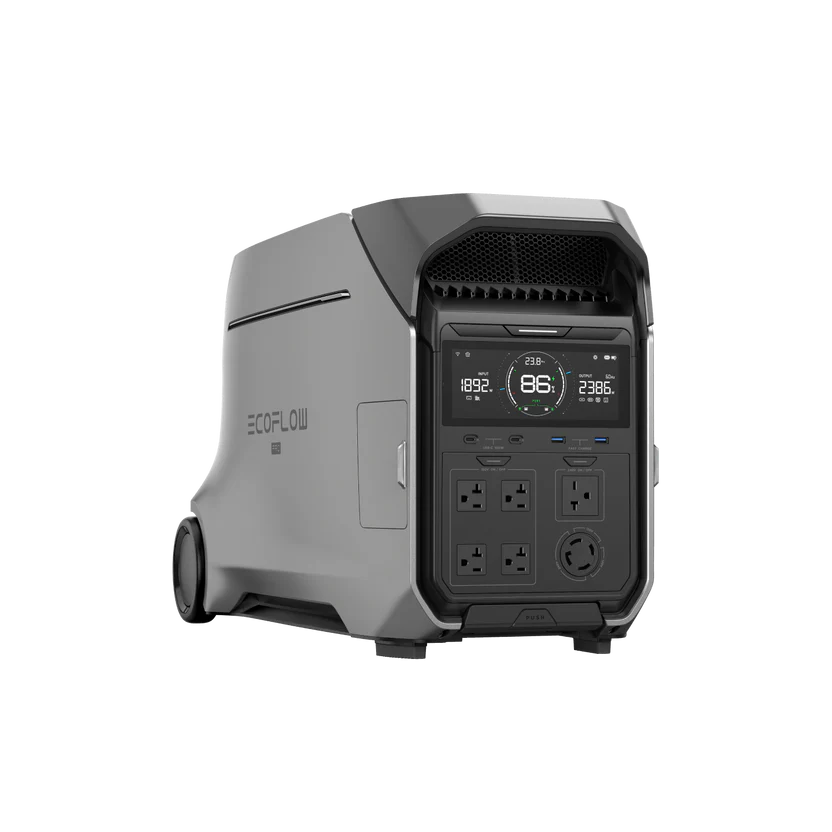
Whatever rig you end up with, portable power systems can make your RV adventure more flexible and sustainable. Use the EcoFlow DELTA Pro 3 to keep your adventures going further off-grid.
For press requests or interview opportunities, reach out to our media team
media.na@ecoflow.com