Rolling Blackouts Explained: How to Prepare Your Home
- What Is a Rolling Blackout?
- Why Do Utility Companies Use Rolling Blackouts?
- Which Areas of the US Are Most at Risk?
- How Can You Prepare Your Home Before a Rolling Blackout?
- What Should You Power First During a Blackout?
- What Should You Do When the Power Comes Back On?
- Frequently Asked Questions
- Reliable Backup Power Keeps Your Home Safe and Comfortable During Rolling Blackouts
Rolling blackouts are temporary, planned power outages that are used to reduce strain on the electrical grid during periods of high demand or limited power supply. While they're usually short, they can disrupt daily life with little warning.
Understanding why they happen and preparing your home with the right backup power and emergency supplies can help you stay safe, comfortable, and connected.
What Is a Rolling Blackout?
A rolling blackout, also called a rotating outage, is a temporary interruption of electricity that affects different neighborhoods in sequence.
Instead of allowing the entire electrical grid to fail under excessive demand, utility companies intentionally shut off power to selected areas for a limited time before restoring service and moving to another location.
Rolling blackouts can last anywhere from half an hour to several hours or occasionally longer. Unlike an unexpected outage caused by storms, equipment failures, or accidents, they’re planned events designed to protect the overall power grid.
Essential facilities such as hospitals, emergency response centers, and critical infrastructure are typically excluded whenever possible to ensure public safety. For everyone else, having a backup power plan, whether a portable power station or a full-home system like EcoFlow’s DELTA series, is the best way to stay prepared when an outage does reach your home.

Why Do Utility Companies Use Rolling Blackouts?
Electricity must be generated and consumed at nearly the same rate. When demand exceeds available supply, the grid becomes unstable. If utilities cannot quickly reduce demand, the result could be a cascading failure that leaves millions without power for an extended period.
Utility companies use rolling blackouts to:
Prevent widespread grid failures.
Protect aging electrical infrastructure from damage.
Manage electricity shortages during extreme weather.
Balance supply when power plants or transmission lines are unavailable.
Maintain power for critical services like hospitals and emergency communications.
In some parts of the world, planned outages occur regularly because electricity production cannot consistently meet demand. This practice is commonly known as load shedding, although the term "rolling blackout" is more commonly used in the United States.
Which Areas of the US Are Most at Risk?
Rolling blackouts can occur almost anywhere, but some regions face a higher likelihood due to weather patterns, population growth, and grid limitations.
Areas with elevated risk include:
California: High summer electricity demand, wildfire-related power management, and periods of limited generation capacity have contributed to rotating outages.
Texas: Extreme heat and severe winter weather have demonstrated how rapidly electricity demand can exceed available supply.
Southwestern states: Long periods of intense summer heat significantly increase cooling demand.
Rapidly growing metropolitan areas: Expanding populations place additional pressure on aging electrical infrastructure.
How Can You Prepare Your Home Before a Rolling Blackout?
Preparation is the best way to reduce disruption during a rolling blackout. Since outages often happen with little warning, having a plan in place can help you stay safe and keep essential devices running.
Before an outage:
Keep an emergency kit with drinking water, non-perishable food, flashlights, extra batteries, first-aid supplies, a battery-powered or hand-crank radio, and phone chargers.
Back up important files regularly and fully charge your phones, laptops, rechargeable batteries, and any medical devices if a blackout is expected.
Keep refrigerator and freezer doors closed as much as possible during an outage to help food stay cold longer.
Identify the appliances you'll need most, such as your refrigerator, medical equipment, internet router, and essential lighting.
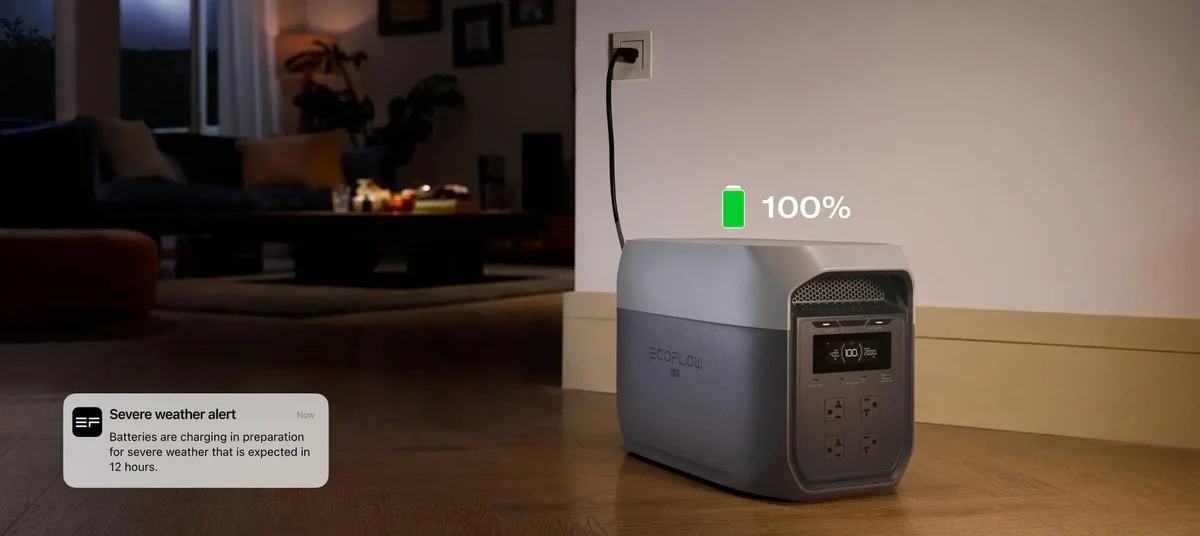
Many homeowners invest in a battery-powered whole home generator to keep their home connected and running. For example, an expanded EcoFlow DELTA Pro 3 system can deliver up to 48kW and keep a house running for 2–4 days, based on average daily electricity use of 12–24Wh.
Smaller portable options like the EcoFlow DELTA 3 Max + 400W Solar Panel can also keep essential devices running while offering solar recharging (in around 6.4 hours) during extended outages.
What Should You Power First During a Blackout?
If your backup power capacity is limited, prioritize devices that protect health, safety, and food.
A recommended priority order for staying powered during a rolling blackout includes:
Medical equipment.
Refrigerator and freezer.
Essential lighting.
Internet modem and router.
Phone chargers.
Fans or climate-control equipment as needed.
Small cooking appliances if necessary.
Avoid running multiple high-wattage appliances simultaneously unless your backup system is designed to handle the load.
If you have a whole home backup power solution, many of these priorities can continue operating automatically without constantly managing individual devices.
Knowing how to stay powered starts with understanding your household's essential energy needs before an emergency occurs.
What Should You Do When the Power Comes Back On?
Power restoration is usually straightforward, but taking a few precautions can help protect your appliances and electrical system.
Once electricity returns:
Wait a few minutes before turning on large appliances.
Restore power to devices gradually to reduce sudden electrical demand.
Check refrigerators and freezers for food safety if the outage was prolonged.
Recharge batteries and backup power stations.
Refill emergency supplies you've used.
Inspect backup equipment to ensure it's ready for future outages.
Frequently Asked Questions
What Causes Rolling Blackouts in the US?
Rolling blackouts typically occur when electricity demand exceeds available supply. Common causes include extreme heat, winter storms, equipment failures, limited power generation, transmission problems, and aging electrical infrastructure. Utility companies temporarily reduce demand through rotating outages to avoid a much larger grid failure.
How Long Do Rolling Blackouts Usually Last?
Most planned rolling blackouts last between 30 minutes and a few hours, although the exact duration depends on grid conditions and utility operations. During severe emergencies involving widespread infrastructure damage, outages may continue much longer than typical rotating events.
Are Rolling Blackouts Dangerous?
Rolling blackouts themselves are not inherently dangerous, but they can create risks if households are unprepared. Loss of lighting, refrigeration, heating, cooling, or medical equipment can become serious concerns during prolonged outages. Proper emergency planning and reliable backup power significantly reduce these risks.
Reliable Backup Power Keeps Your Home Safe and Comfortable During Rolling Blackouts
Rolling blackouts are a preventive measure that helps utilities maintain grid stability during periods of unusually high demand or limited electricity supply.
While most outages are temporary, preparing ahead with emergency supplies, a backup power plan, and clearly identified priority appliances can make a significant difference when the power goes out.
For homeowners who want uninterrupted comfort and peace of mind, investing in a reliable backup system provides dependable protection against future outages while helping your home remain powered when you need it. Explore EcoFlow's DELTA series to find the right fit, from portable power stations to full whole-home backup systems.
For press requests or interview opportunities, reach out to our media team
media.na@ecoflow.com