Microplastics in Rainwater: Is It Safe to Drink?
If you’re part of the home solar revolution, harnessing sun and UV light to power your house, then it makes sense to consider rainwater as the next gift from nature. Unfortunately, nature’s bounty isn’t as clean as it looks.
This article reviews why rainwater isn’t safe to drink and why. We also suggest practical steps to safely harvest what’s falling from the skies as part of a more sustainable lifestyle.
Is Rainwater Safe to Drink Today?
Despite appearances, untreated rainwater is not safe to drink regardless of your location.
You’ll need a water filtration system to make the water safe for human consumption.
Why “Clean-Looking” Rain Can Still Contain Microbes, PFAS, and Microplastics
In remote locations, it’s easy to assume that rainwater is purer than that falling over the city. However, atmospheric pollution means that this is a dangerous assumption to make.
“Clean-looking” rainwater can still contain microplastics, heavy metals, pathogens, forever chemicals (PFAS), and heavy metals, none of which are visible to the naked eye. If it smells normal and looks clear, it’s probably anything but.
What’s Actually in Rainwater?
Most Common Contaminants in Rainwater
Microplastics are minuscule plastic particles present in the air from pollution, which are brought down to ground level, contained in the water droplets of rainfall.
Another common contaminant is heavy metals, including arsenic and mercury; levels of these naturally tend to be higher in cities and industrial areas.
Microbial contaminants in rainwater include viruses, bacteria, and parasites linked to disease. PFAS have a proven connection to certain types of cancer and hormone problems, and are now present in rain above recommended safety levels.
How PFAS and Microplastics Get Into Rainwater
Rain is formed high up in the atmosphere where it can collect airborne pollutants. These include heavy metals carried by the wind, PFAS, which are also airborne, and germs from dirt and animal waste.
Rain also picks up contaminants when it encounters surfaces at ground level, like rooftops and gutters. It can collect viruses like E. coli from bird droppings, and heavy metals like lead and zinc from old pipes and roofs.
If you’re collecting rainwater from rooftops, then it’s often the dirtiest at the start of the rainfall.
First-flush diverters are vital as part of a harvesting setup. They get around this by automatically diverting the first few liters of runoff away from the tank.
How to Make Collected Rainwater Safer at Home
A Practical Treatment Stack for Drinking Water, Plus Storage and Maintenance Basics
Environmental sustainability is increasingly a priority for many US households. Sustainable energy is good for the planet and your wallet, plus, it insulates you against weather-related outages and grid infrastructure problems.
Instead of creating a rain garden to combat severe weather events and prevent runoff, which could damage your property, why not harvest the rainwater and drink it?
Collecting rainwater has one key difference compared to harnessing solar power; it needs treatment before it’s safe to drink, and appropriate storage.
Treatment Process:
A treatment system starts with a first-flush diverter, removing the first few liters of rainfall, which are typically the most contaminated.
Next, a filtration system removes bacteria, germs, chemicals, and particles, plus larger debris, sand, and sediment.
Carbon filters absorb odors, some PFAS, and chlorine.
Reverse osmosis (RO) removes dissolved minerals, heavy metals, PFAS, and microplastics.
Some advanced filtration systems require electricity to operate, so having a reliable backup power source can help maintain safe water access during outages.
Storage Best Practices:
Appropriate storage is vital to preserve the water’s integrity and avoid fresh contamination.
Use a food-grade tank that is opaque to block light
Seal it tightly so there’s no ingress by birds or rodents, and natural materials like dust and leaves.
Avoid using metal storage tanks — they’re often prone to rust and deterioration, which only transfers heavy metals into your water store.
Maintenance and Collection Tips:
Keeping collection surfaces like roofs and gutters clean helps.
Avoid collecting rainwater from the first shower after you have cleaned these to ensure all debris and dirt particles are washed away.
Frequently Asked Questions
Does Boiling Rainwater Remove Microplastics or PFAS?
Boiling rainwater may reduce microplastics. However it doesn’t effectively remove PFAS, and in fact, can concentrate PFAS contaminants through the process of evaporation. If you boil rainwater to remove microplastics or PFAS, you'll still need to filter it.
Is Rainwater Safer to Drink in Rural Areas Than in Cities?
Rainwater in cities and urban locations typically contains a higher level of contaminants than rainwater harvested in rural areas. However, because atmospheric pollution has no geographical restrictions, you shouldn’t assume that rainwater in a rural location is clean and drinkable without filtration treatment.
What Filter Removes PFAS and Microplastics From Rainwater?
Reverse osmosis (RO) filters remove microplastics and PFAS from rainwater so it’s safe to drink. RO operates by applying pressure, forcing the water through a semi-permeable membrane to leave contaminants behind. Some people also use these filters for tap water. Depending on the volume of water you need, there are countertop and under-the-sink products available.
Is It Legal to Collect Rainwater for Drinking in the US?
Whether it’s legal to collect rainwater varies state by state. Some states prohibit collection due to water rights and public health issues. Other states restrict how much rainwater you can collect. You’ll need to check out the regulations in your local area.

Build a More Resilient, Safer Home Water and Power Plan
Resilience is the watchword for many US households that are considering how they can insulate themselves against power supply disruptions and sky-high energy prices.
In an increasingly volatile global economy, ensuring a reliable and constant supply of water and power has never been more essential.
EcoFlow offers scalable whole-home backup power solutions designed for both on and off-grid use, helping keep essential systems running during outages.
Our fuel-free whole-home generators are a simple solution to safe and reliable power, and can help support large-scale water filtration systems, some of which require an energy source, keeping your life on track even during outages.
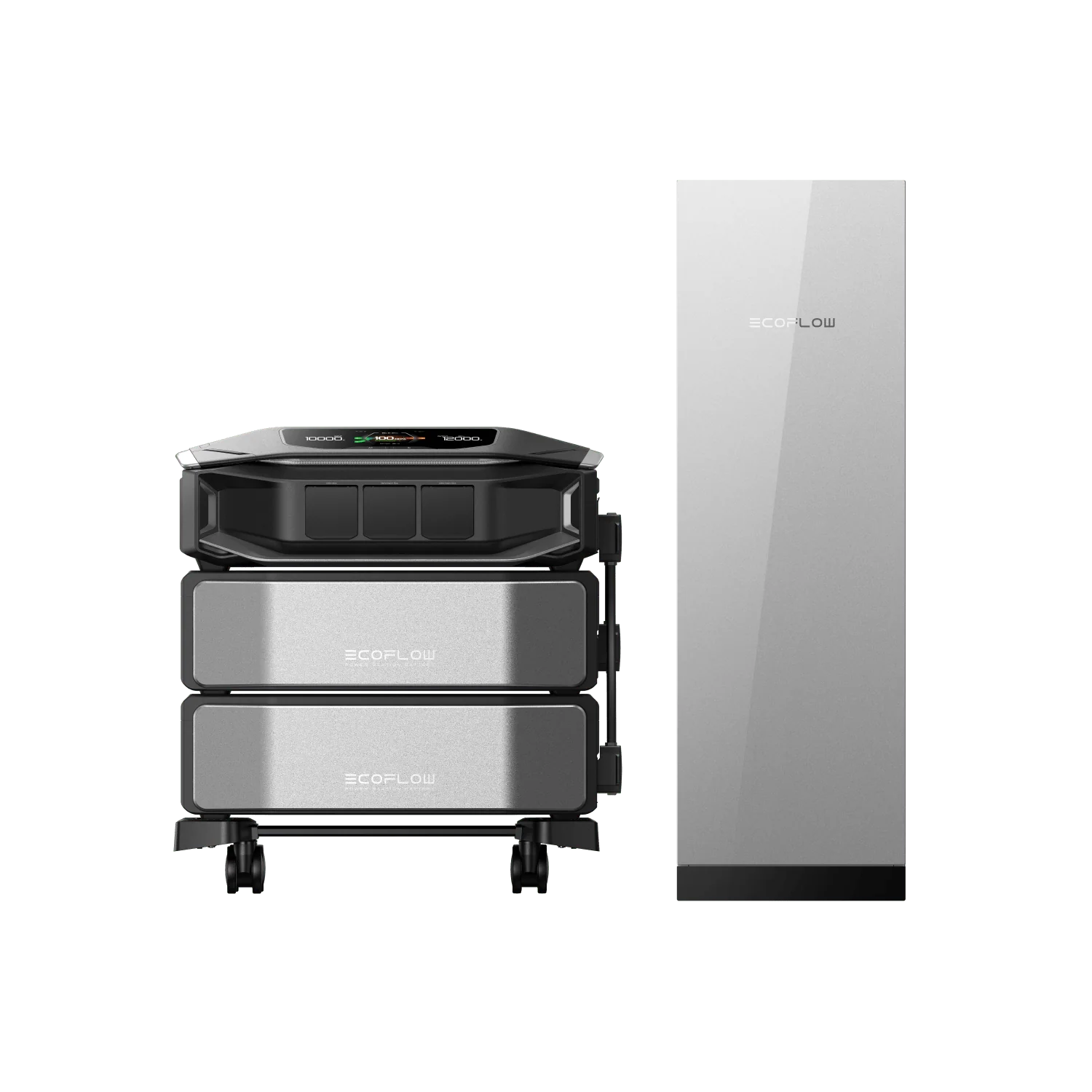
High-capacity systems like the EcoFlow DELTA Pro Ultra X + Smart Home Panel 3 can help maintain critical home functions, giving you greater control over both your energy and water security.
For press requests or interview opportunities, reach out to our media team
media.na@ecoflow.com