Lithium Battery Backup Power Supplies: A Complete Guide
- The Real Reason More Homes Need Battery Backup Now
- What a Lithium Battery Backup Power Supply Is and What It Does
- How to Choose the Right Size Backup for Your Home and Devices
- How EcoFlow Fits Into Modern Lithium Backup Setups
- Frequently Asked Questions
- Build a Backup Plan That Keeps You Powered and in Control
With power outages on the rise, coupled with a desire among most homeowners to lower energy bills, more people are turning to lithium batteries to provide backup power supplies in their homes.
Lithium batteries offer a reliable backup supply when properly sized and paired with suitable charging options.
This guide looks at the benefits of battery backup, how it works, and how to find the right backup system for your home and devices.
The Real Reason More Homes Need Battery Backup Now
Outages, Brownouts, and Sensitive Electronics Make Instant Backup a Must
Power outages due to weather-related issues are increasing, with reports suggesting that extreme weather events are on an upward trend in the US.
Rolling blackouts are planned outages by utility companies to manage system peaks and overloading. Brownouts refer to a drop in voltage and are used for load reduction, but can also be unplanned.
A whole-home battery backup can keep vital electronics like cell phones and tablets up and running regardless of the reason for power loss; this is essential in severe weather. They also protect medical devices that need a continuous electricity supply to function.
What a Lithium Battery Backup Power Supply Is and What It Does
Whole-home lithium battery backup isn’t just for emergencies; as well as ensuring a safe and reliable supply, this is a smart way to reduce grid reliance and save money on your heating and cooling costs.
The idea is to provide large-scale energy storage, so your whole household remains on power if the grid doesn’t deliver.
A backup supply can support all essential appliances—or, with the right capacity, power most or all of your home.
How Stored DC Power Becomes Usable AC Power When the Grid Fails
Power is stored in high-capacity lithium batteries; this is called DC (Direct Current) power.
If the grid fails, power inverters connected to the batteries automatically convert stored DC power into AC (Alternating Current) power for a seamless supply.
These days, most inverters have a system that detects disruption to the supply and automatically switches to battery mode. Battery mode maintains a continuous power supply to your property.
How to Choose the Right Size Backup for Your Home and Devices
Batteries are categorized by their watt-hours (Wh) or kilowatt-hours (kWh); this is battery capacity. Capacity equals how long your system can run.
Power output is measured in watts (W) or kilowatts (kW); power output determines what devices the system can run. The more appliances you have, the higher the output must be; likewise, if you want to run more powerful appliances.
You’ll need to consider your runtime ambition and how much output you need for your appliances to figure out the right size backup system for your home. The average American home typically needs 10–20 kWh for full coverage, but backup requirements depend on how many devices you plan to run and for how long.
Don’t overlook charging methods. Some backup systems only support grid charging, which isn’t going to work if your supply is off for days. Look out for systems that are multi-source, including solar and generator-based charging.
Getting into the specs and terminology doesn’t have to be complicated or mind-numbing! Some basic knowledge will inform your understanding and decision-making.
How EcoFlow Fits Into Modern Lithium Backup Setups
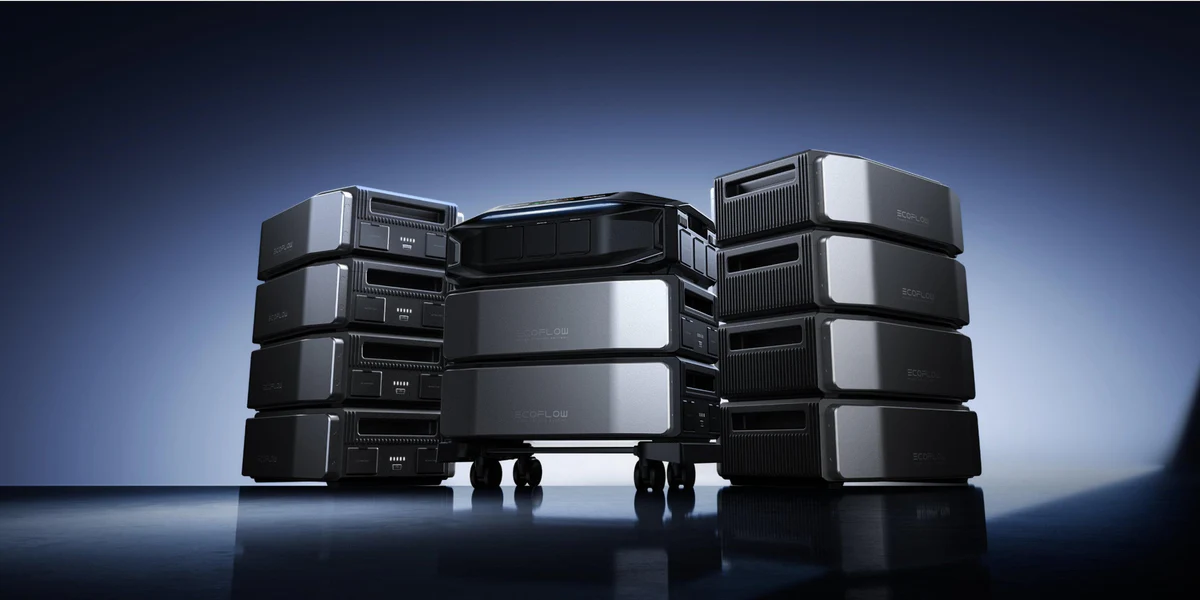
EcoFlow portable power stations and whole-home energy systems deliver the ultimate in versatile backup power. These systems work in compact homes and effortlessly scale to accommodate larger properties and higher demands.
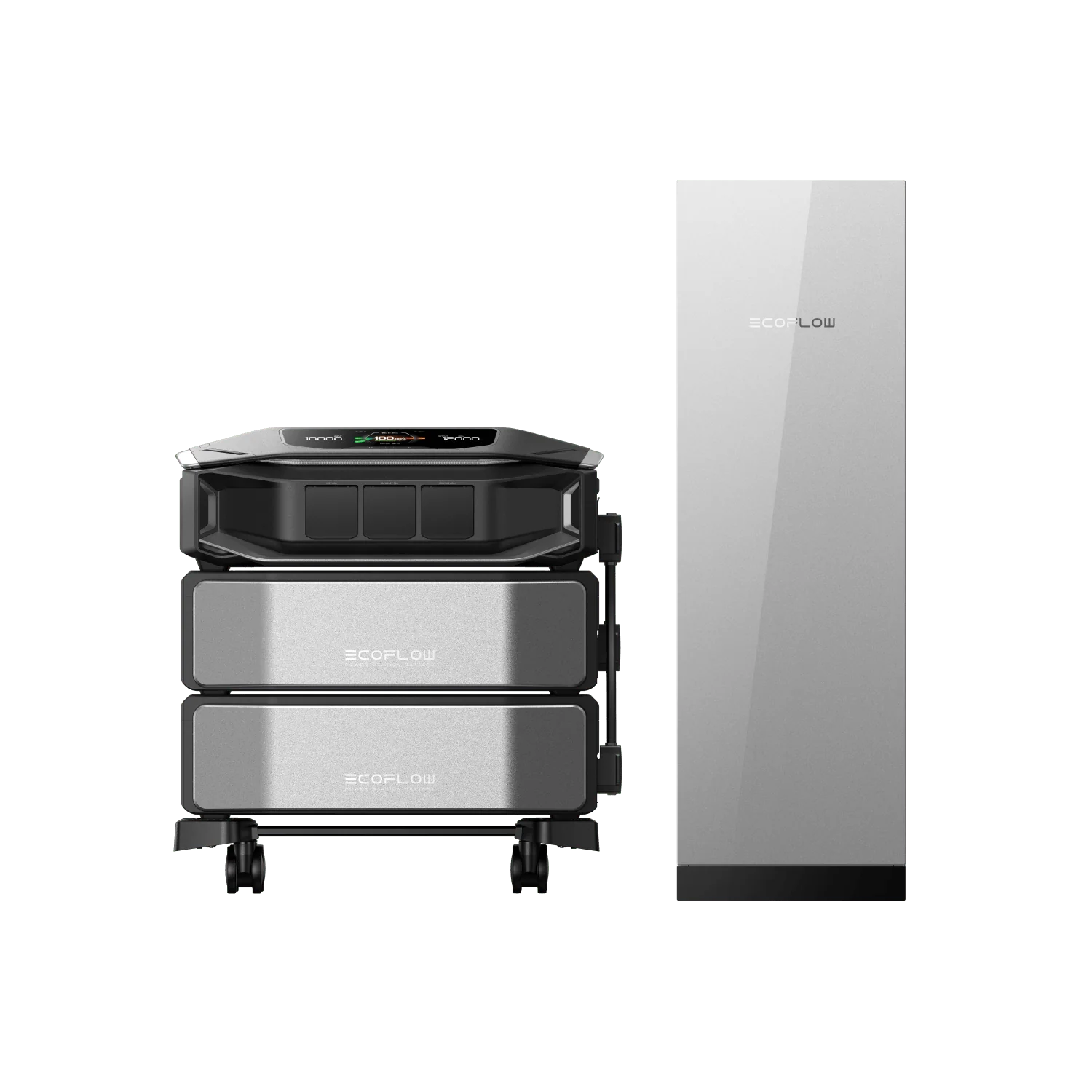
The EcoFlow DELTA Pro Ultra X provides whole-home backup power in a plug-and-play design with an inverter and two extra batteries. It offers a base capacity of 12kWh and can scale up to 180kWh with additional batteries.
Paired with a Smart Home Panel 3, it provides an automatic switchover when the power goes off.
It also partners with generators to extend runtime significantly during prolonged outages.
Frequently Asked Questions
Is a Lithium Battery Backup Power Supply the Same as a UPS?
A UPS is a complete backup system that includes a battery, inverter, and control system. Lithium battery backup systems use similar components but are typically designed for larger-scale or longer-duration backup.
How Long Can a Lithium Battery Backup Run a Refrigerator During an Outage?
This depends on the energy demands of the refrigerator, the battery’s capacity, and the duration of the outage. Typically, a lithium battery backup will run a fridge for several hours or most of a day. To be certain, calculate the daily energy consumption of the refrigerator and compare this with the battery’s capacity.
What’s the Difference Between Capacity and Output When Choosing a Backup Battery?
Capacity is how long your system can run. Output determines what devices the system can run. You need to total up your appliances in terms of energy use and compare this with output. You may need more output if you have powerful appliances with higher demands.
Are LiFePO4 Backup Batteries Safe to Use Indoors?
LiFePO4batteries are safe to use indoors as they feature one of the safest and most stable battery chemistries with low flammability. This is enhanced with the use of flame-retardant materials and features like Battery Management Systems (BMS), which monitor temperature. You should still ensure that batteries are not in direct sunlight and that there’s adequate ventilation.
Build a Backup Plan That Keeps You Powered and in Control
There are many reasons why a constant and reliable power supply in your home is so important. Weather-related outages and problems with an aging grid structure can all mean blackouts right when you don’t want them.
EcoFlow can help build a backup power system tailored to your needs, ensuring a constant supply regardless of the reason for an outage. Reducing reliance on the grid will help your household costs, too.
Take a look at our on-grid and off-grid full-home backup power solutions and take your first steps on the road to controlling your power supply.
For press requests or interview opportunities, reach out to our media team
media.na@ecoflow.com