Flood Resilience: What is a Rain Garden and Do You Need One?
Flood resilience is best considered at all scales, from national to local, right down to your own yard. Poor drainage, hard surfaces, and compaction send excess rainwater straight toward your foundation and basement during heavy storms. Rain gardens offer a simple, natural way to manage excess water before it becomes a problem. By capturing runoff and allowing it to soak slowly into the ground, they reduce localized flooding while protecting nearby waterways, helping build long-term flood resilience.
What Is a Rain Garden and How Does It Work?
A rain garden is a low spot in the landscape where rainwater collects, typically coming from a driveway, roof, or street. They work by diverting excess stormwater into a depression, which allows it more time to soak into the ground. Instead of relying solely on flood preparation to reduce damage, they reduce the risk of flooding in the first place by retaining water and preventing runoff.
A rain garden is similar to a bioswale, but bioswales are linear trenches or creek-shaped channels that direct excess stormwater, often into rain gardens.
Both are planted with wet-tolerant perennials, shrubs, sedges, and grasses, often featuring native plants best suited to your climate.
Using water catchment projects like these, together with a whole-home backup power solution, you can help protect your home in the next flood event.

How Rain Gardens Reduce Flooding and Protect Waterways
Rain gardens are becoming increasingly popular across the US for their ability to reduce flooding and protect our waterways. They retain water and allow it to percolate into the soil rather than overflowing our streets, storm sewers, and waterways, helping prevent localized flooding.
The native plants that are grown in them naturally adapt to fluctuating water levels, developing deep roots. This helps prevent erosion and also allows water to percolate deeper into the ground.
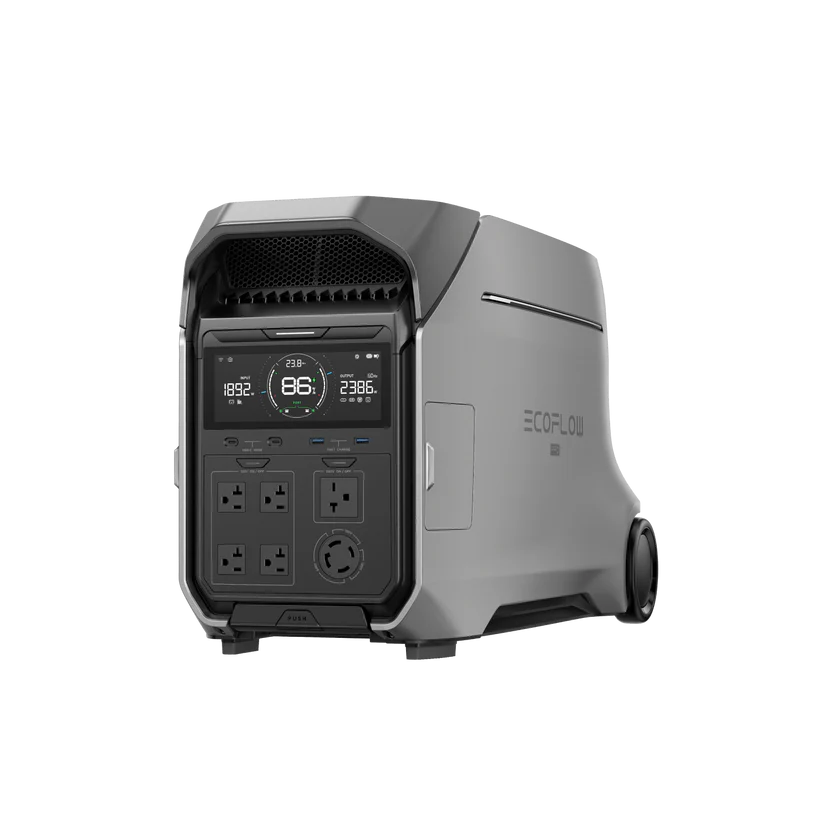
At home, your rain garden will help prevent basement flooding and reduce damage to your home and yard during major storm surges. Be sure you have a backup power supply like the EcoFlow DELTA Pro 3, in case of power outages, to keep your sump pump running and your foundation and basement dry.
Key Design Considerations: Plants, Soil, and Placement
When it comes to placement, the best spot for your rain garden is the lowest spot in your yard where water collects after rain. Water is directed from gutters or driveways through channels or bioswales, flowing under gravity (ensure a channel slope of about ¼” per foot). That way, you work with nature rather than against it.
Also, don’t forget to create an overflow channel to reduce flooding during bad storms. Direct this channel onto a lawn, a patch of shrubs or trees, or to a traditional drainage route.
Another key consideration is your soil. If you have sand, your water will infiltrate more rapidly than in clay or silty soil. This means those with clay or silty soils will need more surface area than those filled with sand. Planting wet-tolerant plants in the bottom will help with infiltration.
For plant selection, look up native plants in your area, as they are best suited to your climate. Look for wet-tolerant species like sedges or aquatic milkweed to plant at the bottom. The sides are ideal for planting native perennial wildflowers that benefit from moisture but don’t tolerate prolonged flooding. Finally, an optional border of small to medium-sized native shrubs around the garden provides additional flood and erosion control through interception and infiltration.
Can You Add a Rain Garden to Your Yard?
Yes, virtually any yard can have rain gardens added. If you don’t already have an area where water collects, just dig a pit in a strategic location where water can be directed. Use “river bed” channels or bioswales to direct water when it rains.
Check out the US EPA for more information about rain gardens in your state.
Flood Readiness Goes Beyond Landscaping
Flood readiness also includes having a home flood preparation plan. This includes preparing an emergency kit, evacuation supplies, knowing evacuation routes, and having a family communication plan. Practice your plan with your family every year and be sure to explain the difference between flood warnings and watches so everyone knows what to do when they hear them.
Floods can often cause major power outages when they damage infrastructure, even if your own home remains dry. A whole home generator is the most comprehensive solution for powering your lights, sump pump, and essential appliances. These can be connected to your household electrical panel and set to automatically switch to backup if the power goes out, without missing a beat.
Frequently Asked Questions
What Is the Difference Between a Garden and a Rain Garden?
A garden is simply any area where you grow plants for food or aesthetics. Rain gardens are depressions in the landscape planted with native wet-tolerant plants where you direct rainwater, retaining it so it can slowly soak into the soil instead of creating more runoff.
What Is the Best Plant for a Rain Garden?
The best plants for rain gardens are native wet-tolerant plants that can handle wet-dry cycles and don’t need consistent water. Depending on where you live, this might include Cardinal Flower, Swamp Milkweed, Buttonbush, sedges, and certain grasses.
Is a Rain Garden a Soakaway?
Sort of. A traditional soakaway is a gravel-filled pit that captures water and allows it to infiltrate the soil, preventing runoff and erosion. Rain gardens can also be gravel-filled pits, but they’re planted with wet-tolerant native plants, enhancing their water interception and retention capacity.
A Natural Step Toward Flood-Resilient Living
Rain gardens are a practical, low-impact way to slow local runoff and improve soil infiltration, reducing strain on storm systems and surrounding waterways during heavy rain events. However, true flood resilience at home is about pairing smart landscaping solutions with flood preparedness and reliable backup power, like EcoFlow Whole-Home Backup Generators, which help ensure your home stays protected even when storms overwhelm your local infrastructure.
For press requests or interview opportunities, reach out to our media team
media.na@ecoflow.com