Understand "Radiation Cooling" on Clear Winter Nights
You go outside on a sunny winter day and the air is fresh. But as soon as the sun goes down, the temperature drops. Even on nights when conditions seem calm, there is a thick layer of frost on your windshield by morning. This chill didn't come from a storm front—it's radiation cooling at work. If you know how this process works, you can keep your home, car, and garden safe from the coldest weather of the year.
What Is Radiation Cooling?
The sun shines on the Earth during the day. The ground, pavement, and buildings soak up this solar energy and get warmer. But these surfaces don't keep this heat forever. They are always giving off energy in the form of invisible infrared radiation that goes back up.
Radiation cooling is just the constant loss of heat from the surface to the air and space outside.
How the Temperature Drops
The process depends on the balance between incoming and outgoing energy:
Daytime: The sun delivers heat faster than the ground releases it. The surface gains energy, and temperatures rise.
Nighttime: The sun sets, and the incoming heat stops completely. However, the ground continues to release its stored heat upward. Without sunlight to replenish this lost energy, the surface temperature falls sharply.
Why Surfaces Freeze First
Solid objects—like car windshields, roofs, and grass blades—cool more rapidly through radiation than air does. On clear nights, these surfaces lose energy so fast that they become colder than the air around them. The cold surface then chills the air in direct contact with it, often freezing moisture into frost even when the general air temperature remains above freezing.
Why Does Temperature Drop So Quickly on Clear Winter Nights?
Three specific conditions work together to drain heat from the ground rapidly.
1. No Clouds to Block Heat Escape
Clouds act like a lid on a pot. They catch the heat rising from the ground and send it back down. This keeps the warmth close to the surface.
On a clear night, this lid is gone. Heat travels straight up from the ground, through the atmosphere, and into space without anything stopping it. Since nothing holds the warmth in, the surface temperature falls fast.
2. Lack of Wind Traps Cold Air
Wind acts like a mixer. It pushes warmer air from high up down to the surface, which keeps the ground temperature steady.
On a calm, still night, this mixing stops. As the ground cools, it chills the air touching it. Since cold air is heavy, it settles at the bottom—right where your garden and car are—and stays there.
3. Long Nights Increase Heat Loss
Winter nights create a long gap between sunset and sunrise. The Earth spends more hours losing heat than gaining it. By the time dawn arrives after 14 hours of darkness, the ground has released energy continuously for a very long time. This drives temperatures to their lowest point right before the sun comes up.
How Radiation Cooling Affects Daily Life
This meteorological term has tangible impacts on morning routines and property.
Horticulture: The Silent Plant Killer
Farmers and gardeners face radiation cooling as a primary enemy. Plants lose heat efficiently. On a clear, calm night, a leaf radiates heat faster than it draws warmth from the stem or soil.
The leaf temperature can drop by 2°F to 5°F below the surrounding air. "Radiation frost" kills sensitive plants even if the forecast says the low will be 35°F (above freezing). The air remained above freezing, but the plant froze.
Gardeners use "frost cloth" or floating row covers. These fabrics do not merely insulate; they act as artificial clouds, blocking infrared radiation from escaping the plant and reflecting it back down.
Car Owners: The Morning Scrape
You might notice ice covering a windshield while side windows remain clear. Or a car parked under a carport stays frost-free while one in the driveway freezes solid.
A windshield angled toward the open sky acts like a radiator, shooting heat directly into space. A roof blocks radiation for a car parked underneath. The roof radiates heat back to the car, keeping the glass above the frost point.
Extreme cold from radiation cooling also stresses car batteries. Chemical reactions inside slow down, reducing cranking amps to start the engine just as oil thickens.
In Homes: The Battle for Heat
Houses constantly battle radiation cooling. Roofs and windows serve as primary exit points for heat. On clear nights, standard insulation might fail to prevent a drafty feeling near windows.
Uninsulated pipes in attics or crawl spaces face risks. The roof loses heat rapidly to the clear sky, making the attic space significantly colder than the rest of the house. Burst pipes result if active heating measures fail.
How to Stay Warm on Winter Nights
Combatting the deep freeze of a clear winter night requires passive insulation and active heating.
Passive Strategies
Close the Curtains: Thick, thermal curtains create a barrier. They stop room heat from radiating out through cold window glass.
Cover Up: For outdoor equipment or plants, any covering beats nothing. A simple tarp blocks the line-of-sight to the open sky, interrupting radiative heat loss.
Active Heating and Energy Security
Insulation occasionally falls short. You must generate heat, and you need power to run it. If you need to keep a greenhouse heater running for orchids, power a heavy-duty electric blanket, or ensure a home heating system blower operates during a winter blackout, reliable power remains non-negotiable.
A robust energy solution eliminates reliance on luck when temperatures drop.
Reliable Power from EcoFlow

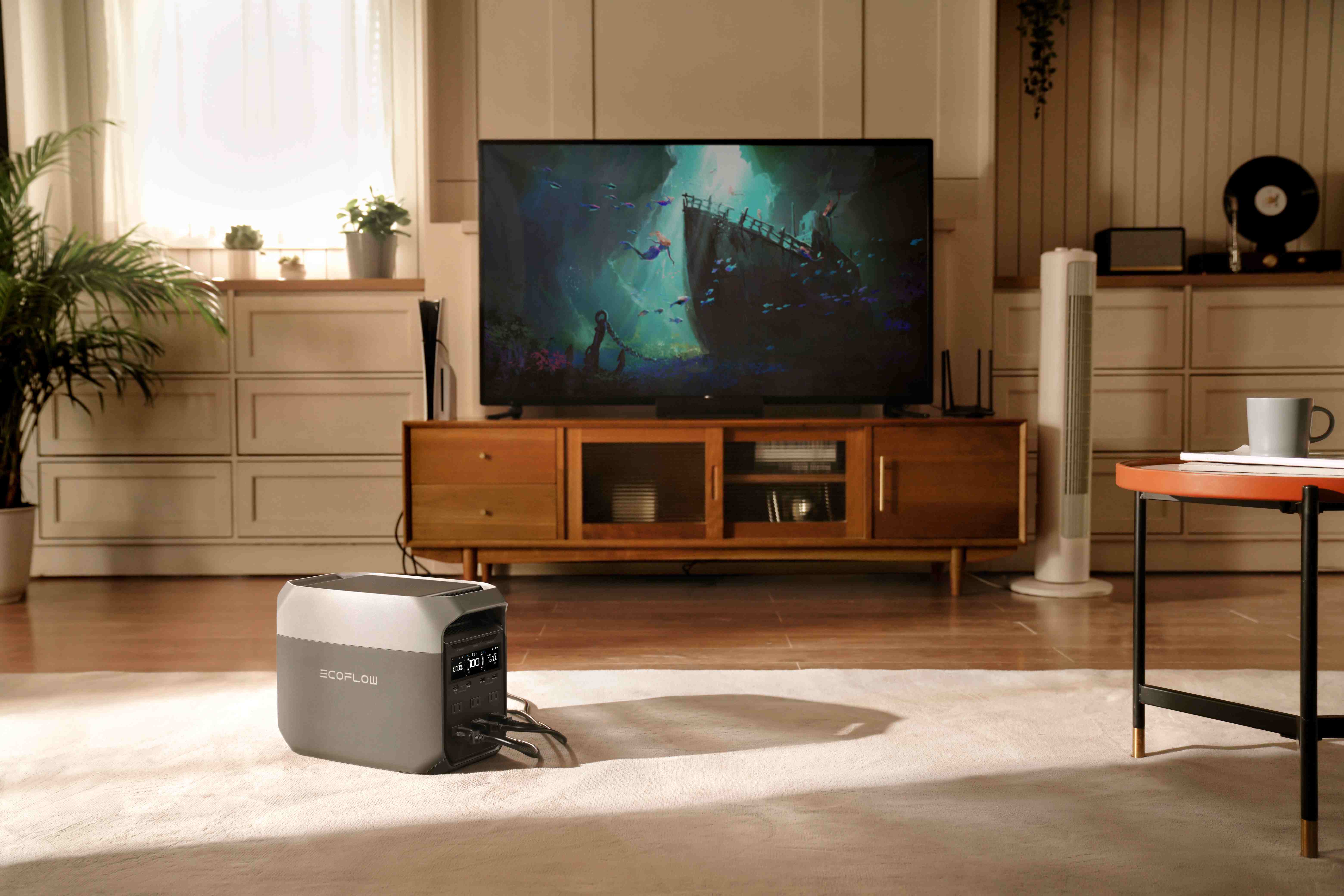
When the night stays clear and the mercury falls, the EcoFlow DELTA 3 Series provides security. The unit functions as a winter safety net.
Designed for home backup and heavy-duty use, the DELTA 3 offers powerful AC output to run space heaters, heat lamps for gardens, or electric blankets. Unlike gas generators that create noise and require outdoor ventilation, the DELTA 3 operates quietly (as low as 30dB), making it safe for indoor use.
If a winter storm disrupts the grid, the DELTA 3's 10ms auto-switch feature keeps critical devices—like a CPAP machine or aquarium heater—running without interruption. Rapid charging capabilities (0-80% in under an hour) allow you to top it up quickly before sunset. It empowers you to control the environment, ensuring the home remains a warm, functioning sanctuary regardless of the outdoor chill.
Beat the Nighttime Freeze
Radiation cooling makes clear, calm winter nights into freezing challenges. Cold is more than just the lack of heat; it's also the active escape of energy to space. This information will help you keep your plants, cars, and homes safe. The best way to stay warm in the winter is to prepare ahead of time by covering your windshield or making sure you have a reliable power source, like the EcoFlow DELTA 3, to run heating devices.
FAQ
Q1: When does radiation cooling occur most often?
Cooling begins in the late afternoon, when the sun is low, and picks up speed immediately afterward, when the sun sets. Then, the temperature remains cool throughout the night, but the rapid cooling occurs in the initial hours of the night because of the warmth from the earth, which rises to the cool sky.
Q2: Is radiation cooling a summer process?
Yes. It remains the same throughout the year. However, summer nights last only for a short time, so there isn't much time for the ground to cool. Humidity is also greater in summer, so some of the heat is retained. Also, the ground will still cool enough for dew to form (enough for the water to condense, but not enough to freeze).
Q3: Does wind prevent radiation cooling from occurring?
Nope. This is because, despite the wind, the ground will still attempt to cool. An absence of wind will result in the cold air being near the ground, thus causing frost. However, a gentle breeze with a speed of approximately 5 mph would be enough to mix this air, and thus prevent frost.
Q4: Why is the lowest temperature right before sunrise?
Because the Earth keeps losing heat to space once the sun goes down, it doesn't receive any new heat until the sun rises. This goes on all night, so the last portion of the night is the coolest.
Q5: Do clouds work like insulation?
Yes. Clouds are like a blanket. They retain heat from the ground through water droplets, sending most of that heat back down. But on a clear night, the heat gets released into space. And that's radiation cooling, essentially.
For press requests or interview opportunities, reach out to our media team
media.na@ecoflow.com