Drones for Homeowners: Inspecting Roofs and Gutters Safely
- Why Roof and Gutter Inspections Matter
- How Drones Are Changing Home Inspections
- What Parts of a Home Can You Inspect with a Drone?
- When Homeowners Should Use a Drone Inspection
- The Benefits of Drone Inspections for Homeowners
- Frequently Asked Questions
- Drone Inspections Improve Roof and Gutter Maintenance for Homeowners
Roof maintenance and inspection are a key part of homeownership, and not something that should be overlooked. Traditional roof inspections require a trained inspector to climb up ladders onto the roof to look for damage, piece together clues, and determine what actionable steps are needed to address any faults.
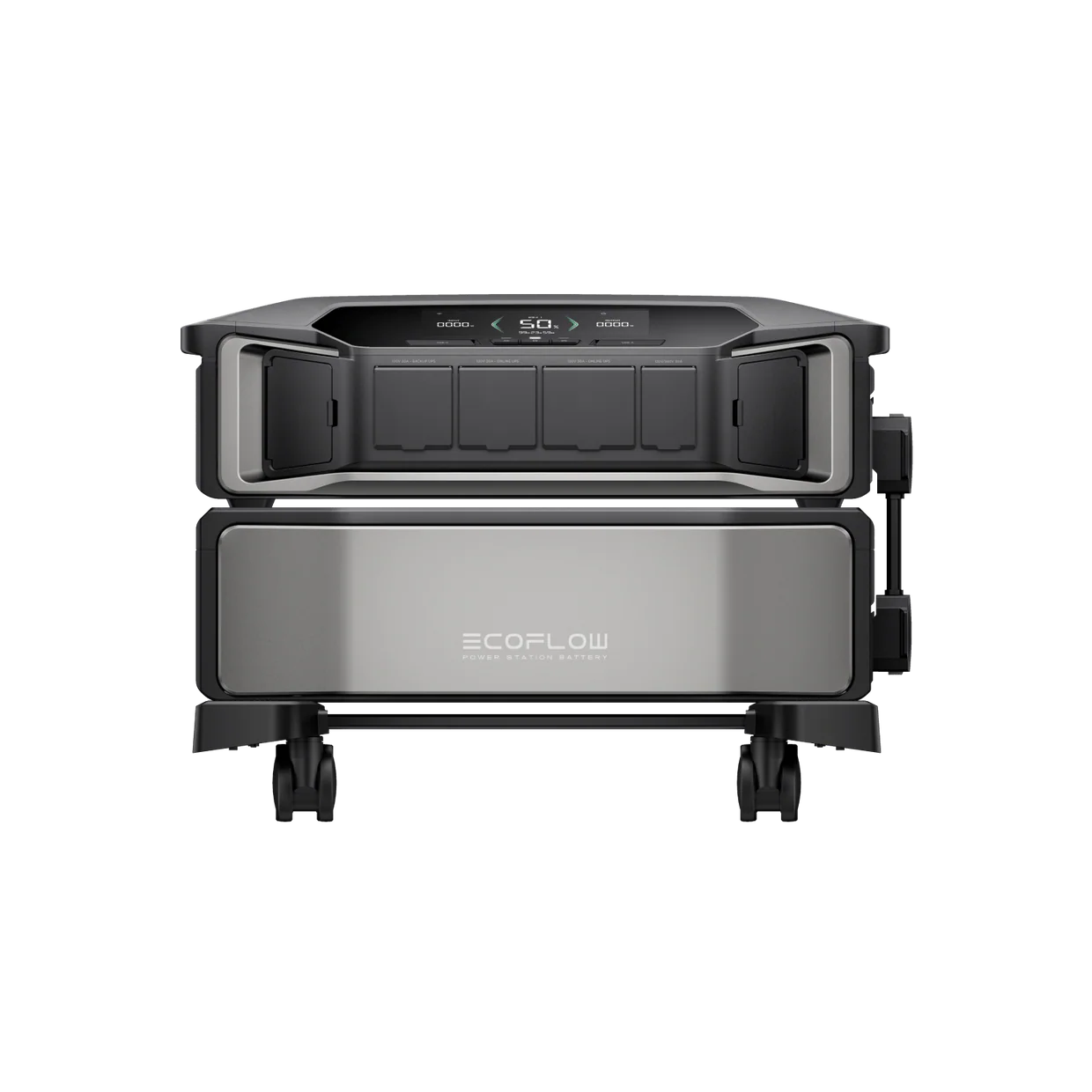
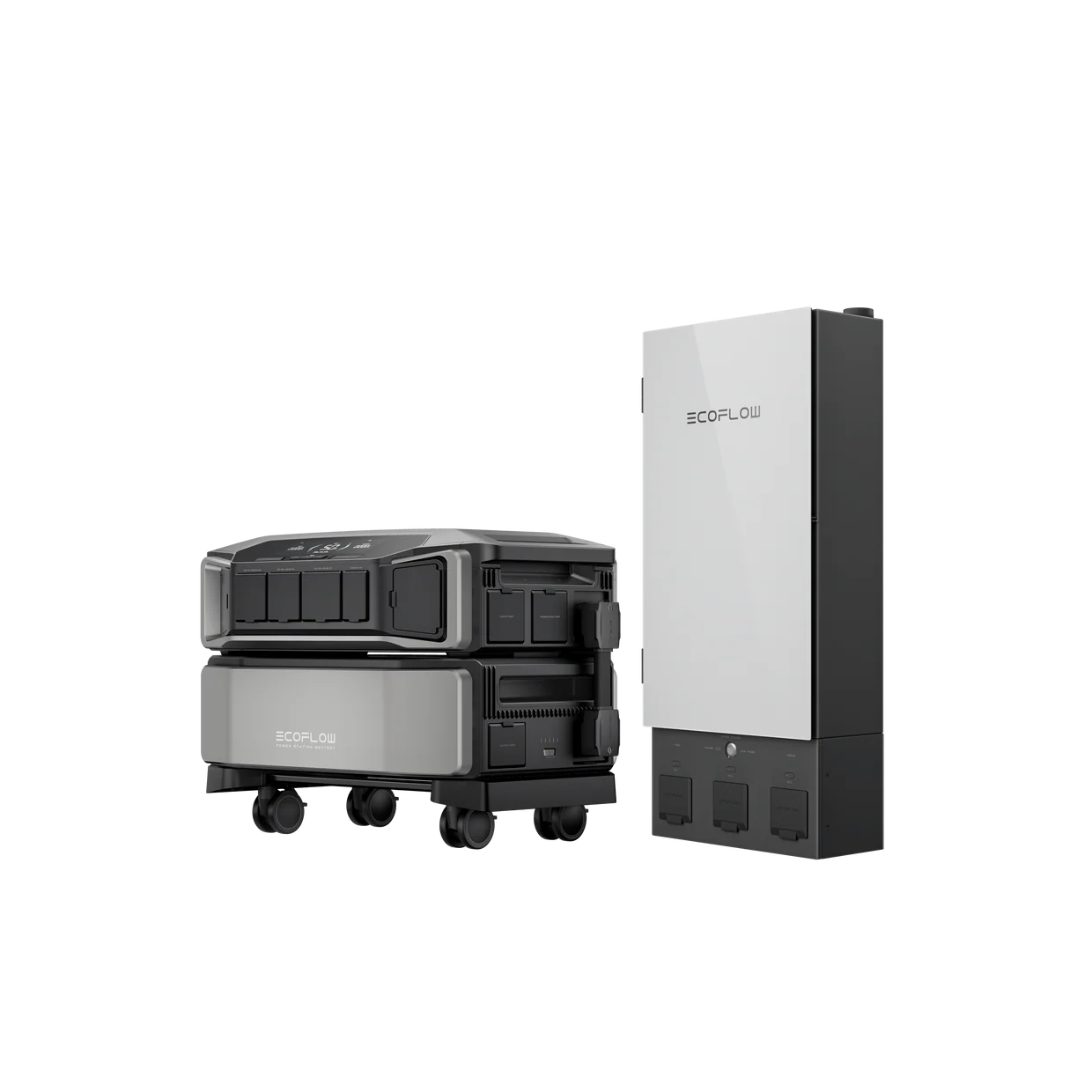
But the growing accessibility of drones is changing the game. Keep reading to learn how drones are redefining roof inspections, what data they provide, and when you should schedule an inspection. We’ll also take a look at how the EcoFlow DELTA Pro Ultra can help with charging your drone.
Why Roof and Gutter Inspections Matter
Roof and gutter inspections extend its lifespan, so you get the most out of it. Inspections point out any damage to the roof and gutter, giving you time to address issues before major damage occurs. Fixing small issues, like missing shingles or damaged flashing, delays full roof replacement, saving you money in the long-run.
How Drones Are Changing Home Inspections
Traditional roof inspections rely on an inspector climbing up a ladder to the roof and maneuvering themselves for the right photo. Often, much of the roof is inaccessible to the inspector because of the steepness, height and material. There are safety hazards to consider, the data collection is time-consuming, and captured photos have limited visibility.
Drone inspections are faster, the data quality is better, and inspectors are kept safely on the ground. Drones maneuver around roofs capturing 4k videos, thermal images, 3-D models with LiDAR equipment, and hard to reach angles all without someone needing to climb onto the roof. With a drone, a house inspection can take under half an hour, which is conveniently the flight time of many commercial drones.
What Parts of a Home Can You Inspect with a Drone?
Vents
Roof vents allow air to circulate through the attic for moisture and temperature regulation. Drones can detect broken or cracked vent caps, blocked vents, improper installation or missing parts, and loose flashing around the vents.
Chimneys
Chimneys are often in hard to reach spots and dangerous to inspect manually. During an inspection, a drone can find cracks in the masonry, damaged crowns, flashing issues, and rusted or missing chimney caps.
Shingles
Shingles become damaged from severe weather, age, and water damage. If shingle issues are unaddressed, water can leak into the attic and damage the interior of homes. Drones can quickly fly over roofs to look for missing or blown off shingles, circling or buckling shingles, storm damage, granule loss, and deterioration from age.
Downspouts and Gutters
Downspouts move water from gutters to the ground. Without either, water would accumulate near the building’s foundation. An inspection will check for loose or detached downspouts, blockages in the gutter and at the downspout connection, sagging gutters, physical damage or corrosion, and improper installation.
Solar Panels
Solar panels have become a fundamental aspect of whole-home backup battery systems. They are often mounted on the roof to save space and have exposure to sunlight. Inspection is part of regular solar panel maintenance to maximize energy efficiency. A drone can inspect cracked or damaged panels, misalignment, loose mounting brackets, and dirt build-up.
Leak Damage
A drone can spot damage leading to potential water leaks. With an attached thermal camera, it can use thermal imaging to spot moisture trapped beneath roofing materials and where it’s exactly located.
When Homeowners Should Use a Drone Inspection
After severe weather or storms when high winds, debris, hail, and fallen branches often damage the roof and gutters.
Buildings with large or complex roof systems can receive a much quicker and safer report with a drone inspection than a manual inspection.
During a home purchase or sale. Photos showing the roof provide documentation for all parties during the transaction.
Any routine maintenance inspection will benefit from a drone. It makes the inspection easier, safer, and faster.
The Benefits of Drone Inspections for Homeowners
Fast Results: A drone inspection takes an average of 10 to 30 minutes, whereas traditional inspections require up to an hour or more due to climbing and safety. The drone can automatically provide photos and videos for faster documentation and reports. Portable power stations can keep a drone and computer powered off-grid for in-field home inspections.
High Accessibility: A drone enables home inspectors to reach nooks and crannies that are normally difficult to see, so the report is less likely to miss something important.
Safer Inspections: The home inspector doesn’t have to leave the ground when the drone is in the air. Two-story or higher buildings increase the safety risk of the inspector, leading to missed data opportunities. With the drone, everyone stays safe without compromising any data.
Top Notch Images: Drone imagery is more detailed and thorough than a traditional inspection. And, detailed photographs increase transparency with homeowners. They can see exactly what’s wrong. Thermal imaging, moisture meters, and gas sensors can be added to the drone for additional data and detailed inspections.
Frequently Asked Questions
Can Homeowners Legally Fly Drones for Roof Inspections?
Yes, if the homeowners have the correct licensing. You can’t just buy a drone and fly it. In the U.S., to legally fly a drone, you must be certified by the FAA and the drone must be FAA-registered. Certification includes passing the Part 107 Exam, the FAA’s Small Unmanned Aircraft System rule exam.
Are Drone Inspections Accurate Enough for Maintenance Checks?
Drone inspections are more accurate and data-rich than traditional inspections, making them ideal for maintenance checks. They provide detailed images and videos of the entire roof, including hard to reach places that could otherwise be missed.
Drone Inspections Improve Roof and Gutter Maintenance for Homeowners
Roof inspections are a part of home maintenance. Every homeowner should conduct regular roof inspections with a professional inspector. A drone enhanced inspection is worth including for better visualization of the roof and any potential damage. Drone inspections are safer, faster, and provide data-rich reports for transparency. Your drone will need to be recharged between job sites. Rely on the EcoFlow DELTA Pro Ultra portable power station to quickly charge drones between job sites, process data, and provide reports for homeowners.
For press requests or interview opportunities, reach out to our media team
media.na@ecoflow.com