Emergency HVAC Backup: The Ultimate Stress Test for EcoFlow DELTA Pro Ultra X
- Why Emergency HVAC Backup Is a Critical Power Challenge
- What Emergency HVAC Backup Requires From a Power System
- How Power Outages Disrupt HVAC Systems and Building Operations
- Stress Testing HVAC Backup Systems Under Extreme Conditions
- How EcoFlow DELTA Pro Ultra X Handles Emergency HVAC Backup
- Building a Reliable HVAC Backup Strategy for Emergencies
- Why Scalable Backup Matters for Heating and Cooling Resilience
- Frequently Asked Questions
- Power Your Critical Climate with EcoFlow DELTA Pro Ultra X
HVAC systems make it possible to survive hot summers and stay comfortable during even the worst winter storms. But what happens when your HVAC goes offline? In extreme conditions, losing HVAC for even a few hours can pose huge safety risks.
Emergency HVAC backups maintain safe, livable conditions under pressure. Learn why HVAC backup is a must-have, the best system for the job, and how to prepare HVAC backups for your home or building.
Why Emergency HVAC Backup Is a Critical Power Challenge
Cooling is one of the biggest energy demands on your home. When the grid goes down, HVAC is the first major comfort system to go offline. But restarting it in an emergency is far from straightforward. Unlike lights or small appliances, central air conditioners and heat pumps need a high starting wattage and sustained output, making them a true stress test for your backup power.
To make matters worse, power outages are becoming longer and more common. Extreme weather, increasing energy demand, and an aging grid have increased the severity of outages. In some areas, storm damage and extreme weather leave people without energy for weeks.
Under these conditions, proactive planning isn’t optional. If you’re preparing for longer outages, it’s essential to understand how different systems perform under sustained loads and real-world conditions. Being prepared with a backup solution like the EcoFlow DELTA Pro Ultra X ensures you’re not scrambling when temperatures spike.
What Emergency HVAC Backup Requires From a Power System
Unfortunately, bringing your HVAC back online during an outage isn’t as simple as plugging it into a battery. You need to properly size your backups based on the HVAC’s startup surge and continuous running wattage.
Many central HVAC systems need between 3,000 and 5,000 watts during operation, but startup surges are much higher. The only way to size a system correctly is to evaluate your exact equipment’s electrical requirements, down to the model and configuration.
But if you’re aiming for whole-home protection, you’re not just powering heating or cooling. You also need power for refrigeration, lighting, and everything in between. Calculate your appliance wattage and energy usage to understand exactly how much energy you need before shopping for an HVAC backup that can power your entire home.
How Power Outages Disrupt HVAC Systems and Building Operations
HVAC might seem like a luxury, but it really isn’t. It has so many effects on the people and property inside a building, including:
Overheating risk: Indoor temperatures can spike in a few hours during extreme weather. This isn’t just discomfort; it’s a safety issue. That’s especially true for vulnerable family members and pets.
No airflow: Without active airflow, humidity levels can rise, increasing the likelihood of mold growth. The HVAC stops filtering dust and allergens, leading to contaminated indoor air.
Damaged devices: People in a building need HVAC to stay safe, but inadequate temperature control can also damage the devices and appliances inside. For example, sensitive electronics risk overheating, especially during prolonged outages.
Stress Testing HVAC Backup Systems Under Extreme Conditions
Installing an HVAC backup system is the best way to get ahead of unplanned outages. However, you do need to stress-test your system before relying on it. A backup system that performs well during light testing might struggle to keep up with a surge in demand, or runtime lasting days instead of hours.
Conduct a stress test to evaluate:
Startup surges: Can the system absorb compressor inrush currents without tripping?
Sustained output: Can it maintain stable wattage for extended runtime, and not just short bursts?
Load prioritization: Does it manage multiple circuits without overload?
Scalability: Can its capacity expand if demand increases?
It’s also critical to consider real-world overlap, since HVAC doesn’t operate in isolation. Test the system with refrigeration, lights, sump pumps, and other essentials to ensure you can meet household demand.
How EcoFlow DELTA Pro Ultra X Handles Emergency HVAC Backup
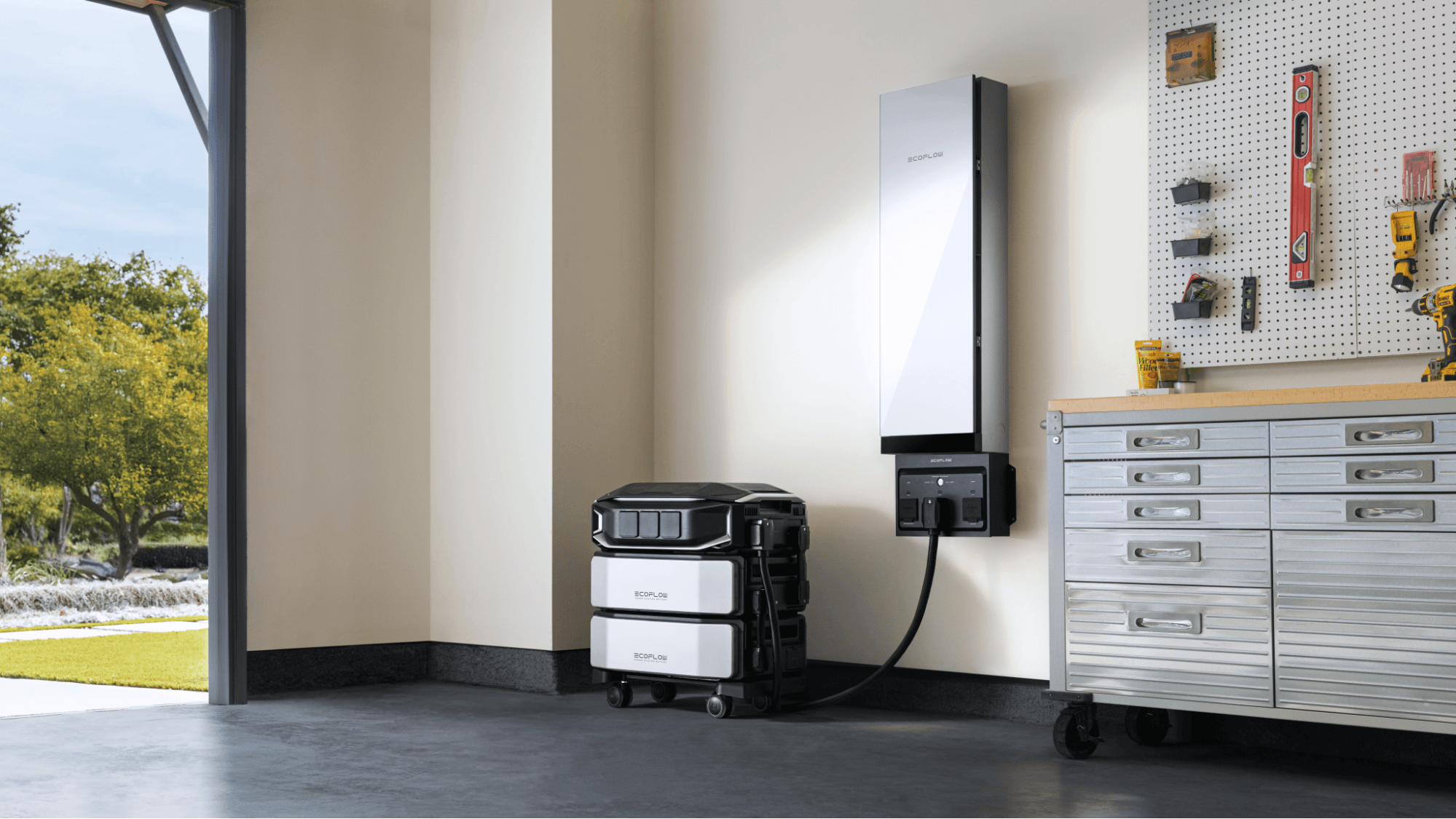
The EcoFlow DELTA Pro Ultra X is engineered specifically for high-demand use cases like HVAC backup power. Designed as a 100% whole-home power station, it delivers 12–36kW of output and scales from 12kWh to 180kWh of capacity, which is enough to support an entire household.
Unlike traditional standby generators that can require up to 90 days for permitting and installation, the EcoFlow DELTA Pro Ultra X can move from permit issuance to on-site installation in as little as seven days. That speed matters, especially if outages are common in your area.
Performance is just as important. A 20ms automatic switchover keeps HVAC systems and other essential circuits running without interruption. With 32 smart circuits and an Adaptive Start algorithm that identifies connected devices and tailors startup sequencing, EcoFlow DELTA Pro Ultra X can even manage demanding systems like a 5-ton AC unit without tripping breakers.

Building a Reliable HVAC Backup Strategy for Emergencies
Installing the right backup system will get you far, but you still need a strategy for managing HVAC emergencies. Follow these tips to make a proactive plan for unexpected HVAC outages:
Look at risk: Determine what losing HVAC would mean for your household. In extreme heat or cold, even short outages can become dangerous. If you have multiple units, consider prioritizing one zone (e.g., downstairs in winter, since heat rises) to reduce load while maintaining safe conditions.
Keep up with maintenance schedules: The last thing you need during a power outage is for the HVAC to break down. Maintain your HVAC to reduce the odds of preventable issues. Replace filters regularly, clean condenser units, inspect thermostats, and schedule seasonal servicing.
Layer in redundancies: Even with whole-home backup, secondary options like window AC units are a smart add-on if your central system fails for any reason.
Test your backups: Emergencies aren’t the time to test backup systems. Run your backup setup at least once per season to confirm it’s still working like it should. If it isn’t, prioritize fixes ASAP so you’re always prepared for emergencies.
Why Scalable Backup Matters for Heating and Cooling Resilience
Scalability is surprisingly important to HVAC backups. That’s because HVAC demand doesn’t stay the same over time. It changes with the season, the weather, and how many appliances you need to run. After all, a mild spring outage is very different from a triple-digit heatwave or a deep freeze.
You need a scalable system that can expand to match real-world conditions. For example, the EcoFlow DELTA Pro Ultra X is expandable with a simple plug-and-play installation—no need to even call an electrician. You can easily scale up the system to address all of your household’s energy needs, which future-proofs your setup against unpredictable outages.
Frequently Asked Questions
Can a Portable Power Station Run Central Air?
It can with proper sizing. The challenge is that central air needs as much as 5,000 watts to run, plus startup surges. Small, portable power stations can’t usually handle a sustained load like that. The best option is a high-output, whole-home system that can account for surge capacity.
How Long Can HVAC Run on Emergency Heat?
Emergency heat comes from either electric resistance or backup heat strips. They work, but they draw much more power than a standard heat pump does. Emergency heat can last several hours, so it could be helpful during a short outage. But you’ll still need a different backup option for a more extended outage.
When To Use Emergency Heat on HVAC System?
Emergency heat places a greater demand on your system, so use it sparingly. You can use emergency heat when the primary heat pump isn’t working, like during extreme cold. You shouldn’t use it for everyday operation because it’s not efficient and can strain the unit over time.
Power Your Critical Climate with EcoFlow DELTA Pro Ultra X
Heating and cooling systems keep you safe and healthy. However, these power-hungry systems put a lot of strain on traditional backup options, so you need to size the system carefully. The right system will not only keep the lights on but also maintain livable conditions during extreme temperatures.
A resilient backup makes all the difference. See how the EcoFlow DELTA Pro Ultra X expands to meet demand both now and in the future.
For press requests or interview opportunities, reach out to our media team
media.na@ecoflow.com