DIY Water Kiosks: The Localized Water Refill Movement
Everyone carries a reusable bottle around these days to reduce plastic waste and meet hydration goals. When your cup runs out, you’ve got to find a safe place to refill it. But, while away from home, it’s not always easy to find free, clean drinking water.
Small businesses, organizations, and community groups have the answer:
DIY refill stations.
Keep reading to learn more about DIY water kiosks, why they’re popping up everywhere, the benefits, and how to get started building your own.
What Are DIY Water Kiosks, and How Do They Work?
A DIY water kiosk is like a regular kiosk, except it’s smaller and self-constructed.
They’re normally built with simpler components than commercial kiosks, and they offer a sustainable, affordable way to provide clean drinking water to a community.
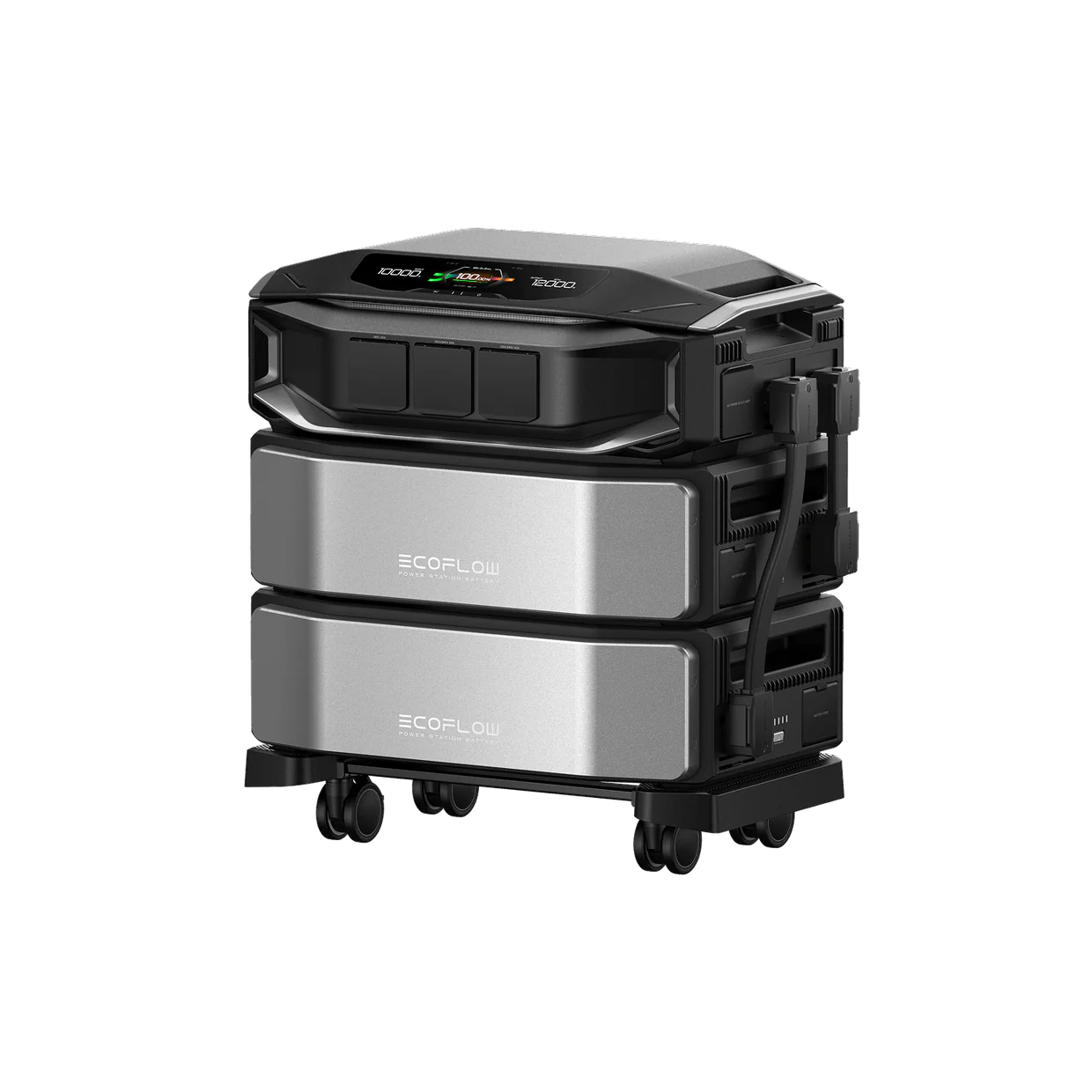
Most DIY kiosks start with water entering the kiosk, passing through a filtration system, and then dispensing into a refillable container. Alongside producing your own water, you can power your home independently with a portable power station, like the EcoFlow DELTA Pro Ultra X, for increased independence from the grid.
Why the Water Refill Movement Is Growing
The growth of DIY kiosks is a result of the paradigm shift and perception around water access. Small-scale, community-managed, decentralized kiosks provide an alternative to tap and expensive plastic bottles.
In larger cities, municipal options are not always purified to the level they should be. DIY stations can be outfitted with better purification systems, resulting in lower levels of forever chemicals and heavy metals.
This cleaner alternative is cheaper than name-brand bottles, too. DIY kiosks can still charge a small fee for refilling a bottle for a small profit, while still being more affordable.
Across the country, a shift towards a sustainable lifestyle has everyone carrying refillable bottles. Everyone wants to reduce plastic waste, but refillable bottles require potable water access in public.
The Benefits of Localized Water Refill Systems
Potable water access in public places — Localized refill systems provide everyone nearby access to clean drinking water, which is key to building up communities and neighbourhoods.
Reduced plastic waste — A popular kiosk can replace thousands of single-use plastic bottles a year, in turn reducing plastic waste in landfills.
Increased traffic — If you own a business with a DIY kiosk, you’ll notice an uptick in customer traffic. Since a reusable bottle needs to be refilled daily, you’ll attract new regular customers and increase sales.
Personalization — For businesses near a busy public place like a high-footfall street, neighborhood, or park, DIY-ing a kiosk lets you place your own branding and personalization onto it.
Where DIY Water Kiosks Are Appearing
Kiosks are appearing everywhere, but DIY kiosks are showing up in unique spaces.
They’re targeted for locations where the community needs them most, such as:
Local cafes
Small businesses
Neighbourhood parks
Convenience stores
Churches
Non-profits and community projects
Farmers markets
Coffee shops
Private properties, like churches
What Equipment Is Needed for a DIY Water Kiosk?
Building a DIY kiosk is straightforward – there are only a handful of components needed to get yours up and going.
Purification System
A purification system cleans the water before people drink it. Even if you’re using city water, filtering it improves the taste and further removes contaminants.
There are several types to pick from, such as:
A reverse osmosis system
A sediment filter
Many kiosks use two filter systems. A sediment filter paired with a carbon filter is the most common combination.
Plumbing
This connects the kiosk to the main water source, which could be municipal, a storage tank, or a well.
The specific plumbing parts needed include:
Liquid supply line
Shut-off valve
Pressure regulator
Backflow preventer
Pump system for a storage tank
Dispensing faucet.
Some of the pumping parts come in pre-built kits designed for refill stations.
Dispenser
The dispenser is the part people interact with most – it’s where the water comes out of.
You can choose from a manual faucet, push-button, sensor-activated, or metered/payment-controlled. Some are more expensive than others, but you can always upgrade the dispenser later.
Kiosk
The kiosk structure is where creativity and your personal touch come into play. You’ll need a booth or cabinet to house the system in and protect it from the weather.
The space should have enough room for all the components and be accessible for repairs.
Electricity
Add in electrical wiring for the pumping system, lighting, and signage, but you’ll need a power source.
Use a portable power station so the kiosk placement isn’t limited to an electrical outlet location.
Also, look for backup battery systems with more than enough power to keep the kiosk running, or consider adding solar panels for easy electrical generation.
Accessibility Features
The spirit of the DIY kiosk is accessible water. It’s smart to add features that make the kiosk easier and safer for everyone to reach.
Make the bottle filling height appropriate for wheelchair users. Hands-free or push-button dispensing is easy to use. Non-slip mats near the dispenser will protect everyone from wet floors, too.

Frequently Asked Questions
Are Water Refill Kiosks Safe to Use?
Water refill kiosks are indeed safe to use. These kiosks provide clean, filtered water to refill bottles or jugs.
Watch out for kiosks with dirty containers, irregular maintenance, or that look unclean to avoid contamination. Don’t let your bottle touch the dispensing nozzle when refilling.
Do Water Kiosks Require Permits or Inspections?
Yes, a water kiosk – even a DIY kiosk – will require a permit or inspection.
The exact requirements depend on your location, whether the kiosk charges per refill, and the source. You might not need a permit if it’s on private property or a temporary installation.
Final Thoughts
DIY water kiosks are helping neighborhoods access clean, low-cost drinking water.
With simple filtration, plumbing, and dispensing systems, business owners and community groups can create refill stations that make it easier for people to stay hydrated without single-use plastics. For businesses and organizations, installing a kiosk is a way to serve the community while increasing visibility.
Get started with your kiosk today. The EcoFlow DELTA Pro Ultra X provides necessary appliances and lights with reliable electricity, for total water and energy independence.
For press requests or interview opportunities, reach out to our media team
media.na@ecoflow.com