PSE Power Outage Map: How to Check Puget Sound Energy Outages and Prepare Your Home
- What is PSE and Why It Matters?
- How to Use the PSE Power Outage Map to Check Current Outages
- How to Understand Outage Status Updates and Restoration Times
- How to Report a Puget Sound Energy Power Outage
- Common Causes of PSE Power Outages in Washington
- How to Prepare Your Home Before the Next Power Outage
- Backup Power Options for Extended Outages
- Stay Powered During Unexpected Outages
When an outage happens, you’re left in the dark, physically and figuratively. What caused the outage? How widespread is it? When will the power be restored? Fortunately, Puget Sound Energy (PSE) provides real-time outage updates through its online map and mobile tools.
Keep reading to learn how to use the PSE outage map, understand status updates, report outages, and prepare your home for future disruptions.
What is PSE and Why It Matters?
Puget Sound Energy (PSE) is one of Washington State’s largest utility companies, servicing 1.26 million customers and providing natural gas to nearly 1 million customers.
PSE is responsible for maintaining, restoring, and communicating during outages. It’s the main point of information and response for keeping electricity flowing in your area.
If you experience an outage, it’s important to know how to report the outage and check for status updates through PSE.
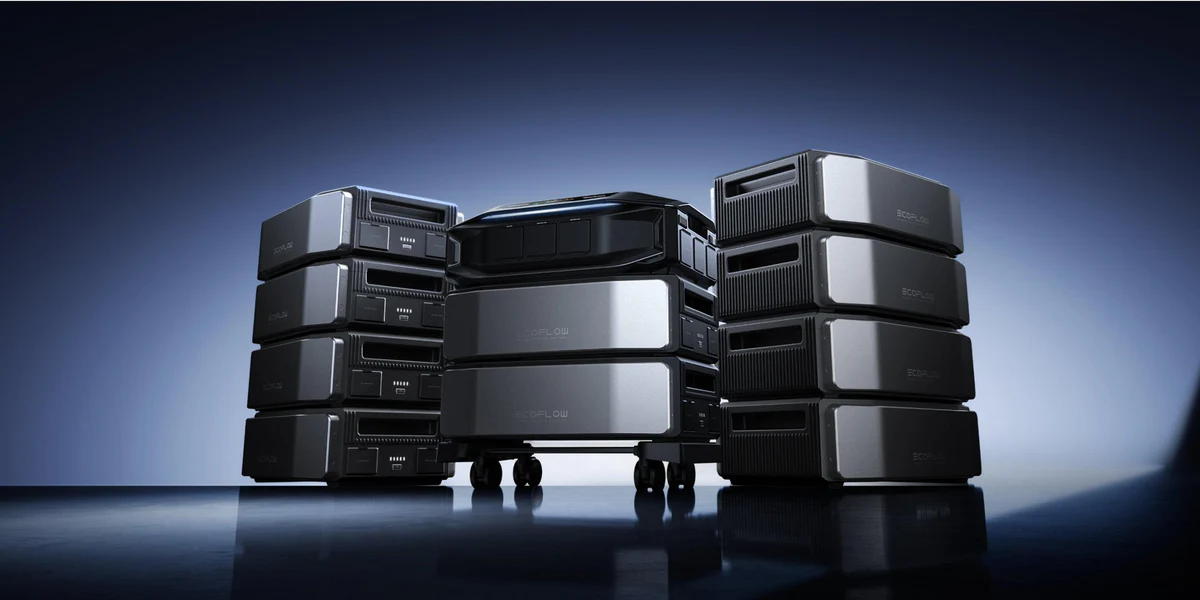
However, even with reliable updates and response efforts from PSE, power blackouts can still sometimes last for hours or longer, depending on the cause. Many homeowners prepare in advance with backup power solutions like the EcoFlow DELTA Pro Ultra X, which can help keep essential appliances and systems running until grid power is restored.
How to Use the PSE Power Outage Map to Check Current Outages
1. Open the Official Outage Map
From your phone or desktop, go to the official outage map from Puget Sound Energy.
Use the free mobile app on Apple or Google Play as well.
2. Enter Your Location
Use the search bar to type in your address, city, or ZIP code.
For easier use, enable location sharing, and the map will automatically center on your location.
3. Zoom In
Once your general location loads, zoom in on your street for a closer view. You’ll be able to view smaller outage clusters that aren’t visible when zoomed out.
4. Click on an Outage Area
When you select a colored area, you’ll see detailed information on:
Number of customers affected
Status of repair crews
Occasionally, estimated restoration times
The colors on the map have meaning, too:
Orange areas are for smaller outages
Red areas are for larger ones
5. Refresh
Outage information updates frequently. Keep refreshing the page or revisit the map to see the latest status and restoration times.
Note: Map colors and symbols may change over time. Always refer to PSE for the most accurate information.
How to Understand Outage Status Updates and Restoration Times
The PSE Outage Map uses colored areas to help customers understand what’s going on. When you click on a colored area, the panel shows:
Current status of the outage: Including whether it’s just been reported, if a crew has been assigned, if repairs are ongoing, and if it’s already been restored
The number of customers affected
Estimated Time of Restoration (ETR): Gives a rough estimate of when power might return, but it can change as crews respond and assess the situation.
How to Report a Puget Sound Energy Power Outage
Navigate to the PSE Outage Map on a desktop or phone.
At the bottom of the map, select “Report an Outage”. You can choose between submitting an online form or calling PSE at 1-888-225-5773.
Once there, describe when the outage started, any flickering, damage seen, and any downed line.
After submission, wait 15–30 minutes for your report to appear on the outage map.
Check the status later by clicking on your address.
If you have an outage, don’t assume others will report. Don’t wait, make the report.
Common Causes of PSE Power Outages in Washington
Power outages in Washington State are most commonly caused by significant weather events.
Region-wide outages typically happen during severe weather in the fall and winter. Strong windstorms and heavy snow can knock down trees and power lines across the region.
If it’s not the weather, the likely cause is flooding, wildfires, or an earthquake. During wildfires, PSE proactively turns off power in high-risk wildfire zones, called Public Safety Power Shutoff (PSPS). Outages from PSPS are labeled on the map.
Smaller, local outages are usually caused by a downed power line from trees falling, a car accident, or bad electrical equipment.
How to Prepare Your Home Before the Next Power Outage
You never know exactly when a power outage will happen, unless it’s a planned outage for maintenance, but you can ensure your home is prepared for when it does happen.
Start with a 3-day emergency kit that includes:
Water
Non-perishable food
First-aid kit
A multi-purpose tool
If you know severe weather is on the way, add additional resources.
To prep for longer outages, consider a reliable home backup power solution.
Backup Power Options for Extended Outages
There are several backup power options, but the most common are portable gas generators and battery power stations.
Gas generators work but require manual setup outside due to carbon monoxide emissions.
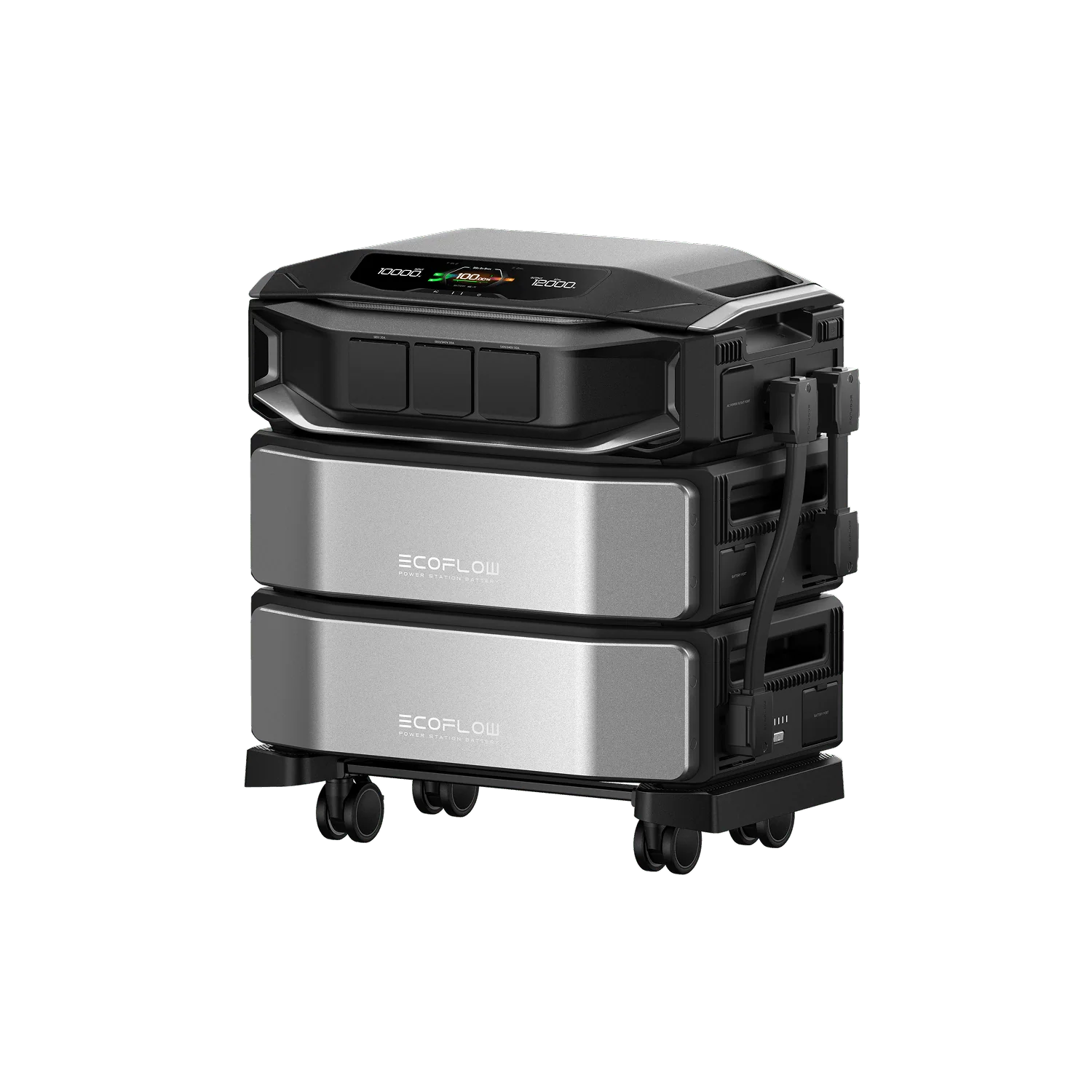
Battery backup systems are a quieter and safer alternative. They can be integrated into the home’s electrical panel for seamless power transition when an outage happens, or operate as a standalone unit.
The EcoFlow DELTA Pro Ultra X is a modular whole-home backup system designed for flexibility and scalability up to 180kWh capacity. It allows you to expand storage capacity based on your needs and can integrate with your home’s electrical system for seamless backup power.
Because it stores energy rather than generating it directly, it can be charged from the grid or paired with solar panels for renewable energy use.
Stay Powered During Unexpected Outages
If you live in Washington State, PSE is likely your electricity provider, and its Outage Map is your primary resource for monitoring outages.
Refresh the website or app regularly for the latest updates. If you experience an outage that hasn’t been reported, click on the link to report it at the bottom of the map.
Most importantly, prepare your home ahead of time. With a well-stocked emergency kit and a dependable backup solution like EcoFlow’s home backup systems, you can reduce disruption and maintain essential power when outages occur.
For press requests or interview opportunities, reach out to our media team
media.na@ecoflow.com