Average Electric Bill in California 2026: High Rates, NEM 3.0, and What Solar Really Saves You
- Why California Electric Bills Are So High in 2026
- How Time-of-Use Pricing and Peak Hours Inflate Your Bill
- What NEM 3.0 Means for Solar Savings in California
- What Solar Plus Battery Can Realistically Save in 2026
- How to Decide If Solar, Battery Storage, or Both Fit Your Home
- Frequently Asked Questions
- Reduce Your Bill and Get More Control Over Your Power in 2026
California has some of the highest electricity rates in America, and they’re not going down anytime soon. Traditionally, home solar energy production has been useful to lower electric bills. Now, the updated policy framework, NEM 3.0, is causing homeowners to rethink whether solar panels alone are still the best investment.
Keep reading to learn why electricity bills are high in this state, what impacts the final bill total, and why battery storage and self-consumption now play a much larger role in maximizing solar savings.
Why California Electric Bills Are So High in 2026
Electric bills are shaped by rates + fixed charges in a specific utility territory. The per-kWh rate is the price paid per unit of electricity used and makes up most of the utility bill.
Per-kWh rates have been on the rise in recent years from companies’ fire-proofing and rebuilding grid infrastructure from wildfires and keeping up with California’s clean-energy transition. These costs are passed down to customers.
You can decrease your grid electricity dependence to decrease the overall bill, but there are still fixed charges. There are fees to be connected to the grid, which has also increased.
Where you live in the state also matters. Different utility territories charge different rates based on infrastructure upgrade costs, wildfire exposure, and the number of customers.
How Time-of-Use Pricing and Peak Hours Inflate Your Bill
Time-of-use pricing means electricity rates are higher depending on the time of day and can sneakily inflate your bill. In California, electricity is most expensive from 4 p.m. to 9 p.m., the peak period. This time is when people come home from work, and energy demands spike.
Simultaneously, solar energy production begins to decline because the sun starts to set. Utility companies must supply electricity from other sources like natural gas or imported electricity, further increasing rates. It’s cheaper to use electricity during off-peak hours.
What NEM 3.0 Means for Solar Savings in California
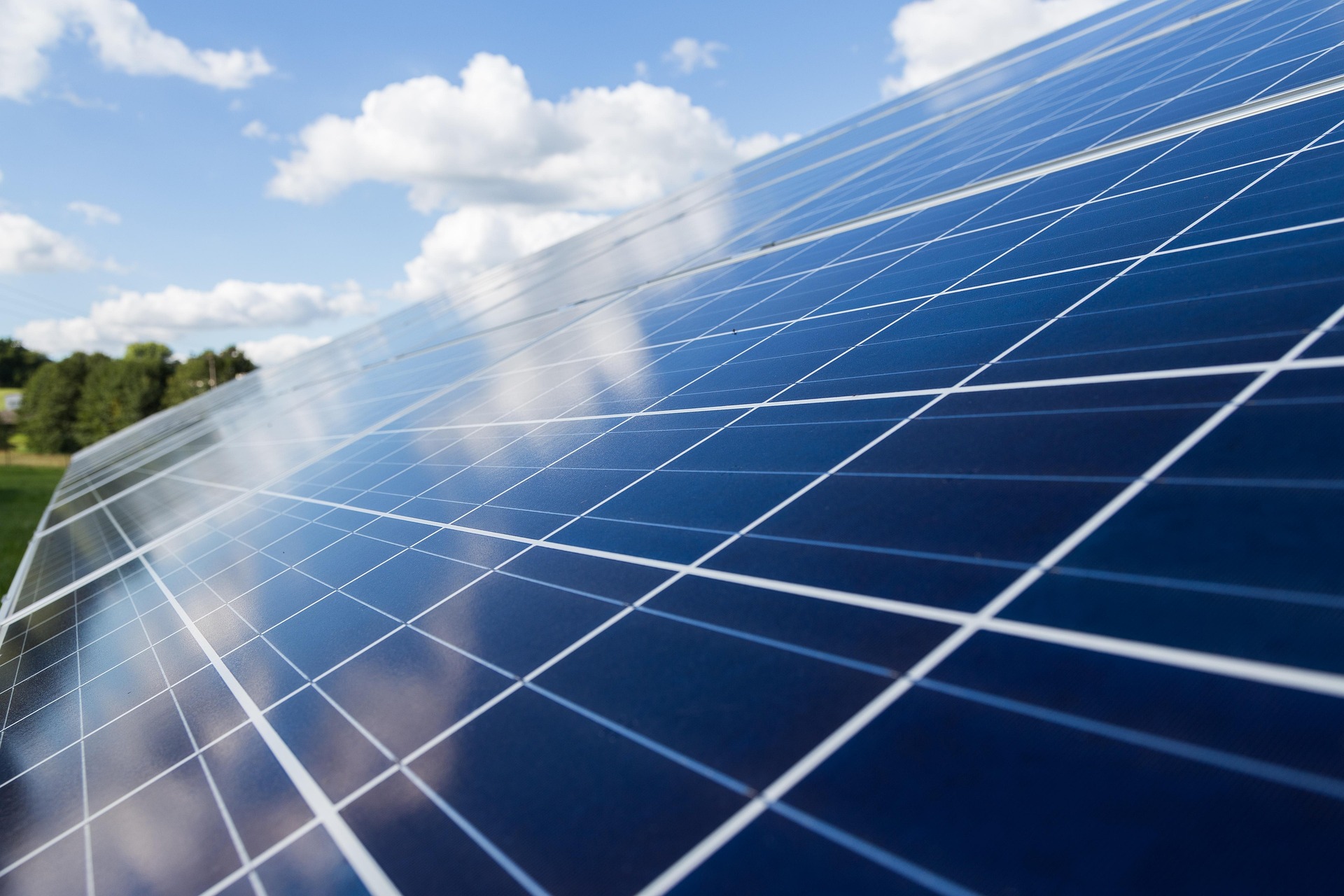
Under NEM 1.0 and 2.0, homeowners with solar panels could send excess solar generated electricity back to the grid and receive utility credits close to the electricity rate.
Under NEM 3.0, export compensation is significantly reduced. Utility companies have their own solar panels to produce more than enough solar energy, meaning they no longer need to rely on homeowners with panels to feed into the grid.
This means homeowners with oversized solar systems have little economical benefit in solar export. Economic savings now come from maximized self-consumption during the day and during peak hours.
What Solar Plus Battery Can Realistically Save in 2026
Solar alone is no longer optional for California homeowners. With NEM 3.0, panels plus batteries are essential to achieve ROI. Instead of exporting excess solar into the grid, it should be stored into batteries for use during peak hours for peak shaving. Meaning, the battery reduces reliance on expensive time-of-use rates.
Solar plus storage systems also provide outage resilience by powering essential home electronics during blackouts and wild-fire shutoffs.
Batteries don’t eliminate utility bills entirely. You’ll still have fixed charges and electricity purchases when solar production is low.
How to Decide If Solar, Battery Storage, or Both Fit Your Home
Before purchasing or upgrading solar systems, review at least 12 months of utility bills. Look for annual electricity use, time-of-use pricing, and seasonal trends. Separate fixed charges from variable energy charges. Baseline fees from grid connection cannot be lowered, but high utility rates for electricity use can be reduced.
Solar only systems are best for houses with a large portion of electricity use occurring during the day. Work-from-home offices, EV charging, and air conditioning use can be powered through solar.
If households use more electricity during the evening, then battery storage alone could be sufficient. Batteries charge during the day from cheaper rated electricity and discharge that electricity in the evening, reducing reliance on expensive peak hour rates.
Panels plus batteries combine the benefits of solar energy during the day and in the evening, benefiting households all day.
Frequently Asked Questions
What is the average electric bill in California in 2026?
The average electricity bill in California is roughly $308 per month. Electricity rates in California are nearly $0.34 per kWh, a little over 70% higher than the national average. Utility bills are expected to stay high because of infrastructure upgrades, and wildfire rebuilding with prevention measures.
How much does NEM 3.0 reduce solar export credits?
Under NEM 2.0, expert compensation was 30 cents per kWh. With NEM 3.0, solar export credits have been reduced nearly 75% percent, to 5-8 cents per kWh. The new net billing pricing severely reduces the economic benefits of homeowners with oversized solar systems without battery storage.
Is solar still worth it in California without a battery?
Solar without battery storage can still be worth it with the right circumstances. Homeowners with high daytime electricity needs, like running a home office or charging EVs can offset a large portion of their energy needs with solar. If most of a home’s energy needs are during evening peak hours, then batteries are essential.
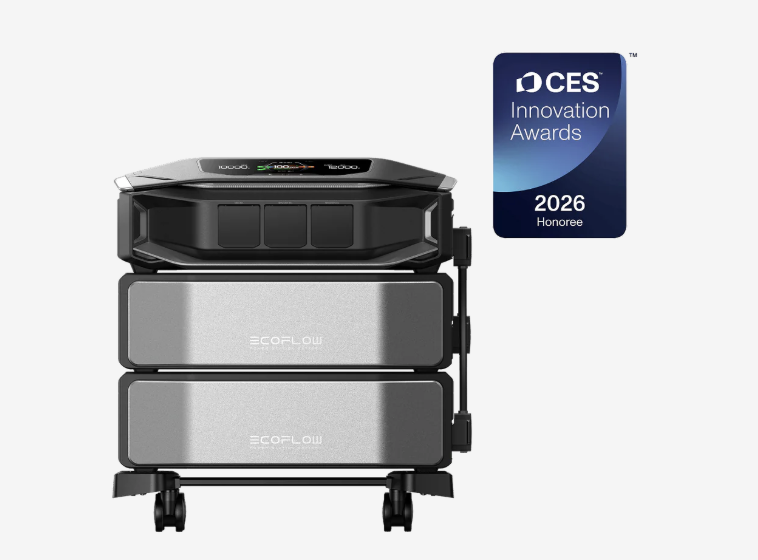
How can EcoFlow DELTA Pro Ultra X Whole-Home Backup Power help reduce peak-hour grid usage?
The EcoFlow DELTA Pro Ultra X Whole-Home Backup Power can help reduce peak-hour grid dependence by storing electricity when energy is cheaper and then supplying that stored power to the home during California’s expensive time-of-use pricing. This is called peak shaving, and it’s one of the best ways battery storage saves homeowners money.
Reduce Your Bill and Get More Control Over Your Power in 2026
California’s energy landscape is changing rapidly. Homeowners now have to think about when they use electricity, not just how much. Rising utility rates, time-of-use pricing, and the transition to NEM 3.0 have changed how solar savings work across the state. It’s no longer exporting produced solar to save on utility bills, homeowners have to design a system around actual energy habits and peak-hour usage to see utility bill savings.
Take control of your home’s energy and maximize self-consumption capabilities with the EcoFlow DELTA Pro Ultra X Whole-Home Backup Power battery system.
For press requests or interview opportunities, reach out to our media team
media.na@ecoflow.com