Pros and Cons of Solar Energy: An Honest 2026 Breakdown for Homeowners
- Solar Energy Basics: How Home Systems Make Power
- The Biggest Benefits of Going Solar in 2026
- The Real Downsides Homeowners Need to Plan For
- Solar Plus Battery Storage: When It’s Worth It for Reliability
- How to Decide If Solar Is Right for Your Home
- Frequently Asked Questions
- Make Solar a Smarter Upgrade With Backup-Ready Planning
Solar adoption has been accelerating as homeowners weigh the long-term savings against the upfront costs and realize the many benefits available when making the switch.
Solar power systems work well for many homes, but they're not one-size-fits-all. You'll need to factor in your roof condition, home location, usage habits, and whether battery backup is truly needed.
Here's a breakdown of how solar works, what it can deliver, and where it falls short, so you can think through what's most important before investing.
Solar Energy Basics: How Home Systems Make Power
Panels are made up of photovoltaic (PV) cells, which absorb sunlight and generate direct current electricity. Then, an inverter converts that DC energy into alternating current energy for home appliances and circuits to use.
During peak sunlight hours, most systems generate more energy than the home consumes, and that surplus can either flow into battery storage or be sent back to the grid through a net metering program. Net metering policies in many US states provide homeowners with credits for the excess electricity exported to the grid.
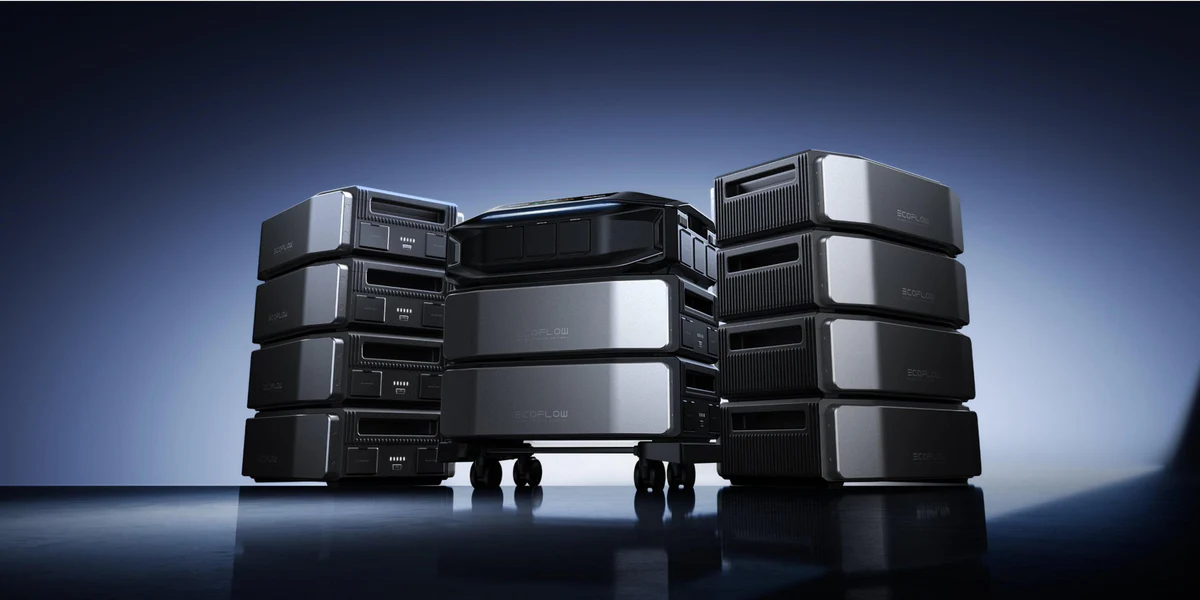
A grid-tied system that doesn't have battery storage still depends on the grid at night or during low production periods for extra power. But a whole-home solution like the EcoFlow DELTA Pro Ultra X adds valuable storage to change that dynamic.
The Biggest Benefits of Going Solar in 2026
The biggest solar energy advantages include lower utility bills, clean renewable energy, and a potential increase in your home value when your system is designed well.
The average US homeowner with a system installed can save between $37,000 and $154,000 over 25 years of use, depending on the system size, your local rates, and personal usage. The amount you offset in year one depends on system size, shading, and your local utility rates.
For those who are environmentally minded, adding solar is a great way to lower your carbon footprint. The carbon output is near zero when operating, offsetting grid electricity and reducing your dependence on fossil fuels.
If you're worried about investing in a system when you have plans to sell your home in the future, know that it can actually be an asset. Lawrence Berkeley National Laboratory research found that solar systems can add approximately $4 per installed watt to your home's resale value, or about $15,000 for a typical system.
Solar energy is also accessible regardless of your geography. Rural homes, properties on well water, and off-grid adjacent setups can all use panel systems paired with a whole-home generator to replace standard grid power when it's unavailable in your location.
The Real Downsides Homeowners Need to Plan For
Of course, there are both home solar pros and cons for homeowners.
The federal residential tax credit for solar expired at the end of 2025, so most homeowners now have to pay full upfront costs. There are still other options, like loans and leases or PPA arrangements that lower the barrier of entry, but reduce long-term savings. These systems also don't add resale value to the home.
Energy production can vary depending on the season, cloud cover, and climate. If you live in a frequently overcast region, you'll generate considerably less than sunny areas. Your roof matters too. A south-facing roof at a 15–40º pitch produces the most energy, while east-west orientations still work but generate less.
Panels also degrade at about 0.75% per year. So a 25-year-old system will usually operate at 80–85% of its original capacity.
Solar Plus Battery Storage: When It’s Worth It for Reliability
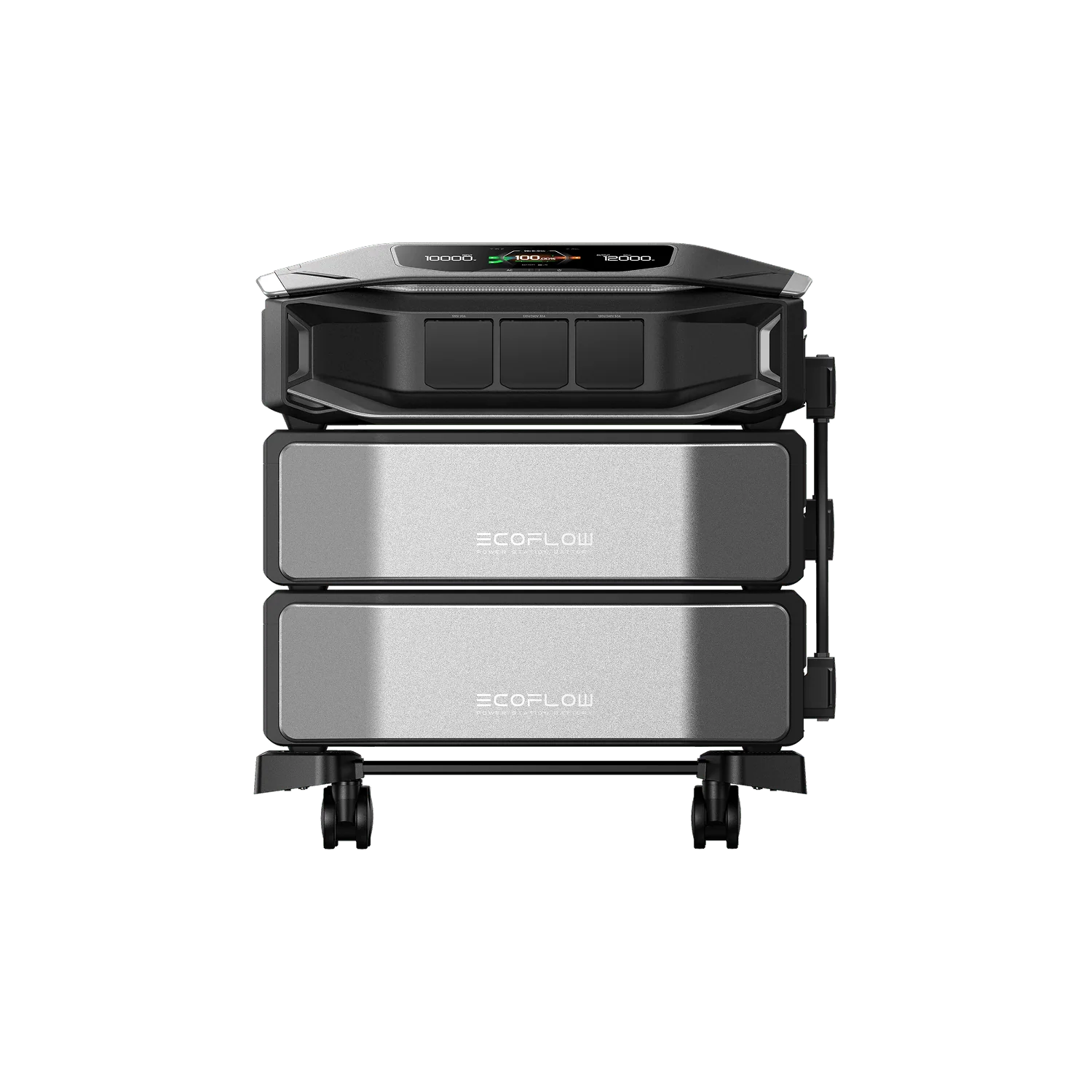
Panels plus battery storage systems, like the EcoFlow DELTA Pro Ultra X Whole-Home Backup Power, make the most sense when you don’t want to be impacted by outages.
Grid-tied systems are required by law to shut down during grid outages to prevent back-fed live lines from endangering utility workers. Disconnecting from the grid and connecting instead to your own island-capable battery storage allows you to stay up and running, even when everyone else is down.
Whether storage makes financial sense depends on your circumstances, too. If you live in an area that experiences outages frequently, the reliability value alone can justify the addition to your home.
Storage also makes a strong case in states with time-of-use (TOU) rate structures, where grid electricity costs significantly more during peak hours. Instead of drawing power from the grid when rates are at their highest, you’ll draw from stored solar energy instead, reducing both your bill and your exposure to rate volatility.
How to Decide If Solar Is Right for Your Home
Here’s how to determine if solar makes sense for your home:
Roof condition: Will your roof need replacement within a few years? This makes solar more expensive because disassembly and reinstallation are required.
Roof positioning: Is your roof unshaded and south-facing? This ensures you’ll get the most out of a solar system.
Utility bill sizing: Check to see if your system will fully offset your bill.
Energy rates: You’ll recover the cost of solar faster if you live in a high-rate state.
Home size: Solar on a tiny home is a different consideration; smaller roofs and lower consumption will change the sizing math.
Frequently Asked Questions
How Much Can Solar Reduce a Typical Monthly Electric Bill?
The amount that solar can reduce your monthly electric bill depends on your system size, local rates, and usage. Most can offset 50–100% of their bill when sized correctly, but homes in high-rate states typically see larger dollar reductions.
How Long Do Solar Panels and Home Batteries Usually Last?
Panels come with 25-year performance warranties as the industry standard, but most continue producing energy well beyond that, just at a reduced output. Home battery lithium-based systems are generally warrantied for 10 years with cycle count limits.
Do You Need a Battery to Have Power During a Grid Outage?
If your solar system is tied to the grid, it will automatically shut off when the grid fails, which is a legal requirement in the US. By disconnecting your system from the grid and instead tying it to island mode battery storage, you can still maintain power during blackouts.
Is It Better to Buy Solar Outright or Choose a Lease or PPA?
Ownership delivers higher long-term savings and adds to the resale value of your house. A lease or PPA lowers your upfront costs, but does not provide a home value benefit and creates potential complications at resale.
Make Solar a Smarter Upgrade With Backup-Ready Planning
Solar on its own provides financial and environmental benefits, but adding backup creates the most value by changing what your system can deliver during outages. If you live in a high-disruption risk area, it's worth evaluating adding something like the EcoFlow DELTA Pro Ultra X Whole-Home Backup Power to keep essential circuits running even when the grid fails.
For press requests or interview opportunities, reach out to our media team
media.na@ecoflow.com