Rolling Blackouts in California 2026: CAISO Summer Outlook and How to Prepare
- What Are Rolling Blackouts and Why Do They Matter in 2026?
- What Is the CAISO Summer Demand Vs. Supply Outlook?
- From Traditional Grids to Modern Resilience: How Is Reliability Achieved?
- The Path to Resilience Modern Energy Systems and Backup Power
- Frequently Asked Questions
- Stay Powered, Save Money, and Increase Resilience
If you live in California, you’ve likely experienced concerns about grid reliability during summer heat waves. This year is no different. Electricity demand is growing across the country, and it’s reasonable to wonder if the state has prepared for this growth.
When there’s not enough electricity to go around, California has had to implement rolling blackouts. CAISO has kept a close watch on energy reserves and electricity demand going into summer 2026.
Keep reading to learn more about rolling blackouts in 2026, what CAISO predicts for this summer, and how to build energy resilience in your home.
What Are Rolling Blackouts and Why Do They Matter in 2026?
A rolling blackout is an intentional, temporary rotating power outage. They’re ordered by grid operators as a last resort when electricity demand exceeds available supply and emergency measures are insufficient.
The power outage is rotated across different areas of a city to prevent grid overload and collapse, while still keeping essential services online.
This year, the U.S. power grid is experiencing a huge growth in electricity demand across the country. The power grid must scale to meet growing demand.
Historically, California has been vulnerable to rolling blackouts during the summer, when electricity demand skyrockets from heat waves. In 2020, California experienced extreme heat waves. Rolling blackouts were implemented over two days to lower the strain on the grid, the first since 2001.
This event was a major wake-up call for California. Since then, the state has significantly expanded battery storage capacity and invested in new renewable energy infrastructure.
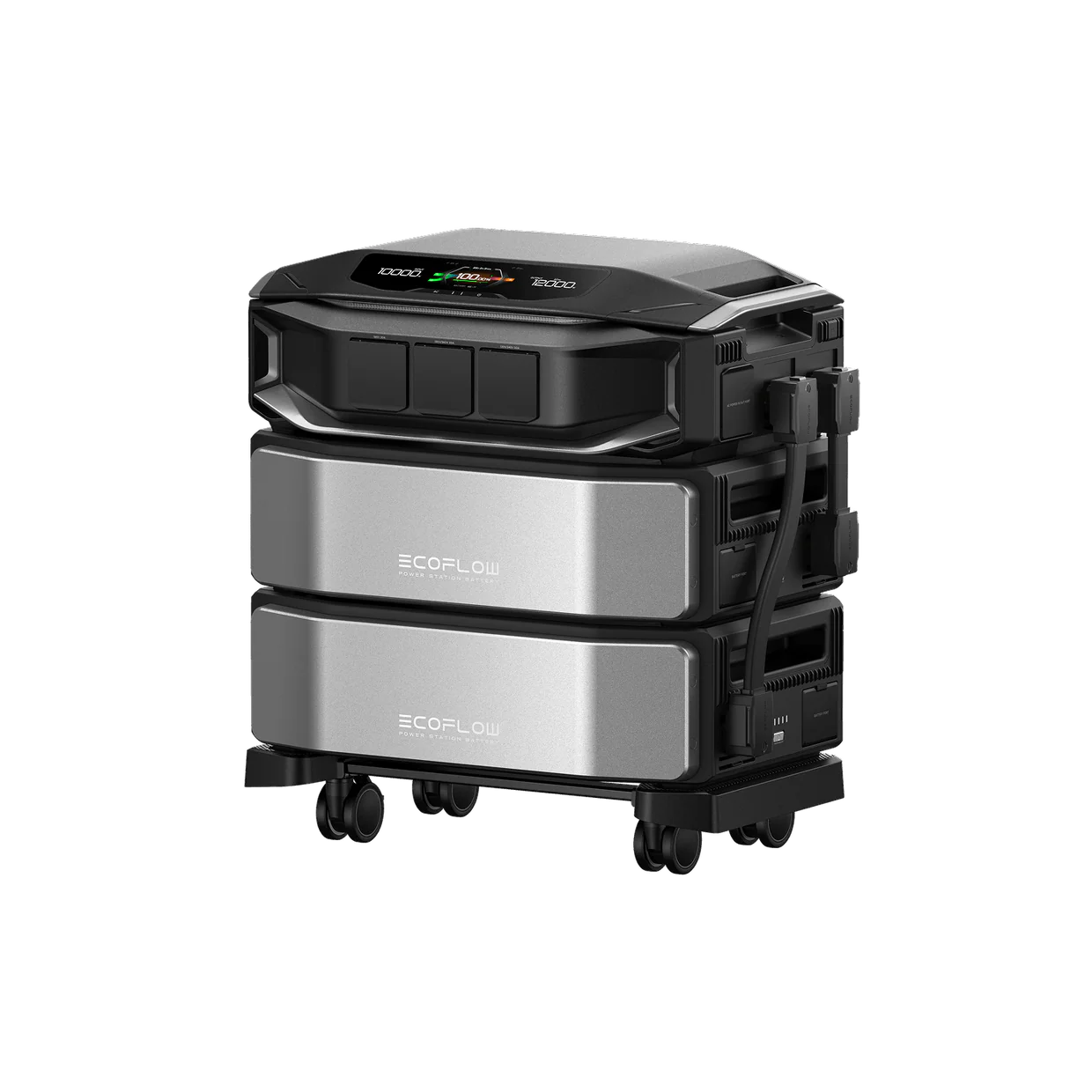
Homeowners can mirror this approach at the household level. The EcoFlow DELTA Pro Ultra X Whole-Home Backup Power connects to your existing grid or solar panels to keep your home running during outages, without relying on the utility to restore power first.
What Is the CAISO Summer Demand Vs. Supply Outlook?
California Independent System Operator (CAISO) predicts the state will have sufficient energy supply for summer 2026. In their assessment report, they highlight:
A projected 2,547 MW power surplus above reliability requirements.
Battery storage has grown by more than 16,000 MW since 2020, becoming a huge reliability factor.
The state expects another 6,194 MW of new energy resources online before peak summer demand.
3,379 MW of reliable emergency power is available if needed.
CAISO still warns that rolling blackouts could happen during extreme weather events like widespread heat waves and wildfires. The state is well-equipped to handle normal summer conditions, but unexpected, overlapping emergencies will overwhelm the electrical grid.
From Traditional Grids to Modern Resilience: How Is Reliability Achieved?
The traditional model of electricity delivery, where a centralized power plant provides electricity to customers, is facing strain as electricity demand increases.
Even though CAISO predicts sufficient energy supply to meet summer energy demands, there is still a risk of outages if extreme weather events occur. Diversifying energy options and upgrading storage will help prevent shutdowns.
Modern grid resilience shifts the focus from preventing power outages to absorbing and recovering from them quickly. An outage, either planned or unplanned, is likely to happen, and energy reliability is no longer optional.
You can build energy resilience by diversifying energy sources, installing battery energy storage options, integrating on-site solar panels, and implementing microgrids. Any of these reduces dependence on the centralized grid, providing you with flexibility and support during emergencies.
The Path to Resilience Modern Energy Systems and Backup Power
Energy resilience is the ability of a system to maintain electricity during disruptions, recover quickly after outages, adapt to changing demands and supply, and operate independently when the grid fails.
You need to be prepared if overlapping emergencies from severe heat, wildfires, or extreme storms push California’s electrical grids over the supply budget, even if CAISO has predicted enough electricity.
Here’s what to consider adding to your home to reduce your dependence on the grid:
Battery Storage Systems: They provide instant power during outages and allow for load shifting.
Hybrid Solar + Storage: During the day, solar panels power the home and recharge batteries. At night, the batteries discharge and power the home.
Backup Generators: Diesel generators are reliable, but they are noisy and require fuel. Portable solar generators and battery systems can be recharged from solar panels and provide emissions-free backup power during outages.
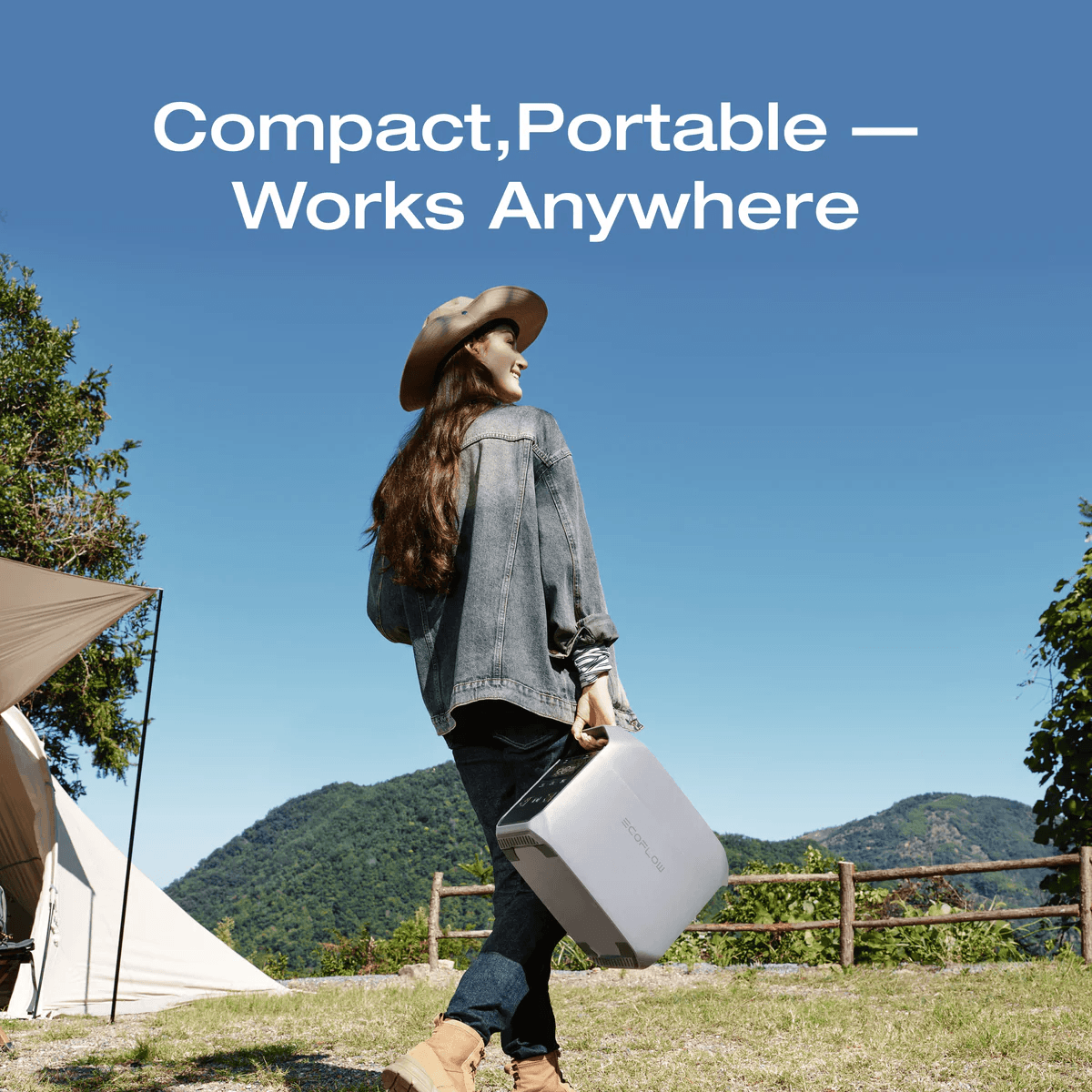
Portable Power Stations: Smaller, portable batteries, like the EcoFlow DELTA 3 Classic Portable Power Station (1024Wh), can power specific parts of your home during blackouts and can power essential devices and appliances during outages.
Smart Grid Technology: A smart home panel provides real-time monitoring, automated load balancing, AI-driven demand prediction, and fault detection.
With any or multiple of these options, you won’t have to worry about outages from natural disasters or rolling blackouts to reduce grid strain.
Frequently Asked Questions
When Was the Last Time California Had Rolling Blackouts?
The last time California had rolling blackouts was August 14 to August 15, 2020. CAISO ordered rolling blackouts because of extreme heat waves. Thousands of customers were impacted by these blackouts. Over the past few years, the state has upgraded renewable energy and battery storage to prevent future occurrences.
What Does CAISO Forecast for Summer 2026?
The CAISO Summer 2026 outlook is overall positive. They forecast more than enough energy available for California residents, and then some in case of emergencies. There’s an operations surplus of 2,547 MW above target margins. That represents a substantial reliability margin above the amount of capacity required to meet industry reliability standards.
Stay Powered, Save Money, and Increase Resilience
For Californians who remember the rolling blackouts of 2020, concerns about grid reliability during summer heat waves are understandable. Even more so with increases in electricity demand from air conditioning, electric vehicles, and data centers.
However, CAISO’s summer outlook paints a much different picture. The state is expected to have more than enough electricity to meet demand, with a projected surplus of 2,547 MW.
While the outlook is encouraging, reliability starts at home.
Power outages can still occur from severe weather, wildfires, equipment failures, or local distribution issues. Building a more resilient home energy system with battery storage and backup power can help keep essential appliances and devices running when the grid goes down.
Explore EcoFlow’s whole-home backup power solutions to find a system that fits your energy needs and provides greater peace of mind during outages.
For press requests or interview opportunities, reach out to our media team
media.na@ecoflow.com