Are Portable Solar Power Generators Worth It? Costs, Benefits, And U.S. Use Cases
- Is the Portable Solar Power Generator Really Worth It?
- When Is a Portable Solar Generator Not Enough?
- Solar Generator vs. Gas Generator: Which Is Better?
- Can a Portable Solar Generator Power an Entire House?
- How to Build a Reliable Solar Backup System
- How to Choose the Right Portable Solar Generator
- Count the Necessary AC Output Ports
- Conclusion
- FAQ
Deciding whether to drop a few thousand dollars on a backup power system is a big move for any American homeowner. With more and more extreme weather across the country, the need for reliable power is more real than ever. Here we’ll provide a break down of actual costs, the limitations you need to know about, and how to build a system that keeps your lights on when the power goes out.
Is the Portable Solar Power Generator Really Worth It?
It’s easy to feel some sticker shock when you first see the prices. However, to determine whether it’s truly worth it, you have to look past the initial purchase price. You need to also consider the long-term benefits and savings of energy independence.
Calculate Your Total Hardware Startup Costs
Your upfront investment usually includes the power station itself and the solar panels. A basic unit might start around $500, while a robust home backup system can range from $3,000 to over $10,000. It is a significant upfront cost for your budget, but it’s a one-time hardware cost.
Compare Solar Power Versus Gas Expenses
What’s nice is solar units have zero “fuel” costs. Compared to gas generators, you don’t need to refill gas bottles and worry about escalating prices. Over five to ten years, the savings from not buying gasoline or propane can practically pay for the unit itself.
Estimate Long-Term Battery Cycle Life
Modern generators and power storage units use LiFePO4 (Lithium Iron Phosphate) batteries. These typically last for over 3,000 cycles before seeing a dip in capacity. That’s over a decade of regular use, making the cost per year much lower than less expensive lead-acid batterie
Apply for Federal Clean Energy Credits
You may also benefit from the Residential Clean Energy Credit. Many high-capacity solar systems qualify for a 30% federal tax credit in the U.S. This significantly slashes the real-world price of your investment when tax season rolls around.
Measure the Average Break-Even Period
You need to consider the “break-even” point, which is where the savings on fuel outweigh the costs of a solar unit. Savings need to include not only fuel, but also the value of protected food and maintaining comfort. Savings usually outweigh the costs between year 4 and year 6 for the average user. After that, your backup power is essentially free.
When Is a Portable Solar Generator Not Enough?
Solar generators are amazing, but they aren’t magic. To avoid disappointment, you need to understand their limitations, especially if you’re expecting to replace a 24/7 grid connection
Limited Days for Heavy Heating Appliances
Running a space heater or an electric water heater are large energy consumers. If you’re trapped in a blizzard and trying to heat a whole house solely on a small portable power unit, you’ll run out of power faster than you think. During deep freezes, homeowners often compare solar generators vs. gas generators for winter use when heating demands peak.
Recharging Large Batteries on Cloudy Days
Solar panels rely on both the sunlight and UV, and output drops significantly in low-light conditions. If you’re stuck under a thick “June Gloom” or a week-long storm, your recharge rate will be much lower. Without a massive battery reserve to carry you through, you might find yourself waiting for the sun while your battery sits at 5%.
Dealing with Messy Extension Cord Tangles
Extension cords may seem an easy way to connect your back up power to your devices. But it’s not recommended. Extension cords can be overloaded, and cause tripping hazards. Instead, install a professional transfer switch that’s hard wired to your circuits. This makes the switch easy and you avoid the hazards of extension cords.
Transport Heavy Units Without Enough Wheels
High-capacity units are heavy and often weigh over 100 lbs. Moving them around is not easy so make sure the unit has handles and heavy-duty wheels.
Handling Power Gaps with Non-expandable Units
Some basic budget friendly models are “what you see is what you get.” These cannot be expanded, so if your power needs grow, you’re stuck. When this happens, you may find yourself constantly checking the percentage bar on the unit, wishing you had bought a modular system. Keep expandable units in mind.


Solar Generator vs. Gas Generator: Which Is Better?
When choosing a backup power solution, many homeowners compare solar generators with traditional gas-powered units. Here’s a clearer side-by-side comparison:
| Feature | Solar Generator | Gas Generator |
|---|---|---|
| Upfront Cost | Higher initial investment | Lower purchase price |
| Fuel Cost | Free (sunlight) | Ongoing gasoline/propane |
| Noise Level | Silent operation | Loud engine noise |
| Maintenance | Minimal (battery care) | Regular oil & engine care |
| Indoor Use | Safe (no emissions) | Dangerous (toxic fumes) |
Overall, solar generators are a better long-term choice for clean, quiet, and low-maintenance backup power. Gas generators are well suited for short-term or budget-conscious users.
Can a Portable Solar Generator Power an Entire House?
The short answer is: Yes, if you prioritize usage properly. A portable unit won’t power your heated pool and your industrial dryer at the same time, but it can definitely keep the key items in your house going.
Select Critical Appliances for Emergency Backup
A smart backup plan isn’t about powering everything, it’s about powering what matters. Focus on your router, a few LED lights, and your phone chargers. These take very little power and keep you connected to the world.
Keep Refrigerators Cold During Grid Failures
The biggest fear during a blackout is the freezer defrosting. A mid-to-large solar generator can easily keep a modern Energy Star fridge running for 24–48 hours on a single charge, depending on battery size and efficiency. This can save you hundreds of dollars in spoiled groceries.
Run Home Office Setups Without Interruption
For people working from home in areas with unreliable power grids, a power flicker can ruin a whole day. This is where a solar generator acts as a giant UPS (Uninterruptible Power Supply). The system can make sure your laptop and dual-monitor setup stay live even when the neighborhood goes dark, so you don’t lose unsaved work during an outage. In fact, a common question among remote workers is whether a solar generator can run a laptop stably over long periods, and high-quality units handle this with ease.
Power up Sensitive Medical Devices at Night
For users with CPAP machines or home oxygen concentrators, power is a matter of health. Solar generators are silent and exhaust-free. They’re safe and can be located right next to the bed for overnight peace of mind.
Transition to a Smarter Energy Lifestyle
When you use a generator, you naturally learn more about your usage and users. You’ll start noticing which appliances are energy hogs. Then learn to shift your heavy usage to the daytime when the sun is hitting your panels the hardest.
How to Build a Reliable Solar Backup System
If you’re serious about never being left in the dark again, you need more than just a battery in a box. You need a system that integrates seamlessly with your home and can grow with your needs.
Integrate High-Capacity Units for Performance
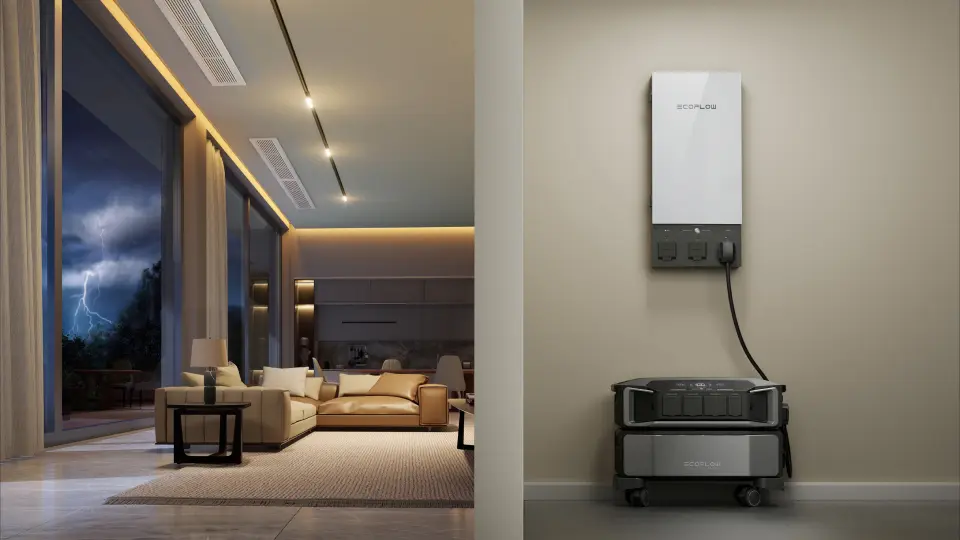
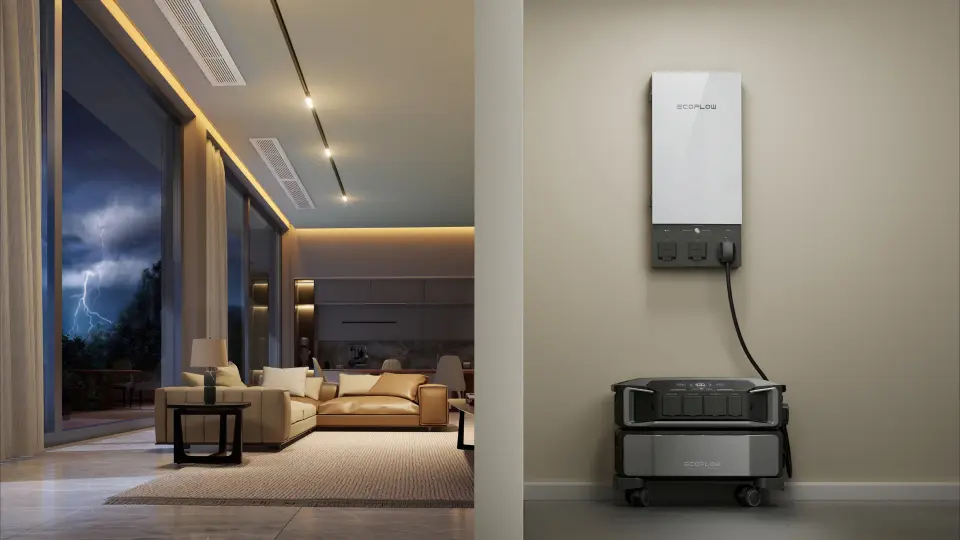
To build a truly reliable system, the core lies in choosing equipment that can keep up with high-load demands. The EcoFlow DELTA Pro Ultra Whole-Home Backup Power is one of the few options on the market that lets you say goodbye to power outage anxiety for good. It boasts a massive output ranging from 7.2kW to 21.6kW, meaning it will even keep up with running your whole home during a blackout.
This unit provides the kind of long-term reliability you need for a family home. Its flexible, expandable design allows you to add capacity from 6kWh all the way to 90kWh. This can ensure no matter how many days the grid is down, your family’s comfort remains uninterrupted.
Wire Solar Panels for Faster Charging
Once you have a powerful storage core, you need an efficient way to keep it topped off. By configuring a solar generator system, you can capture and store natural energy to achieve true energy independence. EcoFlow solar generators support flexible output power from 300W to 7200W. Their high-conversion monocrystalline panels ensure that even on days with limited sunlight, you can still recharge quickly. This makes the system suitable not only for emergency backup during severe weather, but also for off-grid use such as travel or extended time away from home, where quiet and fuel-free power is preferred.
Add Extra Batteries for Extended Runtime
Think of extra batteries like an auxiliary fuel tank. If you know a major winter storm is coming to the Northeast, consider adding an extra battery module onto your system. This way you can turn a 2-day backup system into a week-long safety net.
Connect the System to Home Panels
To avoid using the extension cords, have an electrician install a transfer switch or a Smart Home Panel. This allows the solar generator to feed power directly into your home’s existing wiring. With the Smart Panel you can just flip a switch to power your wall outlets.
Test Your Setup Before Storms Hit
Don’t wait for the first lightning strike to read the manual. Do a “dry run” every few months. Plug in your appliances, deploy your solar panels, and make sure everyone in the house knows how to toggle the power.
How to Choose the Right Portable Solar Generator
With so many brands flooding the market, picking the right one comes down to the three important features of Watts, Watt-hours, and Portability. To make things easier, here’s a quick reference guide based on typical use cases:
| Use Case | Recommended Capacity |
|---|---|
| Apartment backup | 1–2kWh |
| Home essentials | 3–6kWh |
| Whole-home backup | 10kWh+ |
Match Wattage to Your Peak Demand
Check the “Surge” or “Peak” rating of your connected devices. If your sump pump needs 2000W to start up, but your generator only provides 1800W, it simply won’t work. Always aim for a unit that exceeds your highest starting-wattage appliance.
Prioritize Battery Capacity for Long Outages
Capacity is measured in watt-hours (Wh). A 2000Wh battery can theoretically run a 100W device for about 20 hours. For serious home backup, look for units that offer at least 3000Wh with the ability to expand.
Count the Necessary AC Output Ports
Make sure the unit has enough 3 pronged house plug ports. You don’t want to be hunting for splitters when you’re trying to plug in the fridge, the lamp, and the coffee maker at the same time.
Evaluate Expansion Options for Future Growth
Your power needs today might not be your needs in two years. Choosing a modular brand like EcoFlow allows you to buy what you can afford now and add more battery modules later.
Compare Recharge Speeds from Wall Outlets
While solar is the goal, sometimes you need to recharge quickly from a wall outlet before a storm arrives. Look for units with “X-Stream” or similar fast-charging technology that can get you from 0% to 80% in under two hours.
Conclusion
Is a portable solar power generator worth it? The answer is Yes when you value peace of mind, and silence. Solar units especially have higher long-term savings compared to the gas alternatives. While the entry cost is higher, they have the ability to harvest free energy from the sun. With a system like the EcoFlow DELTA Pro Ultra Whole-Home Backup Power you can turn a temporary backup into an important part of your home’s reliability. Today’s technology is available for you to have reliable backup power and benefit from free solar energy.
FAQ
1. Can a Portable Generator Be Left Out in the Rain?
No, most portable solar generators are not waterproof and should be kept in a dry, ventilated area. The solar panels themselves are typically weather-resistant (IP67 or IP68 rated) and can handle rain. However, the power station box contains sensitive electronics and should be protected from moisture at all costs.
2. Can I Use Solar Power in My Apartment?
Yes, you can use a solar generator in an apartment by placing portable solar panels on a sun-facing balcony or near a large window. Since solar generators produce no toxic fumes or noise, they are ideal for indoor apartments, where gas generators are strictly prohibited.
3. Do Solar Generators Work in Cold Weather?
Solar generators work in the cold, but their battery efficiency can drop. In extreme cold temperatures, such as below freezing, the batteries may not be able to charge properly. To keep them running in the winter, it’s best to keep the main unit inside your insulated home. The solar panels stay outside as normal.
4. Can You Charge a Generator While Using It?
Yes, this is called “pass-through charging.” Most high-quality modern solar generators allow you to plug in your devices while the solar panels are simultaneously feeding power back into the battery. This way you can continue to use them throughout the day when they’re charging.
5. How Long Does a Solar Generator Hold Its Charge?
A high-quality solar generator can hold its charge for 6 to 12 months, but it’s best practice to check it every 3 months. Most manufacturers recommend keeping the battery stored at roughly 30% to 80% charge when not in use. This helps maintain the health of the lithium cells.
For press requests or interview opportunities, reach out to our media team
media.na@ecoflow.com